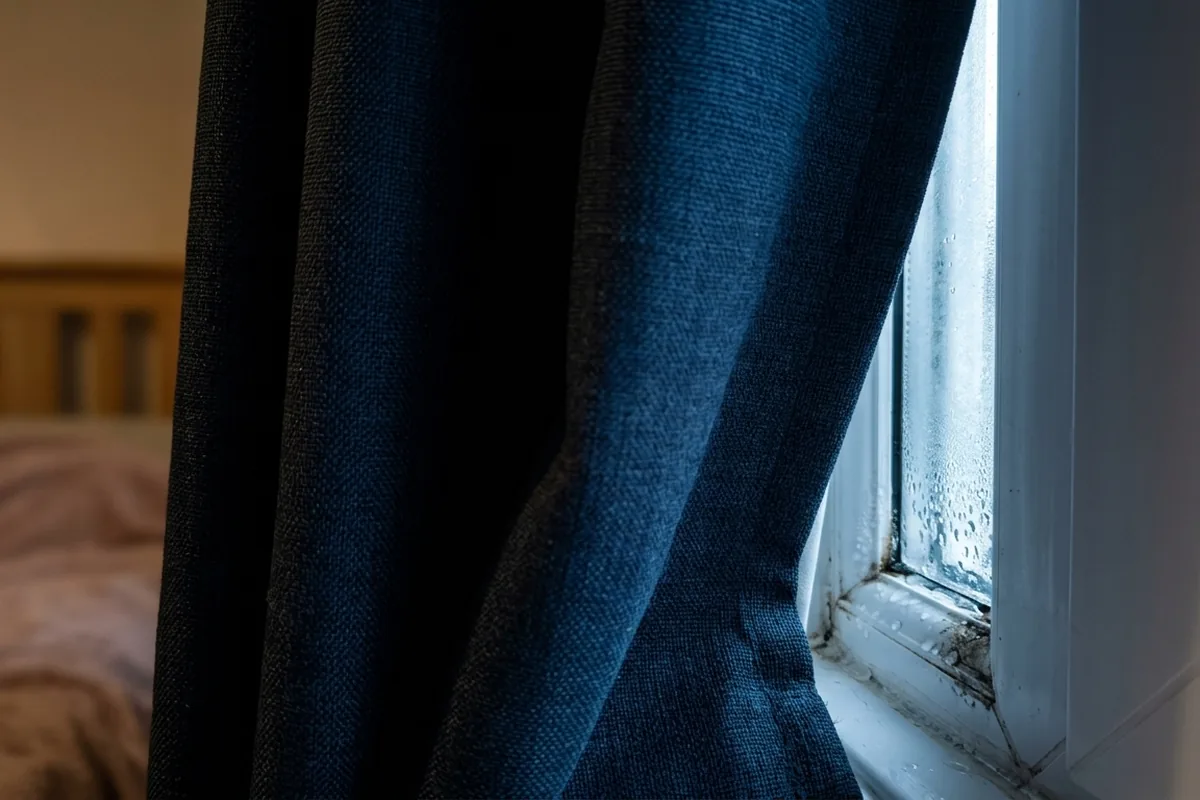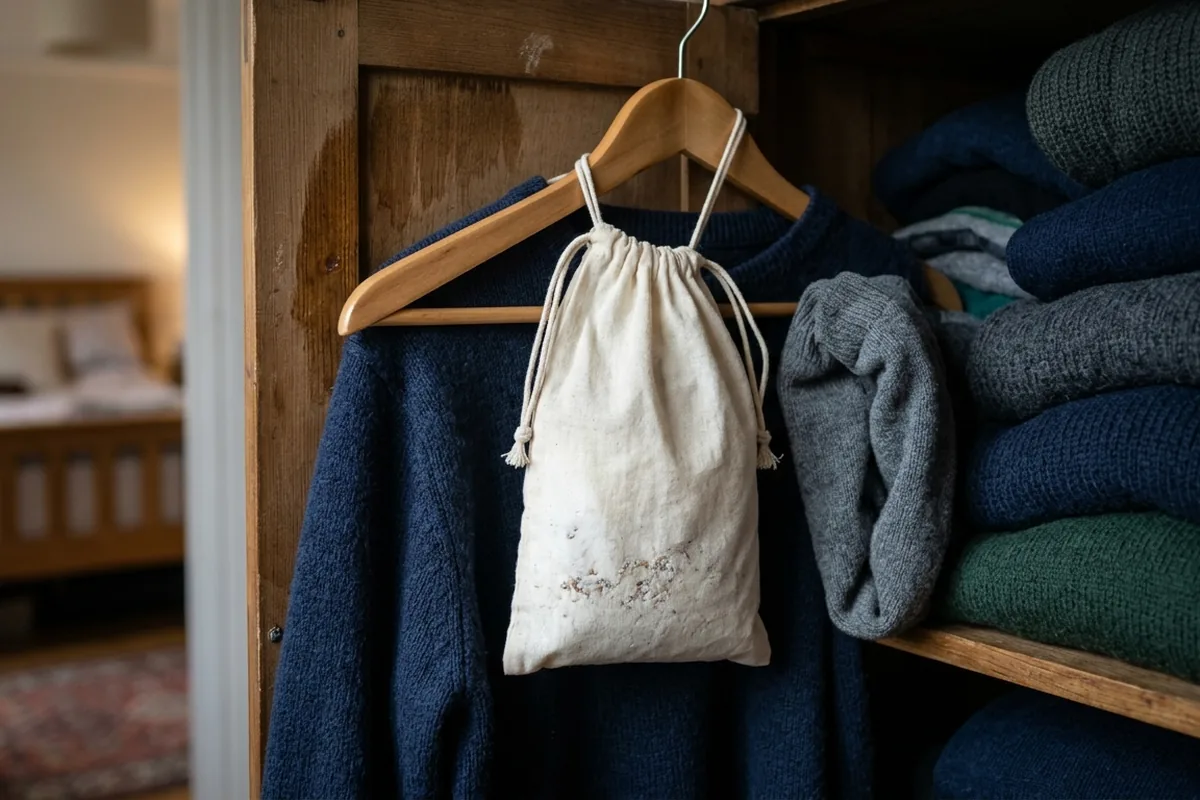
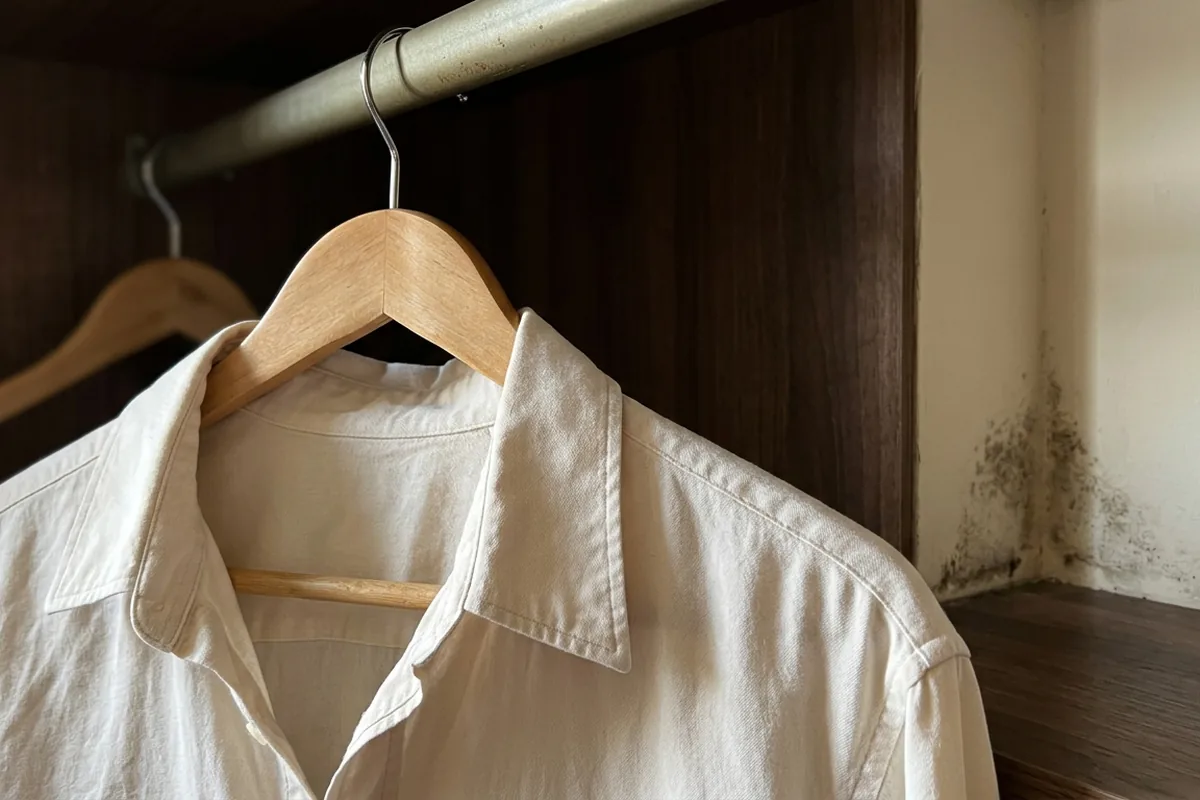
That faint old-clothes smell when you open the wardrobe, even though everything has just come out of the wash, almost always comes from trapped moisture and stale air, not from the clothes themselves. Wardrobes are small, often against cold outside walls, and they behave like mini-damp rooms. If clothes go in even slightly damp, or the back panel is sitting against a chilly wall in a British winter, you get condensation, then microscopic mould and bacteria. That’s the musty odour you can smell.
A quick spray of fabric freshener or a scented sachet will only mask the smell for a day or two. The real fix is to dry clothes fully, get air moving and deal with any hidden damp or mould inside the wardrobe or on the wall behind it.
What is actually causing the musty wardrobe smell?
The mustiness is usually a mix of moisture, poor ventilation and mild mould growth on surfaces you can’t easily see.
Common causes in UK homes:
- Clothes put away slightly damp from the airer or radiators
- A wardrobe pushed tight against a cold outside wall in a bedroom
- Condensation in a small, unheated room (typical in rented flats)
- Old wood, chipboard or MDF that has absorbed moisture over time
Even if your clothes are washed, dried “enough” and smell fine on the airer, they can still hold a bit of moisture, especially thicker items like jeans, hoodies and jumpers. In a closed wardrobe that moisture has nowhere to go, so the air stays humid and stale.
Over time, that encourages light mould or mildew on:
- the back panel
- the base and corners
- leather bags and shoes
- linings of coats that don’t get worn often
You might not see obvious black spots. Early mould can just look like a slight grey film or tiny speckles, but it can still smell.
If the smell is strongest right at the back, or your outside wall feels cold or slightly clammy, the wall itself is likely contributing by chilling the wardrobe and causing condensation on the back panel.
The first checks to make and quick fixes that actually help
Before buying dehumidifiers or loads of products, a few simple checks will usually tell you what’s going on.
First quick checks:
- Feel your “dry” clothes: are thicker items cool and slightly clammy when you put them away? If yes, they’re not fully dry.
- Sniff the wardrobe surfaces, not just the clothes. Open the doors for a minute, then smell the back panel and corners. If they smell mustier than the clothes, the wardrobe is the source.
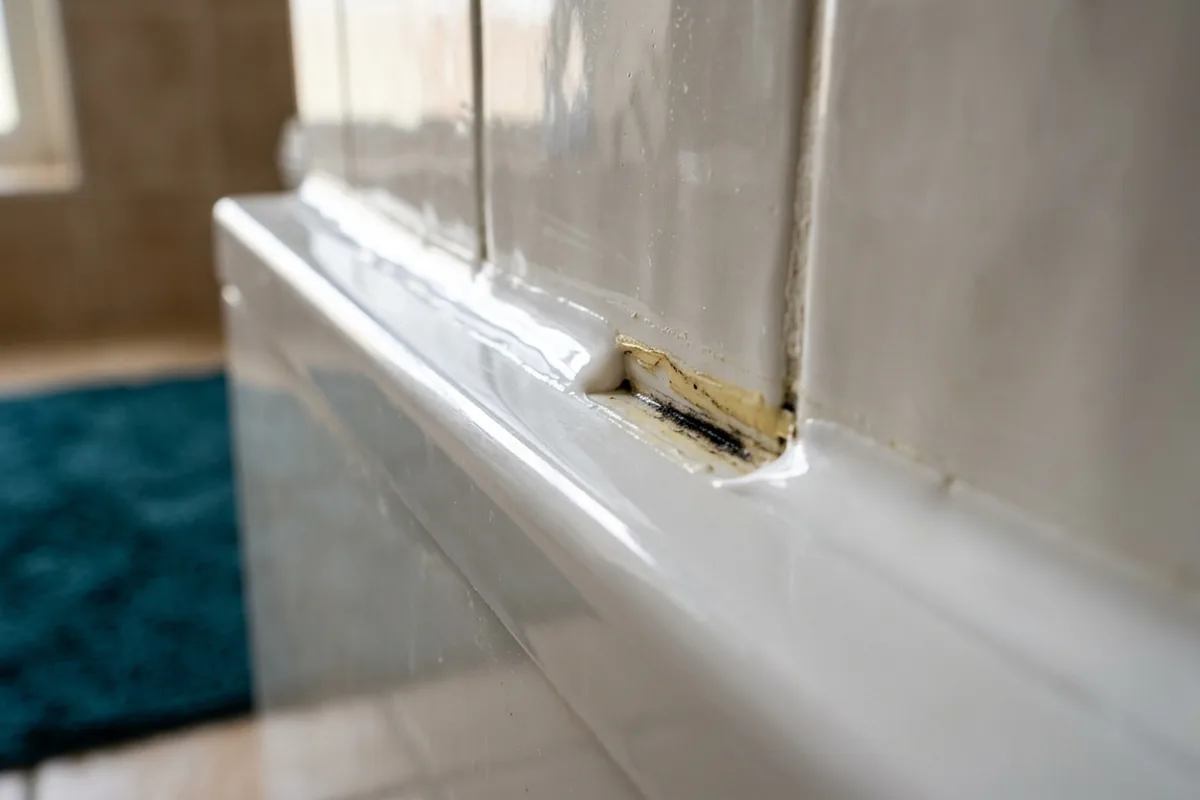
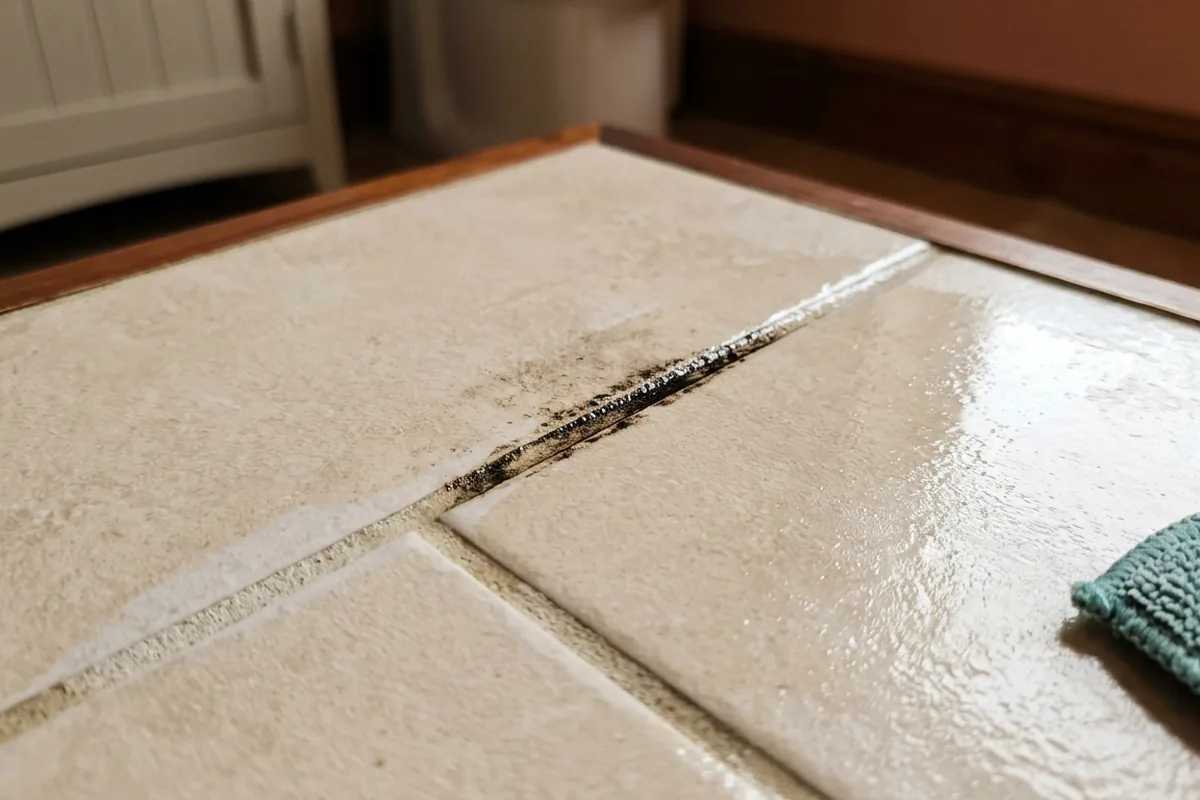
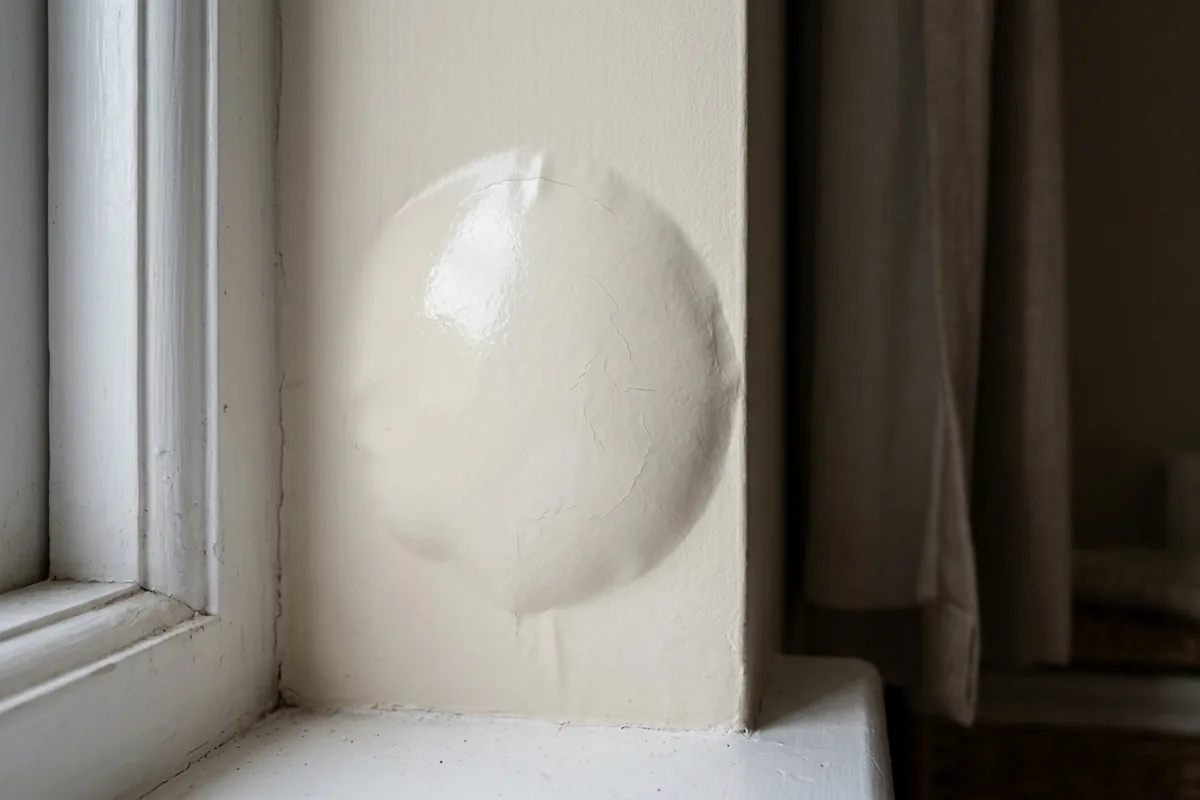
- Check the wall behind: slide the wardrobe out a little. Any dark patches, peeling paint or damp skirting boards suggest a wider damp or condensation issue, not just storage.
If there’s no serious wall damp, you can usually freshen things with some simple housekeeping:
- Fully dry clothes first
Aim for bone-dry, especially in winter. If you dry on radiators or an airer in a small room, leave the window on vent latch or use an extractor fan so the moisture can escape.
- Give the wardrobe a proper clean-out
Take everything out. Vacuum dust, then wipe all surfaces with a mild detergent solution or a gentle anti-bacterial spray. Use a microfibre cloth and wring it out well so you’re not soaking the wood. Dry with a clean cloth and leave doors open to air for a few hours.
- Deal with any visible mould
For small patches, use a mould-removal spray or diluted bleach on a cloth. Ventilate the room well and wear gloves. Never mix bleach with vinegar or other cleaners. If mould is widespread or the wall behind is affected, it’s safer to speak to your landlord or a damp specialist.
- Improve airflow inside
Avoid stuffing clothes in tightly. Leave a bit of space between hangers, and don’t pile shoes and bags hard up against the back panel. If your wardrobe doors seal very tightly, leaving them slightly ajar during the day can help.
A small moisture absorber or dehumidifier tub on the base can help in a small, enclosed wardrobe, especially in winter, but it will not fix a genuinely damp wall or streaming bedroom windows.
How to stop the smell coming back
Once you’ve cleared the immediate mustiness, the aim is to stop that humid, stagnant air building up again.
If the wardrobe is on a cold wall
This is very common in terraced and semi-detached houses where the main bedroom has one outside wall.
- Pull the wardrobe 2–5 cm away from the wall so air can circulate behind.
- If the wall behind feels very cold or looks patchy, try not to pack the wardrobe completely full against that side.
- If you can, keep the bedroom slightly heated in winter rather than letting it get icy cold and then blasting the heating; big temperature swings encourage condensation.
If you dry clothes in the same room
A lot of musty wardrobes come from drying clothes on an airer in the bedroom or landing.
- Use an airing cupboard or well-ventilated room where possible.
- If you must dry in the bedroom, open the window a crack and shut the door so moisture doesn’t just sit in the room.
- Avoid hanging damp clothes on the wardrobe doors themselves; the moisture goes straight into the wood and contents.
Helpful extras (within reason)
A few small additions can help keep things fresher, as long as the moisture issue is under control:
- A shallow dish of bicarbonate of soda on a shelf can gently absorb odours. Replace every month or so.
- Cedar blocks or lavender sachets can add a light scent, but they won’t work if the wardrobe is actually damp.
- Wiping leather shoes and bags occasionally and not storing them pressed against the back panel can prevent them picking up that “old loft” smell.
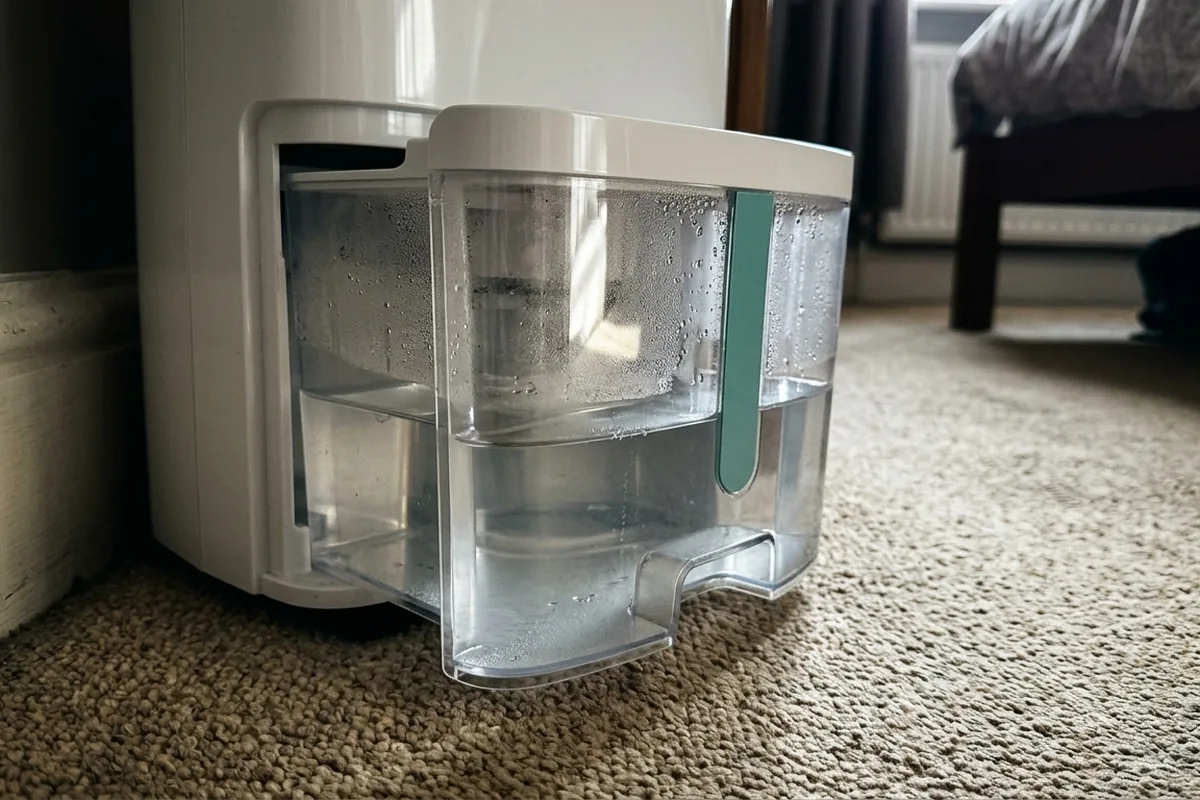
If, after all this, the musty smell returns quickly, or you find fresh mould on walls, skirting boards or bedroom furniture, you’re likely dealing with a broader damp or condensation problem in the room, not just a smelly wardrobe. At that point, it’s worth looking at better ventilation, a room dehumidifier or, in a rented place, raising it with the landlord or local council housing team.
The wardrobe should smell of very little once it’s dry and aired. If it still hits you every time you open the doors, the source of moisture is still there and needs tracking back, not just covering with scent.