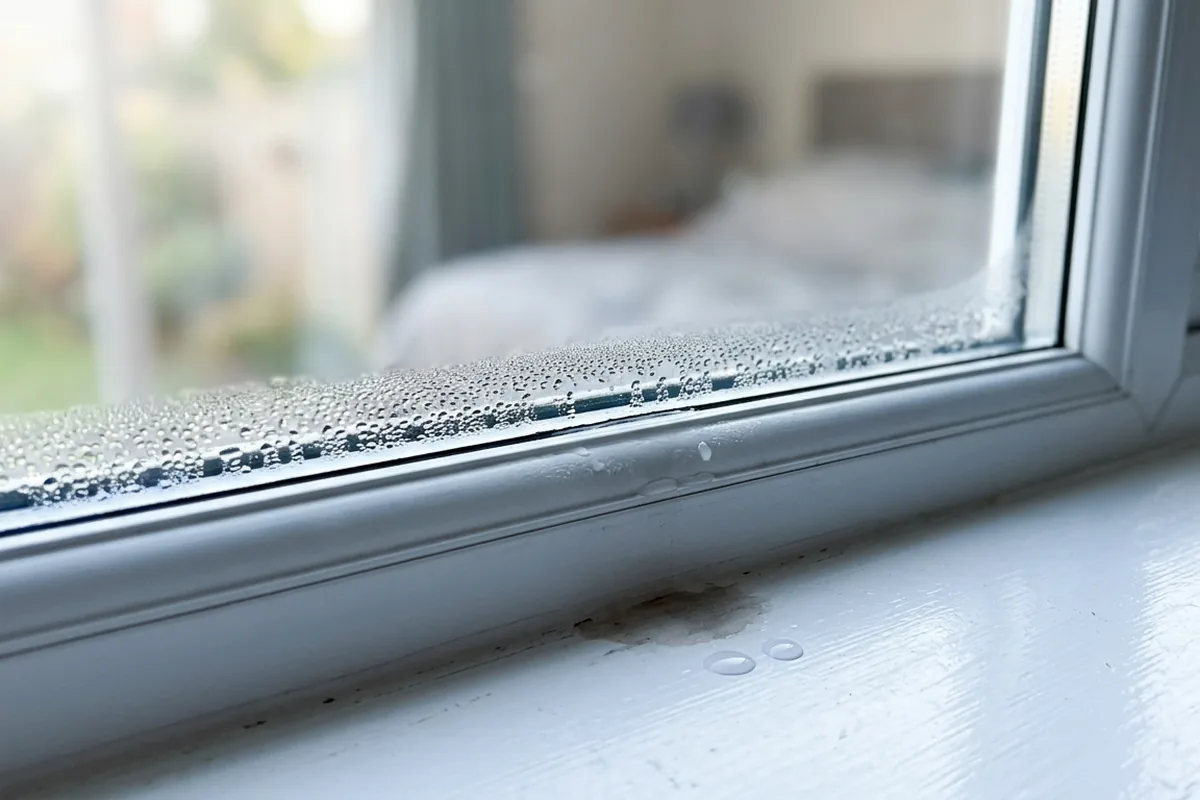
You wipe the glass every morning, but by breakfast the bedroom window is wet again and the window board feels clammy. In colder spells, you might even find little puddles on the sill or mould starting along the silicone sealant. That overnight condensation is more than just “a bit of steam” – it’s your home quietly telling you about temperature, ventilation and moisture.
If the glass is running with water but the room doesn’t feel especially damp, the cause is usually a mix of warm indoor air, cold glass and not enough air movement, especially in small bedrooms and bathrooms in UK winters.
What wet windows are really telling you overnight
Condensation forms when warm, moist indoor air hits a cold surface and cools down, dropping water on the glass. At night, several things line up to make this worse:
- Heating often goes off or down, so the glass gets colder.
- Curtains or blinds are closed, trapping moist air against the window.
- People are sleeping, breathing out moisture for hours in a closed room.
- Outside temperature drops, especially on clear, still nights.
On single glazing or old double glazing, the inner pane gets cold very quickly, so condensation appears easily. Even with modern double glazing, you can still get moisture on the inside if the room is steamy or poorly ventilated.
The key point: condensation on the room side of the glass is usually an indoor moisture and ventilation issue, not a leaking window. It’s annoying but common, especially in terraced houses and rented flats with lots of people in small rooms.
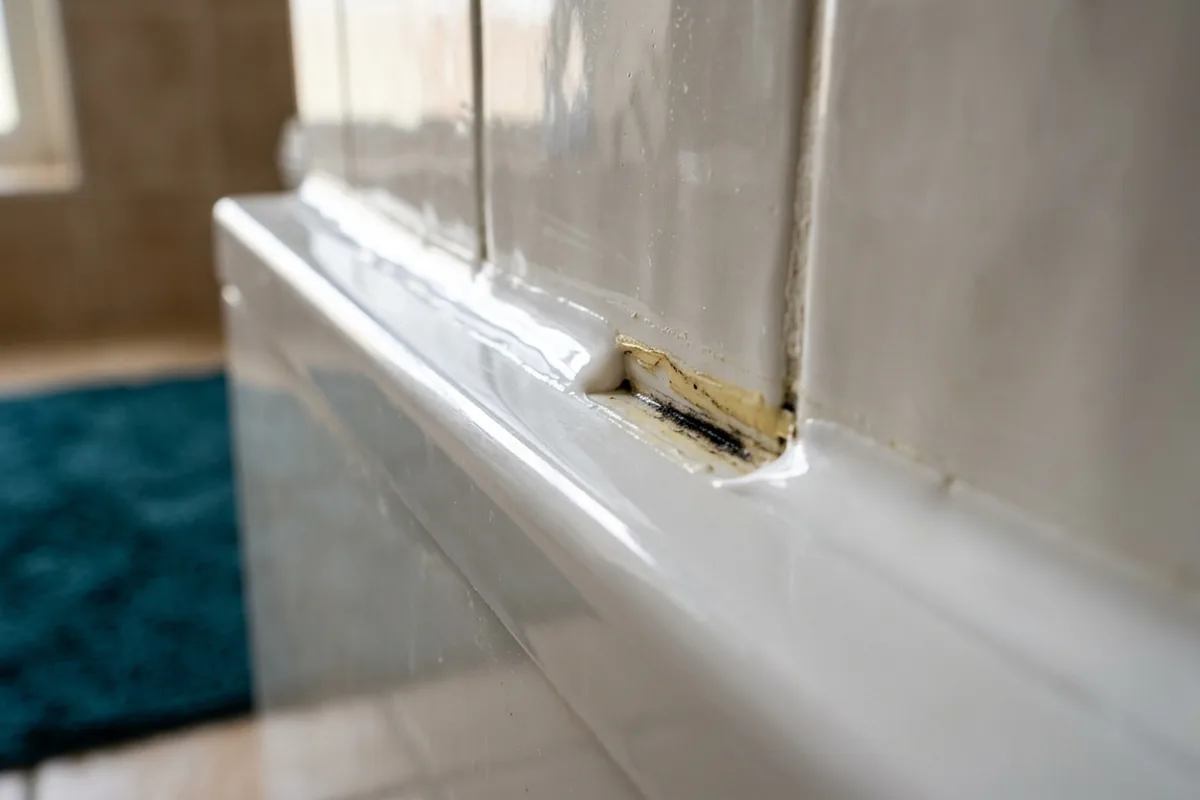
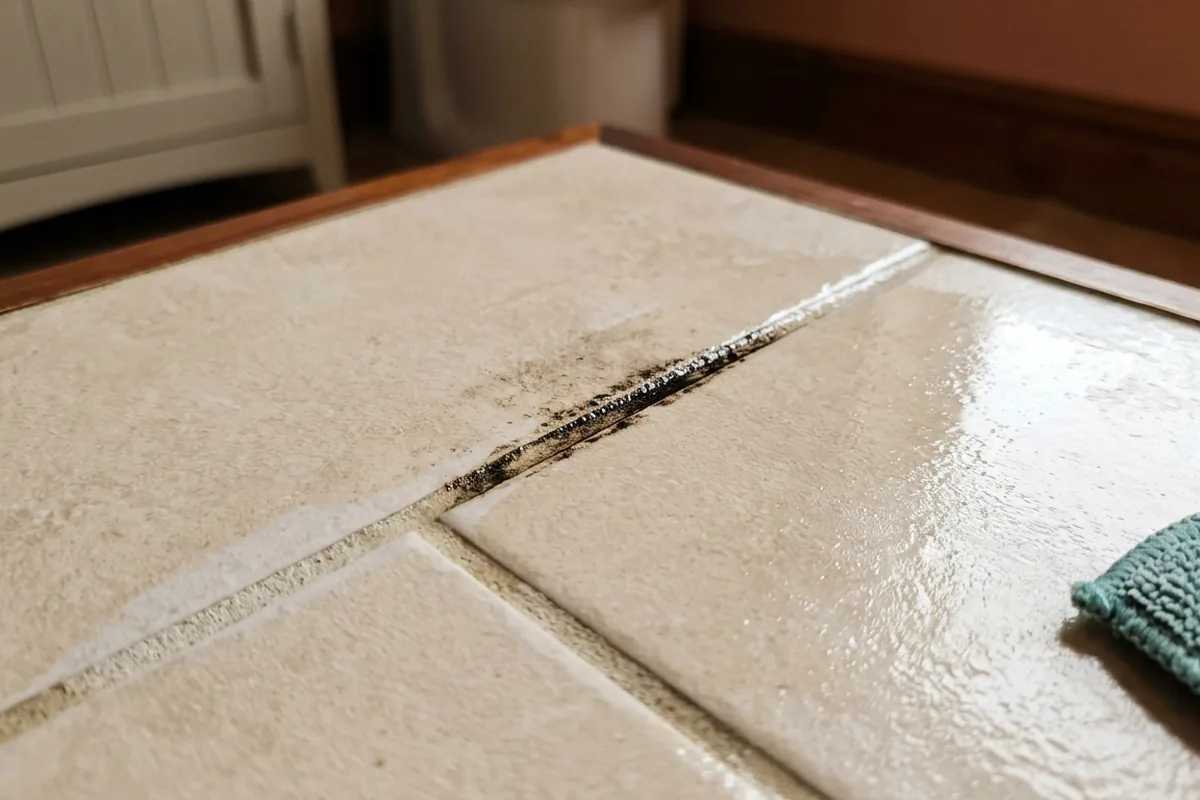
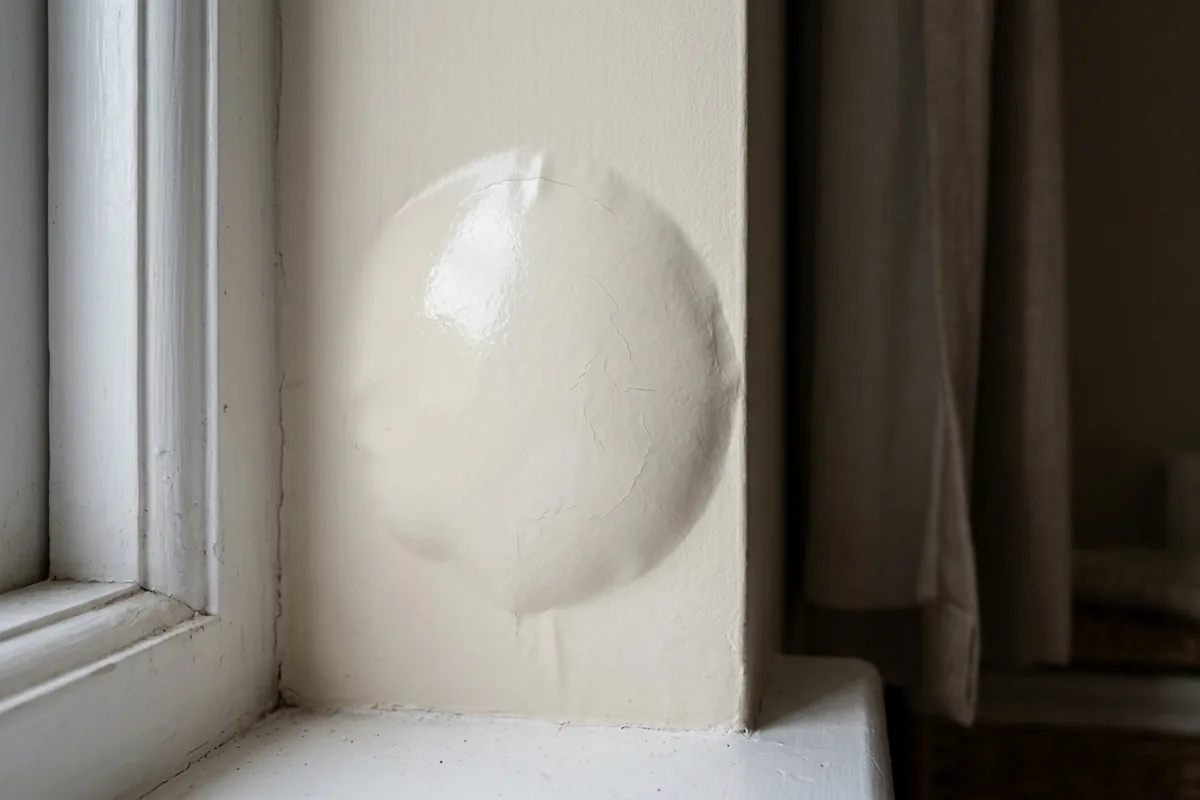
If you’re seeing mould on the seals, damp skirting boards below the window, or paint blistering on the window board, that means the condensation is hanging around long enough to soak into surfaces, not just briefly misting up.
The first checks to make before buying gadgets or blaming the windows
Before you rush out for a dehumidifier or new windows, there are a few quick, low-cost checks that often make a big difference.
1. Check how the room is breathing at night
Ask yourself:
- Are the trickle vents (small vents in the tops of frames) open or painted shut?
- Is the bedroom door closed all night, with no gap under it?
- Are you drying washing on radiators in that room?
- Is there an extractor fan in the nearby bathroom, and do you actually use it?
If the answer to several of these is “yes”, your overnight air is probably too moist and trapped. Try, for a week:
- Opening trickle vents fully.
- Leaving the bedroom door slightly ajar if safe to do so.
- Keeping wet washing out of bedrooms where possible.
- Running the bathroom extractor fan during showers and for 15–20 minutes afterwards.
You’re looking for a simple test: does the amount of condensation reduce when the room has a bit more airflow?
2. Feel around the window, not just the glass
Use the back of your hand first thing in the morning:
- Glass wet, wall and sill dry and not cold: classic surface condensation. Annoying but usually not structural.
- Glass wet, sill and wall below cold and slightly damp: that outside wall may be poorly insulated or bridging cold, so it encourages condensation and may lead to localised mould.
- Wall or skirting damp even when the glass is dry: this can be more than condensation and may need a proper damp assessment.
If you’re in doubt, take a quick photo on your phone each morning for a week. If the same patch is always wet, even on milder days, it’s worth flagging to a landlord or getting independent advice rather than just blaming the window.
3. Look at how the window is dressed at night
Heavy curtains and tight blinds can trap moist air against cold glass.
If you can, try for a few nights:
- Leaving a slight gap between curtain and wall, especially at the top.
- Not tucking curtains tight onto the sill.
- Raising venetian or roller blinds a couple of centimetres to let air move.
You don’t need the window wide open in mid-winter, but a small amount of airflow around the glass can reduce how much water forms and how long it sits there.
Simple morning habits that help – and when they’re not enough
Once you’ve checked airflow and cold surfaces, there are a few practical habits that keep condensation from turning into a damp problem.
- Wipe the glass and sill every morning with a microfibre cloth or window squeegee, especially in bedrooms. It’s basic but important: water left sitting is what feeds mould.
- Open the window a crack for 5–10 minutes after you get up (and after showers) to dump the overnight moisture, if it’s safe and not pouring with rain.
- Spread moisture sources around – don’t have all the houseplants, drying racks and fish tank in one small room with closed windows.
These steps are simple maintenance, not a cure-all. If you still get heavy pools of water on double-glazed units despite good ventilation and sensible heating, it may be time to:
- Check whether the double-glazed unit has failed (mist or water between the panes, not on the room side).
- Talk to a window specialist about cold bridging or replacement units.
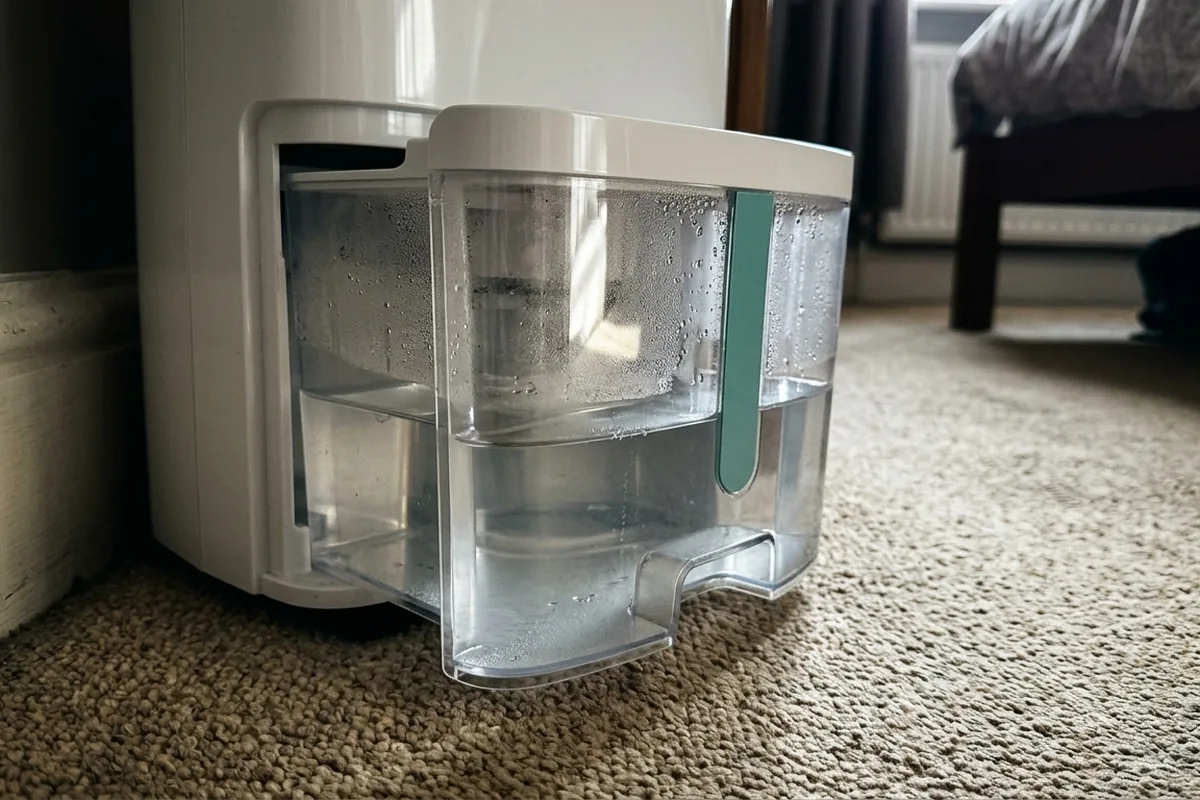
- In very humid homes, consider a small dehumidifier for problem rooms, following the manufacturer’s safety and placement guidance.
If condensation is occasional and clears quickly, it’s usually just the weather and normal living. If it’s daily, heavy and starting to damage paint, plaster or skirting boards, then the first job is always the same: improve airflow and clear the water each morning, then watch how the room behaves over the next couple of weeks.