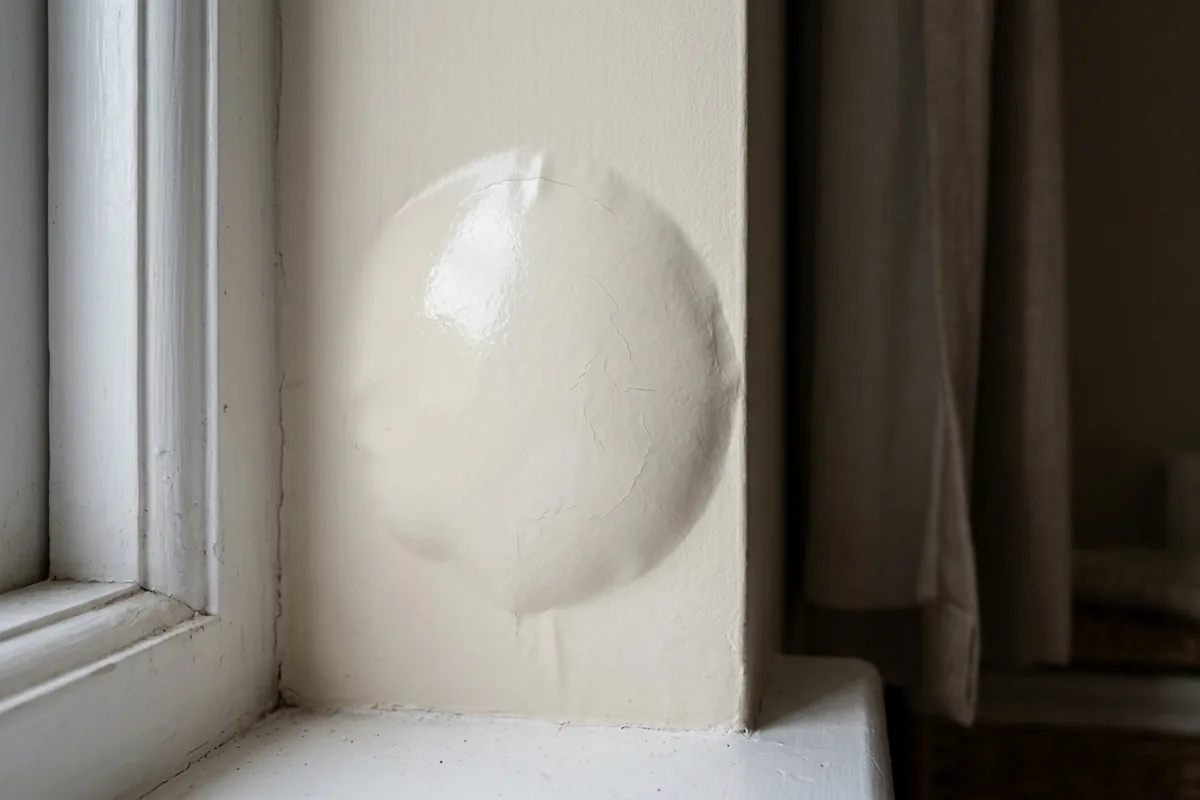
The first sign is usually a few raised blisters in the paint around a window frame after a spell of rain. You smooth them down, maybe dab on a bit of touch‑up, and then the next wet weekend they’re back, often worse. The simple reason is this: paint bubbles when moisture gets behind it and tries to escape, and windows are one of the dampest spots in a British house. The bubbling is not the real problem, it is a symptom of water getting into the timber, plaster or masonry.
Why paint blisters around windows when it’s wet
Around windows you usually have three moisture routes: rain getting in from outside, condensation from inside, or damp trapped in the wall or frame. When that moisture sits behind a layer of paint, the water vapour pushes the paint away from the surface, forming bubbles or blisters.
Common patterns you might see:
- Bubbles along the bottom of the frame or window board after heavy rain: often points to failed external sealant or cracked paint outside letting water in.
- Blisters on the inner reveal or above the sill in a bedroom with steamed‑up glass every morning: usually linked to condensation soaking the plaster, then trying to dry through the paint.
- Peeling and flaking on older timber frames: often a mix of worn exterior paint, hairline gaps in putty or silicone, and water soaking into the wood.
The key point: the weather exposes a weakness that was already there. The rain does not cause the problem on its own, it simply finds gaps in old sealant, cracked paint or poorly ventilated reveals.
What to check before you scrape or repaint
Before you reach for a scraper, it helps to work out where the moisture is coming from. A quick look around the window, inside and out, can tell you a lot.
| Sign at home | What it may mean | First check |
|---|---|---|
| Bubbles mainly at the bottom of the frame | Rainwater sitting on or under the sill | Look outside for gaps in sealant or cracked sill paint |
| Bubbles on reveals with misty glass most mornings | Condensation soaking plaster | Check ventilation, trickle vents and radiator heat near the window |
| Bubbling and dark staining below the window board | Deeper damp issue | Feel skirting and wall for persistent damp, not just after rain |
| Flaking on external timber around the same spot | Failed exterior coating | Inspect outside frame, putty and joints in dry weather |
Indoors, gently press the bubbled area once it is dry from the last rain:
- If it feels crisp and hollow but the wall behind feels firm, it is likely just the paint layer that has lost its grip.
- If it feels soft, spongy or crumbly, the plaster or timber may be damaged by repeated wetting.
Outdoors, only inspect if you can do so safely from ground level or a stable step in dry conditions. If you cannot see the top of the frame or sill safely, leave that to a professional rather than stretching on a ladder.
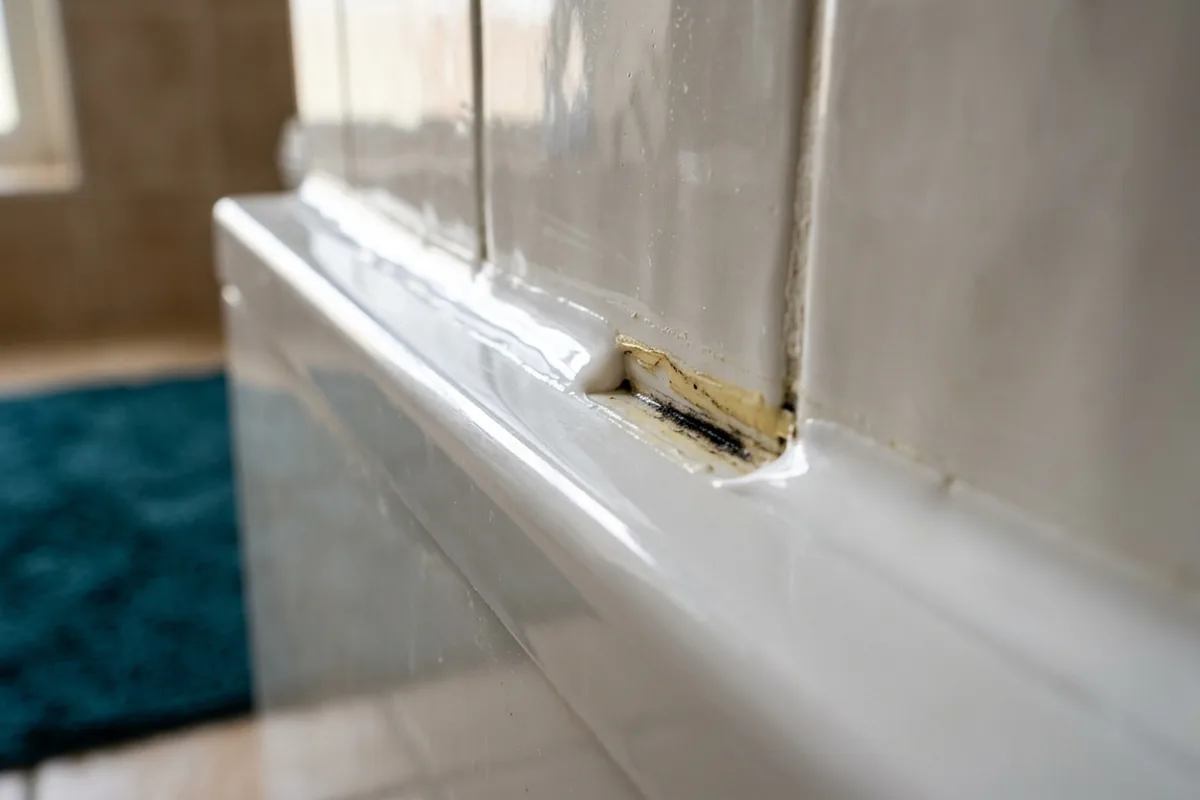
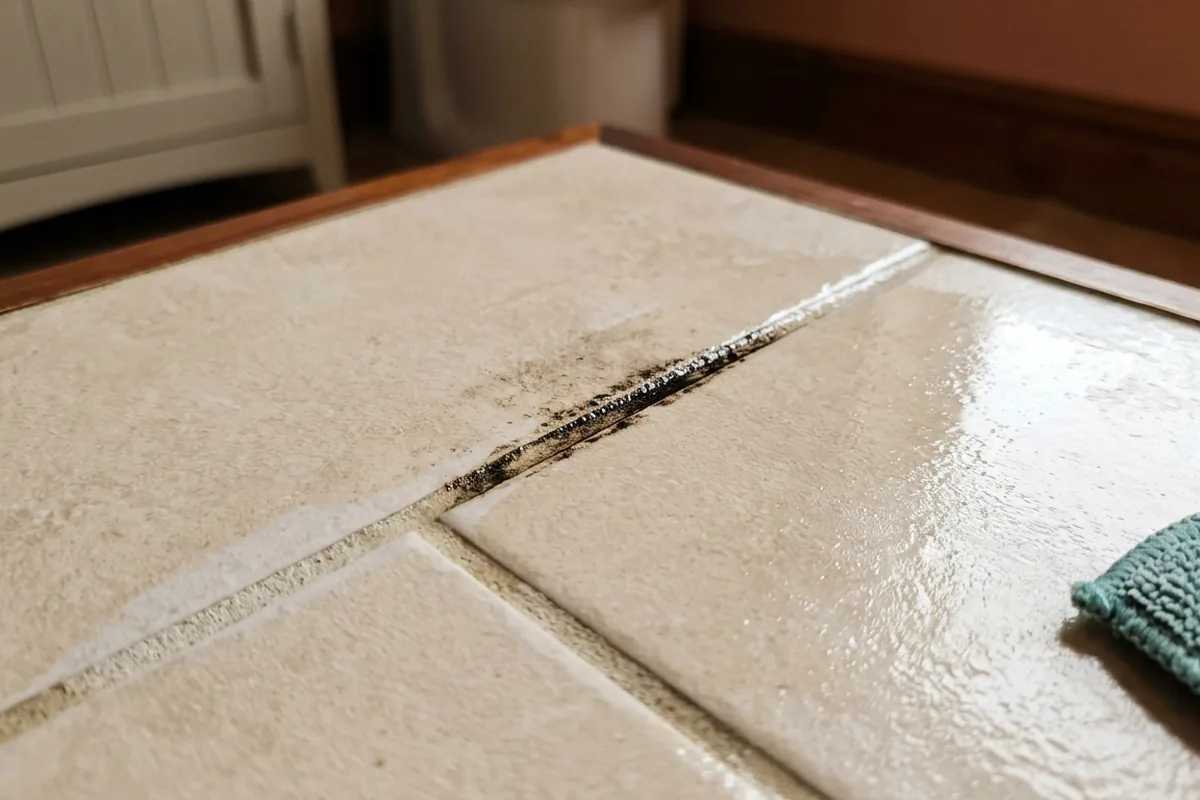
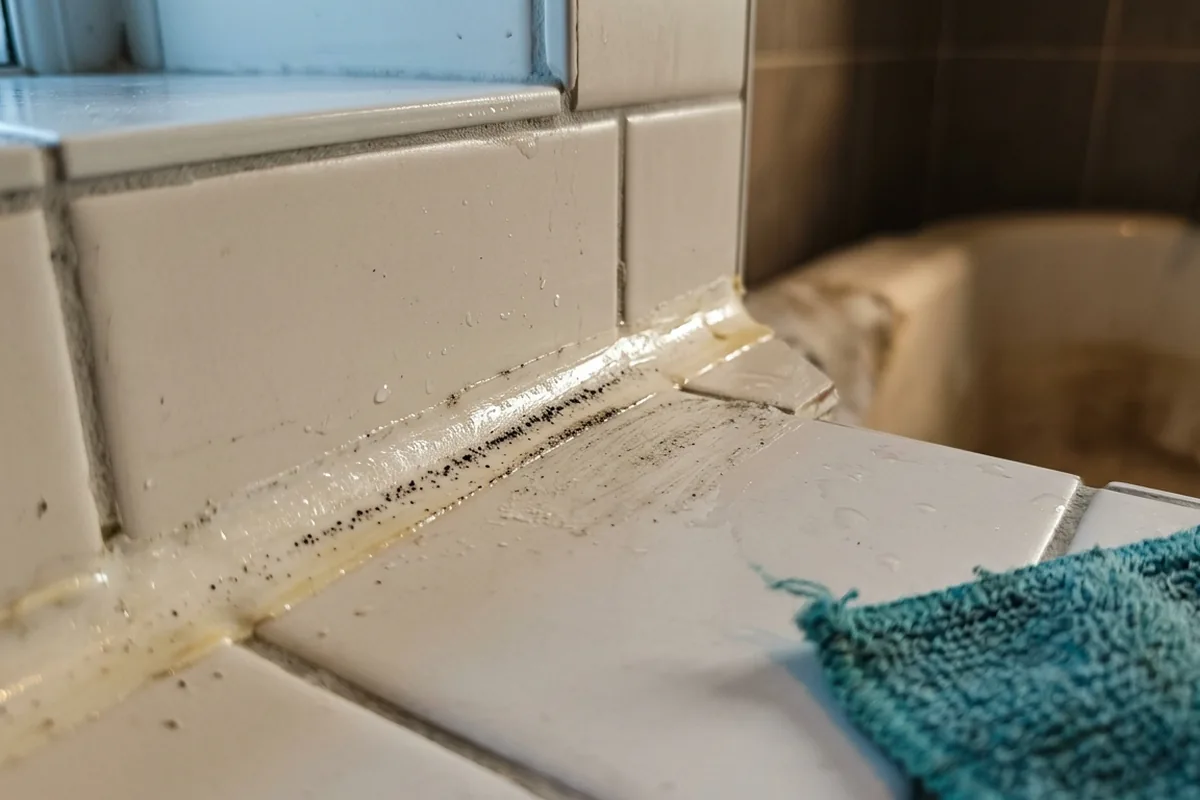
If there is black mould on the paint or silicone around the frame, that usually signals regular moisture (often condensation) rather than a one‑off leak. Cleaning the mould alone will not stop the bubbling if the area keeps getting damp.
How to deal with bubbling paint safely and when to get help
Once you have a rough idea of the cause, you can decide what is realistic to tackle yourself and what needs a tradesperson.
If the issue is light bubbling from condensation
In many small bedrooms and bathrooms in UK homes, paint bubbles because the reveals stay damp from condensation:
1. Improve ventilation first: use the bathroom extractor fan, open trickle vents, and crack the window after showers or when drying clothes indoors.
2. Wipe down wet areas: use a microfibre cloth or window squeegee on the glass and sill when they are running with water.
3. When the area is fully dry, scrape off loose paint, lightly sand smooth, dust off and repaint with a suitable emulsion. A moisture‑resistant bathroom or kitchen paint can cope better in steamy rooms, but it still needs ventilation.
If the bubbling returns quickly even with better airflow, the wall may be staying cold and damp, which is a deeper insulation or damp‑bridging issue. That is a point to seek proper advice rather than just adding more layers of paint.
If rain is getting in from outside
Where you suspect rain penetration:
- Look for cracked or missing external sealant around the frame, gaps in the render, or rotten timber on older wooden windows.
- Replacing a small bead of failed exterior silicone or repainting a weathered external sill is often a straightforward DIY job, but only if you can access it safely and the underlying wood or masonry is sound.
- If the timber is soft, the masonry is badly cracked, or water is tracking in from above, you are into joinery or building repair territory and should get a window specialist or builder involved.
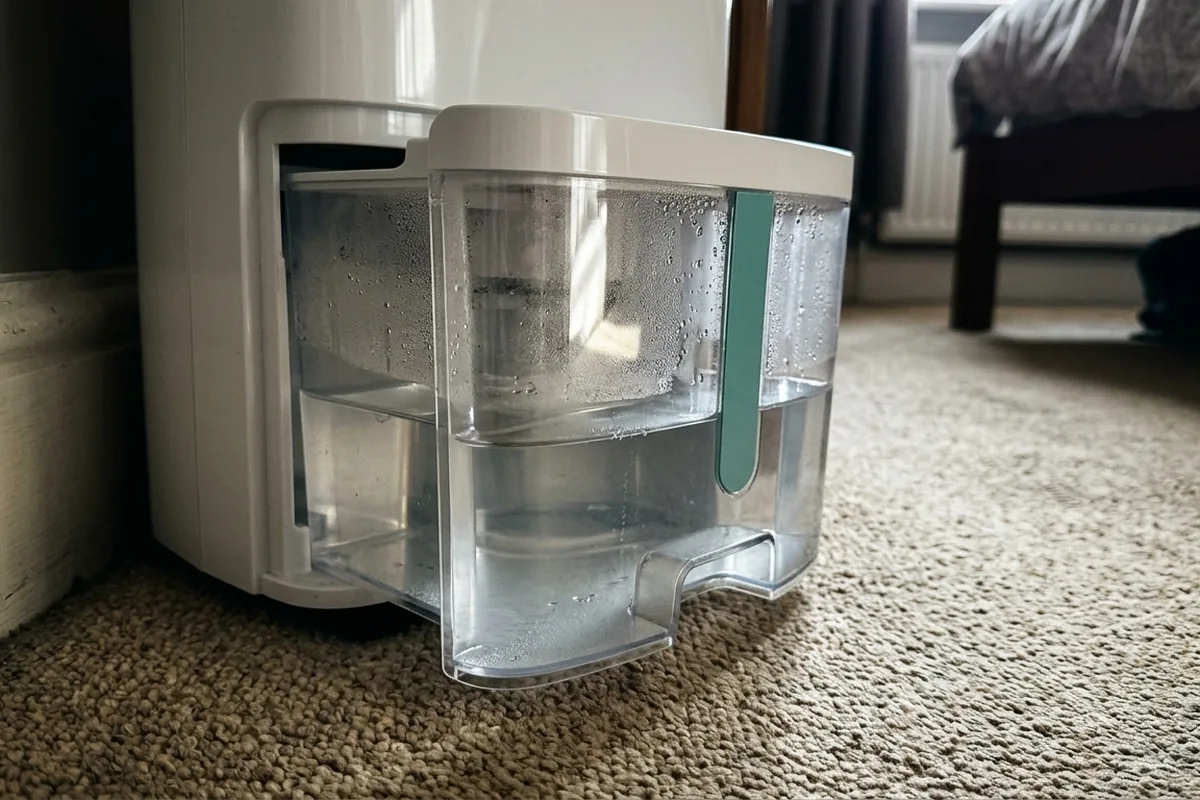
Indoors, do not rush to repaint as soon as the surface looks dry. Let the area dry out fully, which can take a couple of weeks in cold weather. A dehumidifier in the room can help draw moisture out of the wall more quickly.
If the paint keeps failing or the wall feels damp
Persistent bubbling, especially with:
- Damp skirting boards below the window
- Salty or powdery deposits on the plaster
- A musty smell in the room even when aired
can indicate a more serious damp problem, not just a fussy bit of paint. That might be a failed cavity tray, bridging of the cavity with debris, or longstanding leaks around the frame.
In those cases, scraping and repainting will only hide the symptom for a short time. It is safer to pause and get a damp specialist or experienced builder to investigate, particularly in older terraced houses or where several windows show the same issue.
Once the underlying moisture route is dealt with, a simple repaint is usually all that is needed. The result you are looking for is plain: paint that stays flat through the next few cycles of British wet weather, without new bubbles appearing along the frame or sill.