That faint musty whiff when you open the wardrobe is usually the first sign: clothes that smell “cupboardy”, leather bags picking up a damp scent, maybe a hint of mould on a pair of shoes at the back. The trick is not to stuff the space with strong fragrances or bowls of salt, but to cut moisture first and add light scent second. Anything that blocks airflow or traps humidity, even well‑meant, will make things worse.
A simple rule: keep air moving, keep surfaces dry, then use gentle deodorisers. Small breathable moisture absorbers, spaced hangers and the odd airing session will usually beat heavy perfumes, plastic covers and tightly shut doors.
How to freshen a wardrobe without trapping moisture
A wardrobe that smells clean but stays dry comes from a mix of airflow, absorbent materials and light, not from overpowering scent sachets.
Start with the basics:
- Leave a little breathing space between hangers so air can move. Packed rails trap moisture in fabrics.
- Avoid lining every shelf with plastic or vinyl; it stops timber or plasterboard from “buffering” humidity.
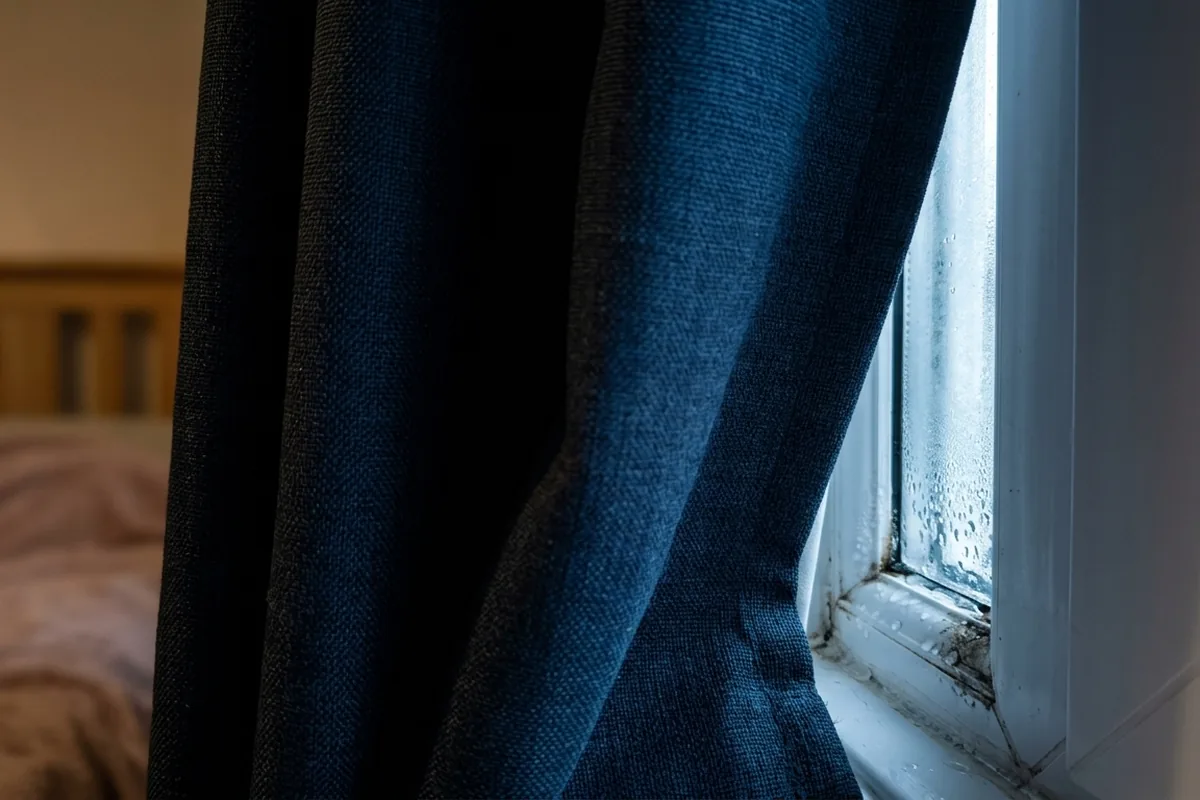
- If the wardrobe backs onto a cold outside wall in a bedroom that gets condensation on the windows, keep a small gap between the back panel and anything pressed against it so air can circulate.
For a gentle fresh smell that does not seal in damp:
- Use open containers of bicarbonate of soda or cat litter (non-clumping, clay-based) on a saucer to absorb odours. Replace every month or so.
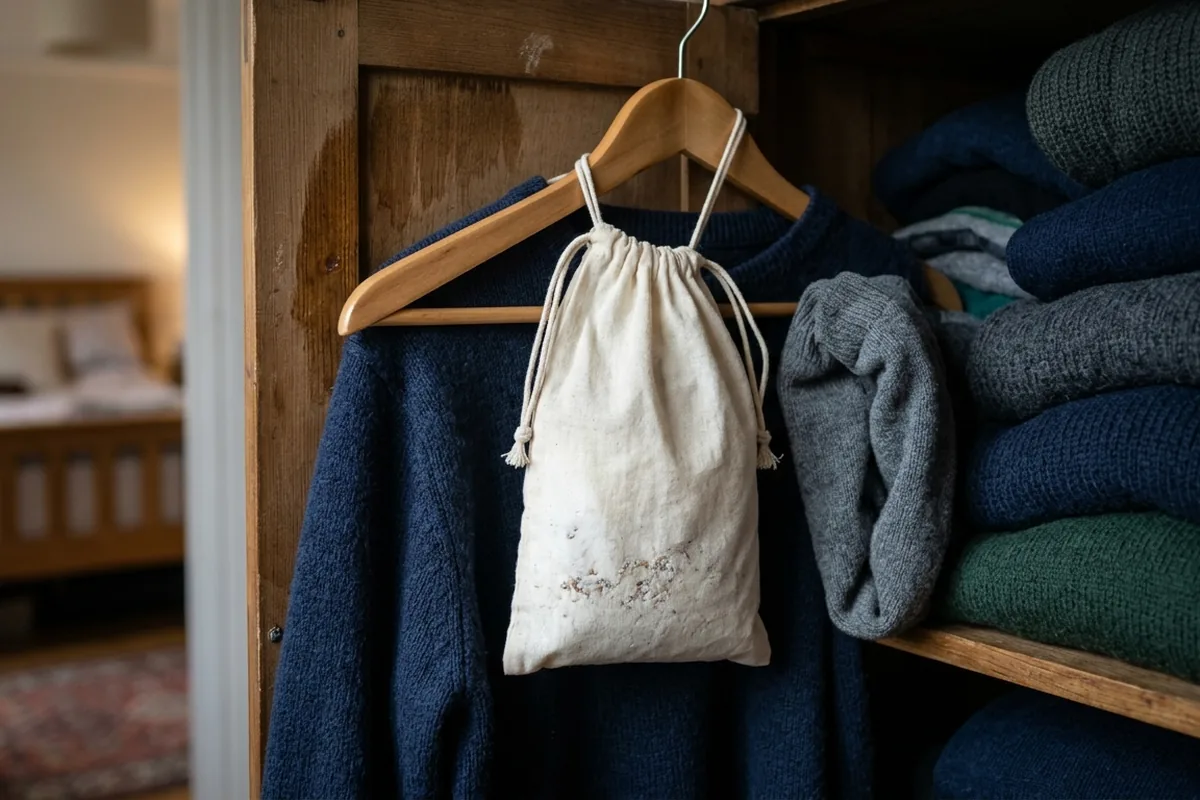
- Try breathable fabric sachets with dried lavender or cedar chips rather than wax melts or plug-ins. These give a mild scent without coating everything in oil.
- Hang one or two cedar blocks or rings on the rail. They help with odours and moths, but you do not need dozens.
Avoid:
- Sealing clothes in plastic garment bags unless they are completely dry and you are storing them short-term.
- Sticking peel-and-seal air fresheners inside doors; they add fragrance but do nothing for moisture.
If you open the doors and the smell clears within a few minutes, you are mainly dealing with stale air and light odours, not deep damp.
Stopping musty smells at the source
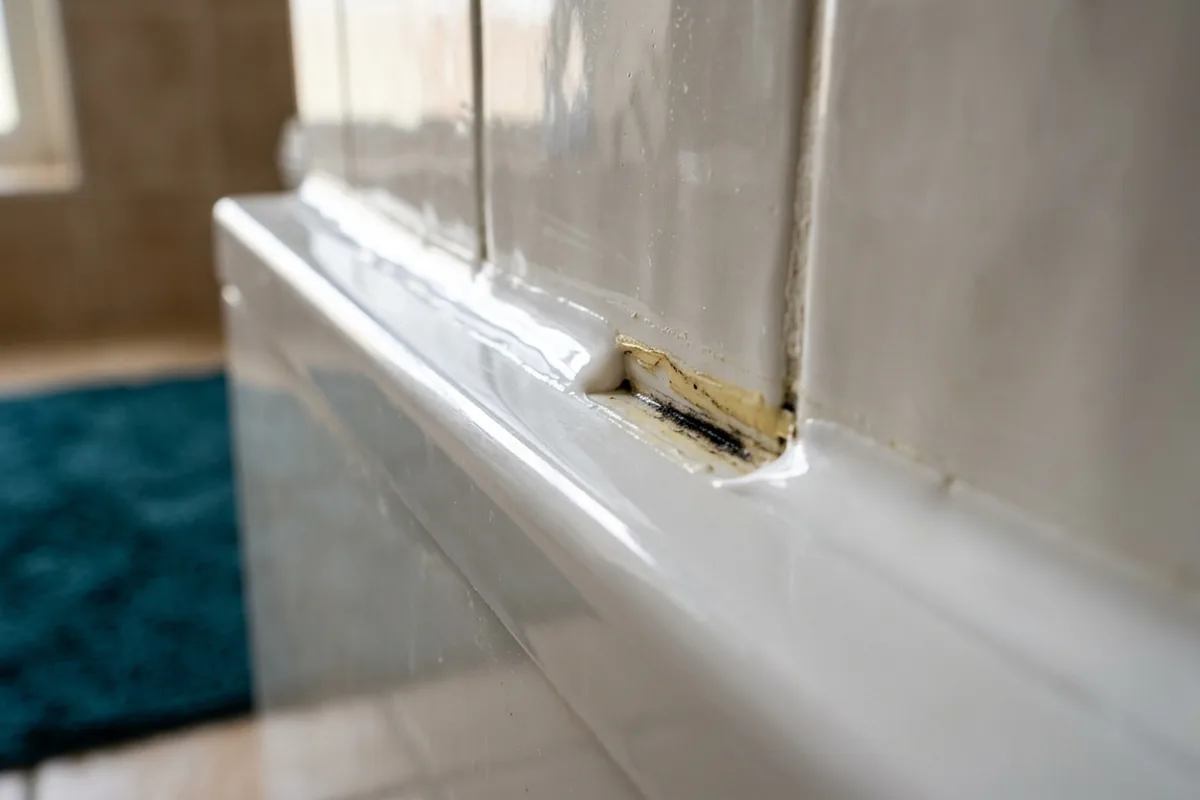
Most wardrobe odours come from moisture getting in and then having nowhere to go. Before you add any scent, check where that moisture might be coming from.
Common sources in UK homes include:
- Putting clothes away slightly damp from the washing line or radiator.
- A small bedroom in a terraced house where you dry laundry and sleep with the windows shut.
- An external wall that runs cold in winter, with the wardrobe pushed tight against it.
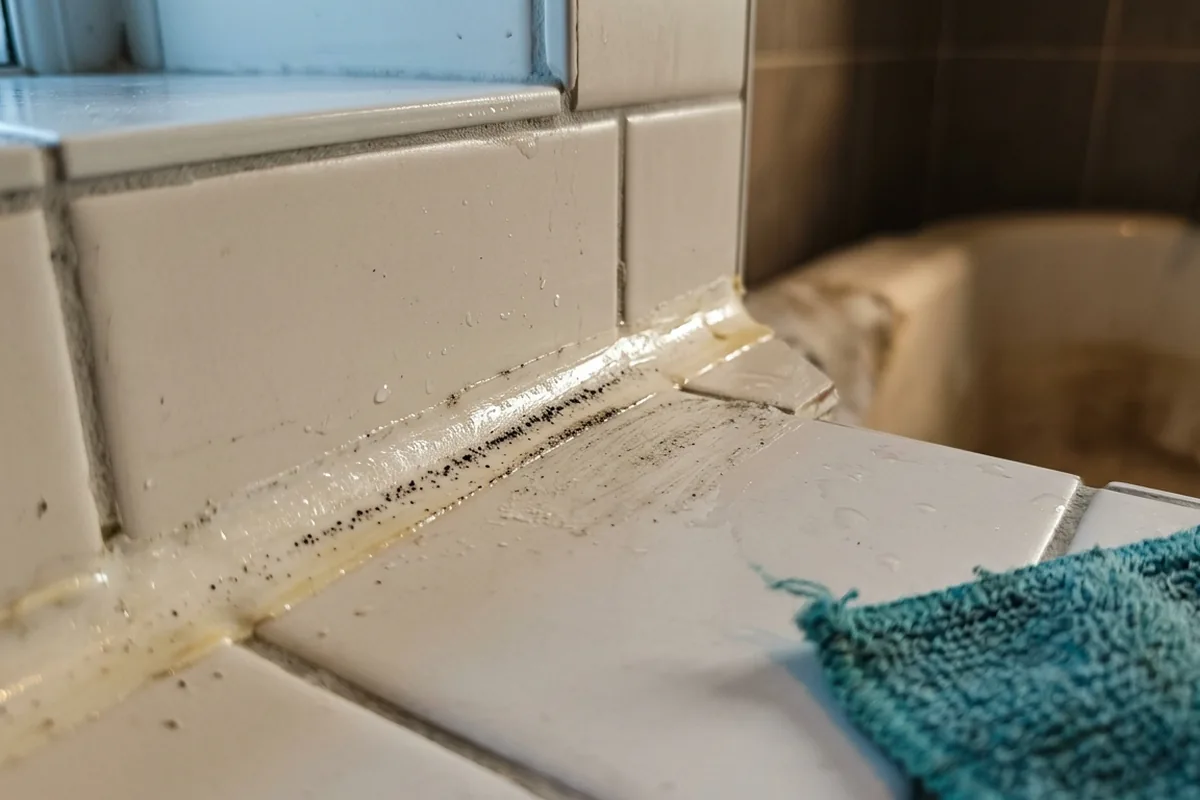
- A bathroom next door with a weak extractor fan, so steam drifts into the bedroom.
A quick check that often helps:
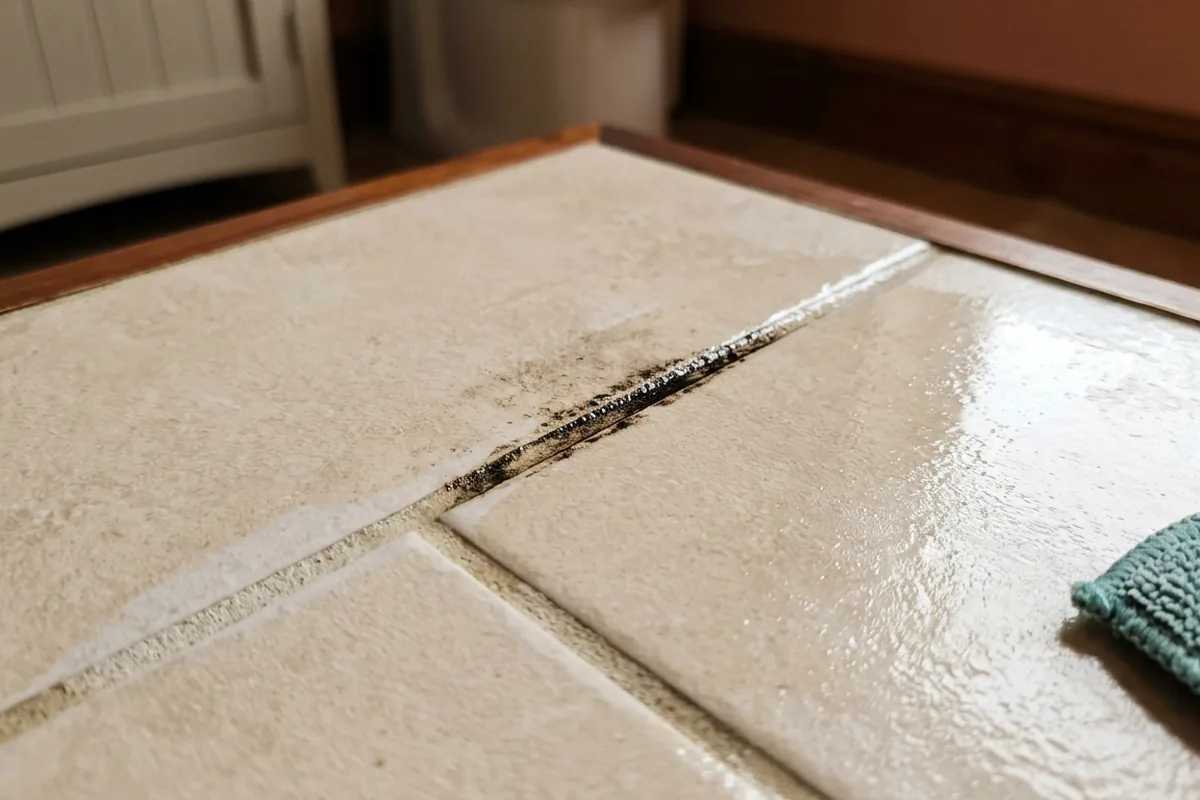
- Feel the back panel and base of the wardrobe first thing in the morning. If they feel cool and a bit clammy, or you see tiny dots of mould near the skirting board, you have a moisture problem, not just an odour.
In that case, focus on:
- Drying clothes fully before putting them away. If in doubt, leave them on the back of a chair or an airer for a few extra hours.
- Leaving wardrobe doors ajar for part of the day, especially after showers if the wardrobe is near a bathroom.
- Using a small, refillable moisture absorber (calcium chloride type) on the floor of the wardrobe. These collect liquid water in a tub, so they reduce humidity without sealing anything in. Empty and replace as directed.
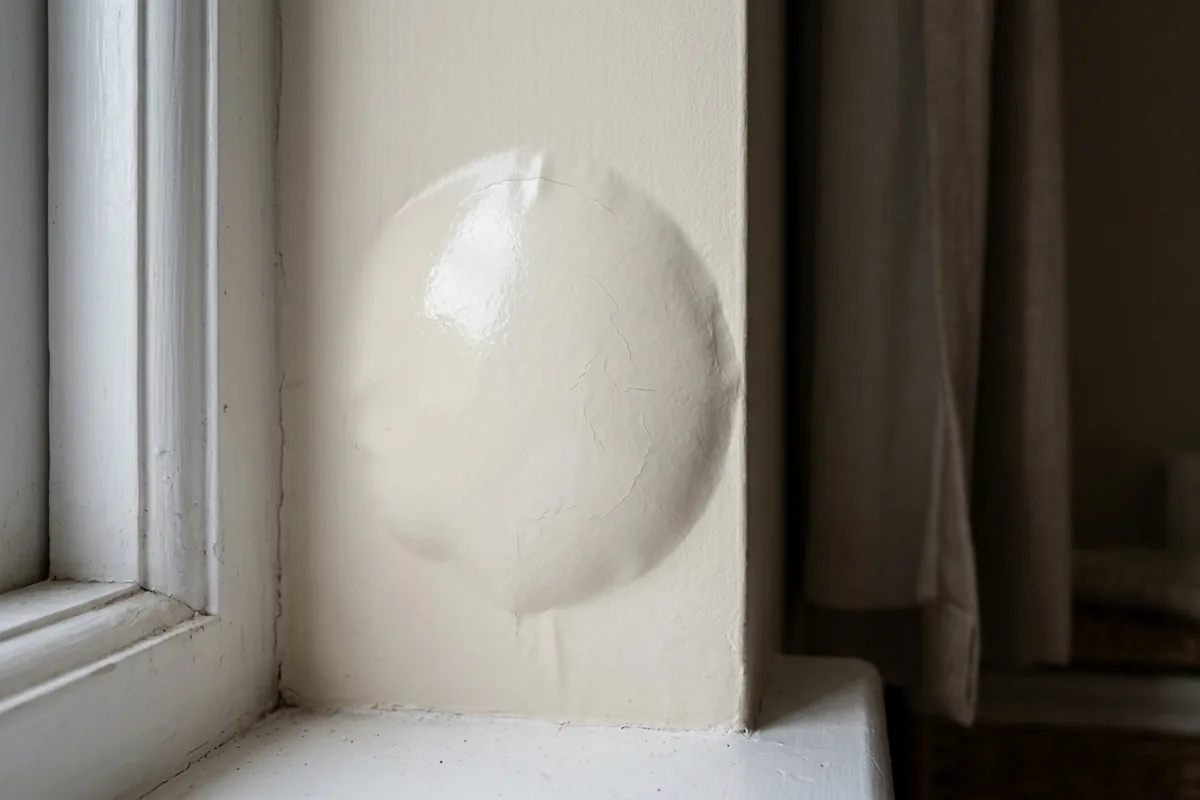
If you notice visible mould on walls, skirting boards or the wardrobe itself, clean it with a suitable mould remover or diluted disinfectant, wear gloves and ventilate the room. Widespread or returning mould on walls can point to a bigger damp issue, which is one to raise with a landlord or a damp specialist rather than just masking the smell.
When to use dehumidifiers, scents and liners
Once you have tackled moisture and basic airflow, you can use a few extras to keep things smelling pleasant without creating a sweaty, sealed box.
If the room itself is humid
If you regularly see condensation on bedroom windows or have a small, poorly ventilated flat:
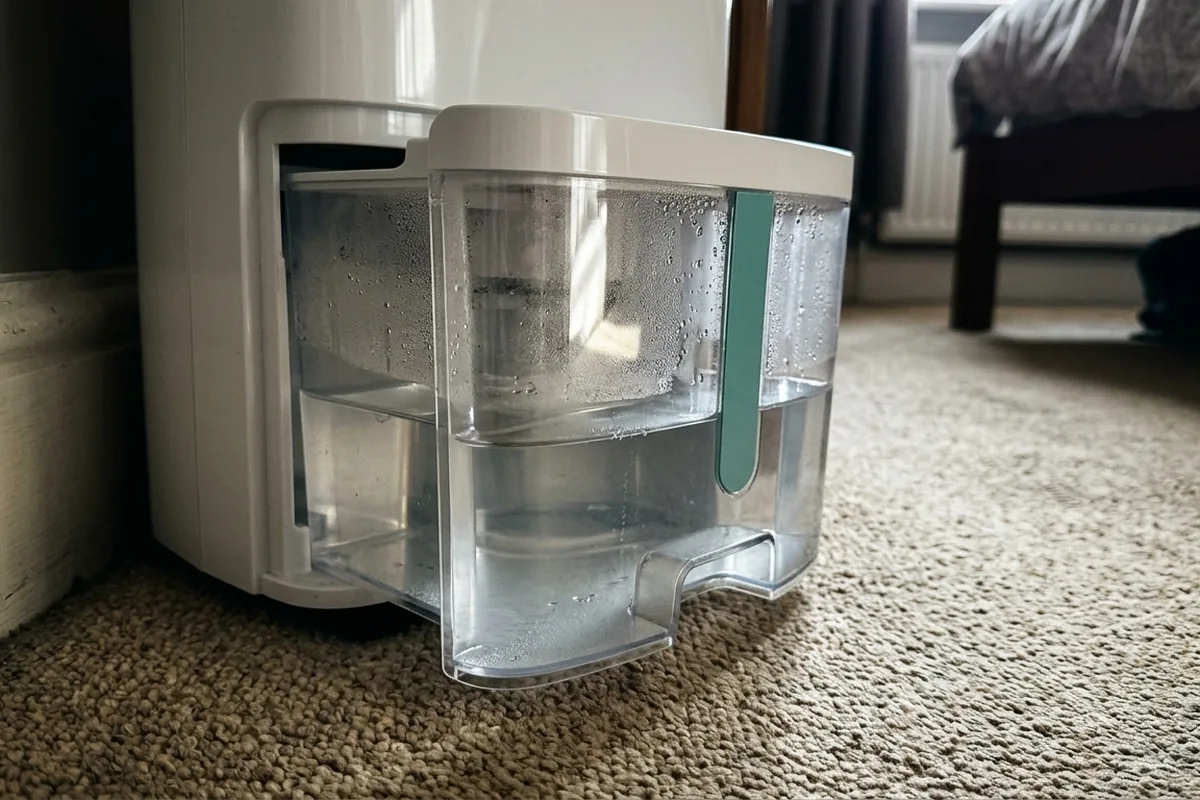
- A room dehumidifier can make a big difference. Run it in the bedroom or landing with wardrobe doors slightly open now and again so moisture is taken from the air before it settles in cupboards.
- Keep it on a timer or humidity setting if available, so you are not over-drying the air.
If you like a stronger scent
You can layer scent carefully, but avoid anything that clings as a film:
- Lightly spritz linen spray or diluted fabric freshener onto hangers or the inside of the doors, not directly onto all your clothes. Test on an old hanger first.
- Pop a bar of soap (still in its cardboard) into a small dish on a shelf. It scents the space gently and stays dry.
- Replace scented sachets every few months; once they are old, they can just smell stale.
Avoid spraying neat perfume or heavy oils inside the wardrobe; they can linger, stain fabrics and do nothing about moisture.
If you want liners or organisers
Liners and storage boxes can help, but choose breathable options:
- Go for cotton or canvas storage boxes for jumpers, not plastic crates with tight lids.
- Use paper or cork drawer liners rather than sticky plastic. You can add a drop of essential oil to the underside of the paper, but keep it light and let it dry fully before putting clothes back.
- Rotate shoes so they are not all jammed at the back. Let damp shoes from a rainy day dry in the hallway or utility room first, not straight into the wardrobe.
If, after all this, the wardrobe still smells musty within a day of closing it, there is still a moisture source to find: damp clothes, a cold wall, a hidden leak nearby or a room that never really dries out. Sorting that will always do more than any number of sachets or sprays.