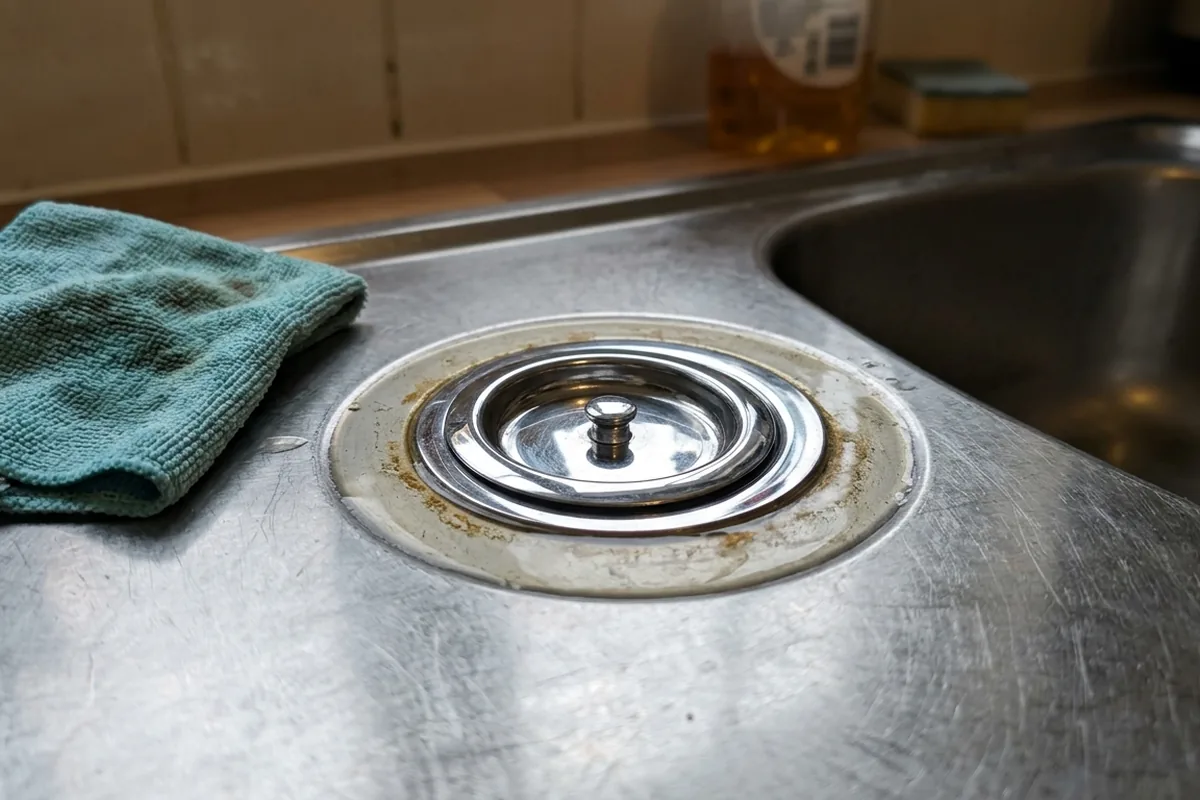
That faint whiff of drains when you walk into the kitchen, even though the sink is empty and the bowl is gleaming, usually isn’t about how well you’ve wiped the surface. In most UK kitchens the smell is coming from hidden grime in the plughole, overflow or trap, or from stale water sitting in pipes. Wiping the stainless steel and spraying a bit of disinfectant helps the top, but it does nothing for the film of fat, food and bacteria coating the bits you can’t see.
The quickest win is usually to clean the plughole, strainer, overflow and the first bit of pipework properly, then flush with very hot (not boiling) water. If the smell disappears for a day then creeps back, the problem is deeper in the trap or waste pipe, or there may be an issue with the U‑bend not holding water.
The real reasons a “clean” sink still smells
Even a shiny sink can hide a lot. Smells tend to come from one or more of these spots.
- Plughole and strainer: Food slime and grease cling just under the lip of the plughole and around the basket strainer. It can look fine from above but feel slippery if you run a cloth round inside.
- Overflow channel: That narrow slot near the top of the bowl often collects old washing-up water, fat and even bits of food. It’s rarely rinsed properly, so it’s a common source of that sour, stale odour.
- U‑bend (trap): The curved bit of pipe under the sink is designed to hold water as a seal against drain smells. If it’s partially blocked with fat and food, the trapped muck can rot and smell. If it dries out (for example in a rarely used utility sink), smells from the main waste pipe can drift straight back up.
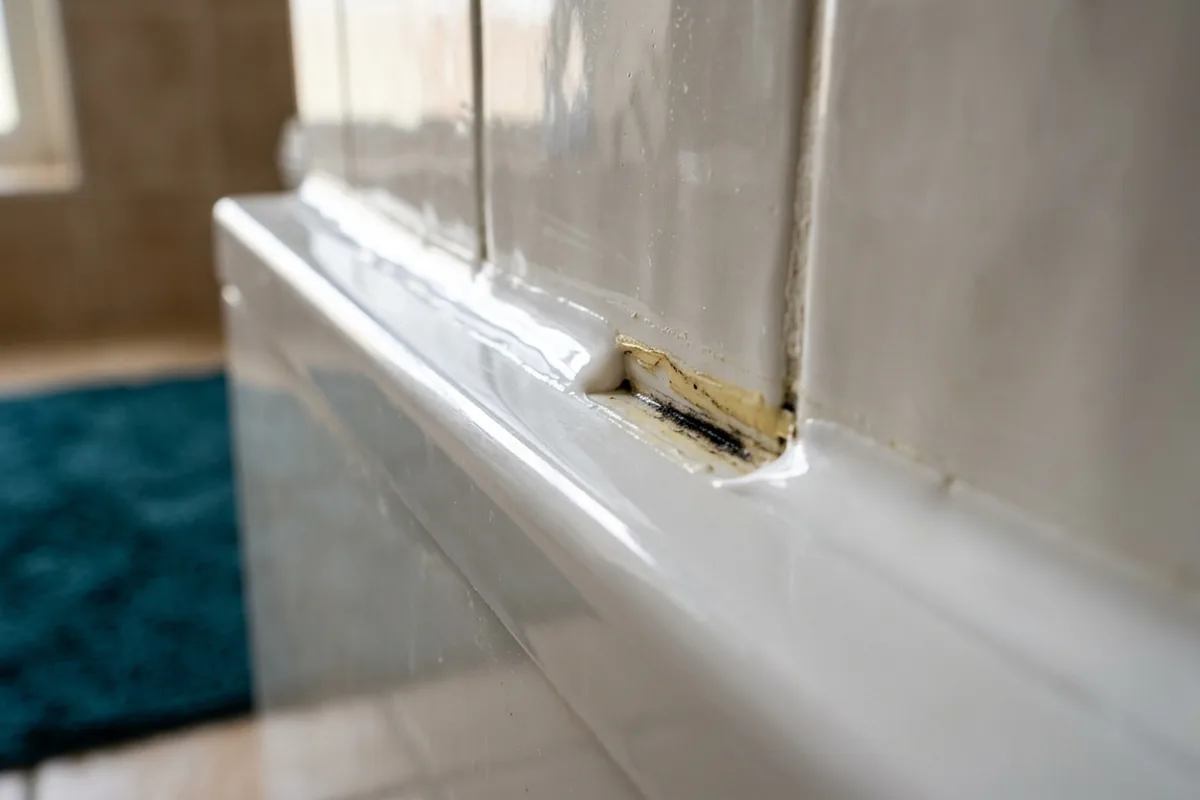
- Gunked-up seal between sink and worktop: Old silicone around the edge of the sink can harbour mould and bacteria, especially if it stays damp. This usually gives a musty, “off” smell more than a drain stink.
- Waste pipe issues: In some older or DIY-fitted kitchens, the waste pipe may not fall correctly, so dirty water sits in a low spot and turns stagnant. That can send odours back up even when everything looks spotless.
In a typical terraced house or flat, the giveaway is a stronger smell when you run the tap or use the dishwasher, because fresh water is disturbing stale water or sludge in the pipe.
What to clean first when the smell won’t go
Start with the parts you can reach easily and safely. You don’t need anything fancy, just patience and the right order.
1. Plughole and strainer
Use hot, soapy water and a small brush (an old toothbrush is ideal).
- Lift out the strainer or plug.
- Scrub the metal or plastic parts, including the underside.
- Run the brush around the inside of the plughole where the metal meets the sink; this rim is often coated in slime.
- Rinse with very hot tap water.
A mix of bicarbonate of soda followed by hot water can help loosen light grime and neutralise mild odours, but it won’t clear a serious blockage. It’s best as a maintenance step, not a cure-all.
2. Overflow channel
This is a common blind spot. If the smell is strongest when you sniff near the overflow, tackle that next.
- Push a damp cloth over the plughole so water doesn’t just pour away.
- Fill the sink until water starts to run into the overflow. Add a squirt of washing-up liquid.
- Use a narrow bottle brush or a folded pipe cleaner to gently scrub inside the overflow opening.
- Let the water drain and then flush with more hot water.
Avoid pouring neat bleach into the overflow as a first move. Bleach can mask smells without removing the slime, and if you later use vinegar or another acidic cleaner you must not mix the two. If you do use bleach, rinse thoroughly and never add vinegar or other cleaners on top.
3. Under-sink trap (without going full plumber)
You don’t have to dismantle pipes to get some benefit.
- Run the hot tap for a couple of minutes to warm the pipework.
- Pour a generous amount of hot (not boiling) water down the plughole.
- If the trap is accessible, gently feel it: if it’s very hot, your flush has reached it.
If the sink is slow-draining as well as smelly, the trap may be partially blocked. At that point, either use a simple hand plunger (with a wet cloth blocking the overflow) or consider asking a plumber to remove and clean the trap, especially if you’re in a rented flat and don’t want to risk a leak.
When the smell points to a deeper problem
Once you’ve done a good surface and shallow clean, what happens next tells you a lot. The pattern of the smell can help you work out where to look.
Here’s a quick guide:
| Where the smell is strongest | Likely source | First check |
|---|---|---|
| Directly at plughole | Food and grease in strainer or upper pipe | Scrub plughole and strainer, flush with hot water |
| Near overflow slot | Stagnant water and slime in overflow | Brush out overflow and flush while sink is full |
| Inside under-sink cupboard | Leaky trap, damp wood or mould | Check for drips, wet patches and black spots |
| Whole kitchen, worse in mornings | Waste pipe or outside drain odours | Look and sniff near outside gully when water runs |
| Only after long periods unused | Trap water evaporating | Run tap for 20–30 seconds to refill trap |
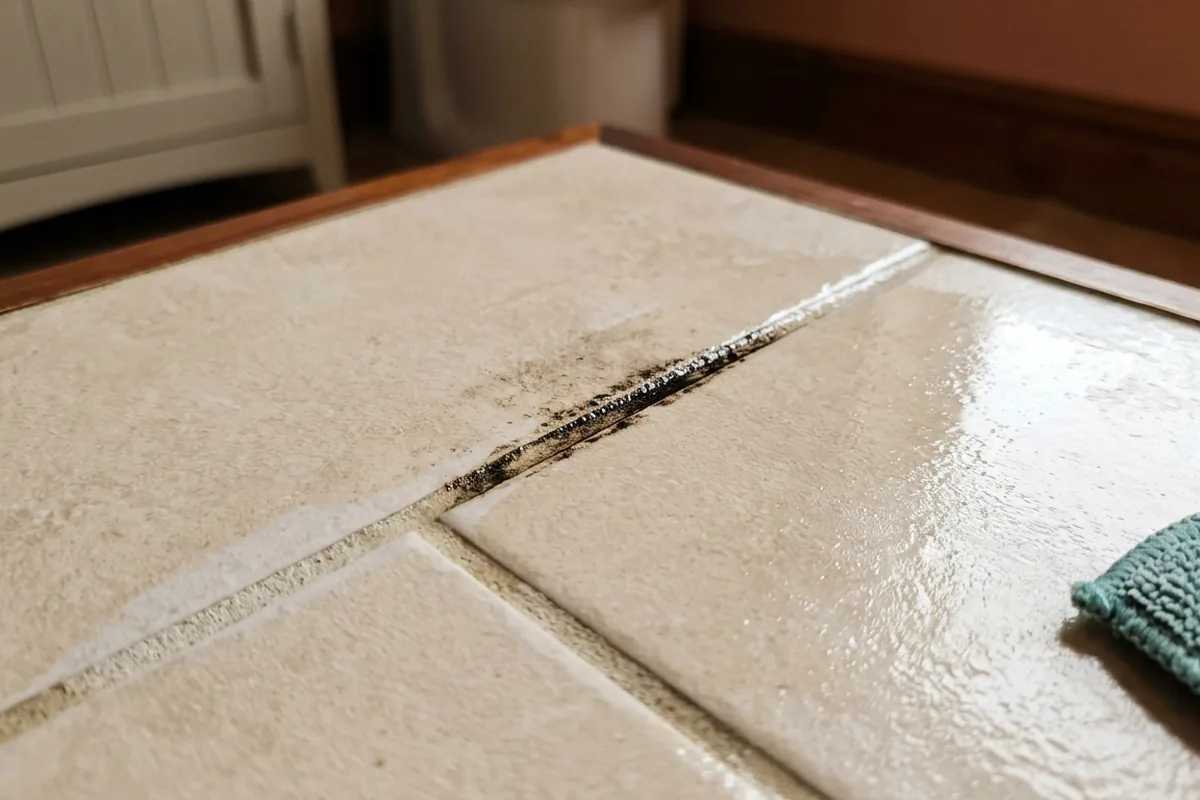
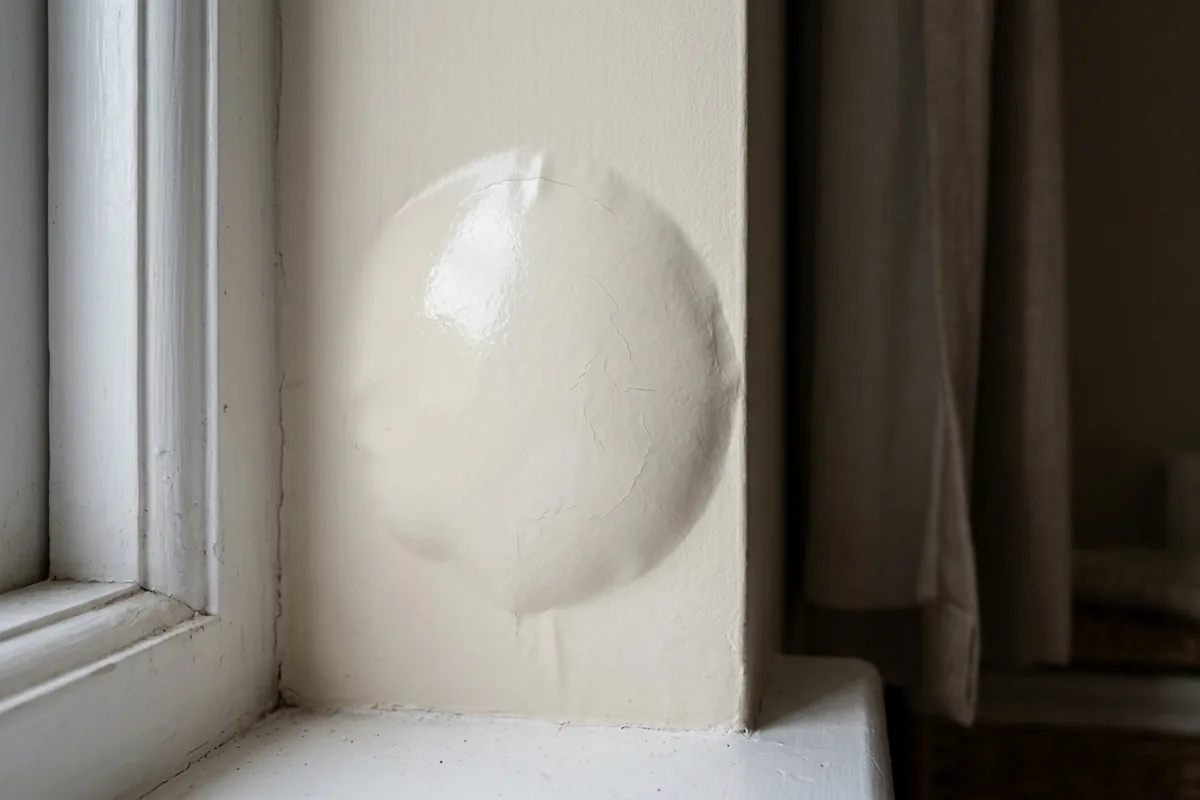
If you find damp skirting boards, swollen chipboard in the under-sink cupboard or mouldy silicone, the smell may be from damp rather than the drain itself. Fixing that usually means:
- Drying the area thoroughly.
- Replacing mouldy silicone around the sink.
- Getting any slow leaks on joints or the trap repaired.
Where smells seem to come from the outside gully or shared waste (common in terraces and maisonettes), there may be a build-up of food waste or fat outside. You can often see this by lifting the gully grid and looking for a grey, waxy layer. Light debris can sometimes be lifted out with a gloved hand, but if water is backing up or you’re unsure how the drains run, a professional drain service is safer.
If you ever notice strong sewage smells, gurgling from other fixtures, or multiple drains in the home smelling at once, that can point to a wider drainage or venting issue. That’s beyond normal DIY and worth raising with your landlord, managing agent or a qualified plumber.
When the sink finally smells neutral again, the key is to keep the hidden parts clean: a quick scrub of the plughole and overflow every week or so, plus avoiding tipping fat and food scraps down the drain, usually stops the problem returning.