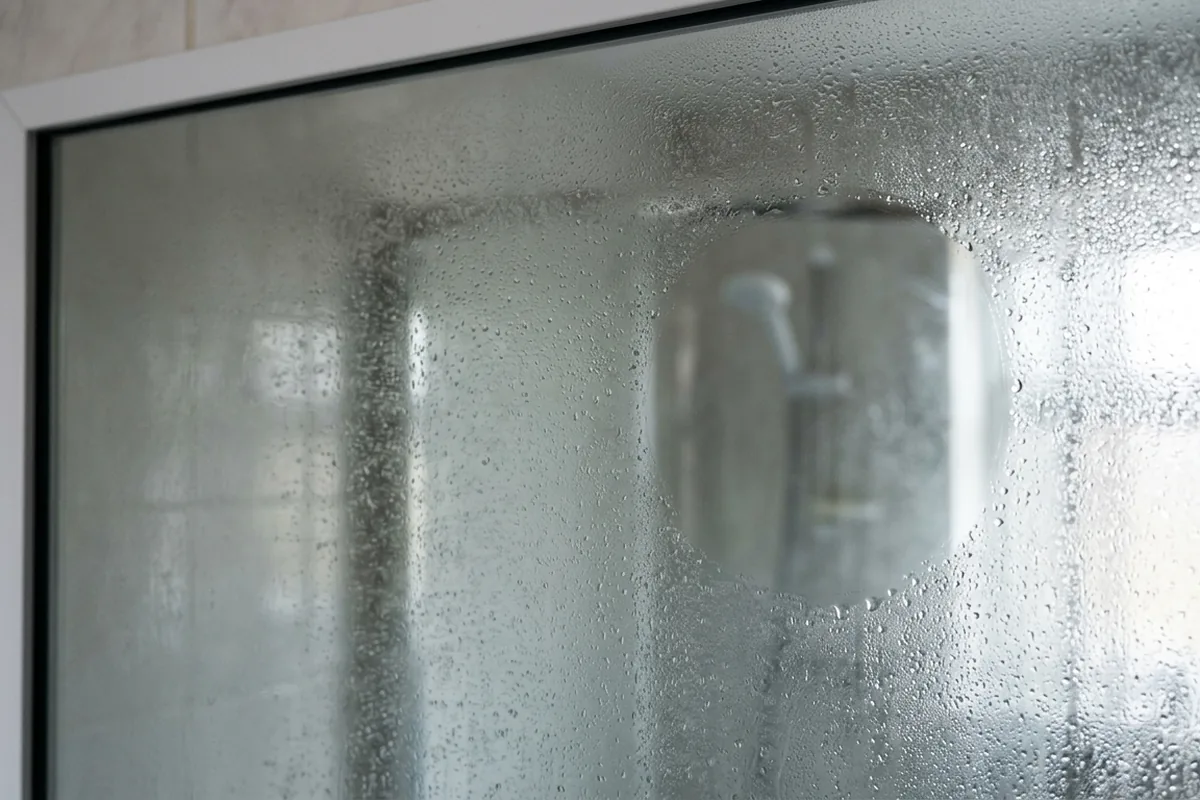
That moment you step out of a hot shower and can’t see a thing in the mirror is all about warm, wet air hitting a cold surface. Steam from the shower fills the room, the mirror stays relatively cool, and water from the air condenses into tiny droplets on the glass. The faster your mirror fogs, the more moisture and heat you’ve got in a small space, and the poorer the ventilation.
In a typical UK bathroom with a small window or a tired extractor fan, hot showers, lots of steam and a cold mirror are the perfect recipe for instant fog. If you want it to stay clear, you either need to warm the mirror up, move the steam away more quickly or give the moisture somewhere else to go.
The simple reason your mirror mists over so fast
When you run a hot shower, the air in the bathroom quickly becomes warm and humid. Your mirror, especially if it’s on an outside wall or above a cool tiled splashback, usually lags behind and stays cooler than the air.
Once the warm, moist air touches this cooler glass, it drops some of its water as condensation. That shows up as a foggy film of tiny droplets. The bigger the difference between:
- the air temperature and
- the mirror surface temperature,
the quicker that fog appears.
In many UK homes, bathrooms are:
- small,
- poorly heated,
- and not very well ventilated.
So the steam from even a five‑minute shower can overwhelm the space in seconds. If the radiator or towel rail is off, the mirror will be especially cold, which is why it can mist almost immediately.
A few things that make it worse:
- No or weak extractor fan, or not running it long enough.
- Window kept shut, especially in winter.
- Outside wall mirror, which stays colder.
- Very hot showers, which create more steam than a lukewarm one.
None of this usually means anything is “wrong” with the mirror itself. It’s simply doing what any cold surface does when hit with steamy air.
What you can change to slow the fogging
You can’t stop steam forming, but you can reduce how much hits the mirror or how much sticks to it.
Start with airflow and temperature, as they have the biggest impact and don’t involve fancy products.
Improve ventilation:
- Switch the extractor fan on before you start the shower and leave it running for at least 15–20 minutes afterwards.
- If you have a window, open it slightly at the top once you’re in the shower, even in winter. A small gap helps pull steam out.
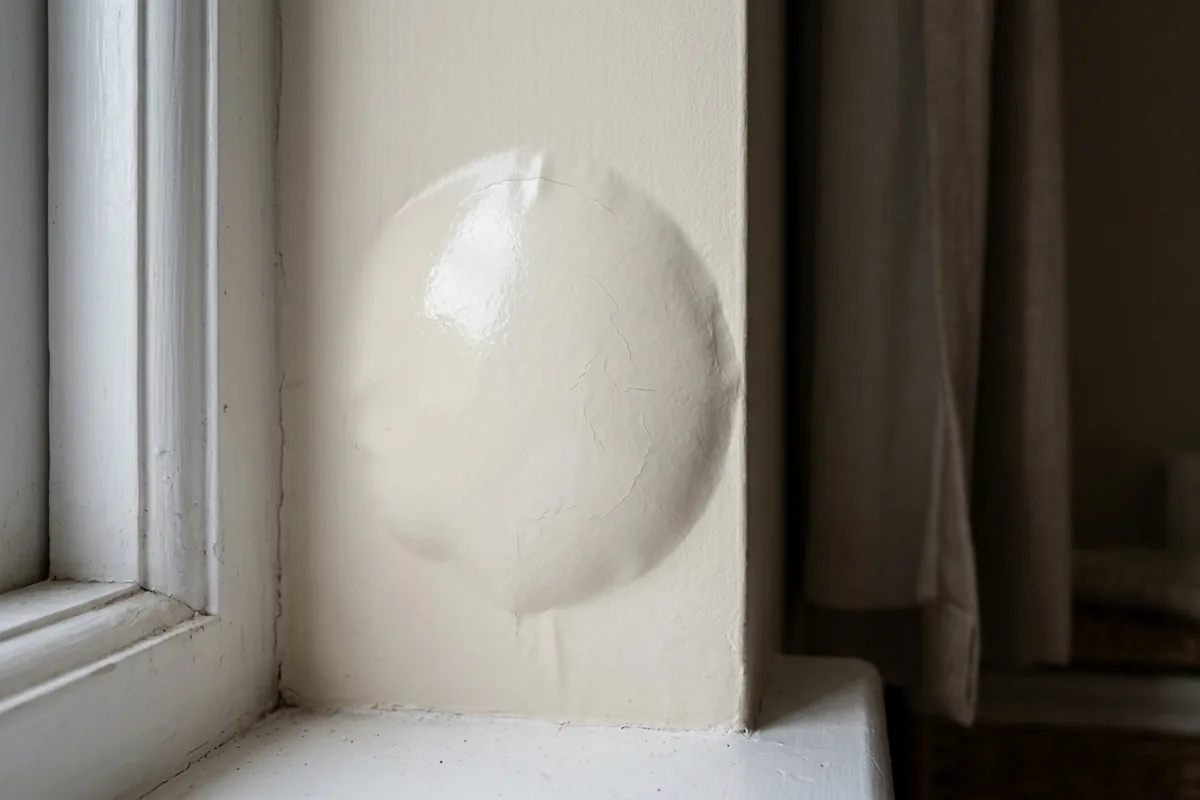
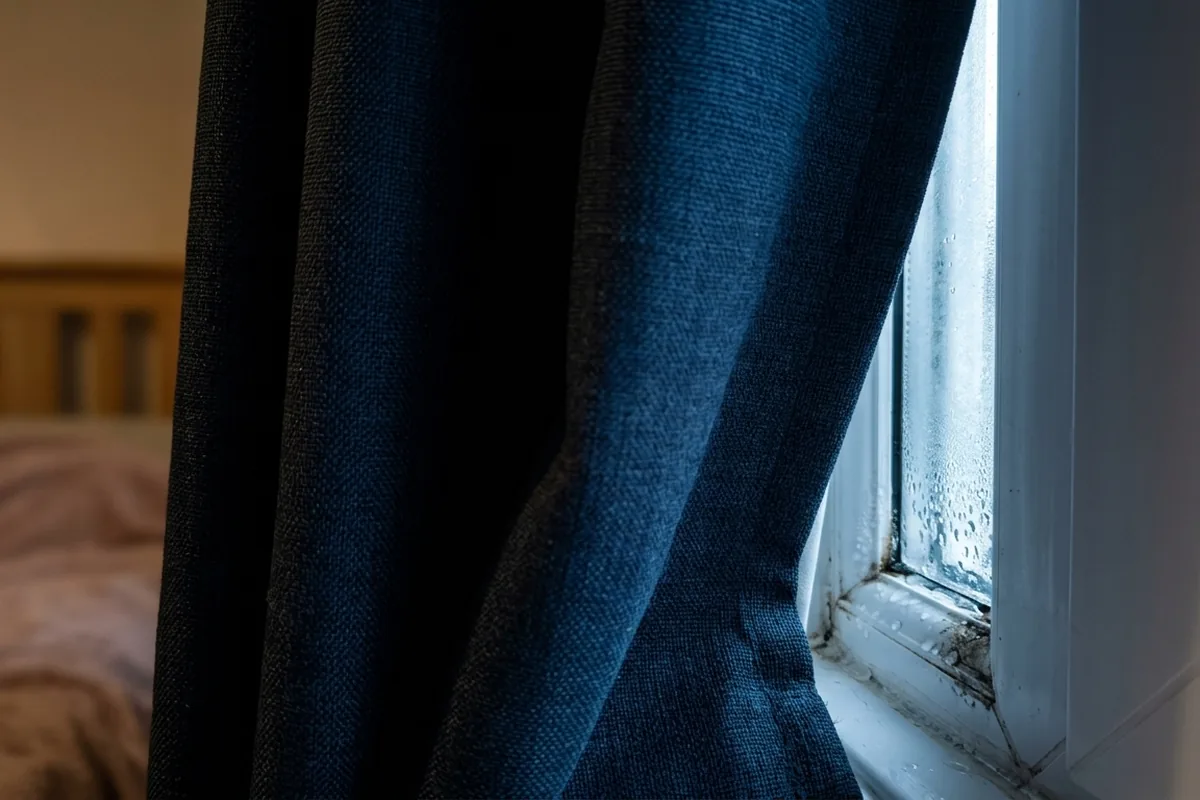
- Keep the bathroom door closed so the moisture doesn’t drift into the landing and bedrooms, where it can cause condensation on windows and even damp skirting boards.
Warm the room and mirror:
- Have the radiator or heated towel rail on so the bathroom isn’t starting from cold.
- If the mirror is directly on an outside wall, that wall may stay chilly. A heated mirror pad (fitted behind the glass by a competent person) can keep the surface warm enough to resist fogging.
Give the moisture somewhere else to go:
- A shower screen holds back a lot more steam than a curtain.
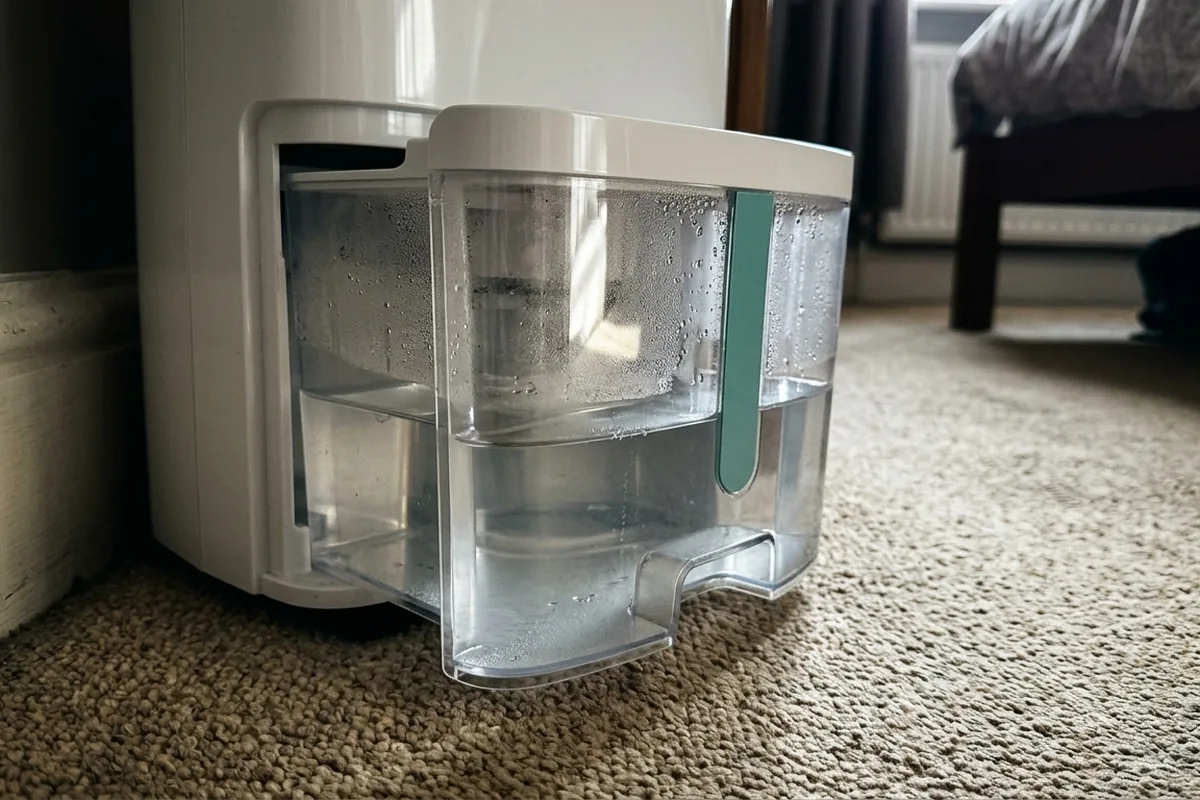
- A small dehumidifier in a very damp bathroom can help keep overall moisture down, especially in a terraced house or flat where bathrooms are internal.
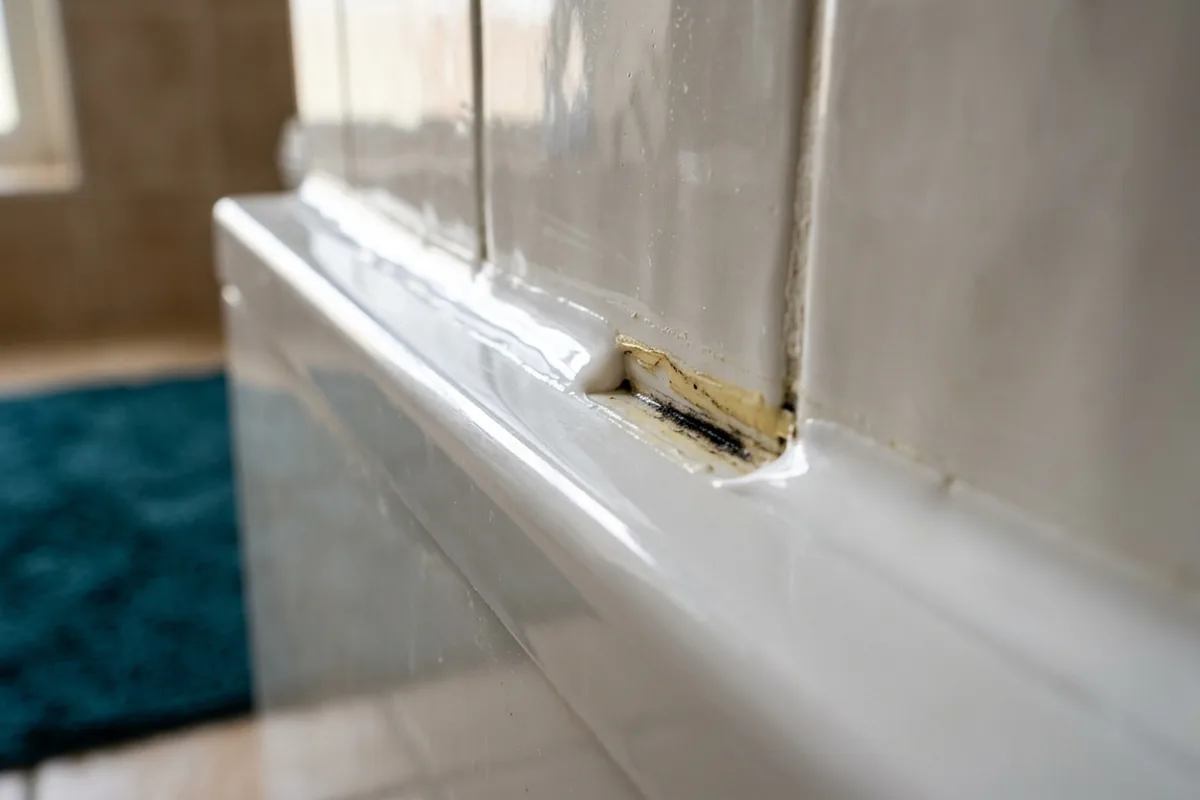
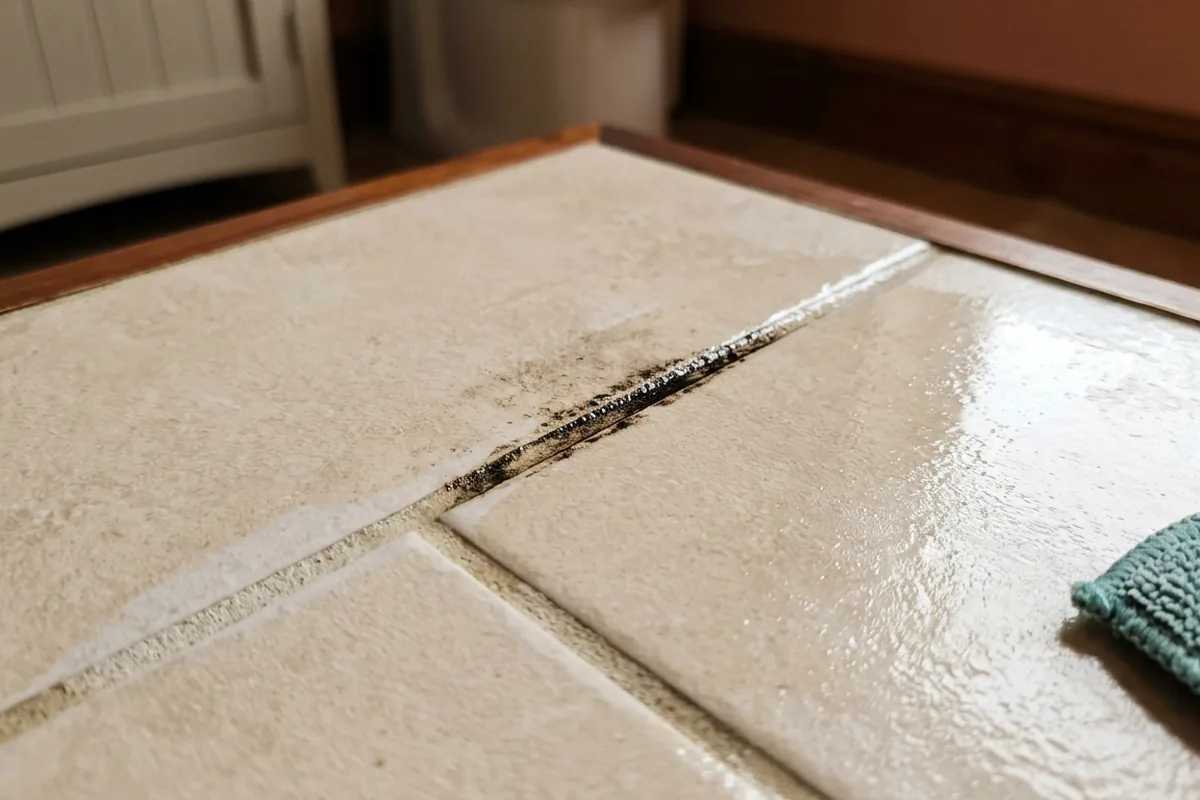
These changes won’t give you a perfectly clear mirror every time, but they usually slow the fogging and help the room dry out more quickly, which also reduces mould on grout and silicone sealant.
Quick tricks to see the mirror sooner
If you mainly care about being able to see your face straight after a shower, a couple of simple habits can make a difference, even if the room still steams up.
Use a microfibre cloth or squeegee
Keep a microfibre cloth or a small window squeegee in the bathroom. After your shower:
- Run the squeegee over the glass to remove most of the droplets.
- Buff the remaining moisture with the cloth.
This doesn’t stop fogging, but it clears a usable patch in seconds without smearing.
Try a light washing-up liquid film
A very thin film of washing-up liquid can make water sheet off instead of forming misty droplets:
1. Put a drop of washing-up liquid on a damp cloth.
2. Wipe the mirror all over.
3. Buff it with a dry microfibre cloth until it looks clear, not smeary.
This creates a mild “anti-fog” effect for a few days. It works best if the mirror is already very clean and free of old product residue.
Anti-fog products and coatings
There are dedicated anti-fog sprays and wipes sold for glass and mirrors, including in DIY chains like B&Q. They usually:
- work better and last longer than washing-up liquid,
- need reapplying every so often,
- still rely on decent ventilation to perform well.
Avoid getting these products on painted walls, natural stone tiles or wooden frames, and follow the label. If your mirror has decorative coatings or bevelled edges, test a tiny corner first.
If you find you’re constantly fighting fog despite trying these tricks, it’s usually a sign your bathroom ventilation isn’t keeping up with the steam, rather than a problem with the mirror itself.
A good test is tomorrow’s shower: switch the fan on early, crack the window a touch and have the heating on. If the mirror fogs more slowly and the room dries quicker, you’re on the right track; keep nudging ventilation and warmth until it becomes routine.