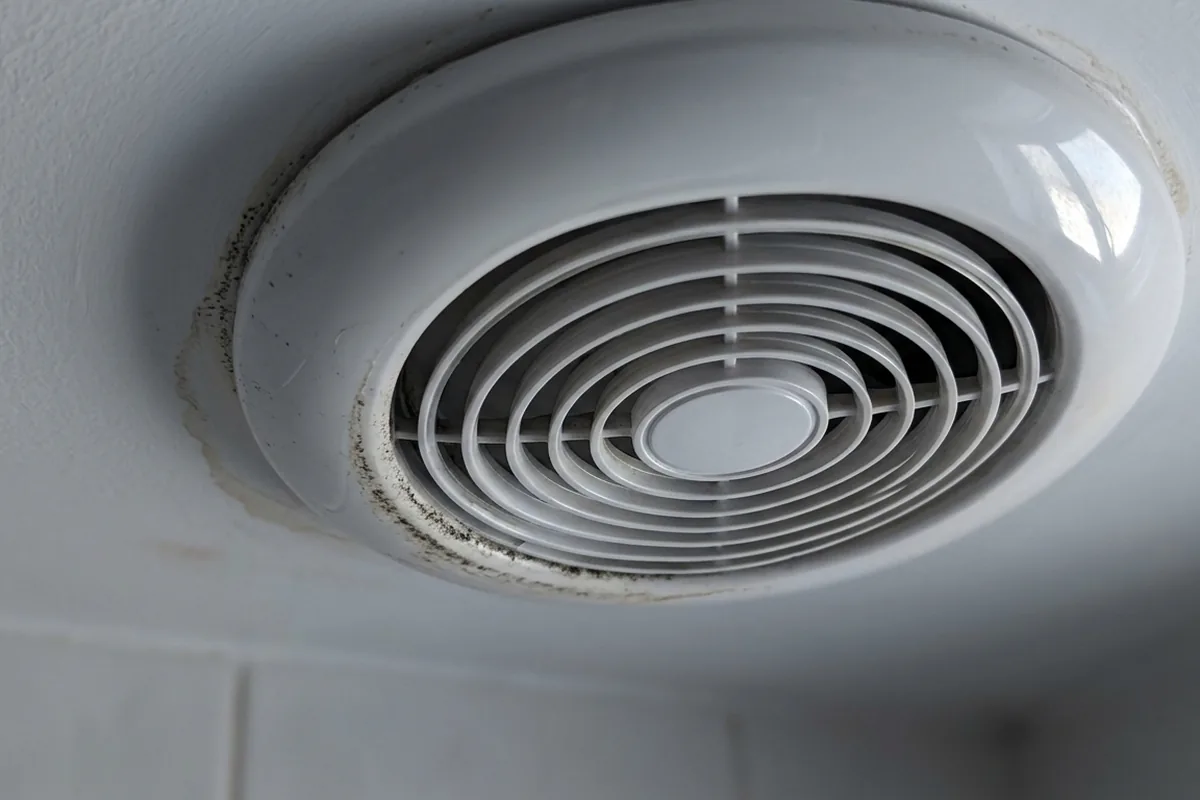
That patch of black mould above the shower, the musty smell in a small bathroom, or silicone sealant that keeps going speckly even after you scrub it – all of that can still happen even when the bathroom extractor fan is on every day. In some homes, the fan can quietly make things worse by dragging damp air into the wrong places, recirculating steam or simply giving you a false sense of security so you shut the door and ignore the condensation on the tiles and window.
The blunt truth is this: a bathroom fan only helps if it actually removes moist air to outside and moves enough of it. A weak, dirty, wrongly wired or badly ducted fan can leave moisture sitting on cold walls, in the loft, or behind plasterboard, which is exactly what mould wants. So the first job is not buying a stronger spray – it’s checking whether the fan is genuinely doing what you think it is.
If the mirror only clears slowly, the window is still running with water half an hour after a shower, or you can smell a faint earthy odour around the window board or ceiling, your fan is probably underperforming.
How a “helpful” bathroom fan can quietly feed mould
A bathroom extractor is simply meant to remove warm, moist air before it condenses on cold surfaces. When anything in that chain is wrong, the fan can help mould spread rather than stop it.
The most common ways this happens are surprisingly basic.
- Fan not actually venting outside: In some rented flats and older terraces, the fan just blows into a loft, cavity or boxed-in void rather than through an external wall or roof vent. That hidden, constantly damp airspace can grow mould that then creeps back into the bathroom via gaps and vents.
- Backdrafts and cold air: If the ducting has no proper backdraught shutter, or the external grille is damaged, cold outside air can be drawn back in when the fan is off. That cools the bathroom surfaces, so when you shower, moisture condenses faster and stays wet for longer.
- Fan too weak for the room: A tiny fan in a large family bathroom, or a fan set to run for only a minute or two after the light goes off, simply doesn’t move enough air. You feel like you’re “using the fan”, but the moisture is still there, clinging to grout lines and the ceiling.
- Clogged with dust and fluff: A fan choked with dust, or a grille blocked by years of paint, can lose a huge chunk of its airflow. You’ll still hear a hum, but it’s barely shifting any steam, so condensation settles on cold corners and around window seals.
- Uninsulated or sagging ducting: Flexible ducting running through a cold loft, especially if it sags, can collect water inside. That can drip back, keep the duct permanently damp, and give mould a long, hidden run.
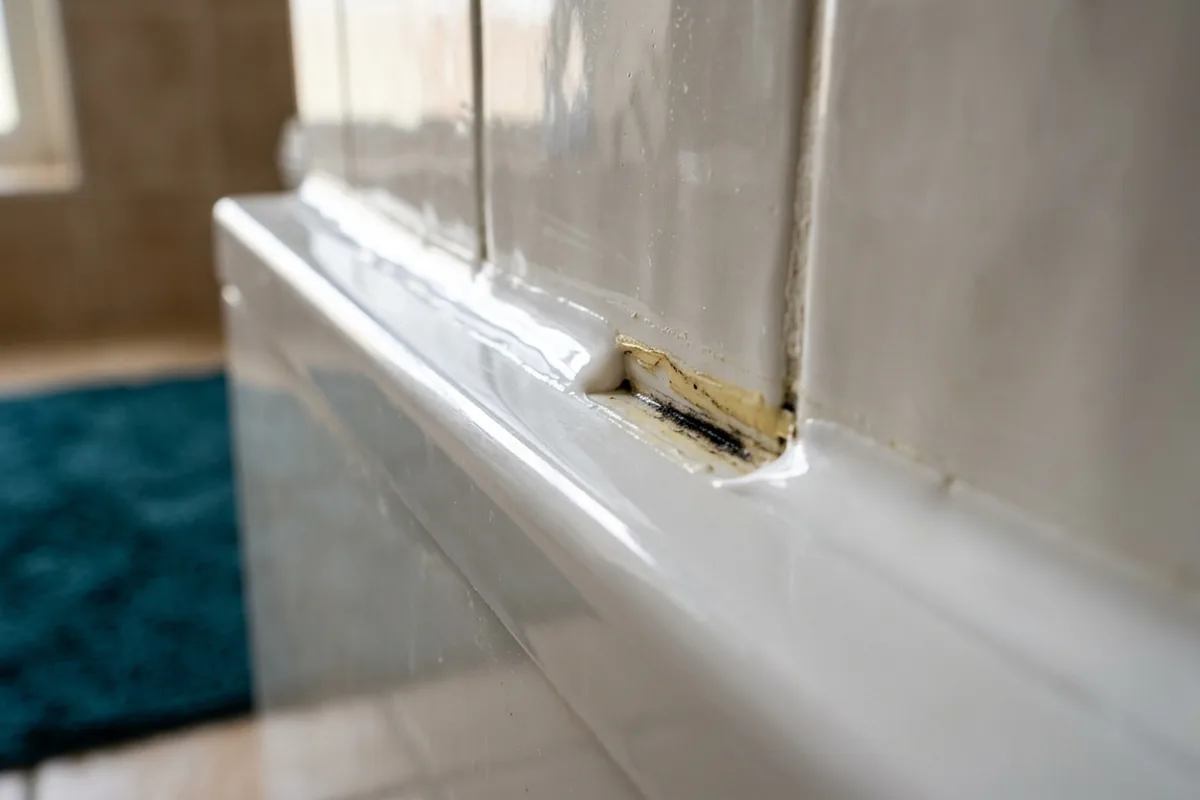
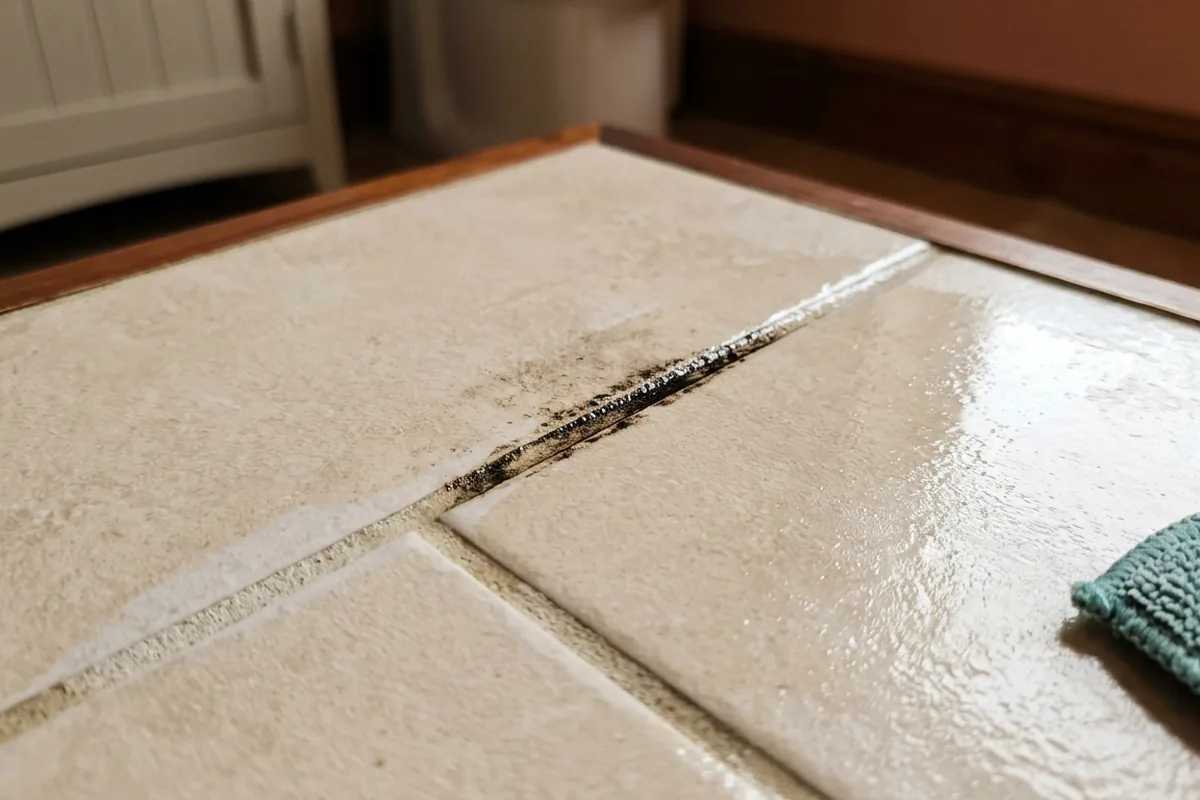
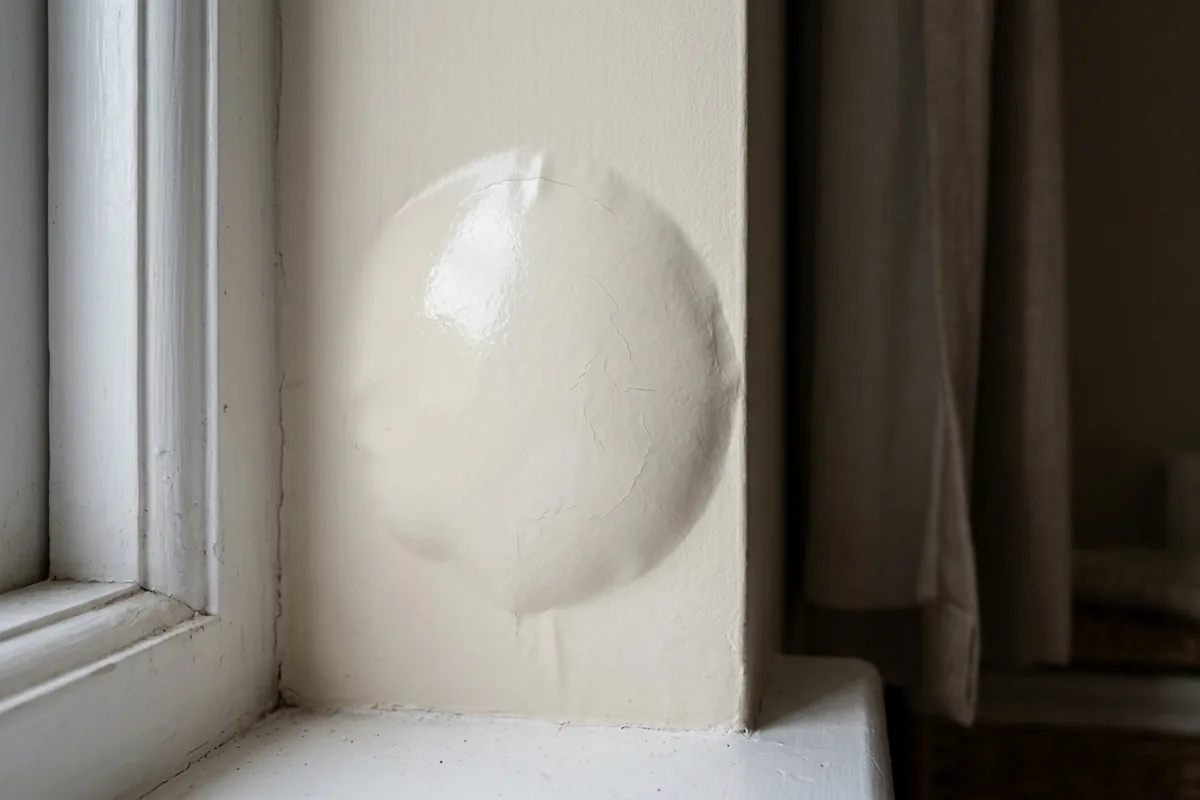
The result is familiar: persistent black spots on silicone sealant, brownish staining on a painted ceiling, or a whiff of damp when you first open the bathroom door, despite “always using the fan”.
Quick checks to see if your fan is part of the mould problem
You don’t need tools to do a few safe checks that often reveal the issue. Focus on whether the fan is actually clearing moisture and where that air is going.
Start with what you can see and feel:
- With a hot shower running and the door shut, hold a small piece of toilet paper or kitchen roll gently against the fan grille. It should stick firmly. If it barely moves or falls straight off, airflow is poor.
- After a normal shower, look at the condensation on tiles, mirror and any window. If 20–30 minutes later, with the fan running and the door slightly ajar, surfaces are still wet and the room feels steamy, the fan isn’t coping.
- From outside (ground level only – don’t climb on wet roofs), see if there is an external vent grille where the fan should exit. On a cold day you may see steam coming out. If you can’t find a vent at all, or it’s clearly blocked with fluff or cobwebs, that’s a red flag.
Here’s a simple way to match what you’re seeing with what to check first:
| Sign at home | What it may mean | First check |
|---|---|---|
| Fan noisy but mirror stays foggy | Poor airflow or weak fan | Tissue test on grille; clean dust from cover |
| Musty smell near ceiling or loft hatch | Moist air venting into loft | Look for external vent; ask who installed it if unsure |
| Cold draught from fan in winter | No effective backdraught shutter | Check for broken flap at external vent |
| Condensation worse when door is shut | Fan starved of make-up air | Try leaving door slightly open during and after shower |
If any of those point to hidden ducting issues, it’s usually best not to start dismantling things yourself, especially if the fan is wired into the lighting circuit. Anything involving electrics or cutting into walls is one for a qualified electrician or competent bathroom installer.
Simple tweaks that stop the fan feeding mould
Once you know the fan is at least venting outside, small changes to how you use it – and a bit of basic cleaning – can make a big difference to mould and condensation.
First, change how long and when you run it. Many UK bathrooms have fans wired to the light with an overrun timer. A common mistake is setting this to only a couple of minutes to avoid noise. For a shower room, you usually want:
- Fan on while you shower, not after you finish only.
- Overrun of at least 15 minutes, sometimes 20, especially in a small, windowless bathroom.
If your fan only comes on with the light and you like showering in semi-darkness, the fan may hardly ever run at all.
Second, give the fan air to work with. A fan can’t suck out steam if no fresh air can get in:
- Leave the door slightly open or make sure there’s a decent gap under it.
- Avoid blocking any trickle vents in bathroom windows.
- In a very small, sealed bathroom in a modern flat, cracking a nearby window for a short while after a shower can help, as long as it doesn’t make the room freezing.
Third, clean the fan and nearby surfaces. Turn off the power at the isolator switch if you have one (often outside the bathroom or above the door), or at the consumer unit if needed, then:
- Gently vacuum or dust the grille.
- Wipe the cover with a damp microfibre cloth and a bit of mild washing-up liquid solution.
- Avoid soaking the motor or spraying cleaner directly into the fan.
At the same time, tackle existing mould on tiles, grout and silicone with a mould remover or diluted bleach, following the label, wearing gloves and ventilating the room. Don’t mix bleach with vinegar or any other cleaner. If the silicone is badly blackened deep inside, it may need cutting out and replacing rather than endless spraying.
When the fan itself needs upgrading
If your fan passes the basic checks but still struggles – especially in a busy family home with back-to-back showers – it may simply not be powerful or quiet enough for how you use the room.
Good reasons to look at a new fan (via a qualified electrician) include:
- A very old, noisy fan that barely moves air even when clean.
- A bathroom with no window and a fan rated below what’s recommended for the room size.
- Continual mould on the ceiling or around a cold outside wall despite good cleaning and habits.
Modern fans are often quieter and more efficient, and some have humidity sensors that keep them running until the moisture drops, which helps if people forget to leave the fan on.
Upgrading won’t fix every damp problem – for example, penetrating damp on an outside wall or leaks from above need separate attention – but a decent extractor is often a key part of stopping mould from coming back.
—
If you walk into the bathroom tomorrow and the mirror has cleared, the ceiling feels dry and there’s no fresh musty whiff, your fan is finally doing its real job: getting the moisture out, not hiding it. If, despite all this, mould keeps returning or you suspect the fan is dumping air into a loft, it’s worth pausing DIY and getting someone competent to check the installation before the hidden damp spreads further.