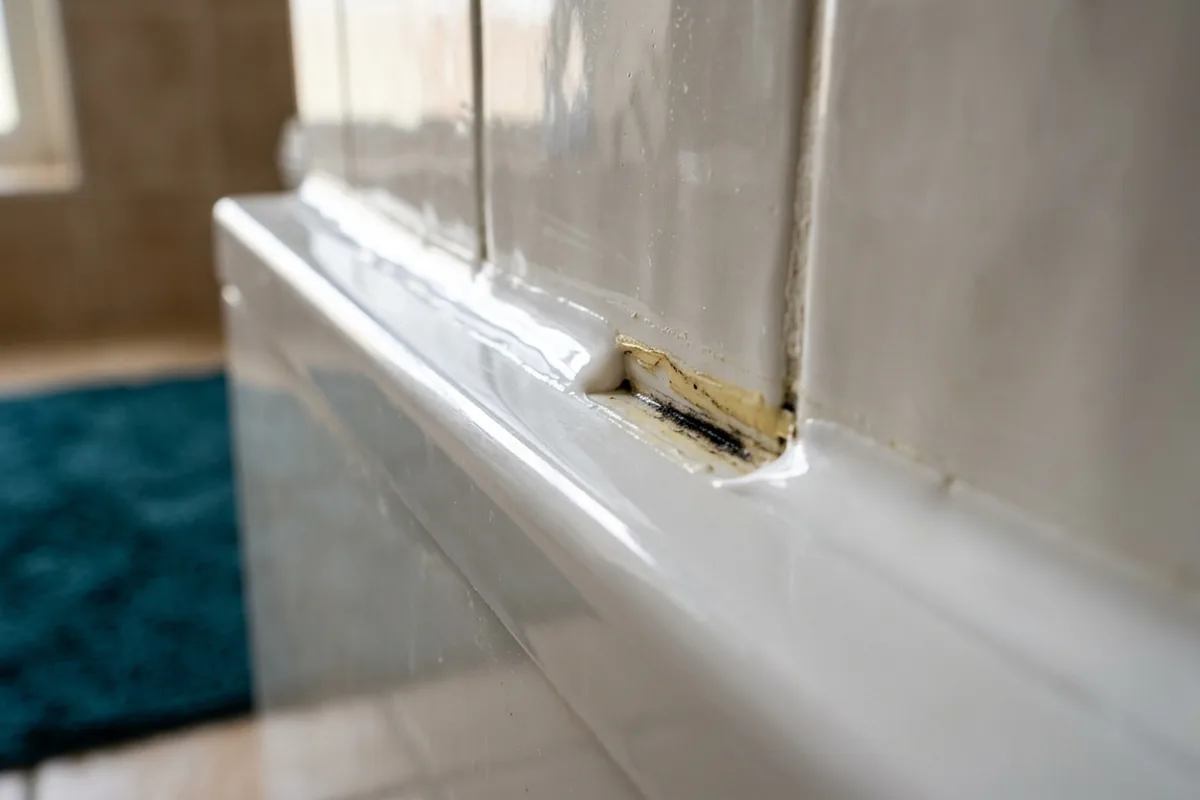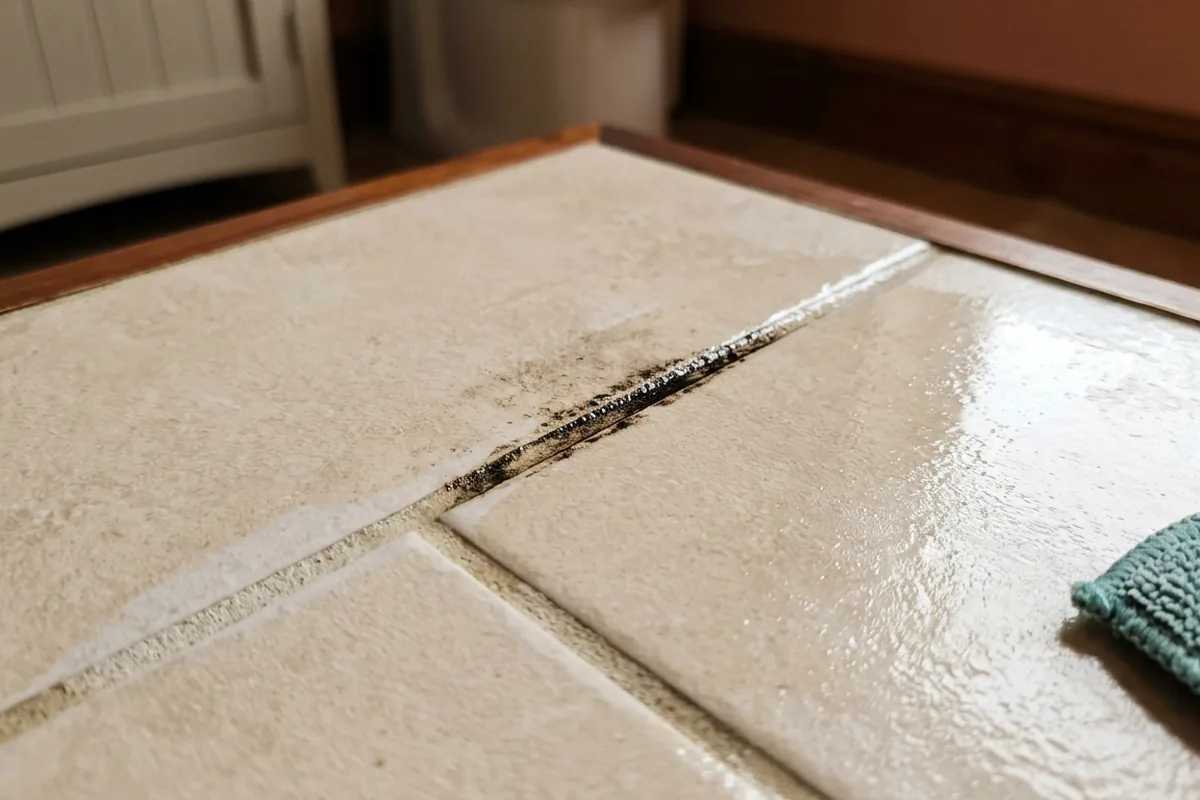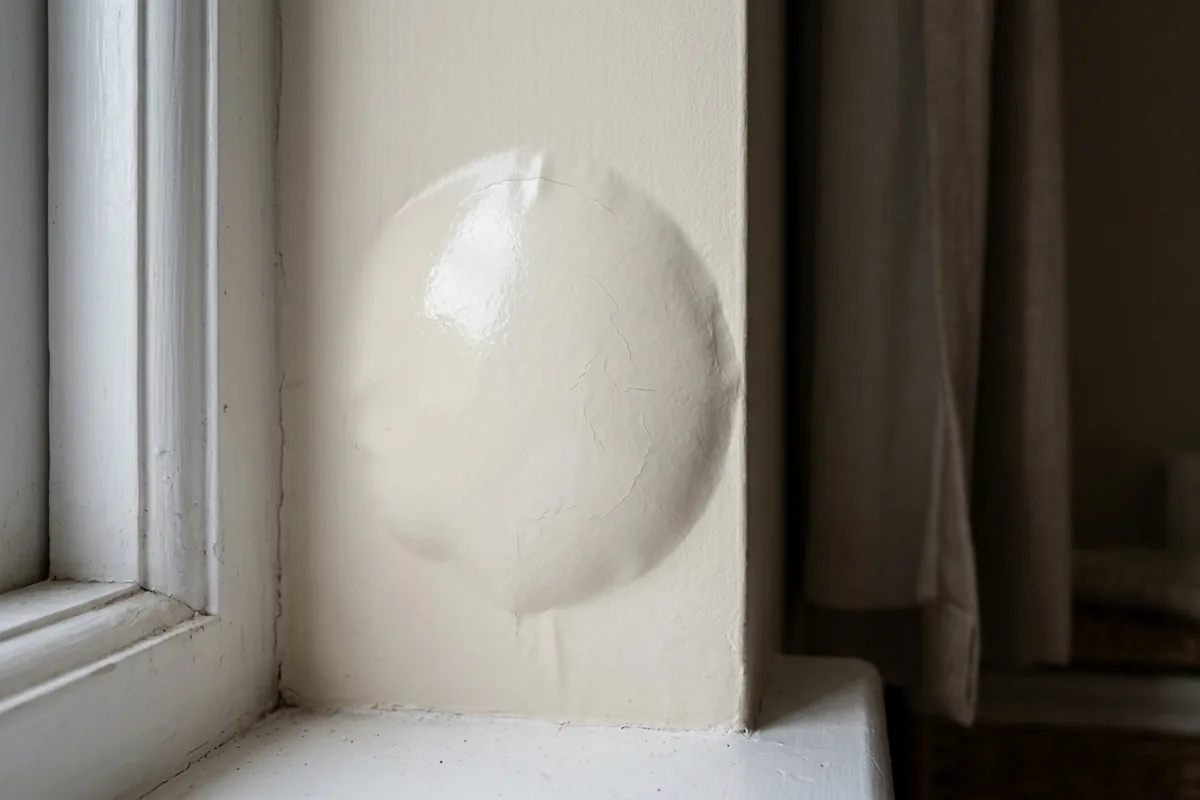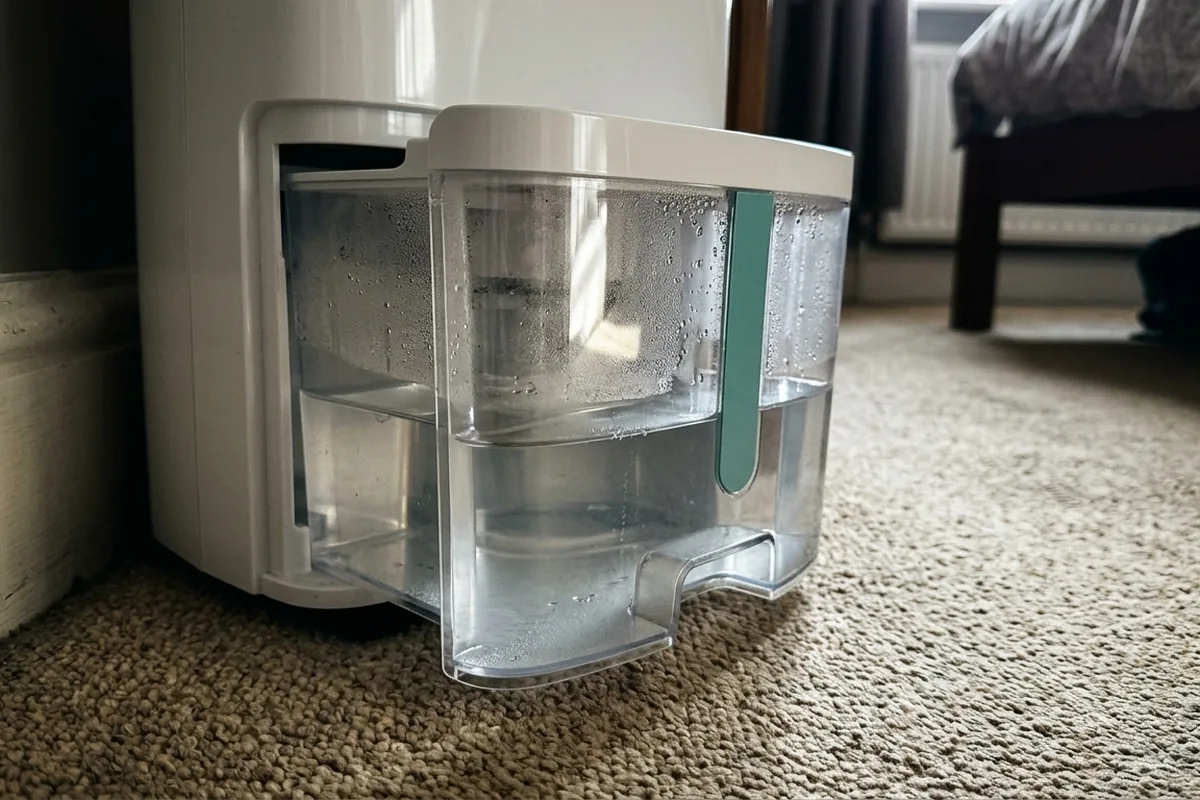
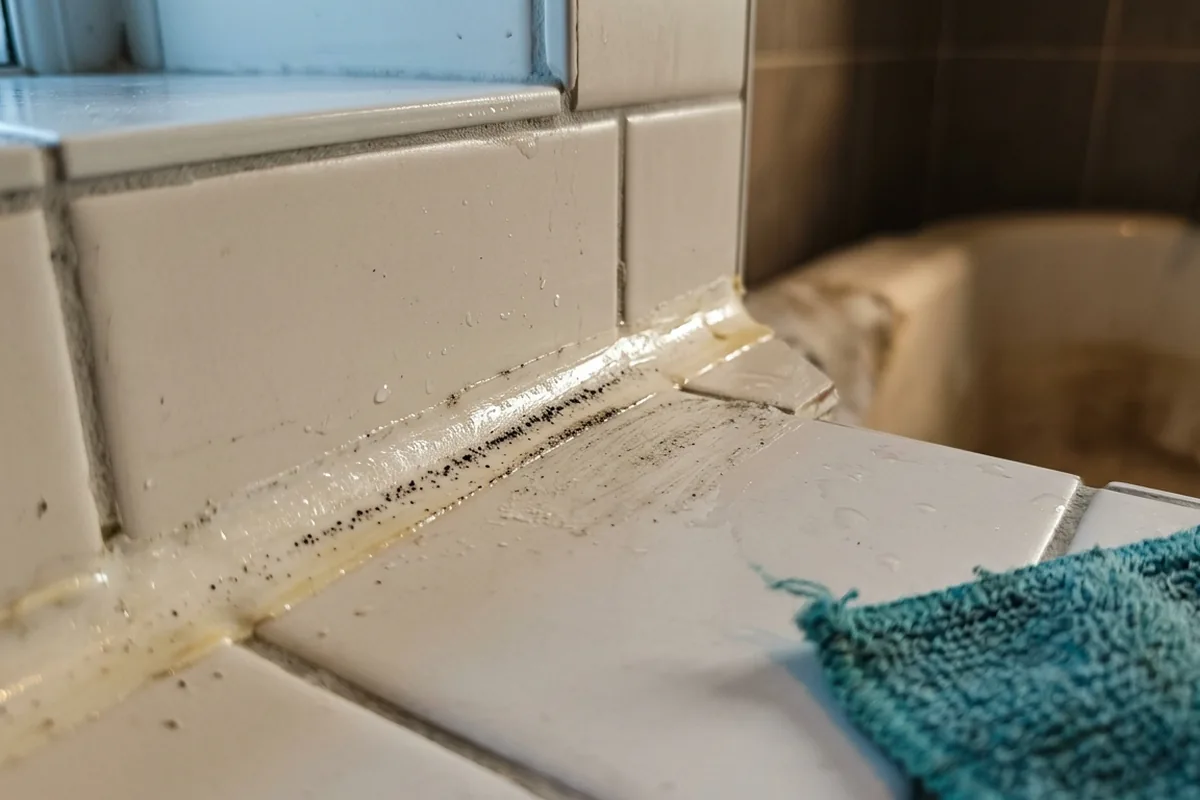
That black edge around the bath, shower tray or kitchen sink that fades when you scrub, then creeps back a week later, is usually telling you one thing: the mould is living inside the silicone, not just on top of it. Wiping it with bleach or mould spray often only bleaches the staining you can see. If moisture is still trapped and the sealant is already colonised, the mould simply regrows from within or from the damp gap behind.
In many UK bathrooms and kitchens, the real fix is stopping constant damp around the seal and, quite often, replacing the silicone. Cleaning alone will not cure mouldy, perished or badly-installed sealant, especially where there is regular condensation, poor ventilation or a tiny leak.
Why the mould keeps returning on silicone
Silicone sealant around a shower, bath or window is slightly flexible and often stays a bit tacky in micro-gaps. That makes it ideal for mould spores to grip and grow into, especially where water sits or the surface never really dries.
The mould comes back because:
- The roots are inside the silicone. By the time the seal looks grey or black, the mould usually has tiny “roots” throughout the bead. Surface cleaner can’t reach all of this.
- Moisture is constant. A small bathroom with no working extractor fan, a shower used several times a day or a sink with a slow drip keeps the silicone damp for hours.
- Cleaning only bleaches, it doesn’t remove. Strong mould sprays or bleach can whiten the stain temporarily, but often leave dead material and spores behind, ready to re-grow.
- The silicone is old or the wrong type. Older, cheap or non-mould-resistant sealants lose their built‑in fungicide over time and become much easier for mould to colonise.
- There may be a gap behind. If water has got behind the seal where it meets the tiles or bath edge, that hidden damp area feeds mould you can’t reach with a cloth.
So if you keep seeing the same dark line reappearing along the bath edge or shower tray, it is usually a sign the sealant itself has failed as a mould barrier, not that you are cleaning badly.
What to try before you strip out the silicone
If the mould is light and recent, you can sometimes get a decent result without re-sealing, as long as you also deal with the damp conditions.
Focus on three things: better drying, a targeted clean, and checking for leaks.
1. Dry the area properly each day
After showers, use a window squeegee or microfibre cloth to remove water from the tiles, glass and silicone. Open the window or run the bathroom extractor fan for at least 15–20 minutes. In a small, steamy bathroom in a terraced house, this alone can slow mould right down.
2. Use a mould remover that can sit in place
A simple method for light mould on silicone:
- Wear gloves and ventilate the room.
- Apply a bathroom mould remover or diluted bleach to a piece of folded kitchen roll.
- Press it along the silicone bead so it stays in contact.
- Leave it for 30–60 minutes, then remove and rinse well.
This works better than a quick spray-and-rinse because the cleaner has time to act. Never mix bleach with vinegar or other cleaners, and avoid getting strong bleach on metal fittings or coloured grout.
3. Check for small leaks or pooling water
Look at how water sits around the area:
- Does water collect in a shallow puddle on the bath lip next to the silicone?
- Is there a slow drip from a tap, shower hose or shower screen frame?
- Is the seal at the lowest point where water naturally runs and stays?
If water regularly pools against the seal, mould will keep returning. Adjusting a shower screen, reseating a bath panel or fixing a dripping tap can sometimes make more difference than any cleaner.
If, after a few weeks of better drying and careful cleaning, the silicone still looks blotchy, pitted or stays brown/black, it is usually time to replace it.
When cleaning is not enough and the silicone needs replacing
There is a point where no amount of scrubbing will restore mouldy silicone, because the material itself has been stained and weakened.
If the seal is already black or crumbling
You are likely at replacement stage if:
- The sealant is solid black or very dark in places, not just lightly speckled.
- It feels rubbery but rough or crumbly when you run a finger along it.
- The bead has pulled away from the tiles or bath in small gaps.
- There is persistent damp or mould on the wall below the bath or sink area.
In these cases, a new bead of good-quality sanitary silicone with mould-resistant additives is the practical answer. Stripping and resealing is a straightforward DIY job for many people, but you should stop and get help if:
- You suspect water has been leaking into the floor or wall for a long time.
- There are signs of wider damp, like soft plaster, blown tiles or rotten skirting boards.
- You are not confident cutting out old sealant cleanly where it meets delicate surfaces.
A simple reseal involves carefully cutting away all old silicone, cleaning and drying the joint thoroughly, then applying a smooth new bead and letting it cure fully before using the shower or sink. Rushing the drying stage is a common mistake; sealing over damp surfaces traps moisture in, which encourages mould to start again from day one.
If condensation is the main driver
In many UK flats and small houses, heavy bathroom condensation is what keeps silicone wet:
| Sign at home | What it may mean | First check |
|---|---|---|
| Water running down tiles after every shower | High humidity and poor extraction | Is the extractor fan working and used long enough? |
| Mould on silicone and ceiling | Moist air trapped in the room | Can you open a window or leave the door ajar to vent steam? |
| Condensation on bedroom windows nearby | Moisture spreading through the home | Is laundry drying indoors without enough airflow? |
Improving airflow, using the extractor fan, and not drying washing in the bathroom can make a new silicone seal last far longer. If your fan is noisy, weak or doesn’t run on after the light is off, it may be worth having it checked or upgraded.
—
If mould on your silicone keeps coming back after cleaning, take it as a sign, not a failure: either the room stays too damp, or the sealant itself has reached the end of its life. Tackle the moisture first, then, if staining is still embedded, plan a calm afternoon to cut out and replace the silicone so you are not endlessly chasing the same black line.