That wave of rotten air when you lift the garden bin lid on a warm afternoon is not your imagination: the same waste really does smell worse in hot weather. The heat speeds up bacteria and mould, so food scraps, grass cuttings and damp cardboard break down faster and release more gas. The simple fix most people skip is keeping the bin itself clean and dry inside, not just tying bags tighter. A quick rinse, a scrub with washing-up liquid and a handful of bicarbonate of soda left to dry can massively cut the smell.
Once you understand that warmth + moisture + residue are the problem, the job is to break that triangle: keep as much food sealed, as much moisture out and as much residue off the plastic as you reasonably can.
Why garden bins smell worse in warm weather
When the temperature rises, everything in the bin behaves like a low-effort compost heap. Bacteria, mould and tiny insects become more active, especially in damp food residue smeared on the bin walls and pooled liquid in the bottom.
A few things happen at once in warm weather:
- Bacteria multiply faster, breaking food down and releasing stronger odours.
- Liquids go off quickly: bin juice from meat trays, fruit and salad turns sour and sulphuric.
- Lids stay shut for longer, so gases build up inside instead of dispersing.
- Garden waste is wetter: fresh grass cuttings and weeds add moisture, which keeps the whole bin humid.
If your bin is already a bit grim from winter, warm weather simply exposes what was sitting there all along. Even if you double-bag food, any split liner or tiny leak will leave residue that bakes into the plastic and smells worse each time the sun hits the bin.
The key point: it is not just what you put in the bin, it is what stays behind. A dirty, damp bin will smell awful whatever you throw away.
The simple fix people forget: treating the bin like something you clean
Most of us rinse the recycling caddy and wipe the kitchen bin, but the big wheelie or garden bin at the side of a terraced house or down the side passage is often ignored. Cleaning it every few weeks in warm weather is the simplest way to keep smells under control.
You do not need anything fancy:
1. Wait until collection day so the bin is as empty as possible.
2. Rinse out the inside with a hose or a couple of buckets of water. Tip the dirty water down a drain, not onto the patio where it will smell.
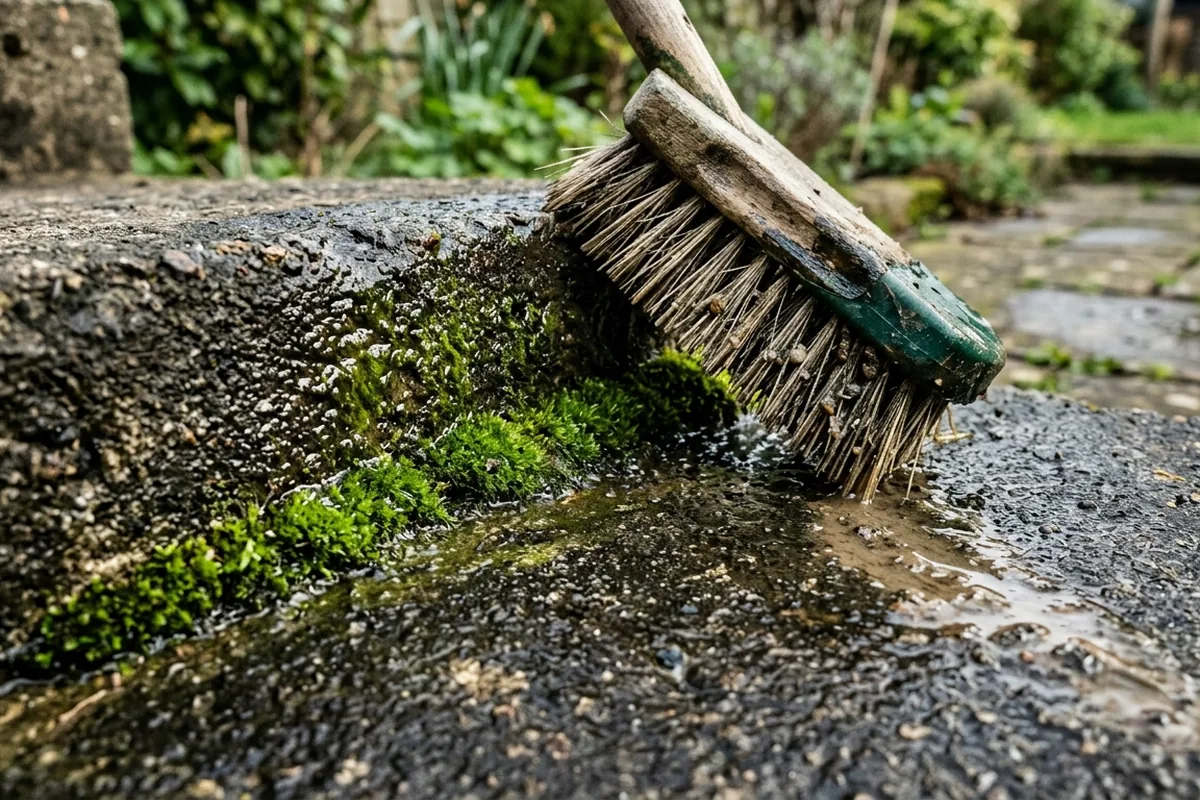
3. Scrub the walls and base with hot water, washing-up liquid and a stiff brush or old broom. Focus on corners and around the rim where food sticks.
4. Rinse again and drain with the lid open so it can dry fully.
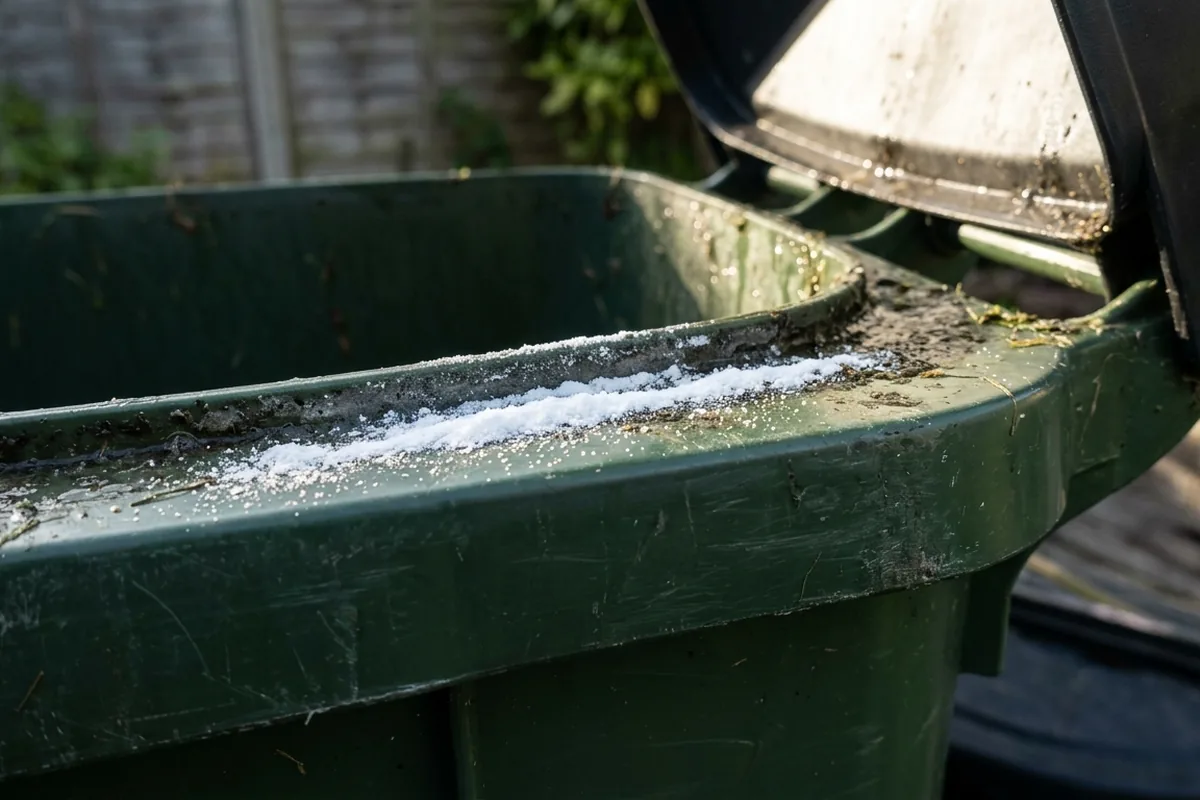
5. When dry, sprinkle a thin layer of bicarbonate of soda over the bottom. It helps absorb odours and a bit of moisture between washes.
A few extra habits make a big difference in warm spells:
- Keep food in bags or caddies, not loose in the bin.
- Drain liquids from meat trays and food tubs before binning.
- Wrap especially smelly waste (fish, raw meat, prawn shells) in newspaper or an extra bag.
- Leave the lid slightly ajar on very hot, dry days if safe to do so and if your council allows it, so moisture can escape and the inside dries out.
If you really cannot face scrubbing, some people do use a bin-cleaning service, but for most households a 10–15 minute wash with hot soapy water every few weeks in summer is enough.
How to stop the smell coming back between collections
Once the bin is clean and dry, the job is to keep moisture and residue down until the next collection, especially if your council is on a fortnightly cycle.
If the worst smell is from food waste
Food caddies and mixed-waste bins are the biggest offenders in warm weather. To keep them manageable:
- Use liners in the food caddy, then tie them off tight before they go into the main bin.
- Keep the caddy lid shut and, if possible, store it in a cool corner of the kitchen, not on a sunny windowsill.
- If you have space in a freezer, stash very smelly scraps (fish, meat trimmings) in a small tub or bag in the freezer and put them in the bin the night before collection.
If garden waste is making it worse
Even “clean” green bins can smell bad when:
- Grass goes in very wet and starts to ferment.
- You add kitchen peelings or fallen fruit.
- The bin never dries out after rain.
Try to:
- Let grass cuttings dry a little on the lawn or in a trug before tipping them in.
- Avoid putting soggy piles of leaves or sludge straight into the bin; mix them with drier material.
- After a rainy week, prop the lid open for an hour or two on a dry day so the inside can air.
A quick check if the smell seems extreme
If your garden bin smells far worse than neighbours’ bins, even after a clean, it is worth a quick look around:
- Check for maggots: they are attracted to exposed meat and fish. Boiling water poured directly onto them in the empty bin (avoiding your feet and any plastic that looks thin or cracked) usually does the job, followed by a wash.
- Look for splits or holes in the base where dirty water might be sitting in cracks. If the plastic is damaged, the bin may never fully dry and you might need to ask the council about a replacement.
- Check nearby drains: sometimes the smell you blame on the bin is actually a slow-draining gully beside it.
A garden bin will never smell like a fresh cupboard, especially in a hot British summer. But if it is clean, dry inside, and lined with a bit of bicarbonate of soda, the odour should be a faint whiff, not something that hits you across the patio every time you open the lid.