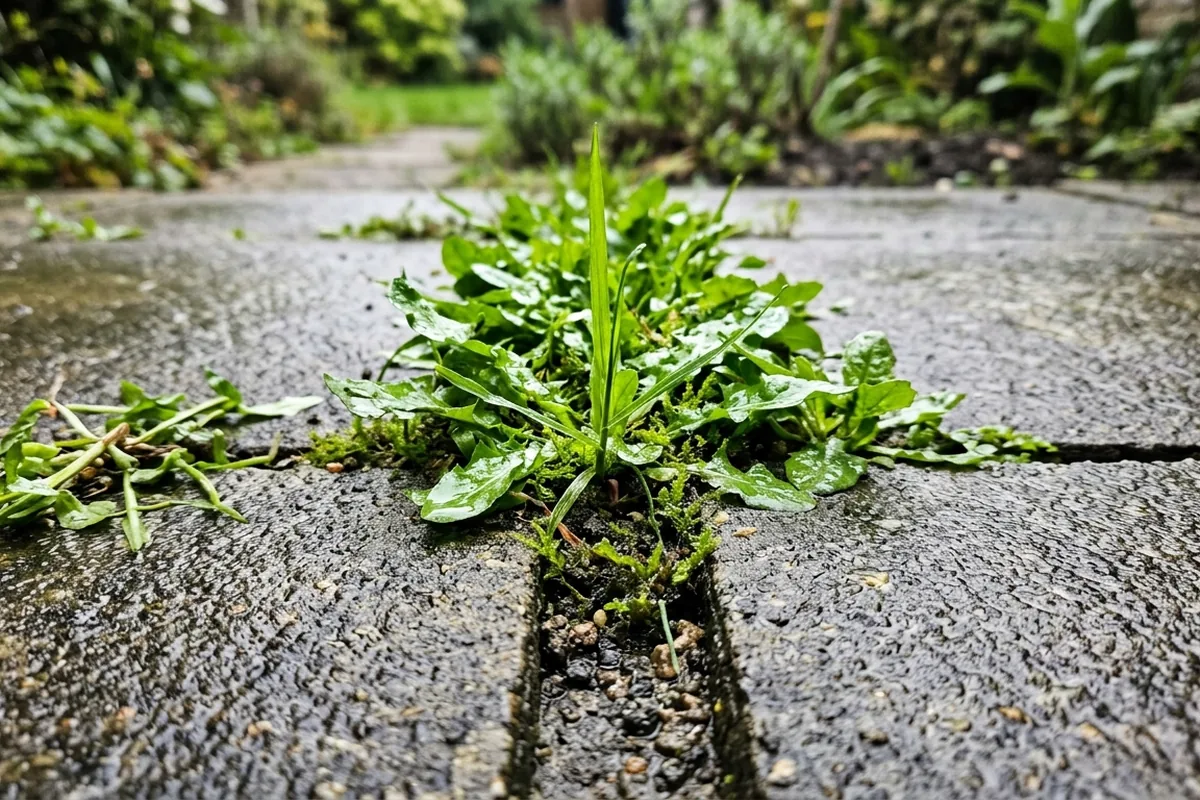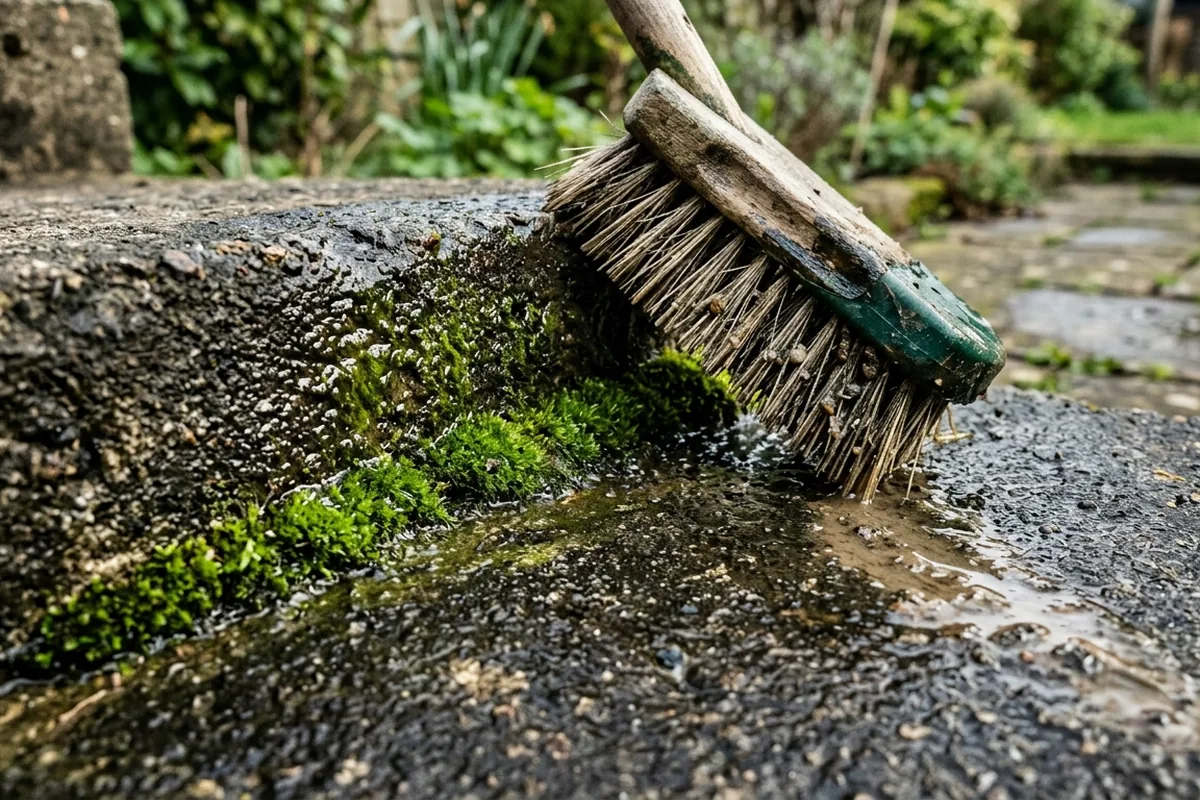
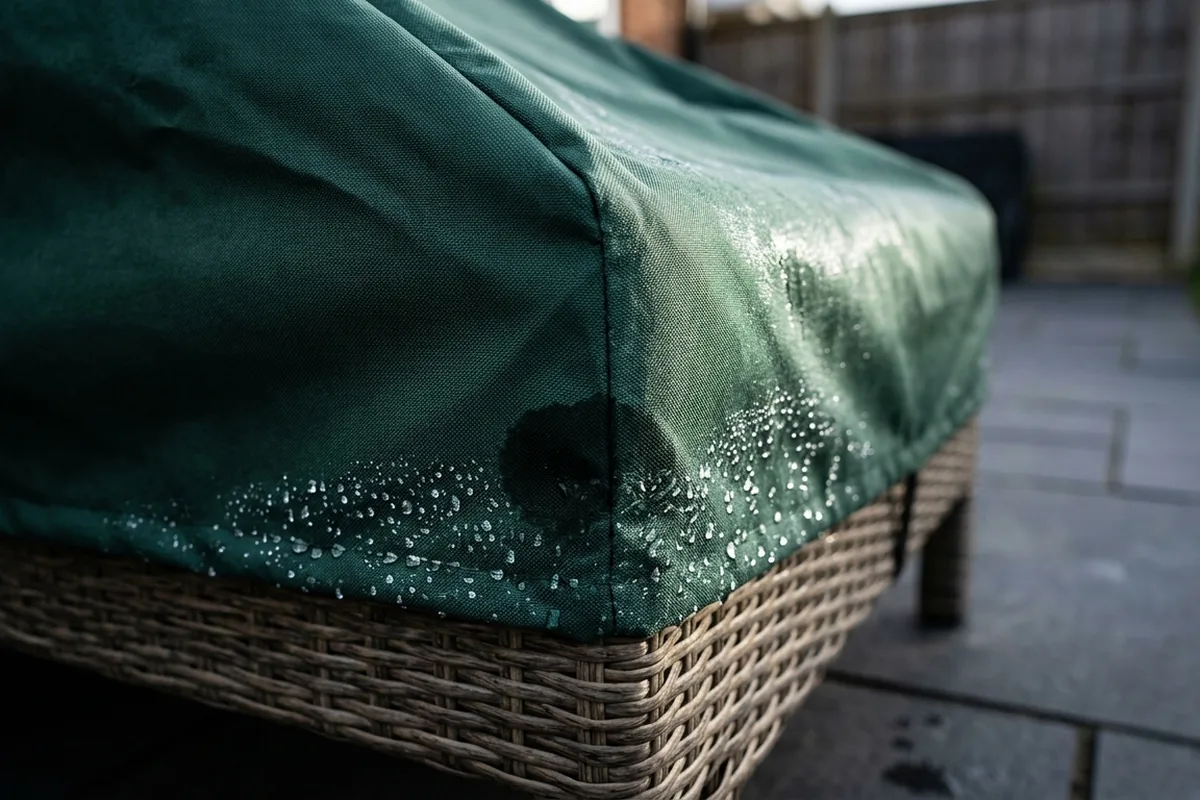
The giveaway is often slimy green patches on the patio, cushions that smell musty and metal fixings starting to rust, even though you’ve “protected” everything under covers. The common mistake is using fully waterproof, unventilated covers that sit tight to cold furniture and slabs. They keep rain off, but they also trap the moisture rising from the ground and the damp air we get in a British garden, so your set ends up sitting in a mini greenhouse.
If your cushions feel clammy, the underside of the table is beading with water or the slabs under the set stay darker than the rest of the patio, your covers are probably holding moisture in, not keeping it out. The fix is usually to improve airflow: vented covers, some clearance off the ground and not leaving everything wrapped up 24/7 through milder spells.
The cover mistake that keeps your furniture damp
Most people buy the heaviest, most waterproof covers they can find and pull them tight to the floor. On a wet UK patio, that often backfires.
When you seal furniture in like this:
- Moist air from the ground and wet slabs rises under the cover.
- Cooler evenings make the air under there condense on metal, wood and cushions.
- Because the cover is almost airtight, the moisture has nowhere to go.
You end up with condensation under the cover, just like on bedroom windows, and that encourages mould, algae and rust.
The key mistake is no ventilation and no gap at the bottom. A good outdoor cover should shed rain from above but still allow air to move underneath and out through vents high up the sides. If yours fits like a plastic bag, it is more likely to trap moisture.
For most UK gardens, the safer setup is:
- A cover with built‑in vents near the top.
- A few centimetres of clearance between the cover and the slabs.
- Furniture and cushions fully dry before covering, not straight after a shower or a dewy morning.
If you already see mould spots on cushions or rust patches on chair legs, the first step is to stop sealing in the damp and let everything dry properly before you clean or repair.
How to cover patio furniture without trapping moisture
You do not need to ditch covers altogether, but you do need to use them differently.
Aim for water-shedding, not airtight wrapping. Think umbrella, not cling film.
A simple routine that usually works well in a UK garden:
- Dry first: On a dry, breezy day, leave furniture uncovered so cushions and frames feel fully dry to the touch. Wipe any standing water off with a microfibre cloth.
- Remove and store cushions: Where possible, store cushions indoors, in a shed or in an airing cupboard‑adjacent space rather than under the cover. Fabric holds moisture longer than metal or plastic.
- Raise off the slabs: If table or chair legs sit in puddles, use small plastic feet or offcuts of non‑absorbent material to lift them slightly. Avoid wood blocks, which can stay wet and rot.
- Use vented covers: Choose covers with mesh or flap vents high up the sides. Position them so they are not blocked against a wall or fence.
- Leave a gap at the bottom: Do not cinch the hem tight to the slabs all the way round. A small gap on at least one side allows air to flow through and damp air to escape.
If you only have completely solid covers with no vents, you can improve things a little by:
- Propping the cover up in the middle with an upturned bucket or smooth broom head so water runs off and air can move.
- Leaving one corner slightly looser on the least windy, most sheltered side to create a discreet vent.
On very wet, stormy days you may need to secure covers more tightly, but once the worst has passed, loosen them again so the furniture can breathe.
Signs your covers are causing damp – and what to do next
If you are not sure whether your covers are helping or harming, a quick check on a cool, dry day can tell you a lot.
| Sign at home | What it may mean | First check |
|---|---|---|
| Condensation beads on metal under cover | Trapped moist air cooling overnight | Look for vents and any gap at the hem |
| Musty smell from cushions | Fabric staying damp for days | Check if cushions are stored under cover instead of indoors |
| Green algae on slabs only under furniture | Area staying shaded and damp | Lift set, compare slab colour and feel for damp |
| Rust at chair or table feet | Metal sitting in trapped water | Check for puddles under cover and lack of airflow |
If you find any of these:
- Air and dry everything: Strip off the covers on the next dry, breezy day. Stand cushions upright, wipe metal and plastic surfaces with a dry cloth and let them air.
- Clean light mould or algae: For most plastic, metal and finished wood, warm water with a bit of washing‑up liquid and a soft brush is enough. Rinse and dry thoroughly. Avoid bleach on fabrics unless the care label allows it, and never mix bleach with other cleaners.
- Inspect the covers themselves: If the inside of the cover is wet or slimy, clean it, then consider whether it is simply too airtight for your setup. Sometimes cheaper tarpaulin‑style covers are better used briefly in extreme weather rather than all season.
If, even with vented covers and good drying habits, your furniture is still constantly wet or mouldy, the bigger issue may be where it lives: a permanently shaded, north‑facing corner, under a dripping gutter or on slabs that never really dry. In that case, shifting the set to a sunnier or breezier part of the patio often does more than any cover.
Once you see your cover as part of the moisture problem rather than the whole solution, it becomes much easier to tweak how you use it and keep that garden set in decent condition for more than one British winter.