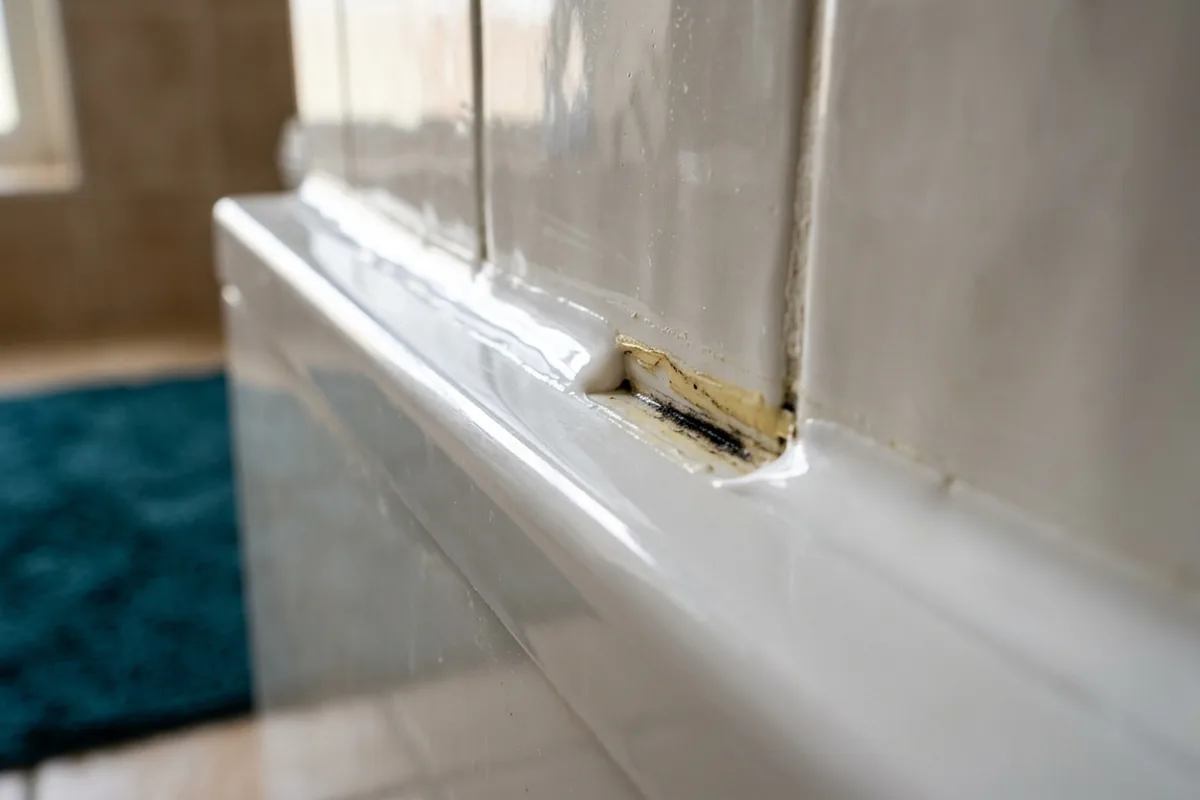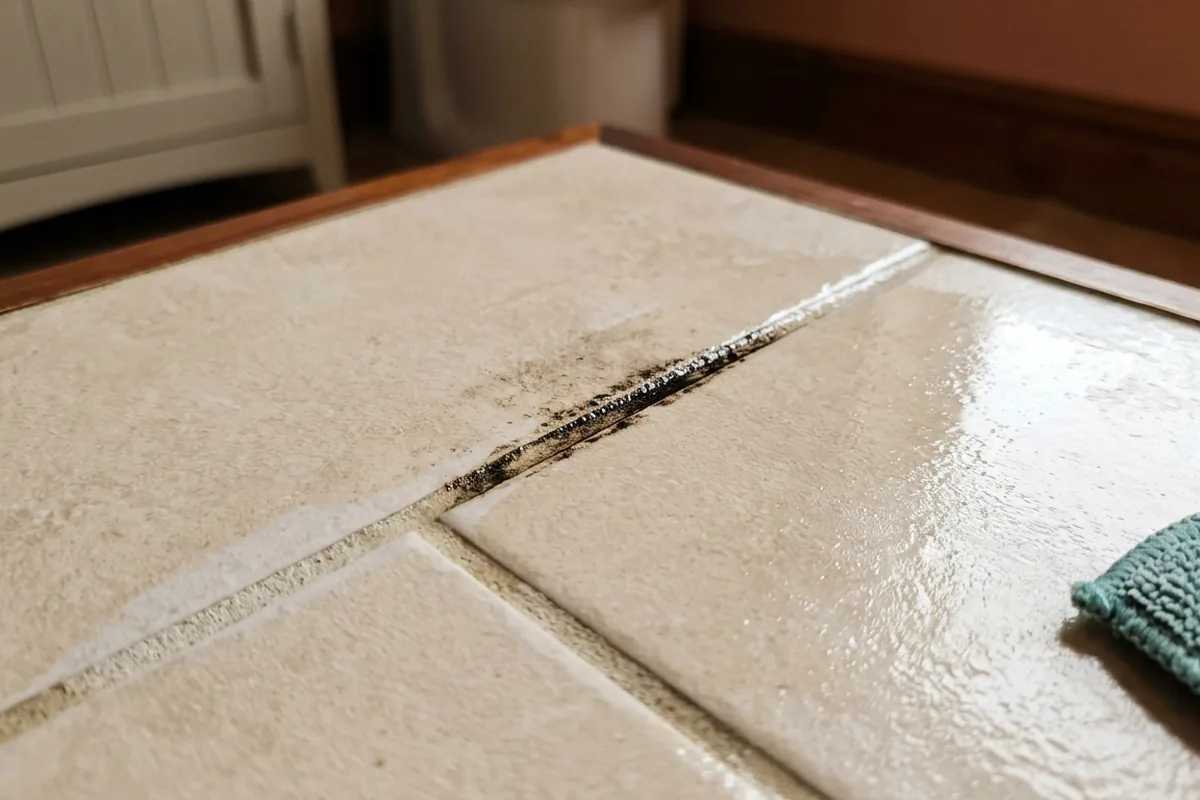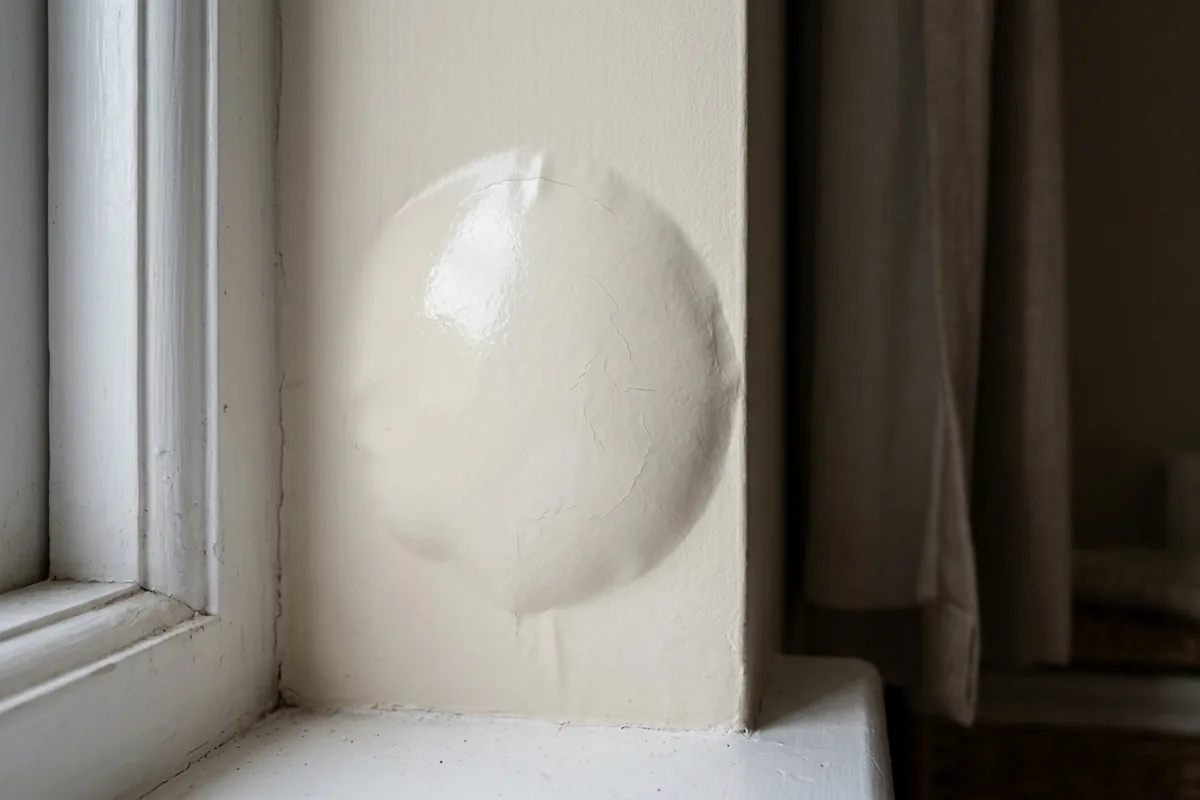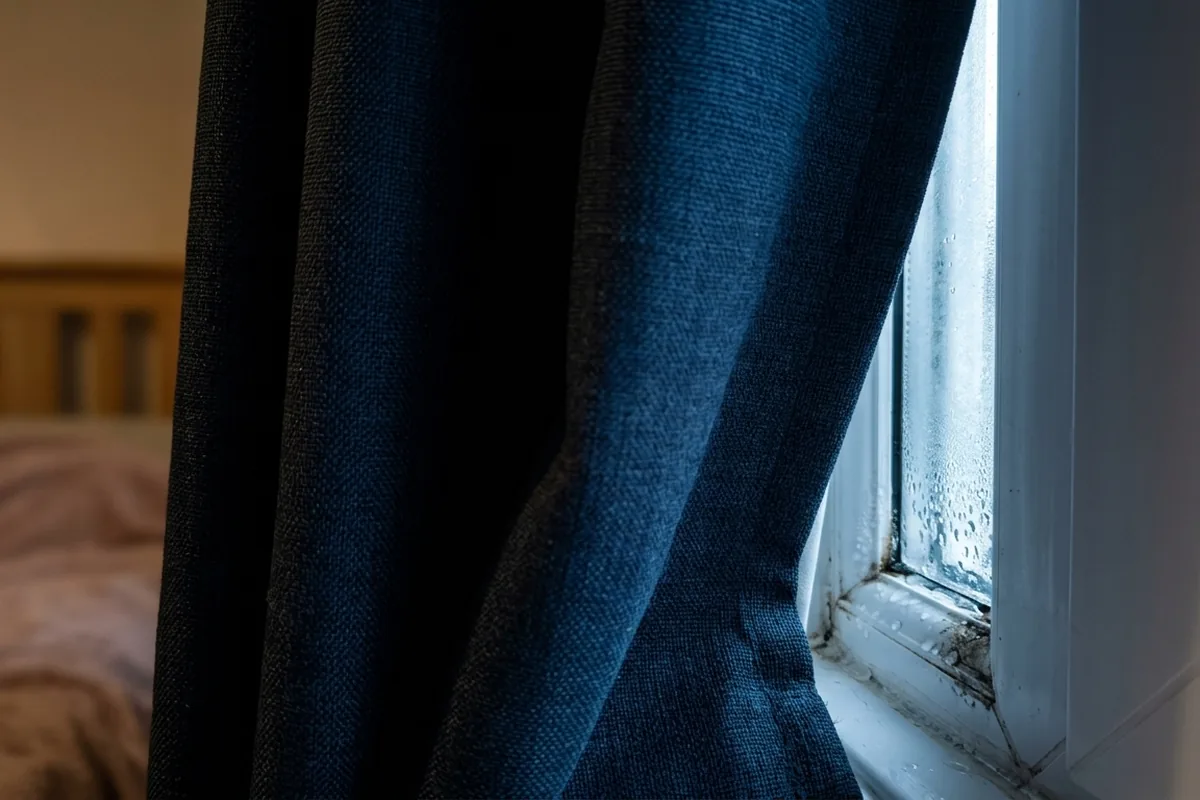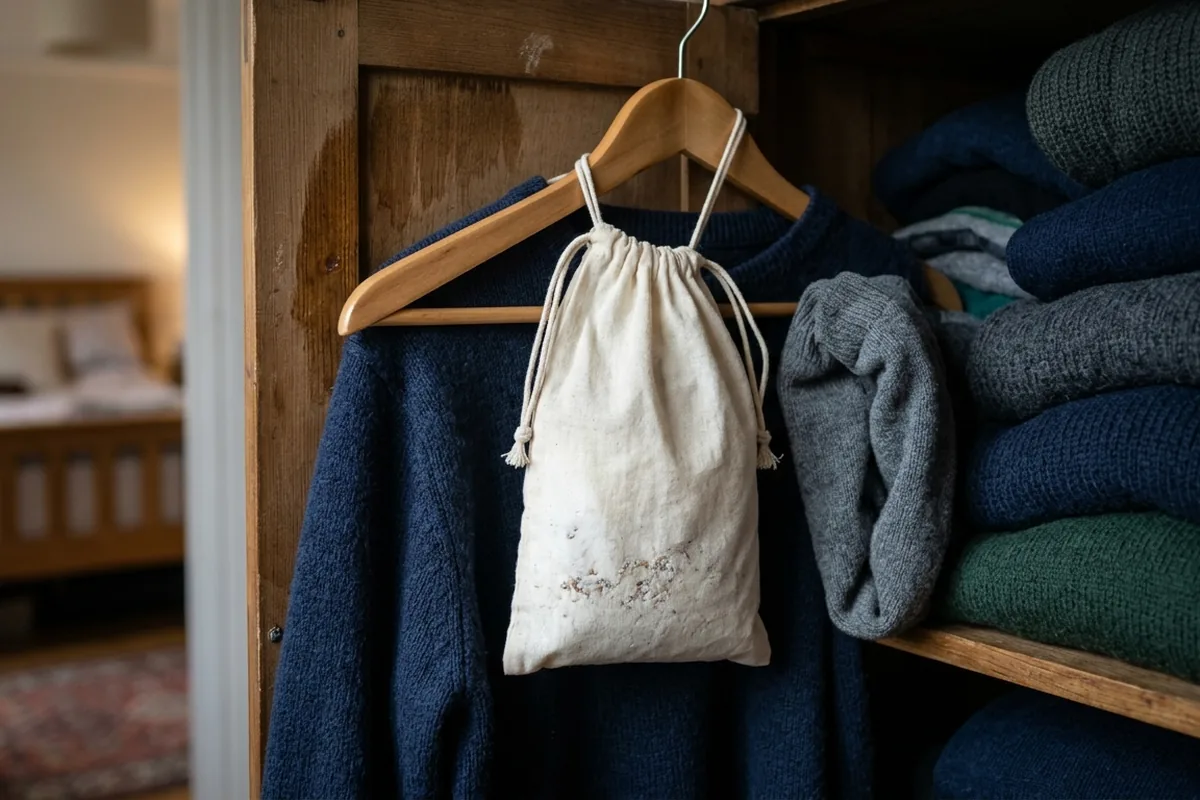
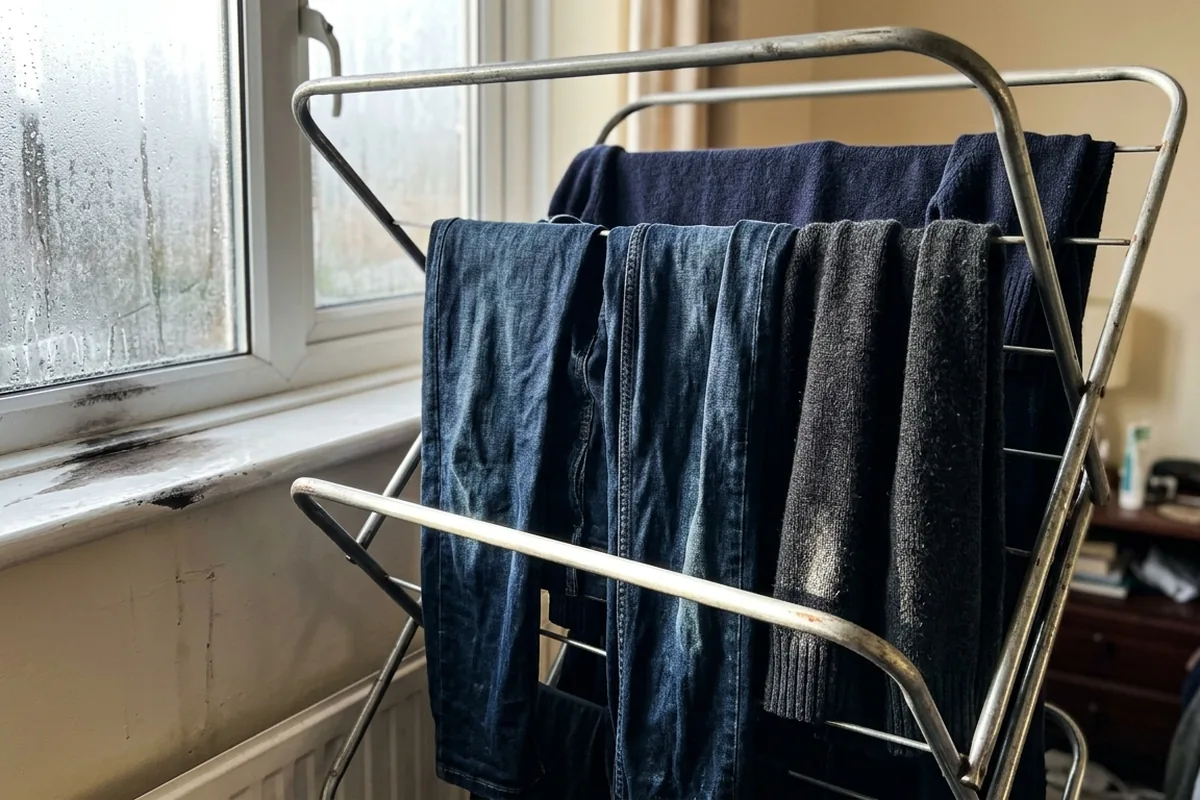
The first sign is often steamy windows, a musty smell or a dark patch creeping behind a radiator where you dry clothes. In a closed room, every load of washing can release litres of water into the air. If that moisture has nowhere to go, it settles on the coldest surfaces: outside walls, window boards, skirting boards and behind furniture. That is why drying clothes indoors, especially in a shut bedroom or small spare room, so often makes damp and mould worse.
Why indoor drying in closed rooms leads to damp and mould
When clothes come out of the washing machine, they are still holding a lot of water. As they dry on an airer, that water evaporates into the room. In a closed space with the door and windows shut, the humidity shoots up and the air quickly becomes saturated.
Once the air is saturated, condensation forms on cold surfaces: bedroom windows, uninsulated outside walls, the corners of ceilings and around window frames. If this happens most days in the colder months, those surfaces stay damp for long periods, which is exactly what mould spores like.
Key things that make it worse:
- Small, closed rooms such as box rooms and tiny home offices.
- Cold surfaces: outside walls, metal window frames, uninsulated reveals.
- Poor airflow: door kept shut, trickle vents closed, no extractor fan.
You may notice black mould spots on paint, silicone sealant around the window, or a fuzzy patch on the wall behind a wardrobe. That is not “just condensation”; it is a sign the room is regularly too humid for too long.
What you may be seeing at home – and what it’s really telling you
In many UK homes, especially rented flats and older terraced houses, clothes end up on an airer in the bedroom or living room because there is no tumble dryer or outdoor line space. The visible signs usually appear before the problem feels serious.
Common clues and what they often mean:
| Sign at home | What it may mean | First check |
|---|---|---|
| Water streaming down bedroom windows in the morning | High overnight humidity from drying clothes and breathing in a closed room | Did you dry washing in there with the door and windows shut? |
| Black mould around window seals or on the window board | Condensation repeatedly sitting on cold surfaces | Is the area wet or cold to the touch most mornings? |
| Musty smell on clothes and bedding | Air staying damp, fabrics not fully drying | Do clothes feel cool and slightly clammy even when “dry”? |
| Damp patch behind a radiator or wardrobe | Moist air trapped in a dead corner | Is furniture tight up against an outside wall? |
If you only ever see condensation when you have washing on an airer in that room, the clothes are almost certainly a major moisture source. If the walls stay damp even when you have not dried clothes for a while, there may be a separate damp issue and it is worth getting proper advice rather than assuming it is just condensation.
How to dry clothes indoors without feeding damp
You do not have to stop drying clothes indoors, but you do need to control where the moisture goes. The aim is simple: get the water out of the building, not into your walls and windows.
Better options, roughly from best to “least bad”:
- Use a vented space if you can
A bathroom with a decent extractor fan is ideal. Hang clothes on an airer, shut the door and run the fan and/or open the window on the latch. This pulls moist air outside instead of letting it spread through the house.
- Open something whenever you dry washing
In a bedroom or living room, crack a window and leave the door ajar to create a through-draught. Even a small opening can make a big difference. If you see heavy condensation on the glass, you need more airflow.
- Use a dehumidifier properly
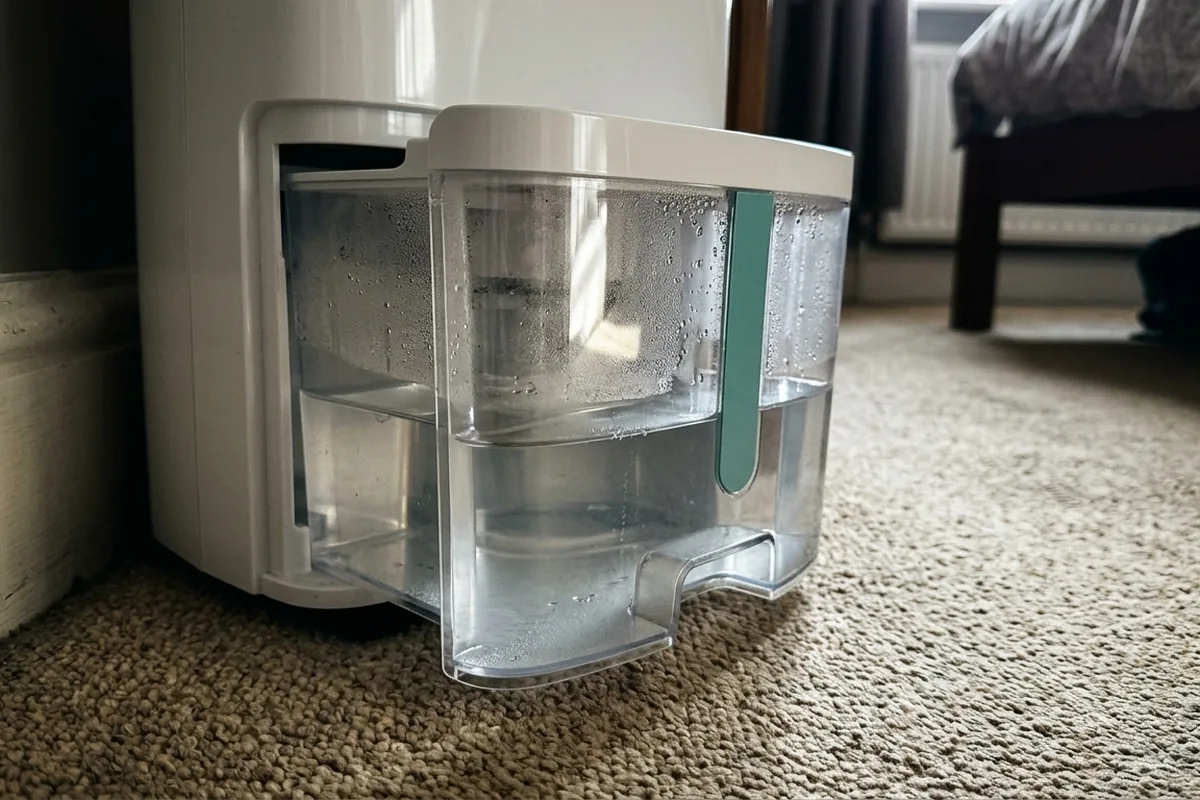
A dehumidifier in the same room as the airer can collect a surprising amount of water. Keep the door and windows closed while it runs so it is working on that room’s air, and empty the tank regularly. Many people find a mid-range unit from somewhere like Screwfix or B&Q cheaper to run than a tumble dryer.
- Avoid drying directly on radiators
This pushes humidity up quickly and can leave cold patches on the wall behind, where mould then appears. If you must use radiators, use an over-radiator rack and keep some gap behind it so air can move.
- Move furniture slightly off cold walls
If you dry clothes in a bedroom, try to keep wardrobes and beds a few centimetres away from outside walls. This lets air circulate and reduces those hidden damp patches.
If anyone in the home has asthma or breathing issues, be particularly cautious. Very humid rooms with visible mould are not a good environment; in that case, prioritise ventilation and consider a dehumidifier or different drying spot.
When indoor drying is a red flag for a bigger problem
Sometimes, drying clothes indoors simply exposes an underlying issue: poor insulation, no ventilation, or existing damp in the structure. The washing tips things over the edge.
Pay attention if:
- Mould keeps returning even after cleaning and improving airflow.
- Skirting boards or plaster feel soft, crumbly or stained low down on outside walls.
- You see damp patches on walls that are not linked to where you dry clothes.
Those signs can point to penetrating or rising damp, not just condensation. In that situation, reducing indoor drying will help, but it will not cure the cause. For anything widespread, or if you are in a rented flat with bad mould, it is worth raising it with the landlord or letting agent and, if needed, checking guidance from your local council or Citizens Advice on housing standards.
For now, a simple daily check helps: on any day you dry washing indoors, look at the windows and cold corners that evening and again the next morning. If they are wet or mouldy, the room needs more ventilation, less washing, or some help from a dehumidifier before the problem settles in.