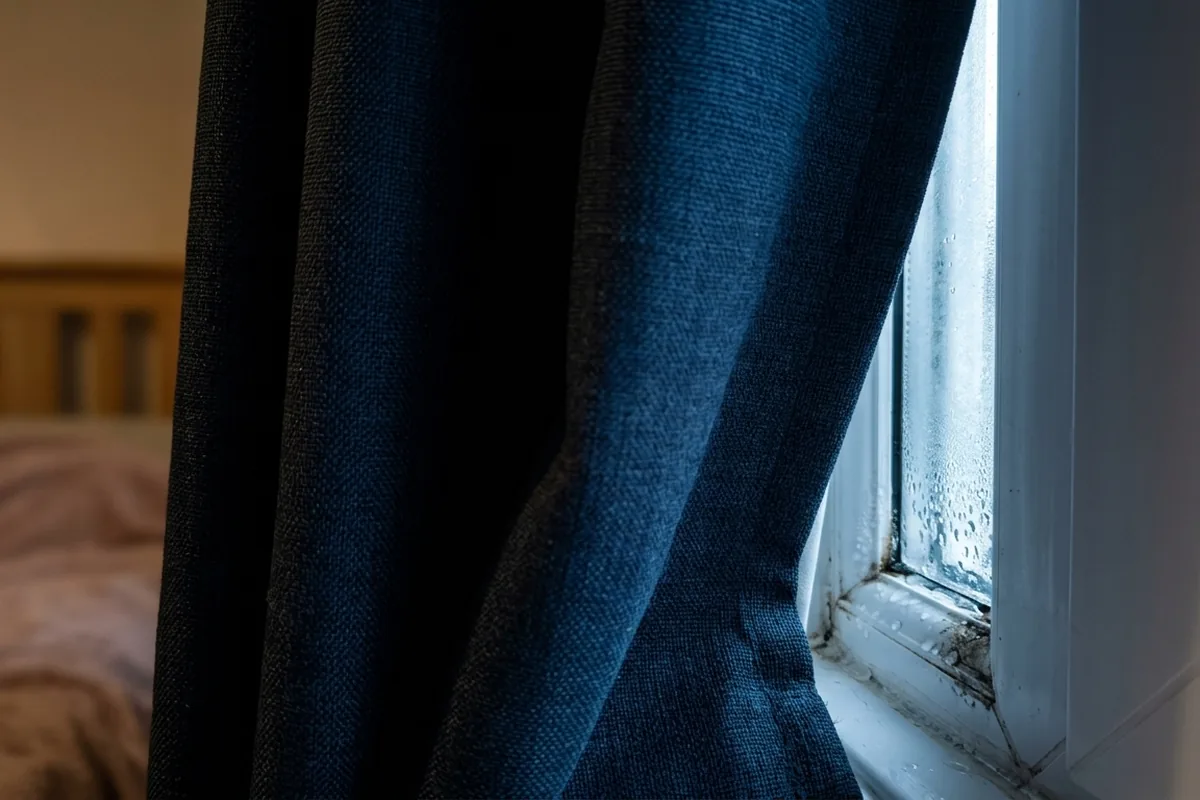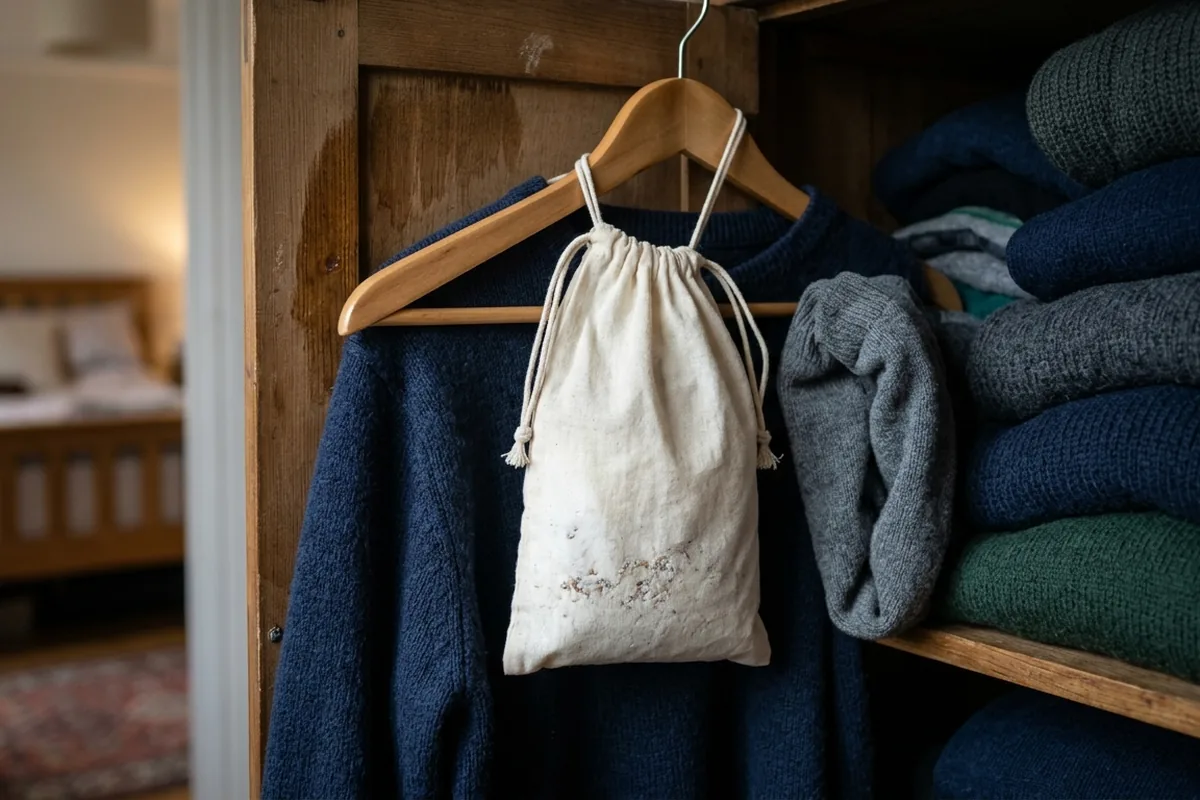
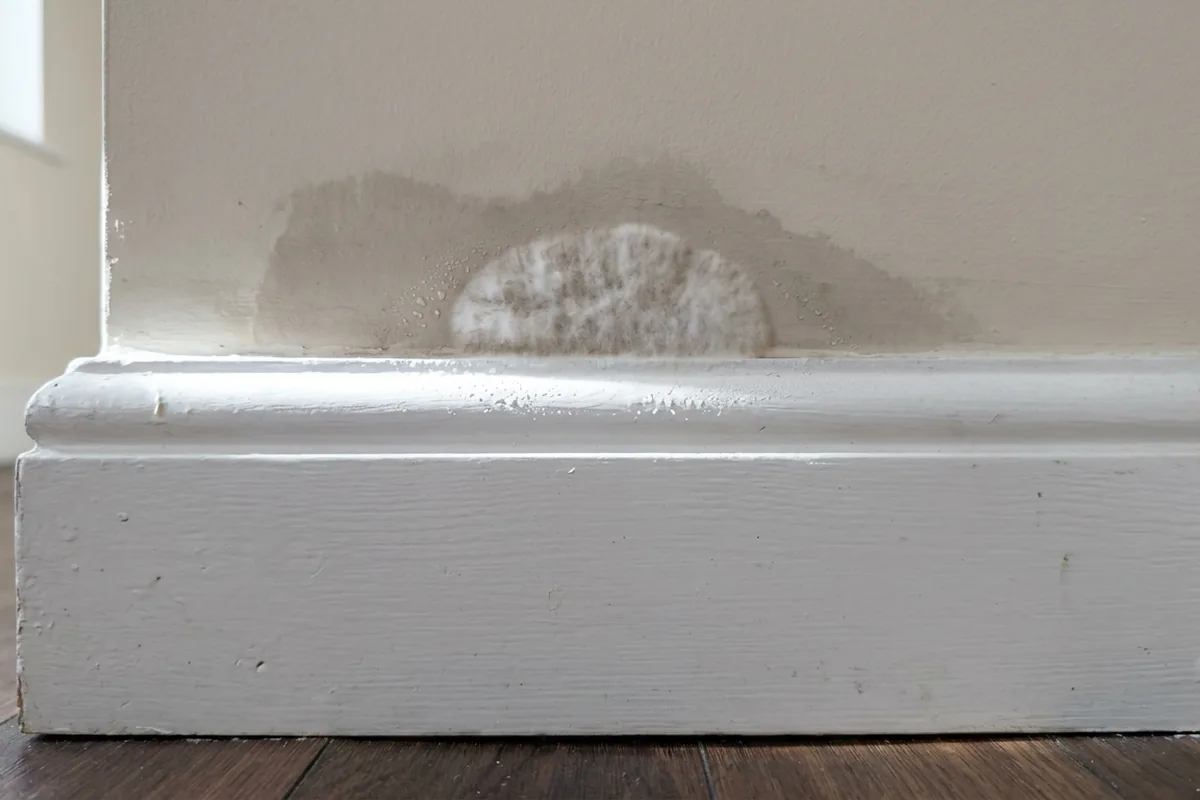
That soft white fluff on a damp window board, skirting board or in a musty cupboard is usually a sign that moisture has been sitting there for too long. It is often a harmless wood-decay fungus or mould feeding on paint, dust or timber, but it can also point to a leak, chronic condensation or poor ventilation. Cleaning the fungus away will tidy the surface, but the important bit is working out why that patch stays damp in the first place.
What the soft white fungus is really telling you
In UK homes this soft, cottony or powdery growth often appears on cold, damp surfaces: under-sink cupboards, along skirting boards on outside walls, inside built‑in wardrobes against external walls, or on timber in lofts and sheds.
In many cases it means:
- The area is damp enough, for long enough, for fungi to feed on wood, paper, dust or old sealant.
- Airflow is poor, so the surface never properly dries.
- There could be a hidden leak or a persistent condensation problem.
If the growth is white, soft and fluffy, and the surface feels slightly damp or crumbly, it is usually one of:
- Common household moulds at an early stage.
- A wood-decay fungus feeding on damp timber.
- In older or very damp properties, occasionally a form of dry rot or wet rot: these need professional diagnosis.
The key point: fungus is a symptom, not the cause. You can safely wipe it away in many situations, but unless you deal with the moisture, it will return.
How to tell if it’s a minor damp patch or a bigger problem
Before you panic, look at where the fungus is and how the area behaves over a few days. This quick check can help you decide whether it is more likely condensation, a small leak or a serious damp issue.
| Sign at home | What it may mean | First check |
|---|---|---|
| White fluff on skirting by an outside wall | Cold wall condensation or penetrating damp | Feel if the wall is cold and damp after dry weather |
| Fungus in under-sink cupboard | Slow drip or past leak | Run tap, check pipes and base of cupboard for fresh moisture |
| Soft white growth in loft on rafters | Roof condensation or small roof leak | Check after rain and on cold mornings for wet patches |
| White fungus with cracking, crumbly timber | Possible rot developing | Press wood gently; if soft, get professional advice |
If the area dries out quickly once you ventilate and heat the room, it is often linked to condensation or everyday moisture (showers, drying clothes indoors, cooking without lids, etc.).
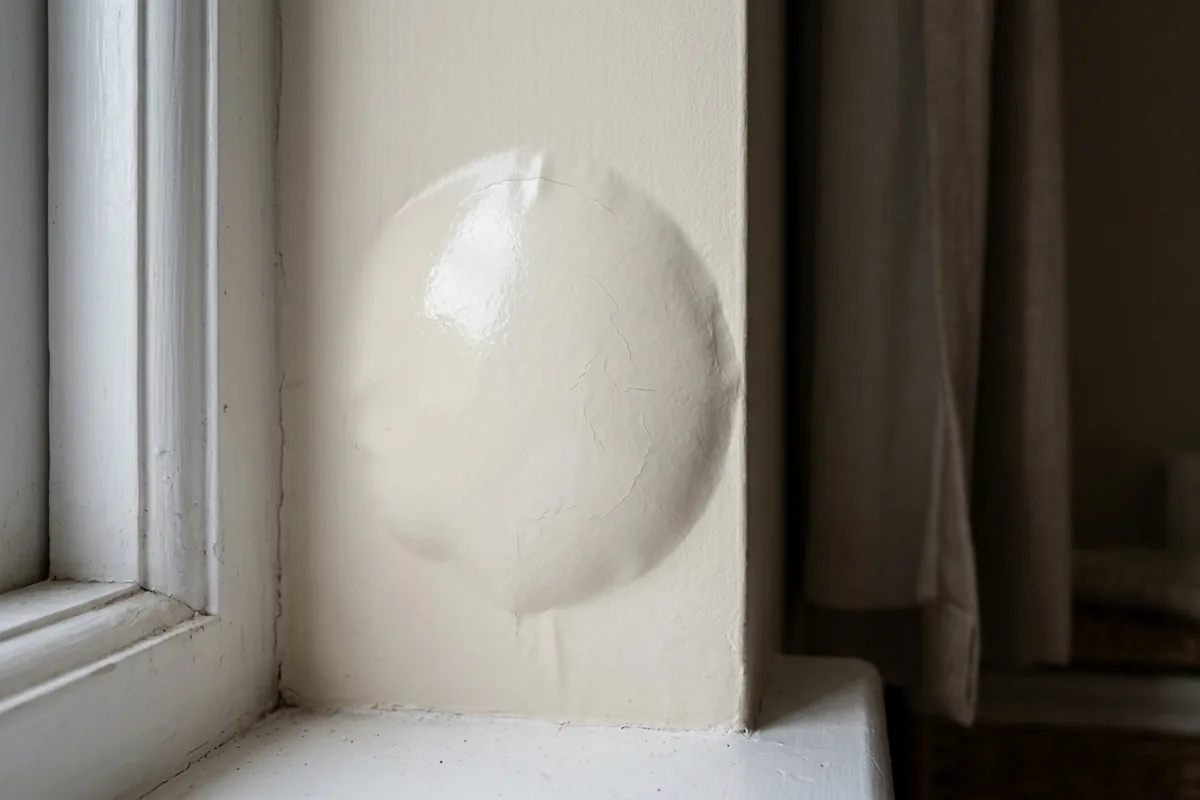
If it stays damp in dry weather, especially low down on walls or around pipes, you may have:
- A plumbing leak.
- Penetrating damp from outside (damaged pointing, guttering or render).
- Rising damp in older properties.
These are not DIY diagnosis jobs if they are widespread or you see large areas of fungus, crumbling plaster or extensive black mould. That is when to speak to a qualified damp or building surveyor rather than just buying more mould spray.
Safe clean-up and what to change so it doesn’t come back
For small areas in otherwise sound rooms, you can usually clean the fungus yourself and then tackle the moisture source.
Start with basic safety:
- Wear gloves and, if you are sensitive, a simple mask.
- Open a window or use an extractor fan.
- Keep children and pets away until the area is dry.
For hard, wipeable surfaces (painted skirting boards, window boards, inside cupboards):
1. Wipe off loose growth with damp kitchen roll and bin it.
2. Wash the area with warm water and a little washing-up liquid.
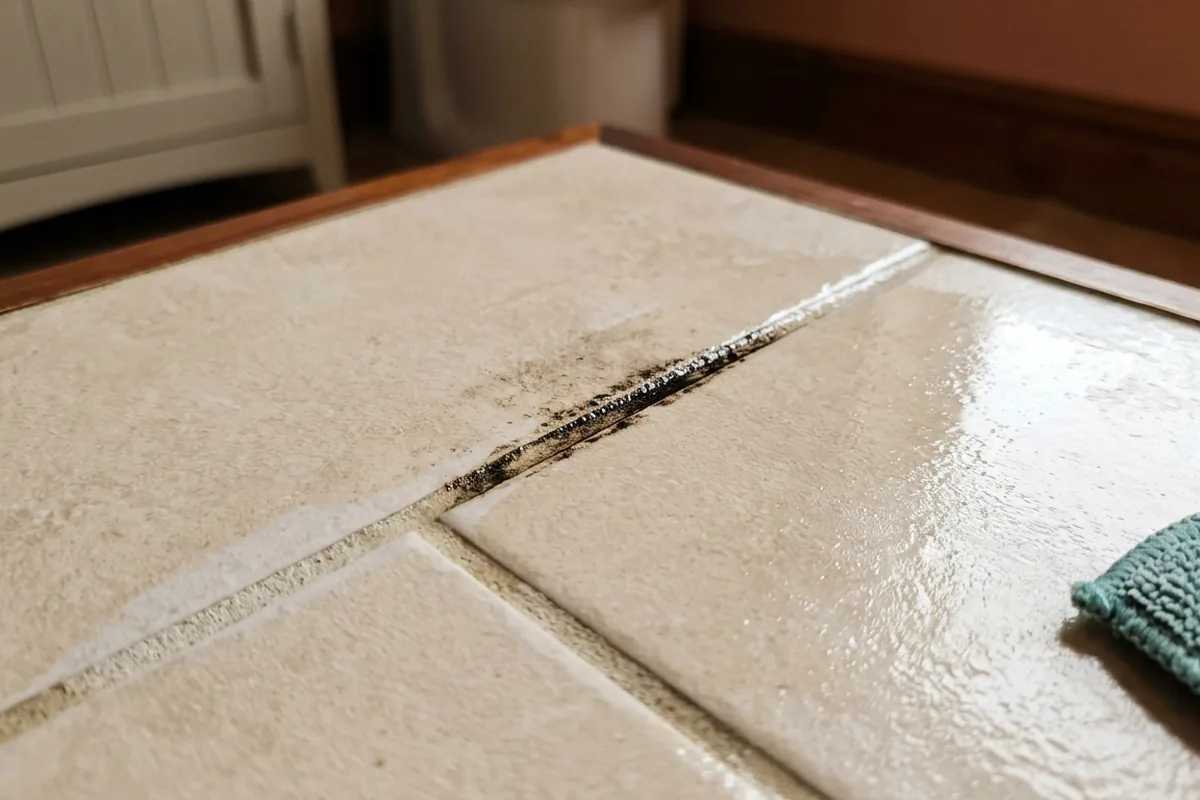
3. For lingering staining, use a mild mould and mildew cleaner, following the label. Avoid mixing products and never mix bleach with anything acidic like vinegar.
4. Dry thoroughly with a microfibre cloth.
For bare timber in lofts or sheds, on small patches:
- Brush off the dry fungus into a bag, then wipe lightly with a damp cloth.
- Let the timber dry fully with better airflow before you think about any treatment.
- If the wood is soft, cracking or easily gouged with a screwdriver, that is beyond a quick clean: speak to a professional about rot.
Once the surface is clean, focus on stopping it from staying damp:
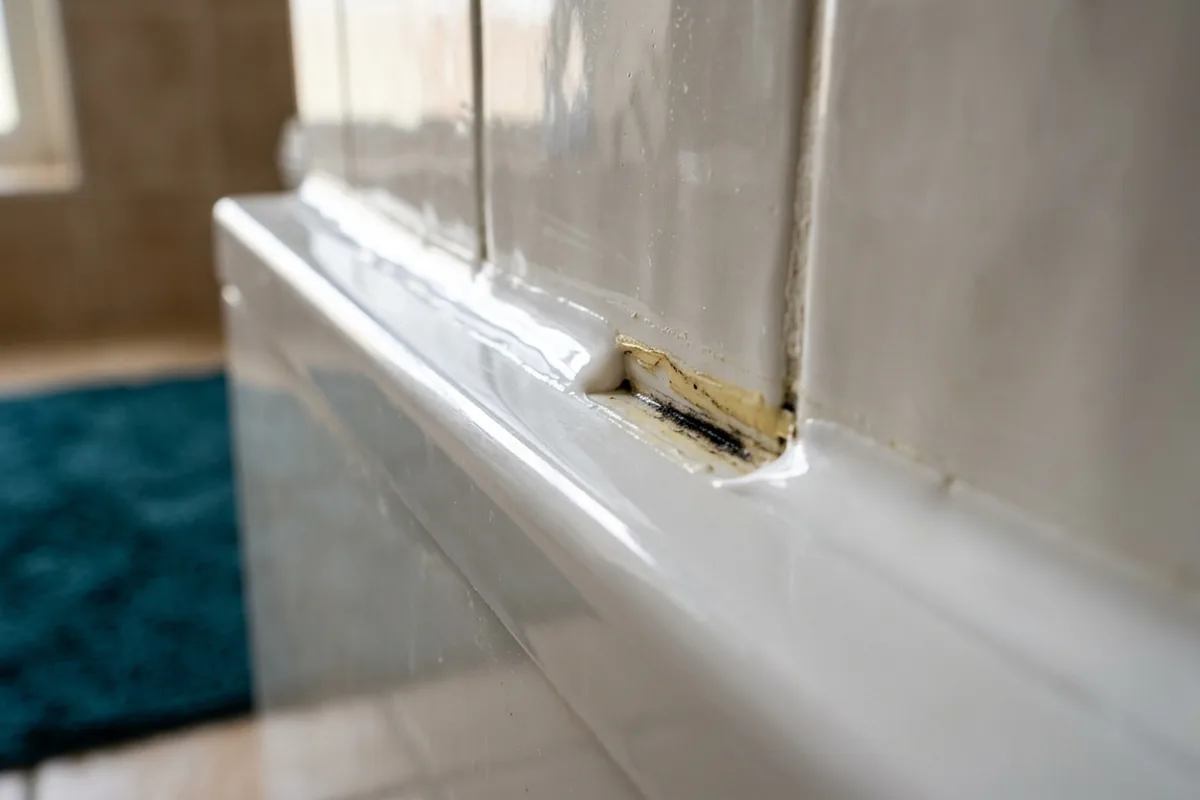
- In a bathroom with condensation on tiles and window boards:
- Use the extractor fan every time you shower and leave it running for 15–20 minutes.
- Squeegee tiles and the shower screen; wipe the window board dry.
- Keep the door slightly open afterwards so moisture can escape.
- In an under-sink cupboard:
- Check all joints and traps for drips while the tap is running.
- Dry the base fully and avoid stuffing it with bottles so air can move.
- A small moisture absorber can help, but if it keeps filling quickly, you likely still have a leak.
- Against cold outside walls in a bedroom or living room:
- Pull furniture a few centimetres away from the wall.
- Avoid pushing wardrobes tight into corners on external walls in a small flat.
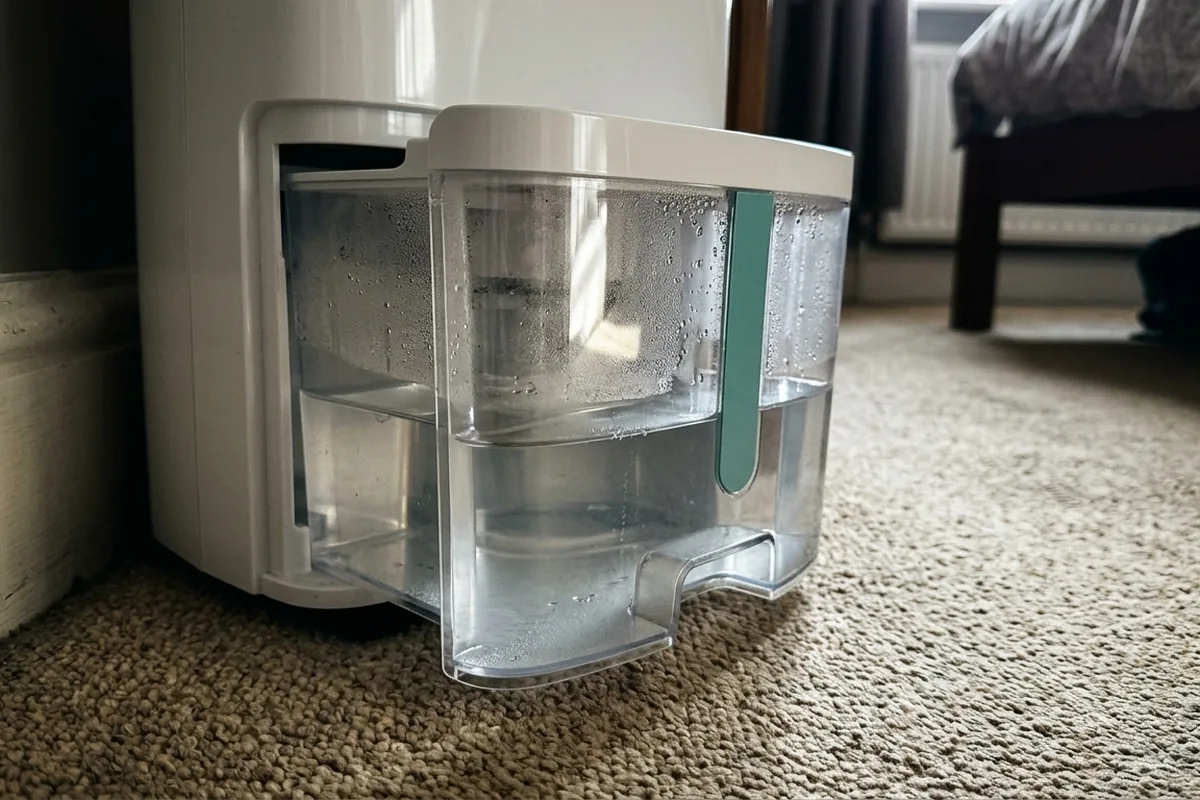
- Open trickle vents and crack the window slightly when drying clothes indoors, or use a dehumidifier.
If you are in a rented flat and you see repeated fungus, damp skirting boards and musty smells, document it with photos and raise it with your landlord or letting agent. Persistent structural damp is their responsibility to investigate.
When soft white fungus means “stop and get help”
Most small patches on sound surfaces can be cleaned and monitored. But do not keep scraping and painting over if you notice any of these:
- Large areas of white or grey fungus with strands or “skin”-like sheets.
- Timber that sounds hollow or feels soft when pressed.
- Deep cracks or cubed, crumbly wood.
- A strong mushroomy or musty smell that does not go with cleaning.
- Damp patches that spread or stay wet in dry weather.
Those signs can point to serious rot or structural damp, especially in older terraced houses or basements. At that point, the safest move is to pause DIY, avoid disturbing the area further and get a qualified surveyor or reputable damp specialist to look at it.
If, after cleaning and improving airflow, the patch stays clear for a few weeks and the area feels dry, you have probably caught a minor moisture problem early. If it reappears, the fungus is simply telling you that somewhere, something is still damp.