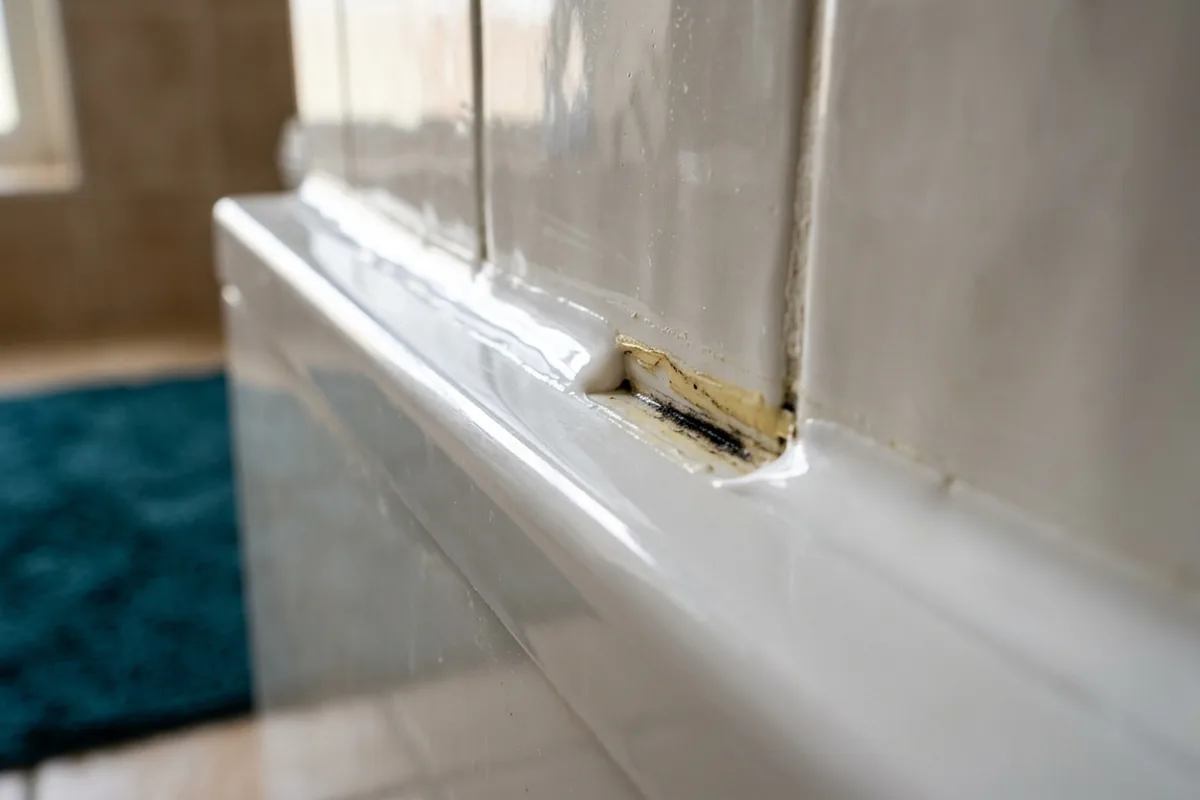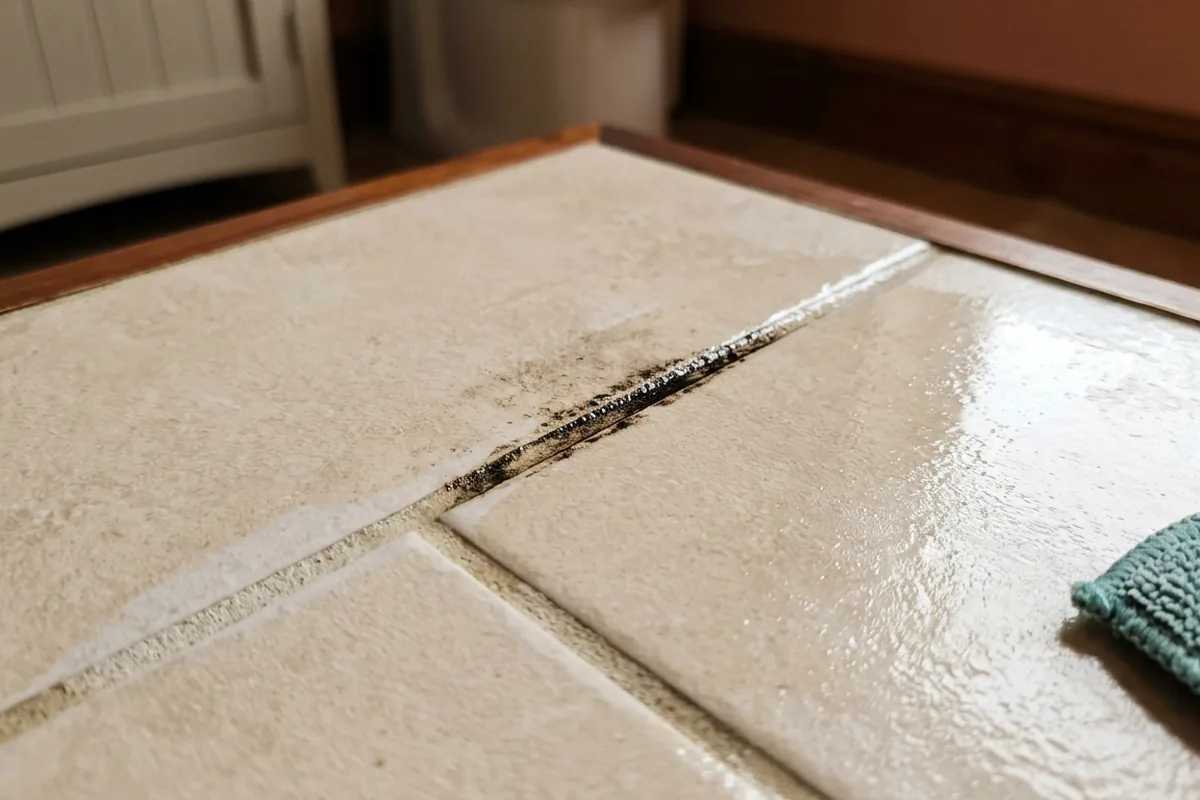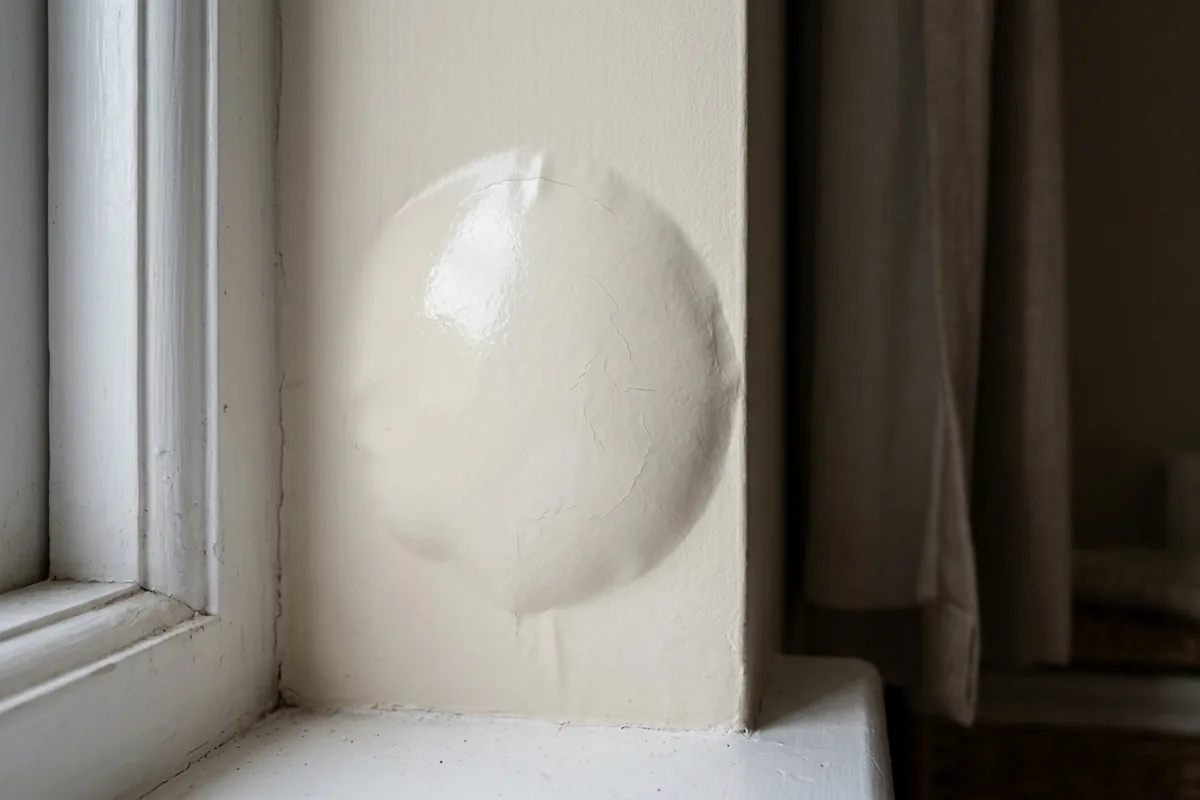
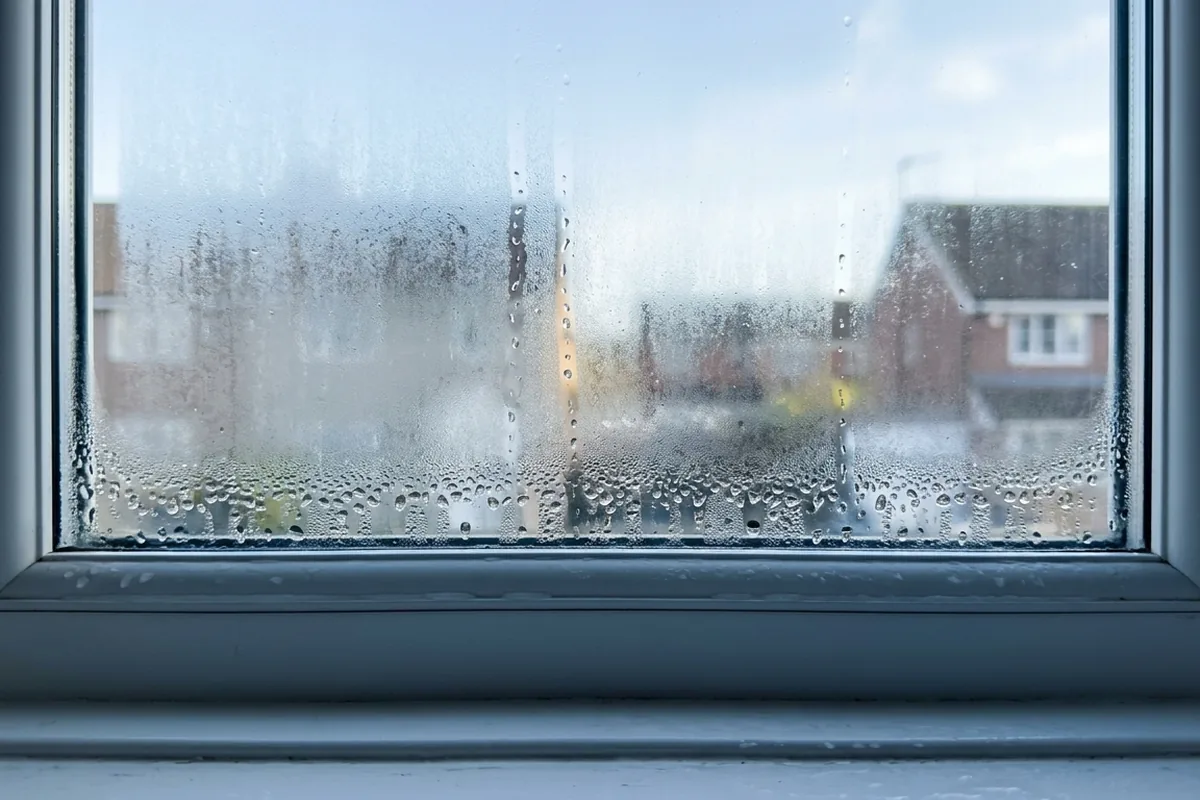
The most telling single sign of excess indoor moisture is condensation that lingers or streams on the inside of your windows, especially first thing in the morning. A bit of misting on a cold January night is normal. But if the glass is running with water, the window boards are wet and the seals or surrounding paint are starting to stain or grow mould, your home’s air is holding far too much moisture.
That kind of persistent condensation means everyday moisture from showers, cooking, drying clothes and even breathing has nowhere to go. Wiping it away helps protect the frames, but it does not solve the cause. The real fix is to reduce the moisture you create and improve ventilation so the air can dry out before it hits the cold glass.
What wet windows are really telling you
When warm, damp indoor air hits a cold surface, the water in the air turns back into liquid. Your bedroom or sitting room window is often the coldest surface in the room, so it shows the problem first.
A healthy level of indoor moisture might give you light misting around the edges of the glass that clears quickly once the heating comes on or you crack a window. The sign that things have tipped too far is:
- Condensation forming thick droplets or streams, especially across most of the pane, and still being there hours later.
If that is happening most mornings in winter, or all year round in a small bathroom or kitchen, the air is simply too humid for the space. Left alone, that moisture will soak into:
- timber window boards and skirting boards
- silicone sealant around the frame
- plaster on the reveals and nearby walls
- laminate flooring below the window
Once those stay damp, you start to see black mould spots, peeling paint, soft plaster and sometimes a musty smell.
The wet glass is not the root problem, it is the warning light that your home’s moisture and ventilation are out of balance.
First checks to make before you panic about damp
Before assuming you have rising damp or a leaking wall, it is worth checking a few simple things around the windows and room.
1. Where exactly is the moisture?
If the water is only on the room side of the glass and the outside looks dry, that points to indoor humidity, not a failed window. If the frame joints or the wall above the window are wet or stained, you might also have a leak or cold-bridge issue and should get it checked.
2. How long does it stay wet?
Condensation that clears within an hour of opening a window or putting the heating on is less worrying than glass that stays wet until midday. Long-lasting moisture is what damages timber and encourages mould.
3. What is happening around the window?
| Sign at home | What it may mean | First check |
|---|---|---|
| Streaming glass, dry wall | High indoor humidity | Ventilate and see if it improves |
| Black mould on sealant | Moisture sitting too long | Clean safely and improve airflow |
| Damp patch below window | Condensation soaking in | Wipe daily and monitor |
| Staining above frame | Possible leak or cold bridge | Inspect outside and seek advice |
4. How are you using the room?
Drying washing on radiators in a small terraced house, boiling pans without lids, long hot showers in a bathroom with no working extractor fan: all of these can push indoor humidity up very quickly.
If simple changes (like opening trickle vents, using the bathroom fan and shutting the kitchen door when cooking) reduce the condensation over a week or so, you are dealing with moisture build-up rather than a structural damp issue.
Simple ways to bring moisture back under control
Once you have recognised that streaming windows are your main warning sign, the aim is to cut down the moisture going into the air and give it an easy escape route.
Start with the habits that make the biggest difference:
- Use extractor fans properly. Run the bathroom fan during your shower and for at least 15 minutes afterwards. In the kitchen, use the hood when boiling or frying, and keep lids on pans where you can.
- Vent bedrooms in the morning. Open the window a crack and the door for 10–15 minutes while you get ready. This lets out the moisture from overnight breathing that often causes sodden bedroom windows.
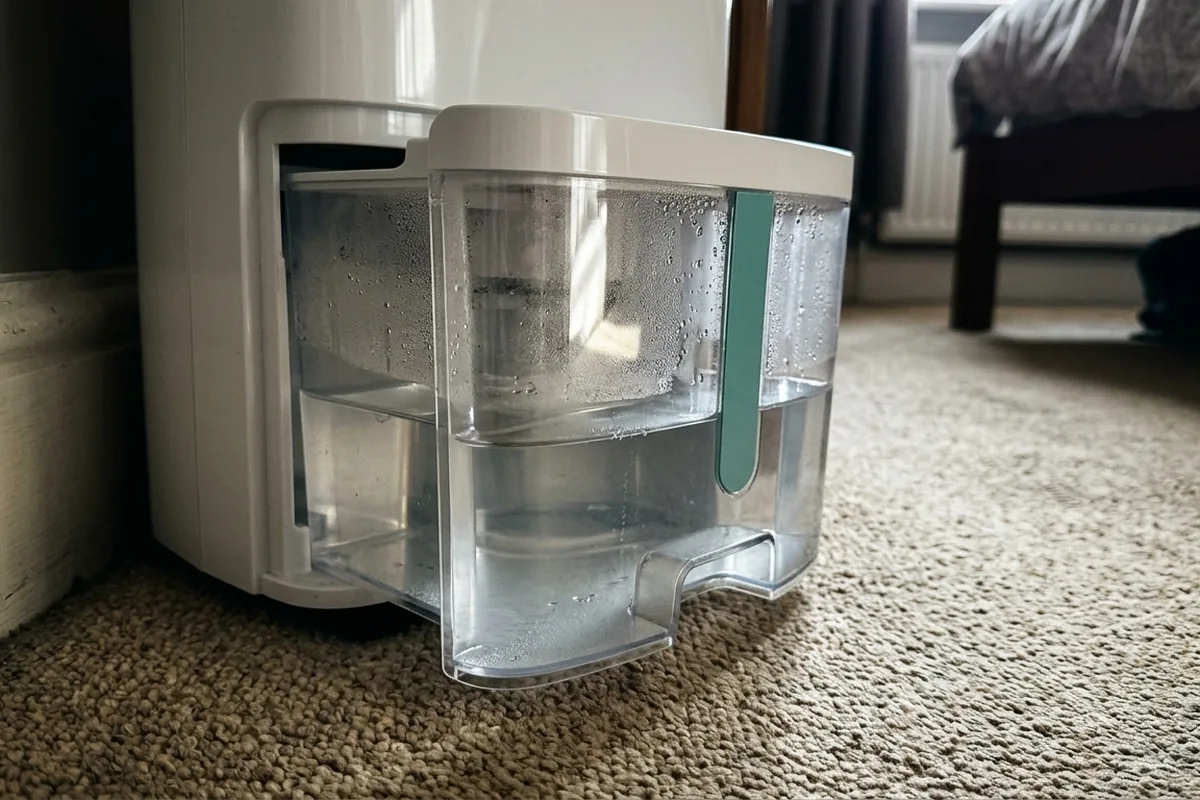
- Dry clothes more carefully. Indoor airers are better than radiators, but they still release a lot of moisture. Use a vented tumble dryer if you have one, a dehumidifier in the same room, or at least keep the door shut and a window slightly open.
- Keep trickle vents open. Those small slots at the top of modern windows are there for a reason. Closing them tight all winter traps moisture in.
If you still have heavy condensation even with better habits, a dehumidifier can help, especially in a small flat or a room where you must dry clothes. Place it where the air can circulate, not crammed into an under-stairs cupboard, and empty it regularly.
Clean up any existing mould on paintwork or silicone using a mould remover or a diluted bleach solution, with gloves on and the window open. Never mix bleach with vinegar or other cleaners. If mould keeps coming back quickly, or spreads across walls and ceilings, that is a sign to speak to your landlord or a damp specialist, as there may be a deeper issue than everyday moisture.
If tomorrow morning’s windows are only lightly misted and wipe dry easily, you are heading in the right direction. If they are still streaming and the window boards feel damp to the touch, the moisture problem is still there, even if you cannot see it on the walls yet.