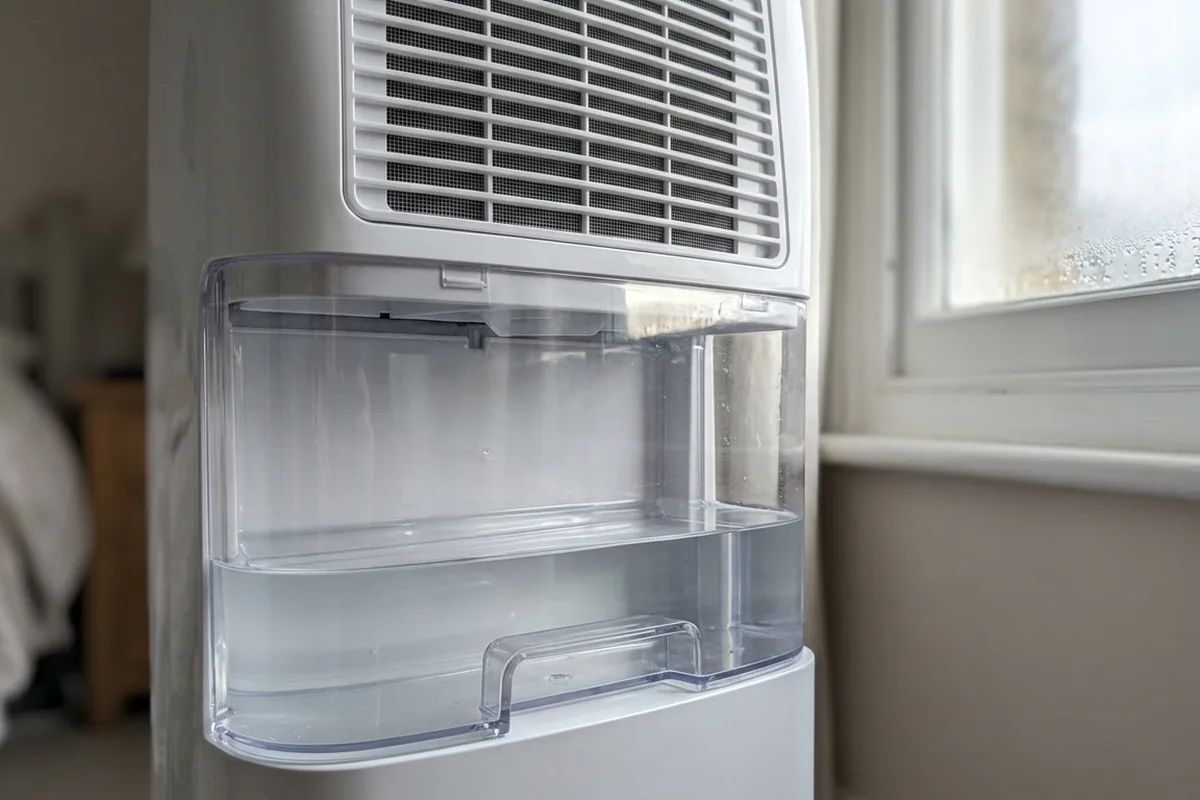
If your dehumidifier is humming away in the corner but the windows are still streaming and the air feels clammy, the issue is usually not the machine itself. The single biggest mistake is putting it in the wrong place and expecting it to “pull” moisture from the whole house. Dehumidifiers work best when the damp air is brought to them, not when they are buried in a cold corner or shut in the wrong room.
In most UK homes, you get far better results by placing the dehumidifier where the moisture is being created, keeping doors arranged deliberately (either open or closed, not random), and giving it enough space and warmth to work. A unit shoved in a freezing hallway, behind a sofa or under a clothes airer will often collect very little water, even though the house still feels damp.
The real mistake: treating it like a magic air hoover
Dehumidifiers do not suck damp air from the whole house like a vacuum cleaner. They dry the air that actually passes through them, which means location, airflow and temperature matter more than most people realise.
The most common placement mistakes are:
- Hiding it in a cold, unused space (spare room, unheated conservatory, draughty hallway)
- Blocking the air intake or outlet against a wall, curtain or furniture
- Shutting it in a room with the door wide open to a wetter space (like a steamy bathroom), so the damp air just circulates elsewhere
- Running it in a room that is too cold, where the coils can’t condense moisture efficiently
A good rule of thumb: put the dehumidifier where the air is wettest and can move freely past the machine, usually:
- In the room where you dry washing, or
- On the landing outside a damp bathroom/bedroom cluster, with doors managed on purpose
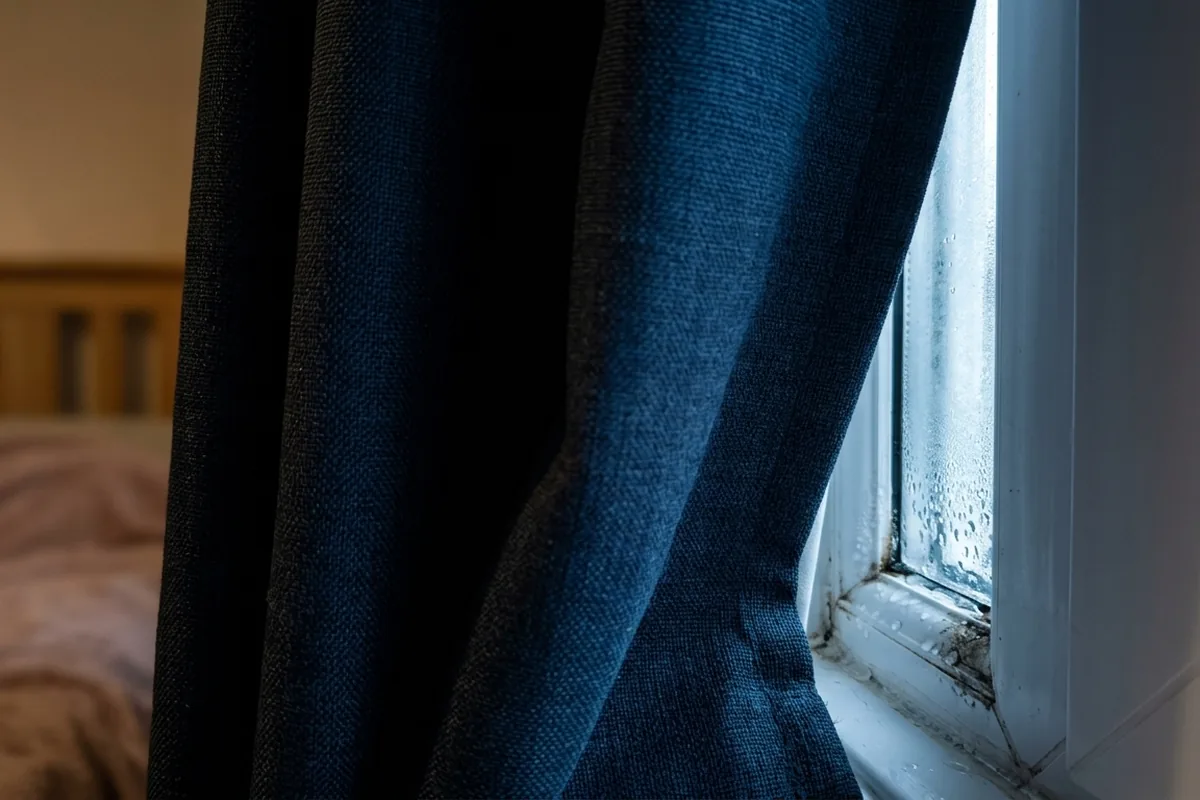
If your bedroom windows are wet every morning, for example, park the unit in that bedroom overnight, at least 20–30 cm from walls and furniture, and close the door so it deals with that room’s air properly.
Simple checks to make it actually pull moisture
Once you’ve fixed the basic placement, a few small checks usually transform how much water ends up in the tank.
1. Check the room temperature
Most domestic compressor dehumidifiers work best around 18–23°C. In a chilly spare room or unheated utility, they can barely condense any water. If the room feels cold:
- Move the unit to a slightly warmer space, or
- Warm the room a little with existing heating while it runs
If you have a desiccant dehumidifier, it usually copes better in cooler rooms, but still needs some airflow and not to be shoved in a dead corner.
2. Look at the airflow path
The intake grill and outlet need clear space. If the outlet is blowing straight at a wall, curtain or clothes airer 5 cm away, the same air just loops round the front and never mixes with the rest of the room.
Aim for:
- At least 20–30 cm clearance around the intake and outlet
- Not sitting directly under a heavy clothes airer dripping on it
- Not wedged behind a door or next to a thick curtain
3. Sort the doors out on purpose
Random half-open doors are a classic reason for poor performance.
- Drying one room: shut the door so the unit only deals with that air
- Trying to dry a small flat: put the dehumidifier in a central spot (often the hallway or landing), open internal doors so air can circulate, and close the door to the coldest, unused rooms so they don’t drag the moisture problem out
4. Check the settings and tank
It sounds obvious, but:
- Make sure it’s not set to a very high target humidity (e.g. 70%), where it will barely run
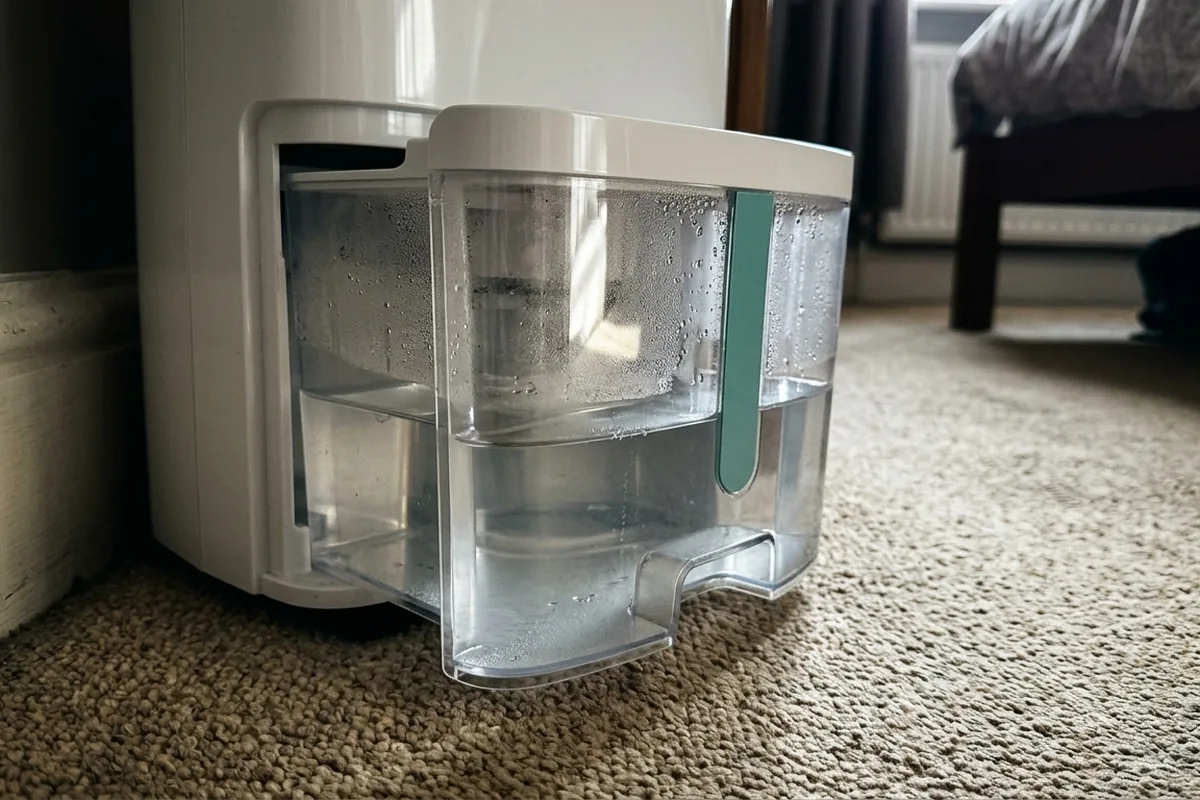
- Empty the tank fully and re-seat it properly so the float switch isn’t stuck
- Clean any dusty filter with a vacuum or gentle wash, as a clogged filter strangles airflow
When it still struggles: limits and next steps
If you’ve sorted placement, airflow, temperature and settings but the dehumidifier is still barely pulling water, it may be hitting a genuine limit rather than “not working”.
If the room is extremely damp
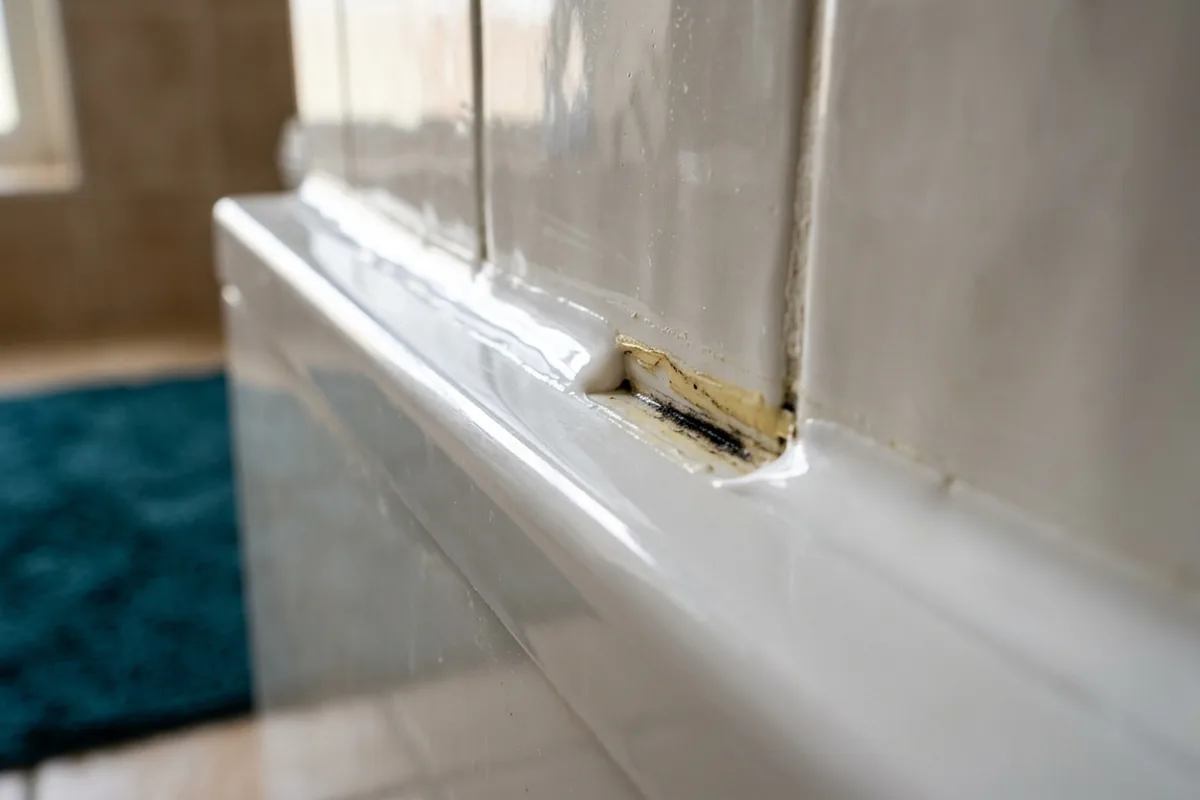
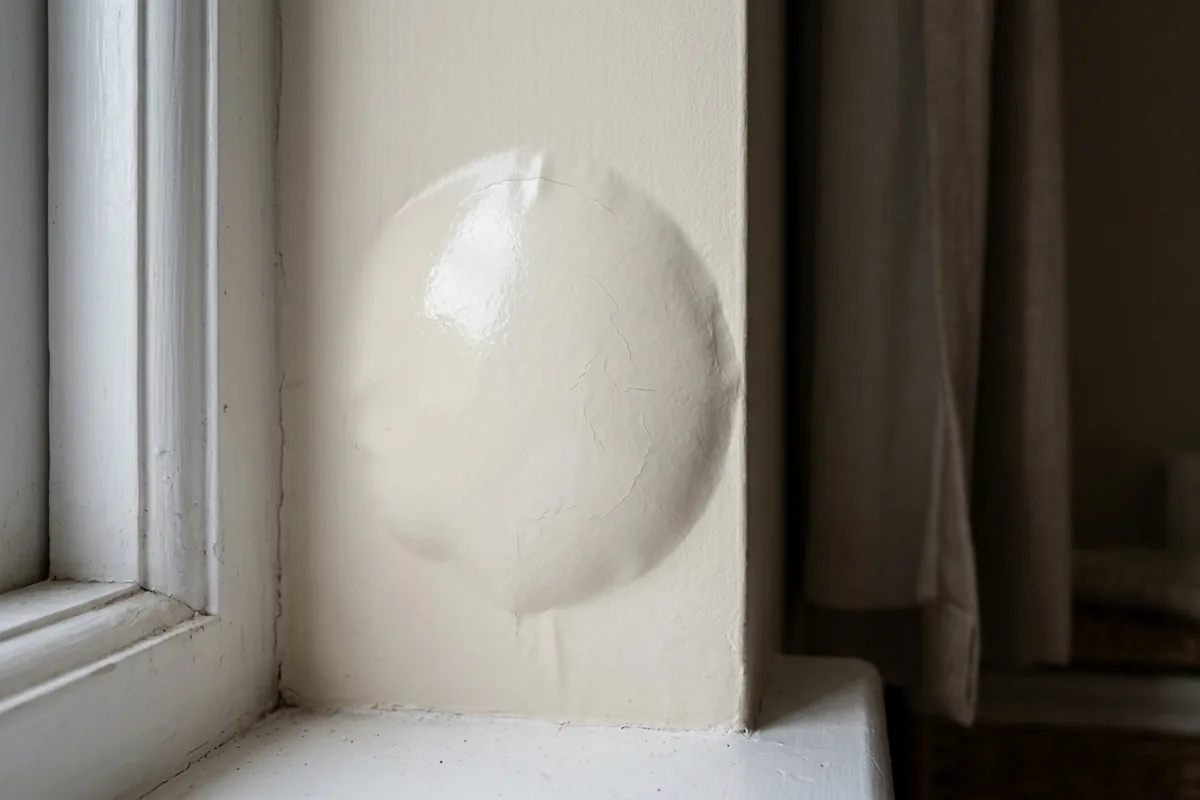
If you have damp skirting boards, mould on outside walls or a musty smell even with windows open, the problem may be structural damp (penetrating damp, rising damp or plumbing leaks). A dehumidifier can help symptoms, but it will not:
- Fix a leaking gutter soaking a wall
- Stop water coming up through a solid floor
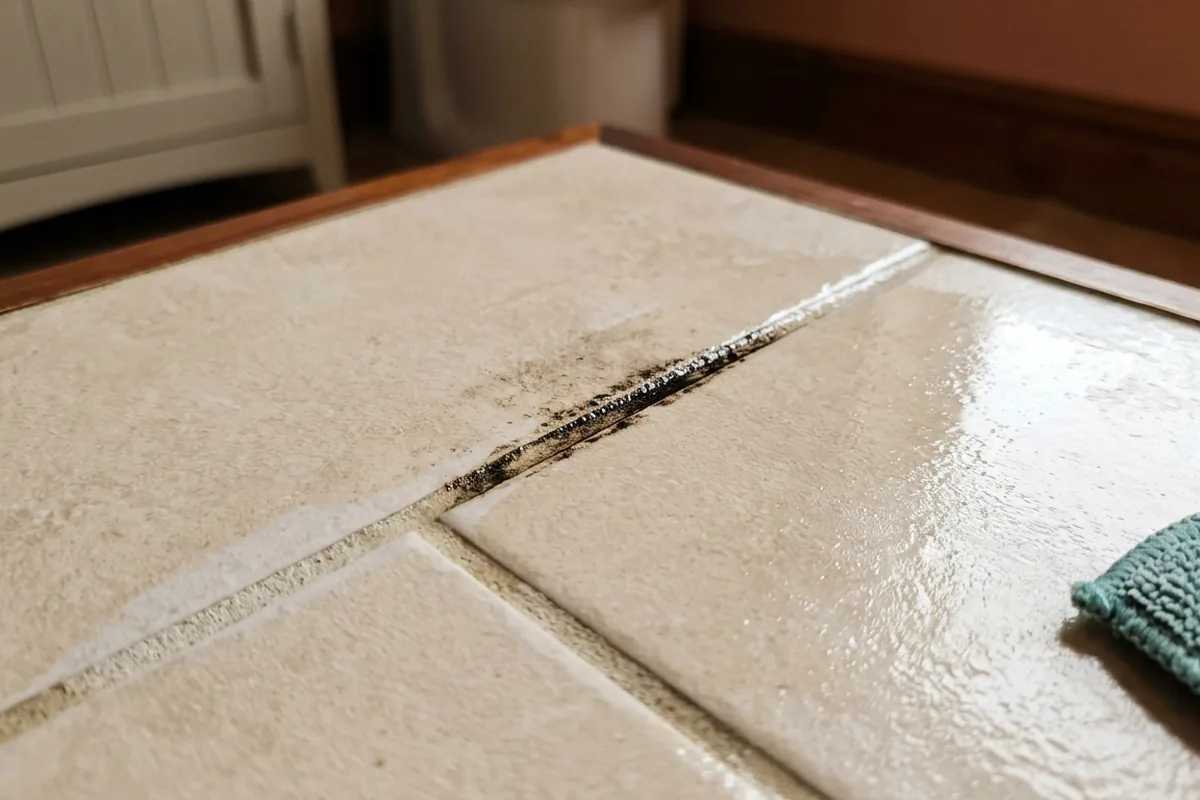
- Cure black mould that keeps returning on a cold, uninsulated wall
In these cases, use the dehumidifier to keep conditions safer and more comfortable, but look for the moisture source: blocked gutters, missing pointing, leaking pipes, or very cold external walls in a terraced house. For serious, persistent damp or widespread black mould, it is safer to get a qualified damp surveyor or builder involved rather than pushing the machine harder.
If the unit is simply too small
A tiny unit in a large, wet three-bed house with indoor drying and poor ventilation will always struggle. Signs it may be undersized:
- It runs constantly but humidity barely drops
- It fills the tank quickly in one small room, but the rest of the house stays damp
- Condensation returns as soon as you move it away
In that case, you can:
- Keep using it, but focus on the worst room, not the whole house
- Combine it with better ventilation: bathroom extractor fan on, kitchen hob extractor when cooking, a short window-open period during the day when weather allows
- Consider a second unit, or a higher-capacity model, if budget and space allow
If the moisture source is ongoing
Some sources simply overwhelm any domestic machine:
- Constant indoor clothes drying in a small flat with no extractor
- Long, hot showers in a bathroom with no fan and the door left open
- A cold, permanently wet cellar
Here the fix is partly behaviour: shorter showers, fan on and left running after use, using a heated airer with the dehumidifier nearby, or changing where you dry washing. The dehumidifier then becomes the finishing tool, not the only defence.
Once you stop treating the dehumidifier like a magic hoover for damp and start treating it like a targeted dryer for specific rooms, you should see a clear difference in how much water it collects and how your windows, walls and bedding feel over the next few days.