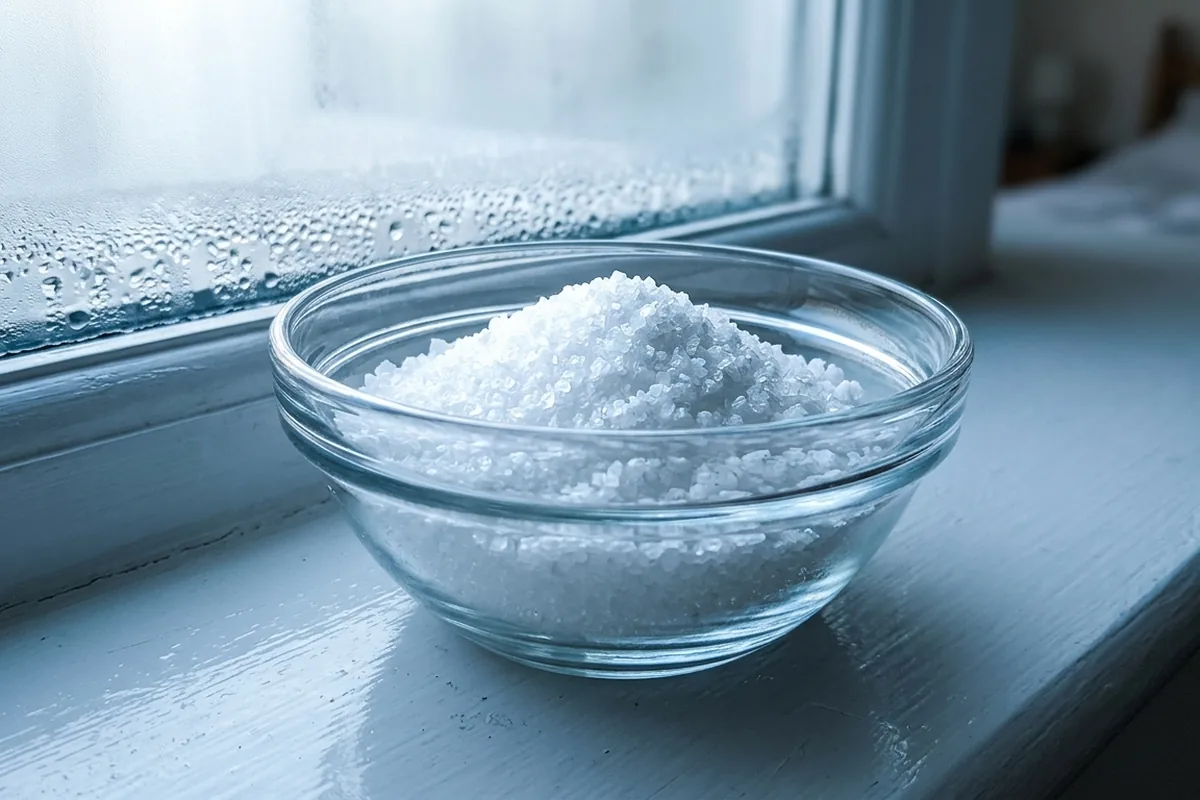
The bowl of salt trick sounds wonderfully simple when your bedroom window is running with water every cold morning. You wipe the glass, open the curtains, and by evening the sill is damp again and the black mould in the corner of the frame seems to be spreading. A friend says, “Just put a bowl of salt on the window board – it’ll sort it.”
When the bowl of salt actually helps
Salt is a basic moisture absorber. Left in an open bowl, it will slowly pull some water vapour out of the air, then clump and harden as it becomes damp. In a small, fairly enclosed space with light condensation – for example a box room, a rarely used spare bedroom, or a closed-up caravan – it can take the edge off a slightly humid atmosphere.
You’re most likely to see a modest benefit if:
- the room is small and can be shut off
- the window gets misty but not streaming wet
- there’s no obvious damp wall, leak or visible mould patch elsewhere
- you’re just trying to keep a windowsill or ornaments a bit drier overnight
In that situation, a bowl of cheap table salt or rock salt, refreshed every week or two, can help slow down misting on the glass and reduce the amount of water you need to wipe off in the morning. It’s closer to a very weak, homemade moisture trap than a full dehumidifier.
It can also be useful as a short-term indicator. If the salt in a small room clumps and turns wet very quickly, it’s a sign there is a lot of moisture in the air and you may need to look beyond quick hacks.
Where the salt trick fails on window condensation
For most British homes with streaming bedroom windows, cold outside walls or mould around window seals, salt is nowhere near powerful enough. Condensation is usually caused by everyday moisture from breathing, showers, cooking and drying clothes hitting cold glass and cold surfaces, not by a tiny excess that a bowl of salt can quietly mop up.
Salt will not fix:
- persistent wet glass where water runs down onto the window board
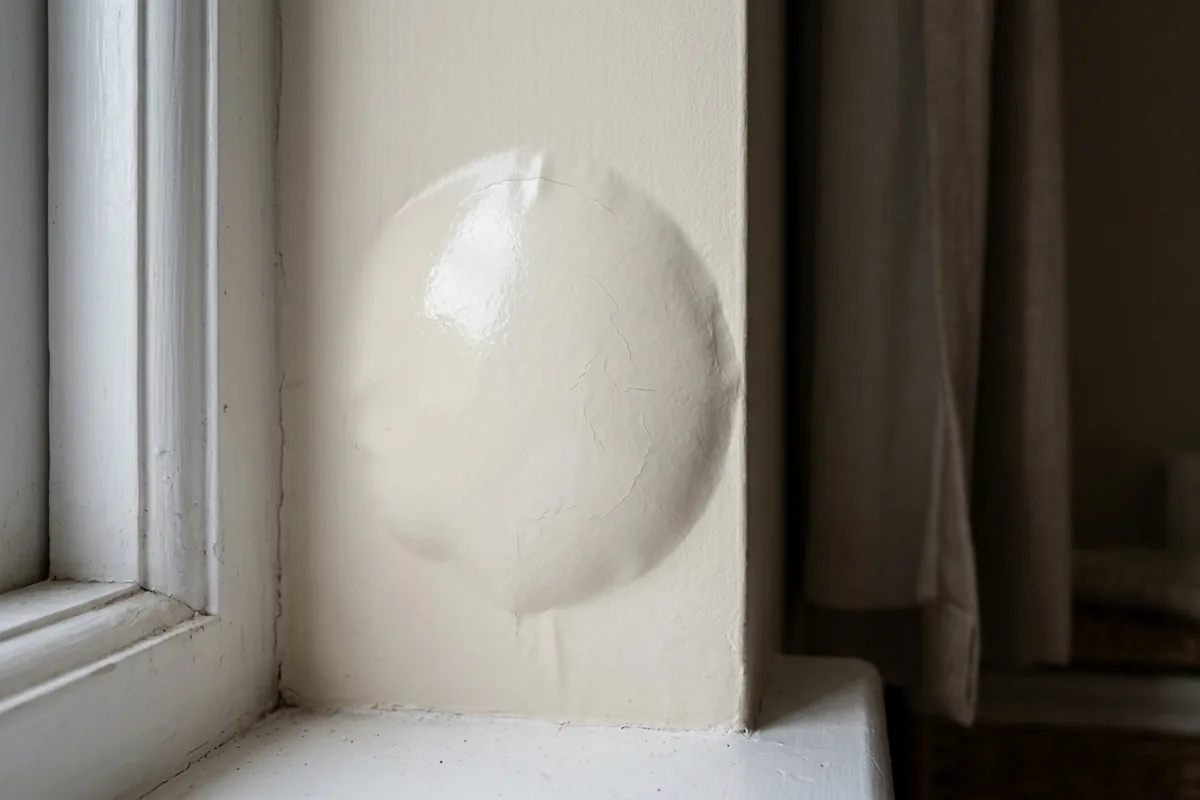
- damp skirting boards or wallpaper under the window
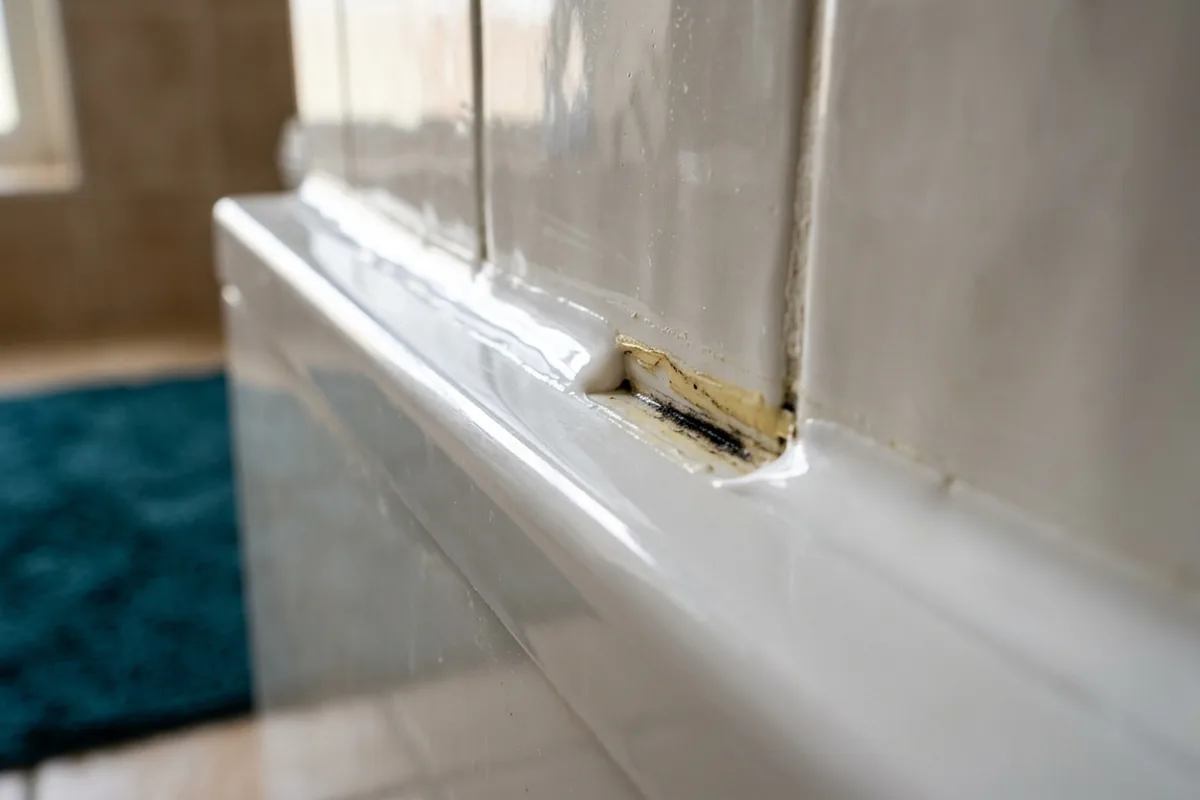
- black mould on silicone sealant or around the frame
- a cold, uninsulated outside wall or single glazing in a very humid room
In those situations, the priority is to get rid of the moisture at source and warm or ventilate the space properly. That usually means a mix of:
- Better ventilation: using trickle vents if you have them, opening the window slightly after showers or cooking, and making sure the bathroom extractor fan actually works and runs long enough.
- Less moisture indoors: avoiding drying clothes on radiators in small rooms, keeping the bathroom door closed when showering, and putting lids on pans.
- More even heat: keeping the room from getting very cold and then very warm, which encourages heavy condensation on the glass.
If you’re relying on bowls of salt on every sill while water still pools on the window board, it’s a sign the underlying moisture and temperature balance needs attention, not more salt.
If you see mould, not just mist
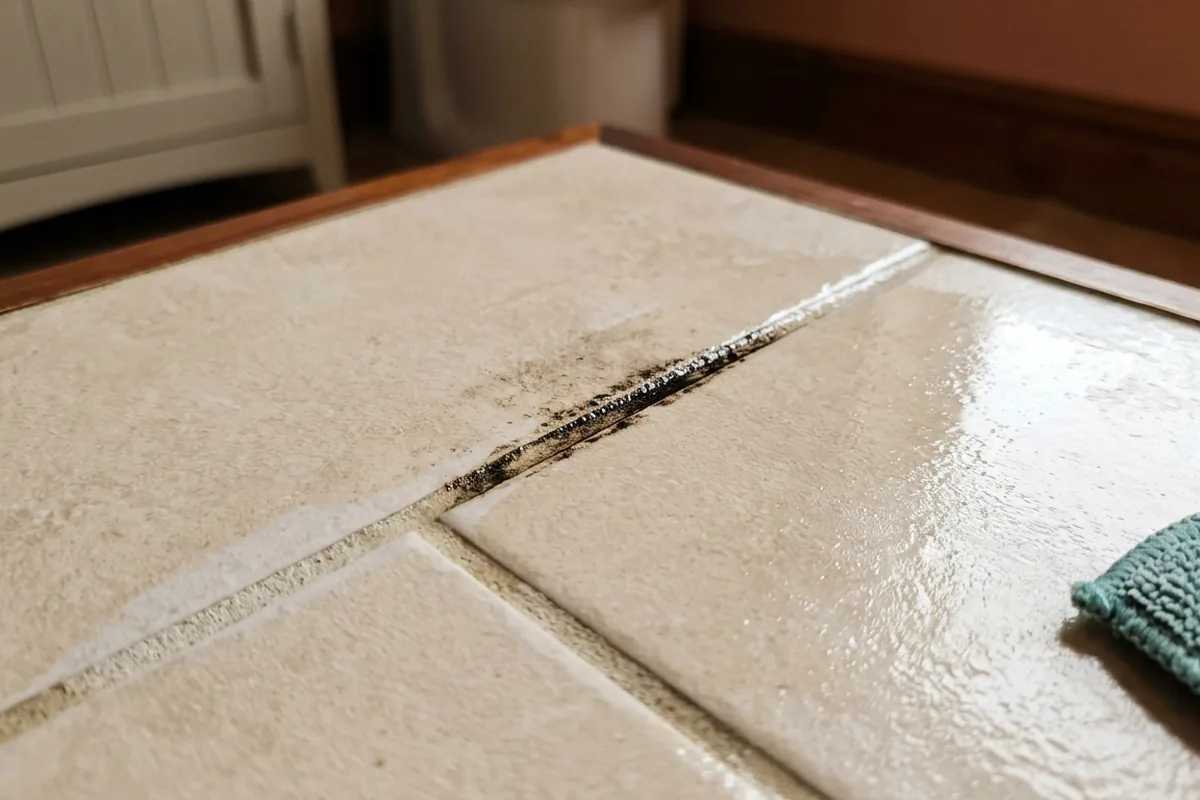
If there is visible mould on the window frame, silicone or wall, that’s beyond what salt can address. Clean small patches carefully with an appropriate mould remover, keep the area well ventilated, and look at why that corner stays damp – cold bridge, poor airflow behind curtains, or a radiator turned off under the window.
If mould is widespread, on ceilings or several walls, or you’re in a rented flat where the walls themselves feel damp, it’s safer to speak to the landlord or managing agent and, if needed, your local council’s housing team rather than trying to manage it with home tricks.
A better plan for wet windows than just a bowl of salt
The bowl of salt can still have a place, but as a minor extra, not the main solution. A simple routine works better for most homes with winter condensation on windows:
1. Clear the overnight moisture. Each morning, use a window squeegee or a microfibre cloth to remove the water from the glass and window board so it doesn’t sit and soak into timber or plaster.
2. Give the room a short air-out. Open the window slightly for 5–10 minutes, ideally with the bedroom door closed, to let moist air out without freezing the whole house.
3. Keep curtains off the glass. Thick curtains or blinds pressed against a cold pane trap damp air. Leave a small gap so air can move behind them, especially above radiators.
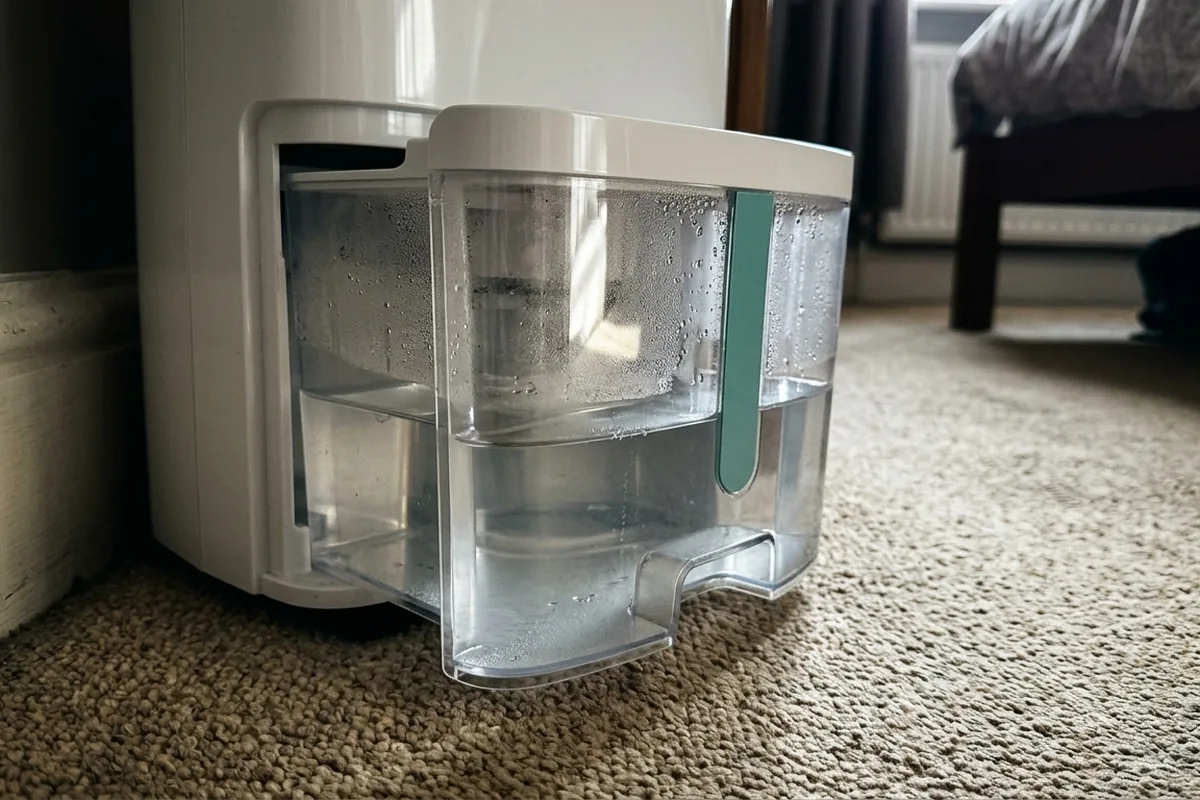
4. Use proper moisture control if needed. A small desiccant moisture trap or a plug-in dehumidifier is far more effective than salt in a typical UK bedroom or living room, particularly in a terraced house or ground-floor flat that tends to stay cool and humid.
In that context, a bowl of salt on the sill is fine as a cheap top-up or experiment, but if your windows are still wet every morning and the wall below feels cold, focus your effort on ventilation, gentle heating and checking for any signs of real damp rather than expecting the salt to do more than it can.