That grey or black fuzz on the bathroom ceiling, around the window seal or on a bedroom wall is usually mould feeding on moisture and dust. Household remedies like vinegar and bicarbonate of soda can clean light surface mould on hard, wipeable areas, but they will not fix a damp wall, leaky roof or a bathroom with no ventilation. Use them for small patches you can reach safely; if the mould keeps returning, is widespread or you feel unwell around it, you have gone beyond what kitchen cupboard tricks can sensibly do.
Using household remedies safely on small patches of mould
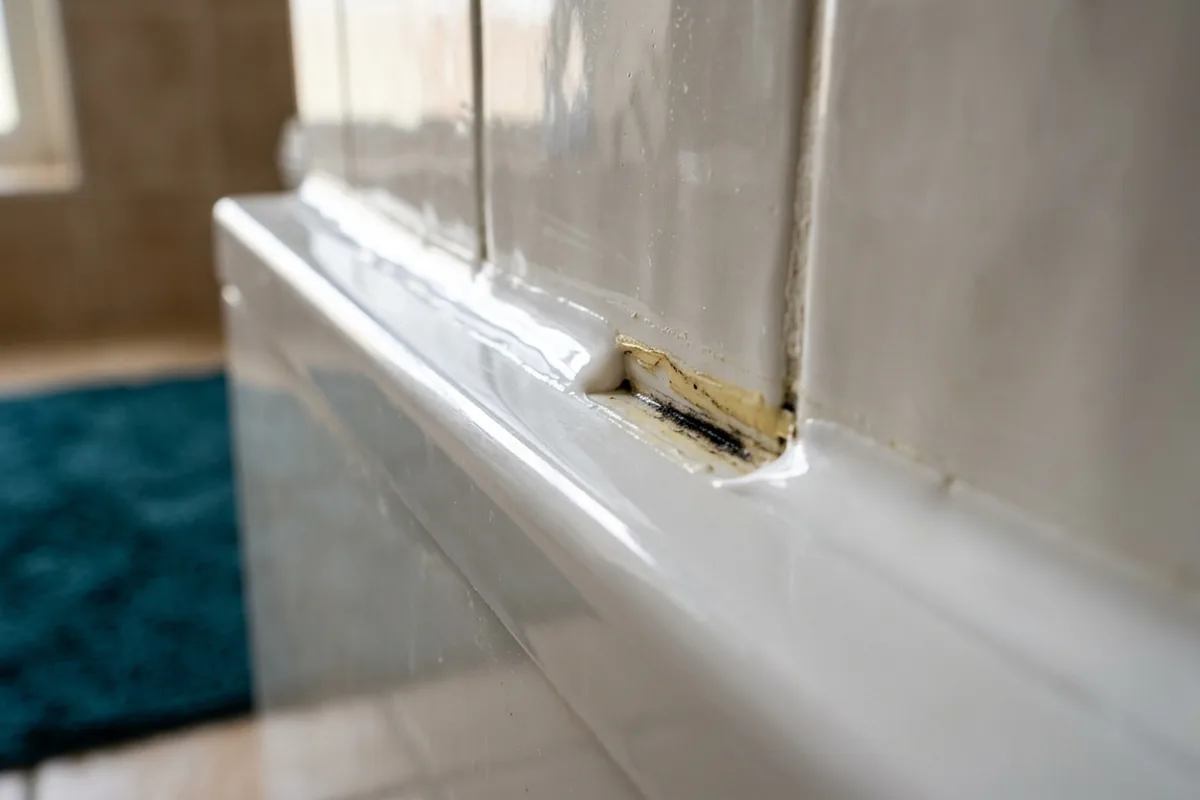
For small, local patches on tiles, painted walls, silicone sealant or window boards, simple remedies can help tidy things up and buy you some time while you tackle the moisture problem.
A sensible rule of thumb is: no more than about a sheet of A4 in total area, and only where you can reach without stretching or ladders.
Vinegar, bicarbonate of soda and mild detergent
On hard, non-porous surfaces (tiles, glass, uPVC, enamel, most gloss paint):
- Mix white vinegar 50:50 with water in a spray bottle.
- Lightly spray the mouldy area, leave for 30–60 minutes.
- Wipe with a cloth you can throw away or hot-wash, then rinse with clean water.
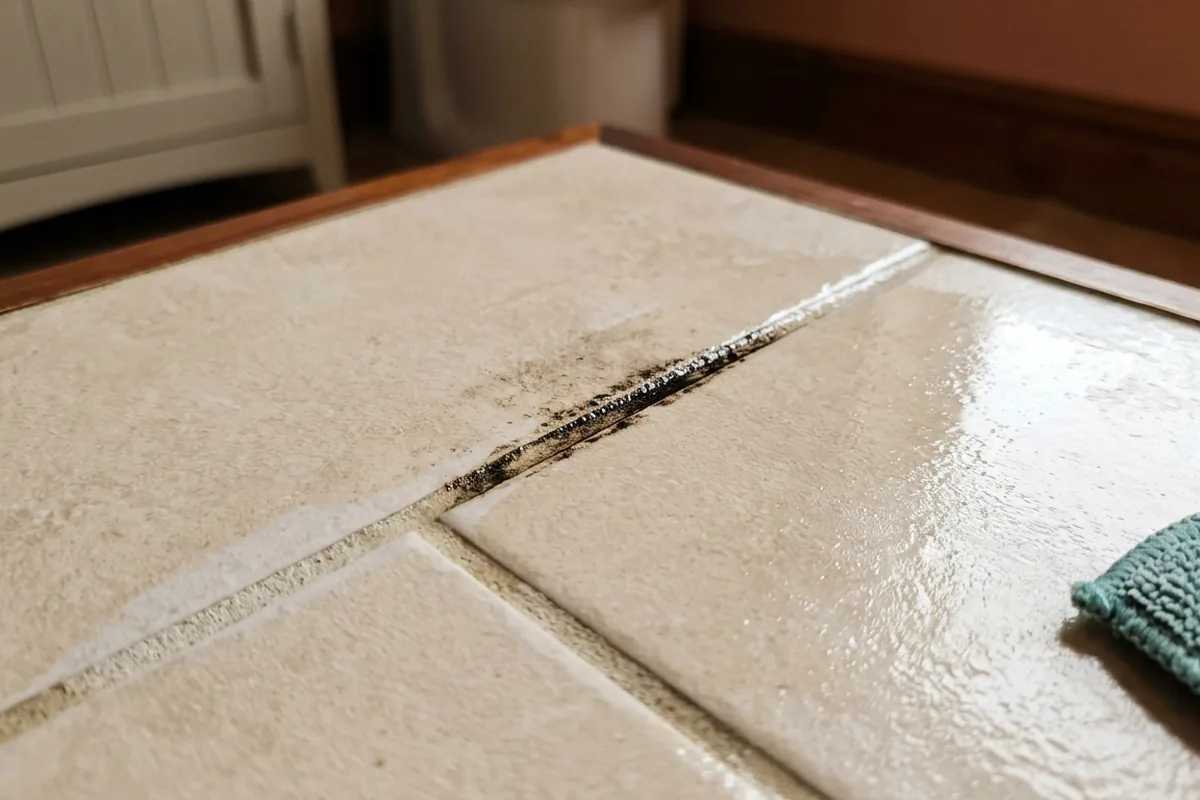
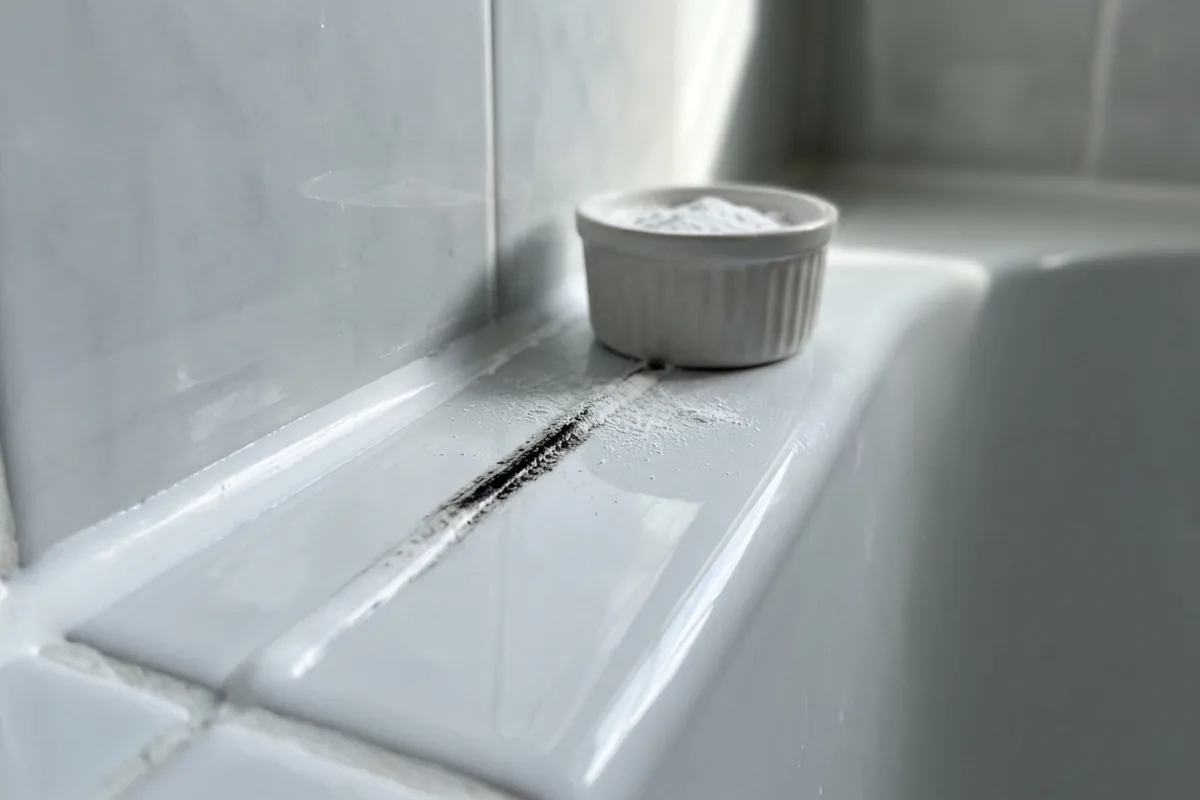
- For stubborn staining in grout lines or on silicone, make a paste of bicarbonate of soda and a little water, dab it on, leave 10–15 minutes, then gently scrub with an old toothbrush and rinse.
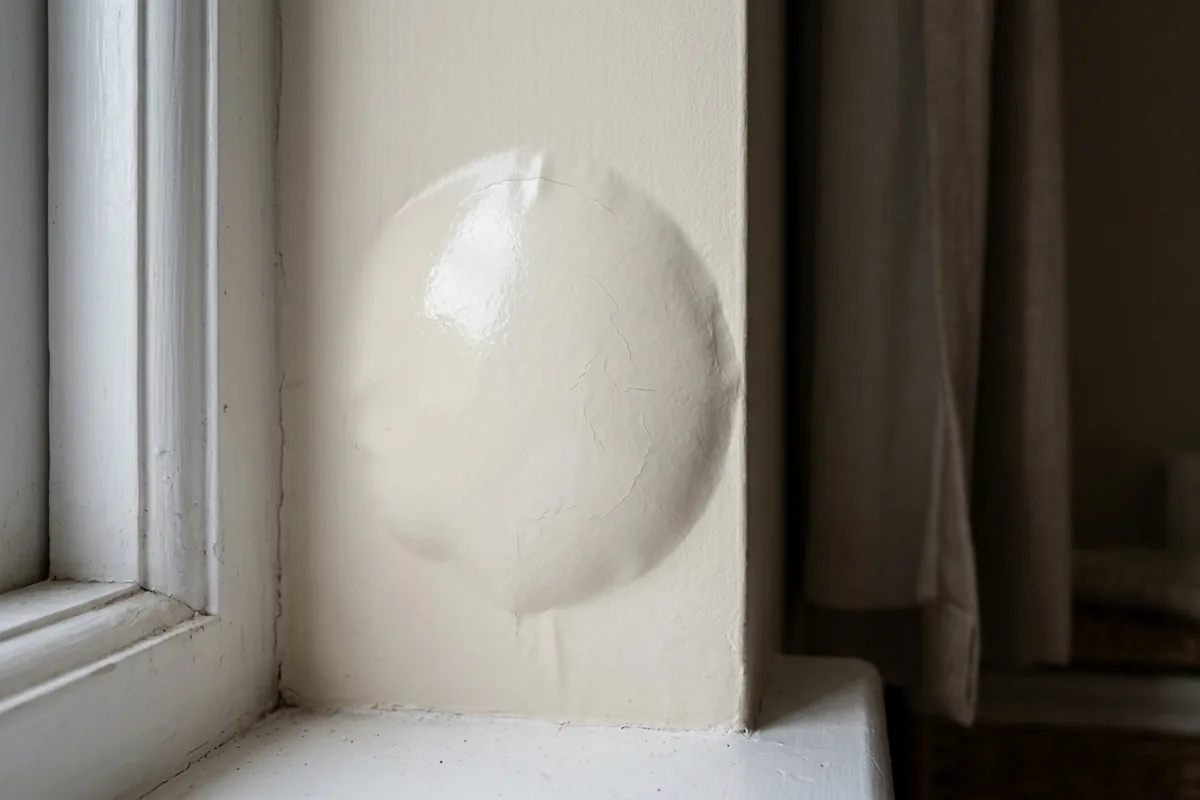
On emulsion-painted walls in bedrooms or hallways, be gentler:
- Dampen a microfibre cloth with diluted washing-up liquid or weak vinegar solution.
- Wipe the surface lightly rather than scrubbing, to avoid lifting the paint.
- Pat dry with kitchen roll.
On rubber window seals and uPVC frames, vinegar or a mild detergent solution on a cloth usually works well. Avoid anything gritty that could scratch the surface.
Key safety points:
- Wear gloves and keep the room ventilated.
- Avoid breathing in dust: if the patch is dry and powdery, lightly mist with water first so spores do not puff into the air.
- Do not use vinegar on natural stone, some decorative tiles or damaged grout without testing a hidden spot first.
Where bleach fits in – and where it does not
Household bleach can visually remove black staining on grout and silicone, but it does not soak deeply into porous materials and it is harsher on surfaces and lungs.
If you decide to use it on a small area:
- Dilute it as per the label.
- Ventilate the bathroom well and wear old clothes.
- Apply carefully with a cloth or cotton bud rather than spraying everywhere.
- Rinse thoroughly afterwards.
Crucially: never mix bleach with vinegar or any product containing ammonia. This can release dangerous gases. If you have already used vinegar, rinse well with clean water and let the area dry before using anything bleach-based.
When mould remedies are not enough – and what that tells you
If you are cleaning the same corner of the ceiling every few weeks, or the mould is spreading beyond one obvious damp patch, the problem is not your cleaning method, it is ongoing moisture.
Here is a simple way to see what your mould is really telling you:
| Situation | Try household remedies? | What it usually means |
|---|---|---|
| Small patch above a steamy shower | Yes, with good ventilation | Condensation and poor steam removal |
| Black mould on bedroom outside wall | Carefully, but look deeper | Cold wall and high indoor humidity |
| Mouldy skirting boards and musty smell | No, investigate damp source | Possible rising or penetrating damp |
| Large area on ceiling after roof leak | No, fix leak and get advice | Water ingress from above |
| Mould behind furniture in a rented flat | Light clean, then report | Poor ventilation and cold surfaces |
If you notice any of the following, do not rely on home remedies:
- Mould covering more than about a square metre in total.
- Mould on porous materials like plasterboard that feels soft, crumbling skirting boards or damp timber.
- A constant musty smell in a room even after cleaning.
- Mould returning quickly despite better ventilation and regular wiping.
- Anyone in the home having breathing issues that seem worse in the affected room.
In these cases, cleaning is only cosmetic. You need to find and reduce the moisture source: leaks, blocked gutters, missing extractor fans, permanent condensation or structural damp. For serious or persistent issues, especially in older or rented properties, it is worth speaking to the landlord, managing agent or a qualified damp specialist rather than scrubbing endlessly.
Reducing moisture so the mould does not come back
Household remedies work best as part of a wider routine to keep surfaces dry and the air moving. Without that, you will be back with the spray bottle in no time.
In a small UK bathroom with no window, running a proper extractor fan is often more effective than any cleaner. Let it run for 15–20 minutes after a shower. Wipe down tiles, the shower screen and the window board with a squeegee or microfibre cloth so water is not left sitting.
Around bedroom windows in winter, daily condensation is common. Wipe the glass and uPVC frames each morning so moisture does not sit in the corners and on the silicone sealant. Leaving trickle vents open and airing the room, even for ten minutes, makes a noticeable difference.
Elsewhere in the home:
- Keep furniture a little away from cold outside walls so air can circulate.
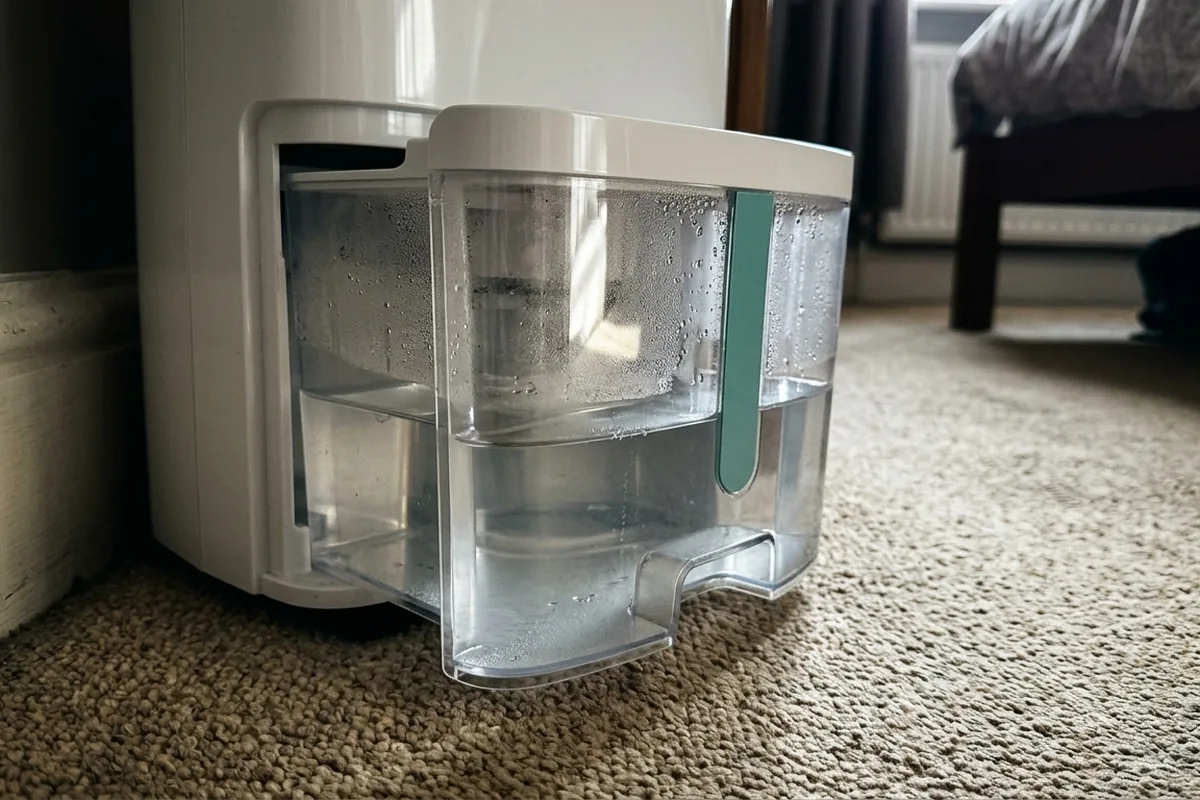
- Avoid drying all your washing in one closed room without ventilation or a dehumidifier.
- Check under-sink cupboards and around washing machines for slow leaks that keep areas damp.
If you have cleaned a small area with vinegar or bicarbonate of soda and it stays clean for weeks once you change these habits, the remedy has done its job. If, despite better airflow and less moisture, mould still appears or spreads, that is your cue to stop relying on homemade mixtures and get the underlying damp assessed.
The most useful way to think about household mould remedies is this: they are good for tidying up light surface growth and stains, not for curing a damp building. Once you are cleaning more often than you would like to admit, the real fix is no longer in the cleaning cupboard.