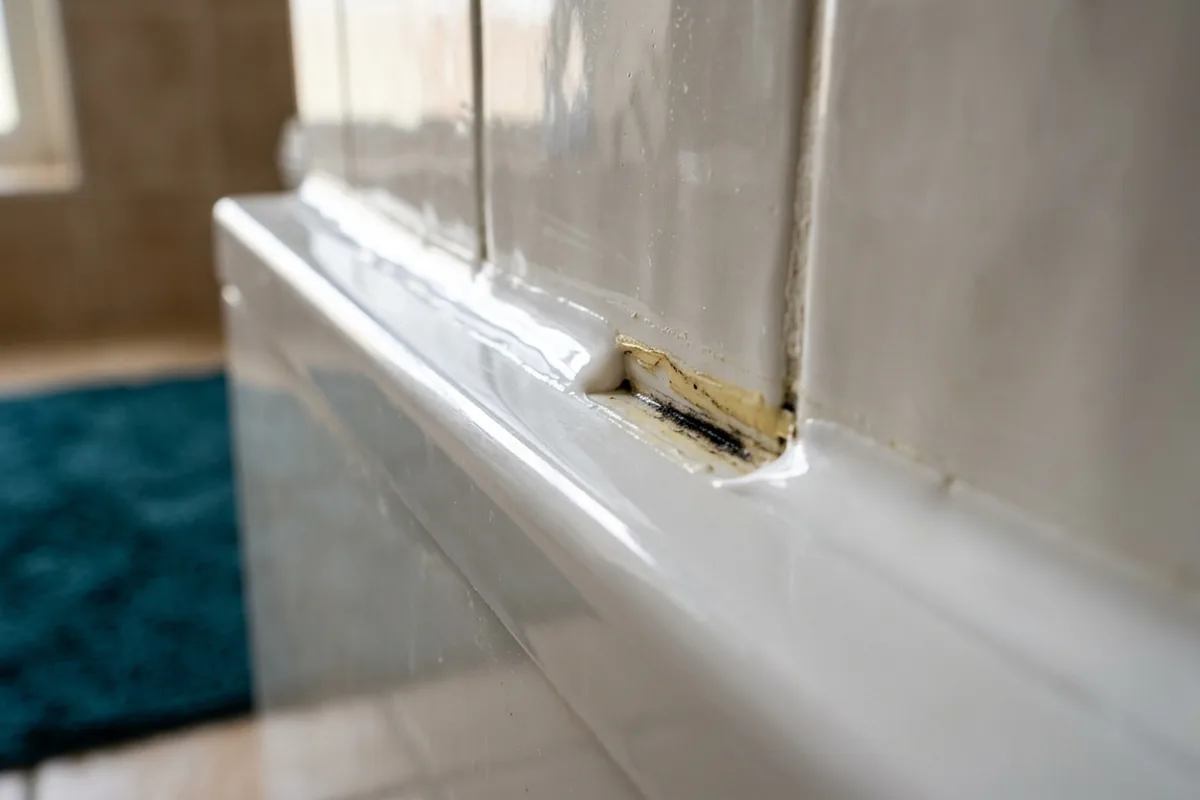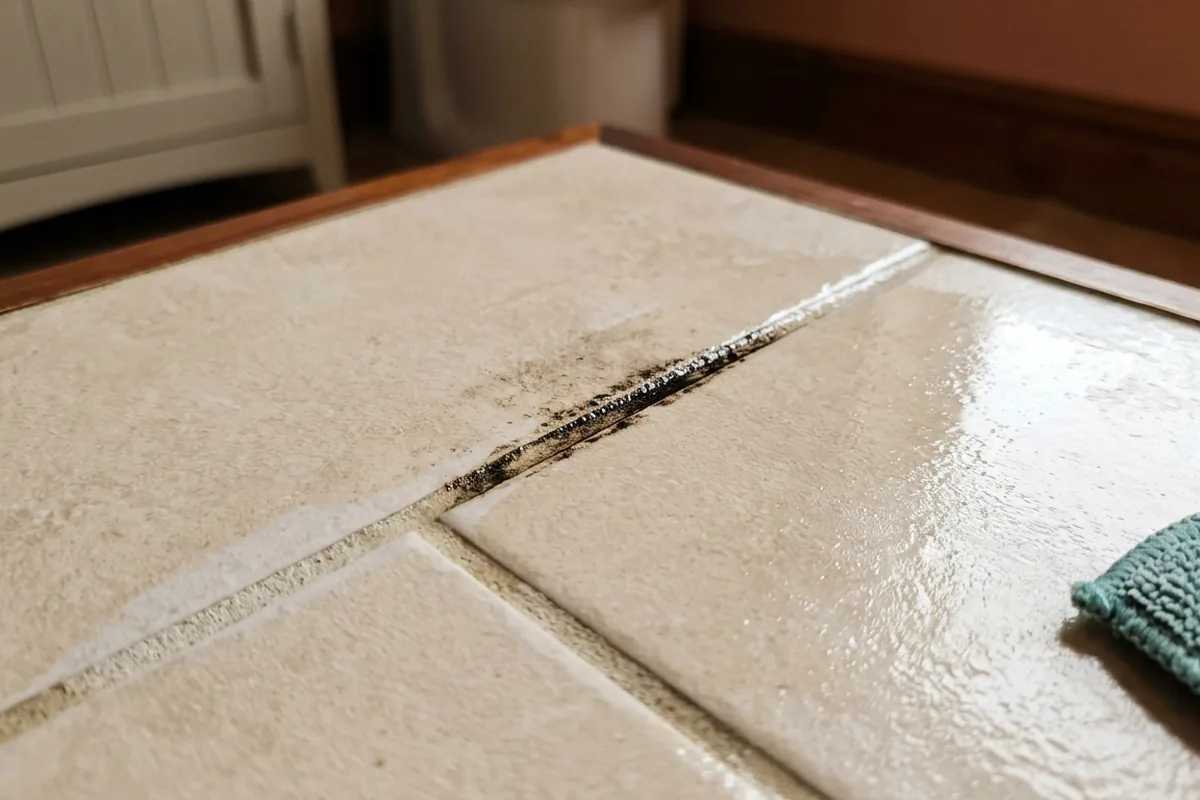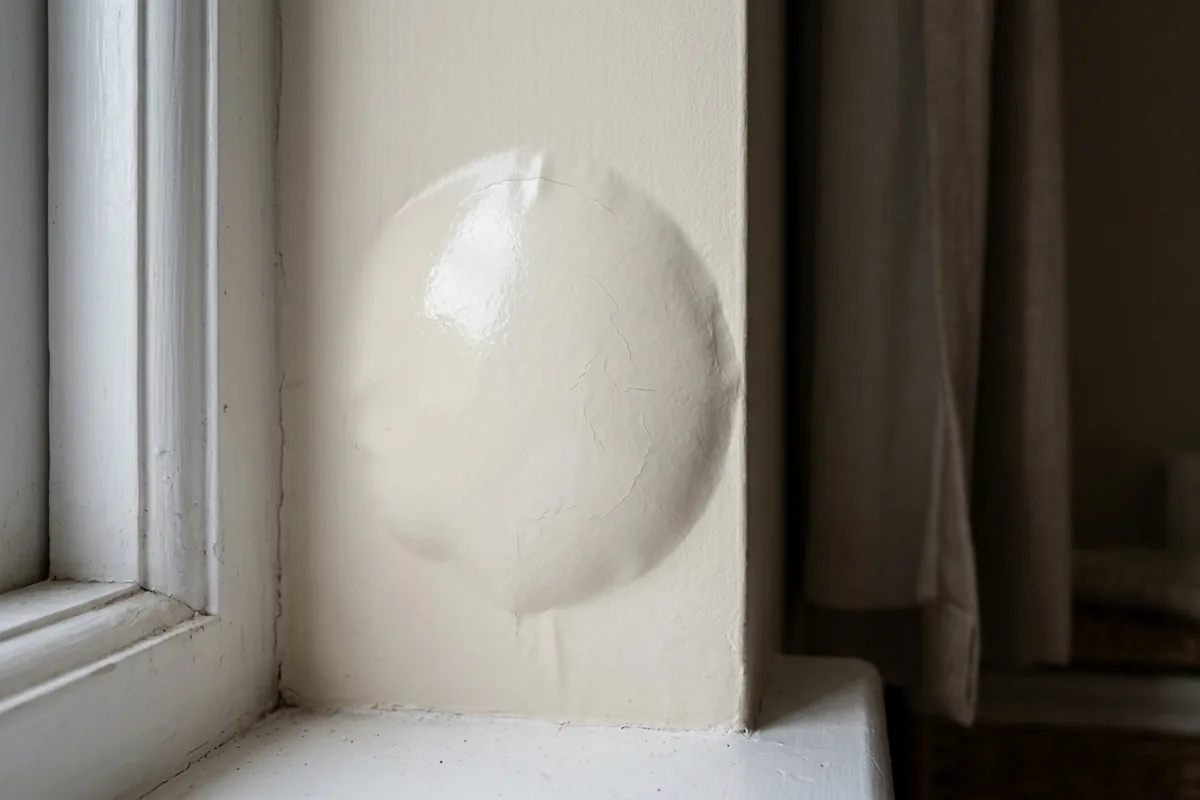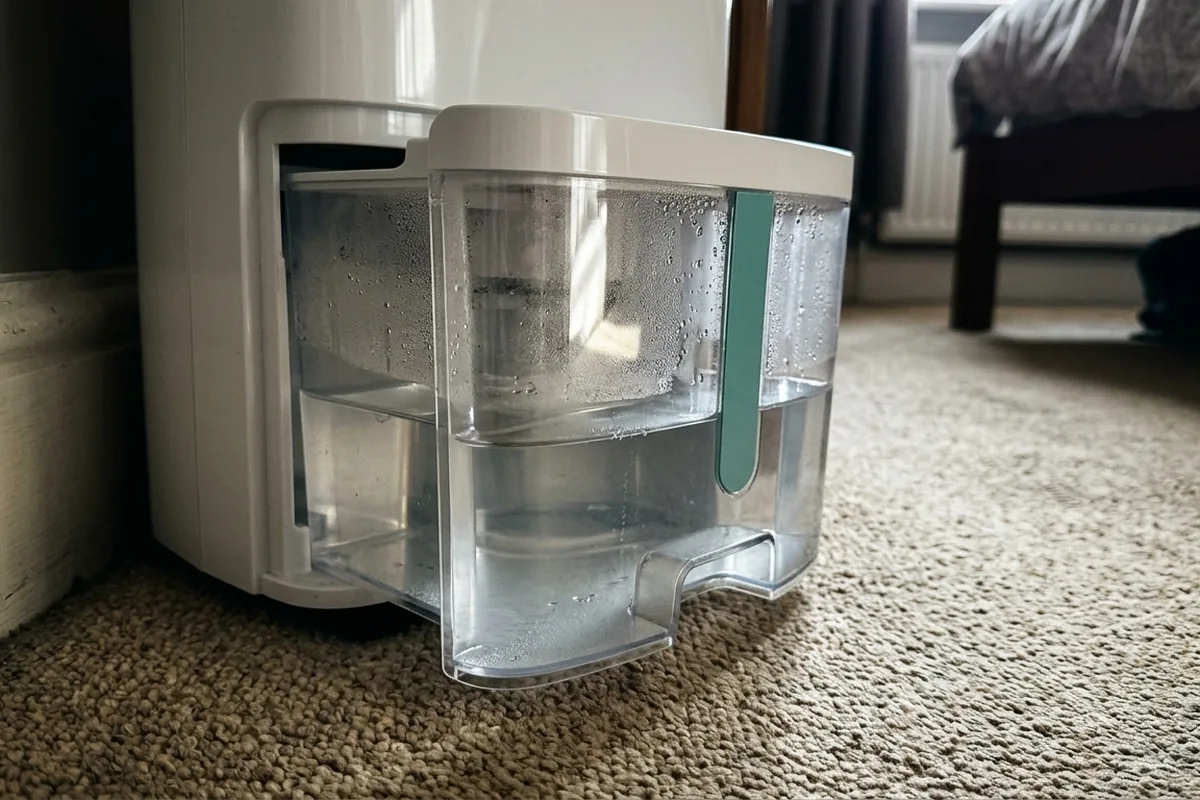
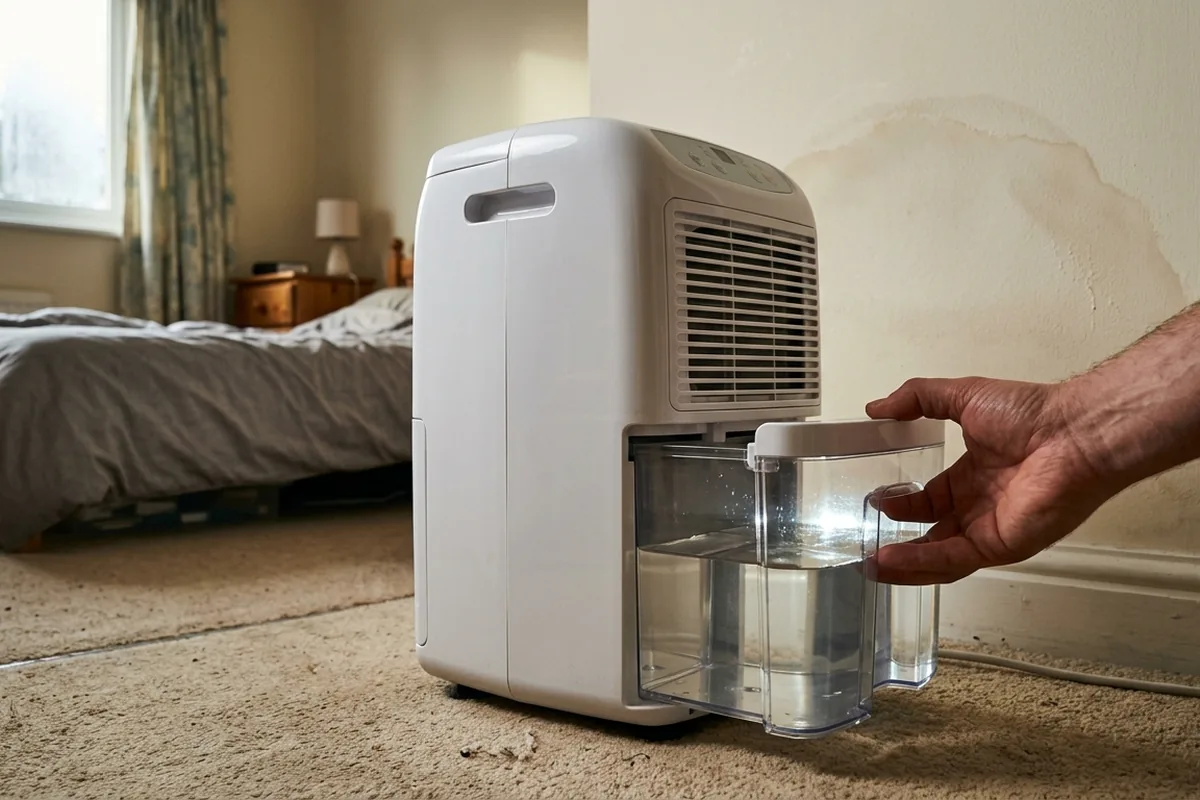
The clue you’ve already noticed is usually damp windows, musty cupboards or laundry that never quite dries in a spare room. You know a dehumidifier will help, but the shelves at B&Q are full of different sizes and numbers: 10L, 12L, 20L, 25L.
The key is this: match the dehumidifier to the room size, the problem and how cold the space gets. A small 8–12L unit is fine for a single bedroom with mild condensation. A typical 18–25L unit suits a whole 2–3 bedroom house or very damp areas. Anything smaller than your moisture problem will run constantly, make little difference and still leave mould on the window board.
How to match dehumidifier size to your home
The “size” of a dehumidifier is usually its daily extraction rate in litres, tested in warm, humid lab conditions. At normal UK temperatures it will remove less, so you need to be realistic.
For most homes, you can get close enough with this simple guide:
- Small room / light damp (box room, home office, small bedroom with light condensation): 8–12L compressor dehumidifier.
- Average bedroom or living room in a typical semi or terraced house: 10–16L.
- Whole small flat or 2–3 bedroom house, especially if you dry clothes indoors: 18–25L, ideally with a laundry mode and a decent fan.
- Garage, shed or very cold conservatory: consider a desiccant dehumidifier around 7–10L, as they work better in cold spaces.
If you’re between two sizes, go one size up. A slightly larger unit will usually run for fewer hours and may be quieter overall.
A quick way to sanity-check the size
Think about three things before you buy:
1. Where is the worst moisture?
Streaming bedroom windows, damp skirting boards on an outside wall, or a musty under-stairs cupboard all point to heavier moisture.
2. How big is the space you actually want to dry?
Measure roughly: length × width in metres. A 3×4m bedroom is very different to trying to dry an entire 3-bed house from the landing.
3. How cold does it get?
Compressor units lose efficiency in cold rooms, like unheated spare rooms or a chilly utility. If a room is often below about 15°C, either heat it a bit when the dehumidifier is on, or look at a desiccant model.
If you are trying to dry a whole house, place the unit on the landing or in the most central spot, keep doors open and run it for long enough to notice a change in your humidity or window condensation.
When a bigger dehumidifier is not actually better
It’s easy to think “I’ll just buy the biggest one”, but there are limits.
A too-large unit can be:
- Noisier than you’ll tolerate in a small flat or bedroom.
- Overkill for a single room, pulling the air dry and uncomfortable if you sit right next to it.
- Heavier and bulkier, awkward if you need to carry it between floors.
- Pointless in the wrong place: a 25L dehumidifier shut in the hall with bedroom doors closed will still leave mould on bedroom window seals.
Also remember: a dehumidifier will not cure every kind of damp. If you have:
- Brown stains spreading on ceilings or walls
- Plaster that feels crumbly or salty
- Persistent damp patches low on walls, especially in older solid-walled houses
then you may be dealing with a leak or structural damp, not just indoor humidity. In that case, a dehumidifier can limit damage, but you should speak to a qualified damp or building specialist rather than upsizing the machine again and again.
Features that matter more than the number on the box
Once you’re roughly in the right size range, a few features will make more difference to daily life than quibbling between, say, 18L and 20L.
Look for:
- A built-in humidistat: lets you set a target (often around 50–55% relative humidity). The unit then cycles on and off, which saves electricity and avoids over-drying.
- Continuous drain option: useful if you’re running it in a utility room or garage and don’t want to keep emptying the tank.
- Laundry mode: runs harder for a few hours, handy if you dry washing on an airer in a small room.
- Decent carry handle and castors: especially if you’ll move it between upstairs bedrooms and the lounge.
- Clear tank design: so you can see at a glance how much water it’s pulling out of that damp spare room.
Noise ratings are worth checking if it’s going near a bedroom. A unit running gently at night on a landing is often better than a small one blasting away for a short time in the morning.
If you’re unsure between two models, picture where it will actually sit: by the patio doors in the lounge, in a small rented flat’s hallway, or in a cold conservatory. Choose the one whose size, weight and noise level fit that reality, not just the biggest extraction figure.
Once it’s in, give it a fair trial: run it for several days with doors open, then check your bedroom windows at 7am and the feel of previously damp skirting boards. If they’re drier and the musty smell has eased, you’ve probably got the size about right.