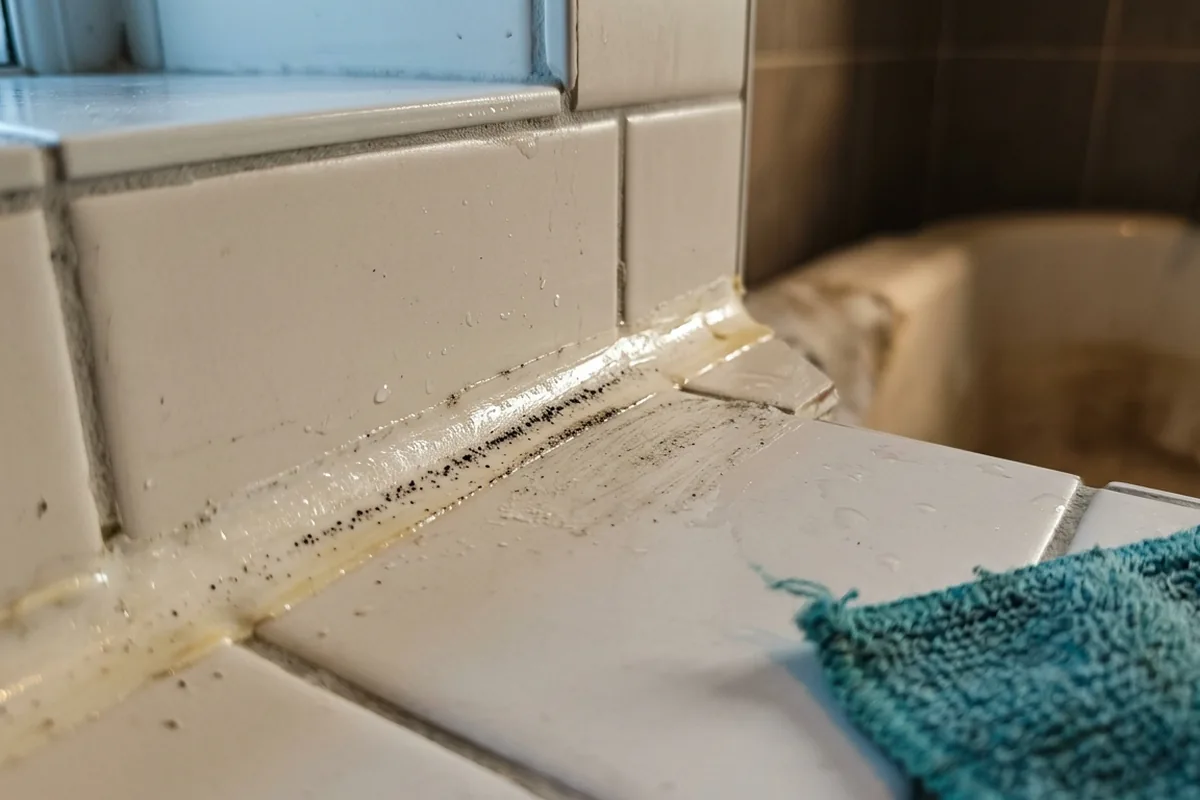
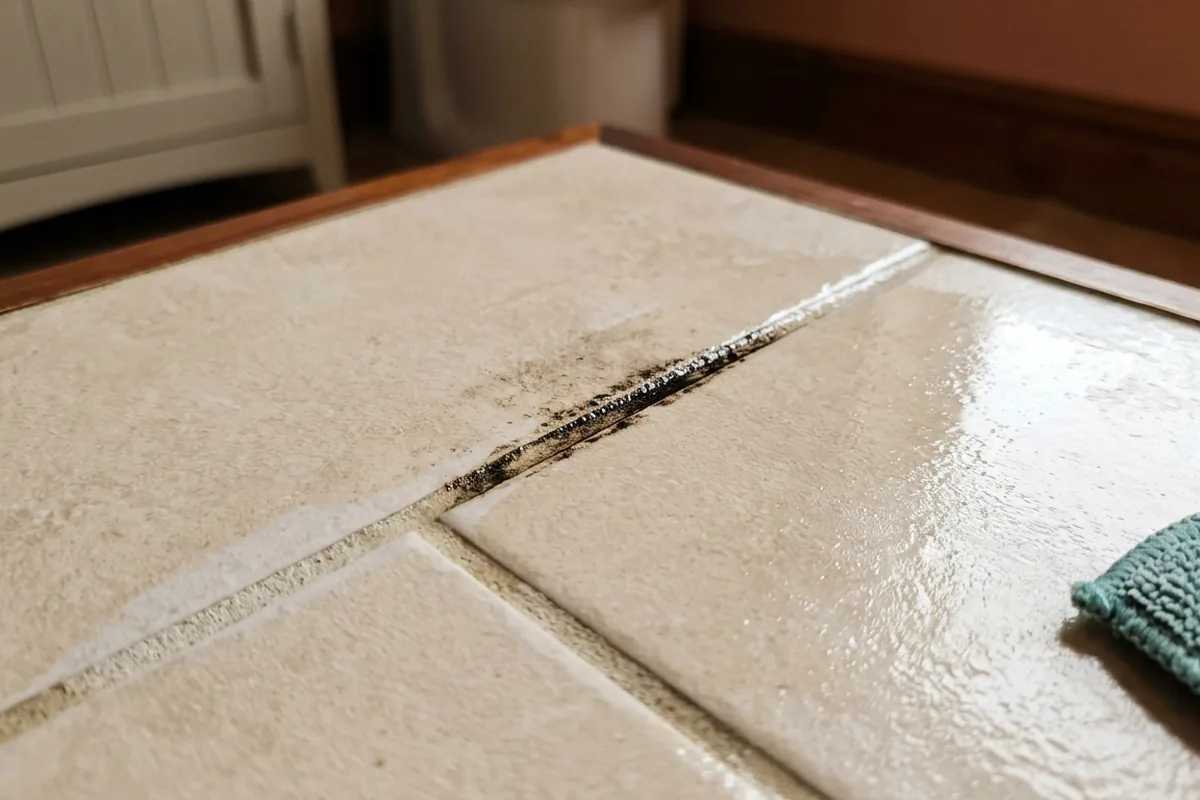
You scrub the shower grout, it looks decent for a week, then the black patches creep back along the lines, especially around the shower and bath. The reason is usually not that you cleaned badly, but that you only removed the surface staining. The black is often mould rooted inside porous grout, fed by constant moisture, soap residue and poor ventilation. Until you tackle those three things – deep contamination, daily damp and residue – the blackness will keep returning, no matter how strong the cleaner is.
Why the black marks keep coming back
Bathroom grout is slightly porous, especially older cement-based grout between ceramic tiles. Once it has been wet and soapy for years, it behaves like a sponge.
The black you see is usually mould or mildew growing inside the grout, not just sitting on top. A normal quick spray-and-wipe only bleaches the surface, so it looks better for a short while but the roots are still there.
Common reasons it returns fast:
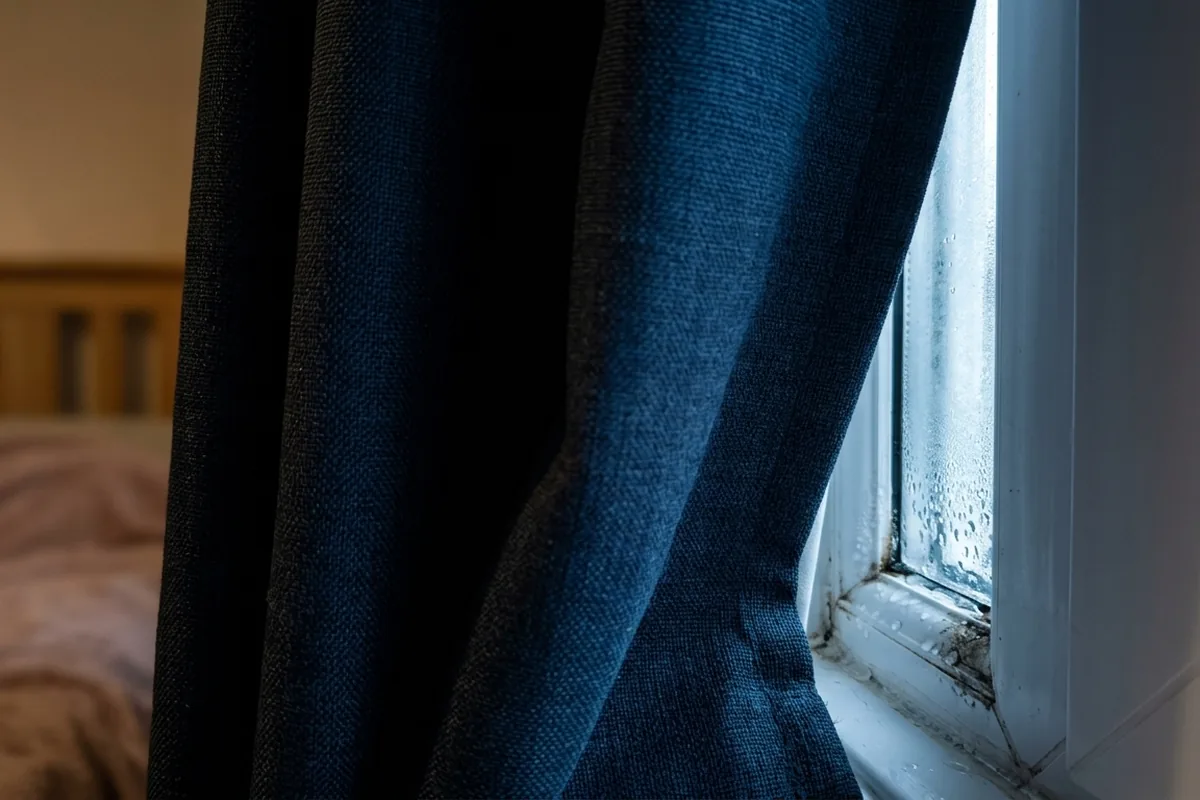
- Grout stays damp for hours after a shower because the room is steamy and the extractor fan is weak or barely used.
- Soap scum and body oils sit in the grout lines, giving mould something to feed on.
- Limescale from hard water roughens the surface so grime clings more easily.
- Hairline cracks or worn grout hold moisture deeper, so mould can grow inside where cleaners don’t reach.
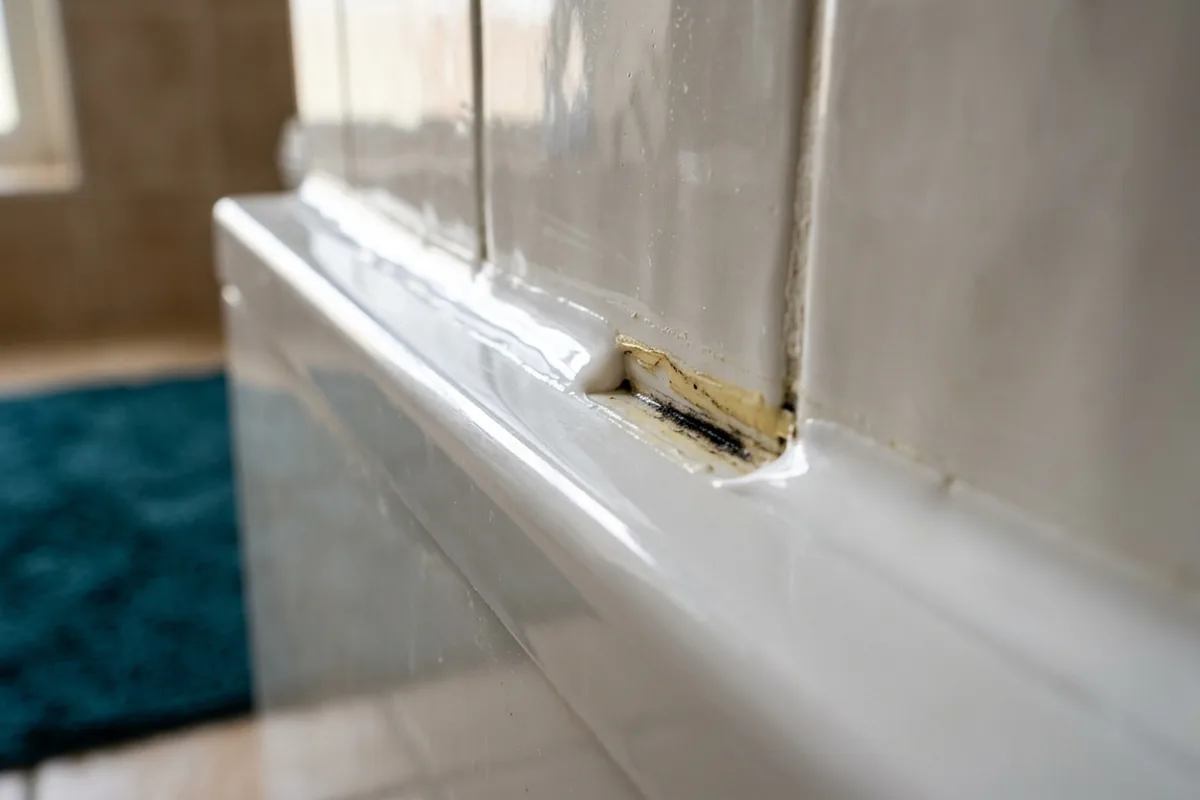
In corners and along the bath edge, the black may actually be in the silicone sealant rather than the grout. Once silicone is stained through, cleaners can only do so much and replacement is usually the only way to get it properly white again.
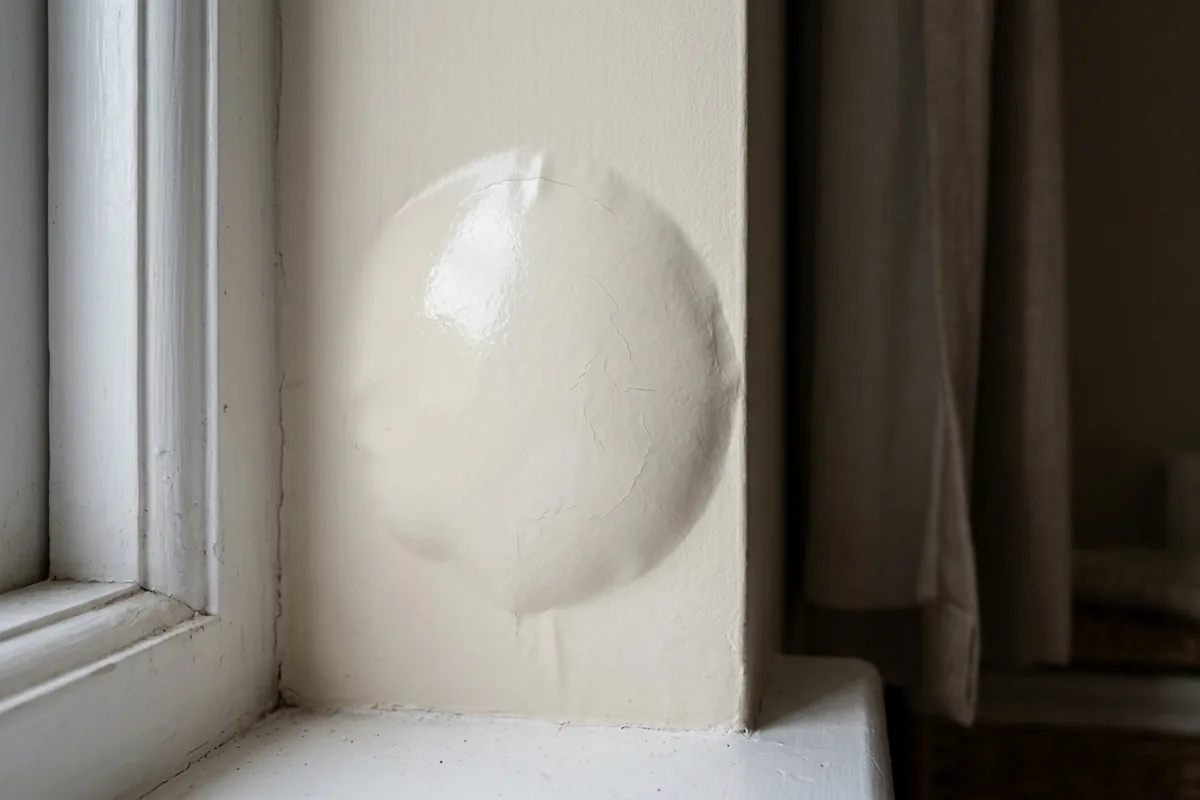
If the grout is constantly wet because the shower leaks or the wall behind is damp, you can also see black staining that never really leaves. That needs diagnosing as a possible damp or leak issue, not just more scrubbing.
What to change in your cleaning so it lasts longer
A quick spray after weeks of build-up is rarely enough. You need a deeper clean once, then lighter routine habits that stop the grout staying wet and dirty.
For a deeper clean on standard ceramic tiles and cement grout:
1. Ventilate and protect yourself
Open a window or run the bathroom extractor fan, wear gloves and old clothes. Avoid breathing in strong bleach fumes in a tiny flat bathroom.
2. Remove soap scum first
Use a bathroom cleaner or washing-up liquid in warm water and a soft brush to remove the greasy film. If you skip this, mould cleaners work less effectively.
3. Use a mould-targeted cleaner
A bathroom mould spray or diluted household bleach can kill mould spores better than general cleaners. Always follow the label, and never mix bleach with vinegar or other products. Apply, leave for the stated time, then rinse well.
4. Gently scrub the lines
Use an old toothbrush or a small grout brush. Avoid metal brushes that can damage grout and make it more porous.
5. Rinse and dry the area
Rinse with clean water, then wipe the tiles and grout with a microfibre cloth or use a window squeegee. Getting the surface dry is what many people skip.
Once you have done a proper clean, the key to stopping the black from returning so quickly is changing what happens after every shower:
- Run the extractor fan during and for at least 15–20 minutes after a shower.
- Squeegee the tiles and grout to remove most of the water.
- Leave the shower door or curtain open so air can circulate.
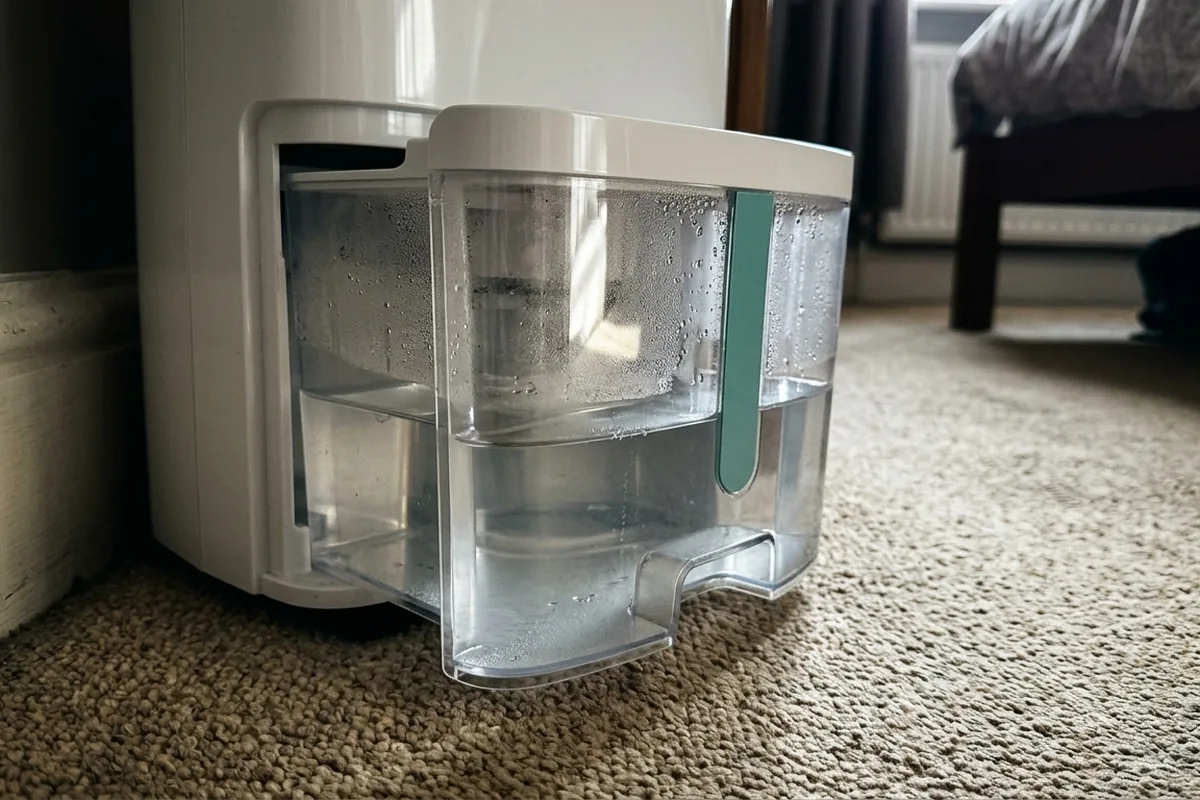
- In very small or windowless bathrooms, a small dehumidifier outside shower times can help reduce persistent moisture.
None of this makes grout magically mould-proof, but it usually stretches the time between deep cleans from weeks to months.
When grout or sealant is too far gone
Sometimes the reason grout turns black again is simple: it is already damaged or saturated, so cleaners only ever give a short-lived cosmetic improvement.
If the grout is crumbling or badly stained
If the grout feels rough, has small holes or keeps flaking when you scrub, it may be time to rake out and re-grout rather than endlessly clean. This is still a DIY-level job for many people, but:
- Work on a dry wall only.
- Use a proper grout rake or oscillating tool and take care not to chip the tiles.
- Vacuum or wipe away dust before applying new grout.
- Use a grout suitable for bathrooms and showers.
Once new grout is fully cured, applying a grout sealer can help reduce how much moisture and dirt soak in. It will not stop all staining, but it slows things down noticeably if you still keep up with drying and ventilation.
If the black is in the silicone
Silicone around the bath or shower tray that has turned black inside usually cannot be restored to white for long. Surface mould cleaners may lighten it, but the staining tends to return quickly.
In that case, the lasting fix is:
- Carefully cut out the old silicone.
- Clean and dry the joint thoroughly.
- Re-seal with a good quality mould-resistant bathroom silicone.
- Let it cure for the full time stated before using the shower again.
If you keep getting black staining in the same spot even after replacement, check for:
- A slow leak at the bath or shower tray edge.
- Water pooling because the tray does not drain well.
- Constant condensation on cold outside walls behind the tiles.
At that point, you may need a plumber or bathroom fitter to rule out a hidden leak or more serious damp problem, especially if nearby skirting boards or the ceiling below are also showing signs of damp.
The simple test is this: if you’ve deep-cleaned, ventilated properly for a few weeks and still see rapid, heavy blackening, something is keeping that area wet all the time. Until that is found and fixed, the black grout will keep coming back.