That faint “wet plaster” whiff in the hallway after a downpour is rarely just “old house smell”. A musty, earthy odour that appears or gets stronger after heavy rain is usually an early warning of moisture getting in: through a leaking gutter, a hairline crack, a failed window seal or rising damp making its way into skirting boards. Air freshener, candles or opening a window will only mask it. The useful move is to treat that smell as a signal and track where the damp is building up while it is still minor and fixable.
What that post-rain damp smell is really telling you
When rain has been heavy and the air outside is fresh, a musty or earthy smell indoors almost always points to hidden damp starting to feed mould on a surface you cannot fully see.
Common patterns in UK homes include:
- A terraced house hallway that smells “cellary” after rain, especially near the stairs.
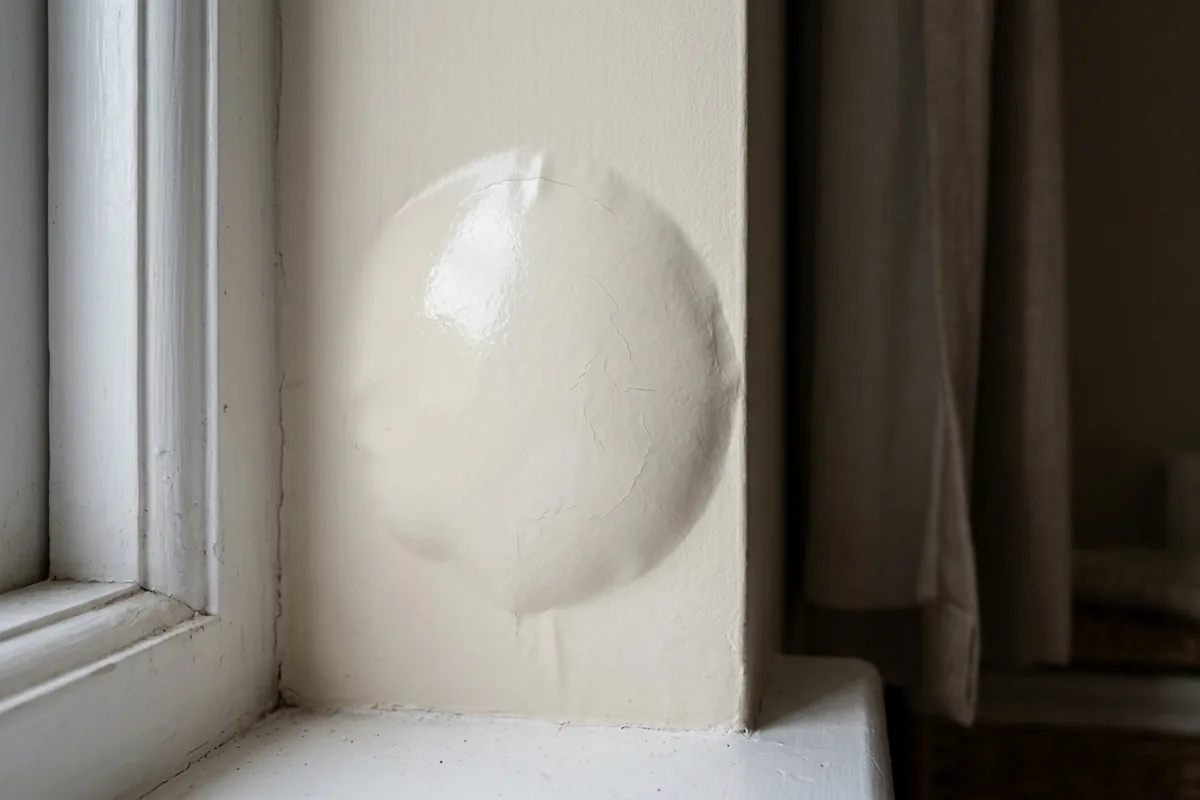
- A small box room where the wall on the pavement side smells musty and the paint is slightly bubbled.
- A ground-floor flat where the skirting boards by the front bay window smell damp and feel slightly soft.
What is usually happening:
- Moisture is getting into a cold surface (plaster, brick, timber, chipboard flooring).
- The surface does not fully dry out between wet spells.
- Mould spores and bacteria start to grow inside or behind the material.
- You smell the gases they release long before you see heavy black mould.
The key point: the smell is earlier than the stain. By the time paint is flaking or skirting boards are crumbling, the damage is further along and often more expensive to sort.
If the odour:
- Only appears or worsens after heavy rain, think leaks, gutters, outside walls, window frames or ground moisture.
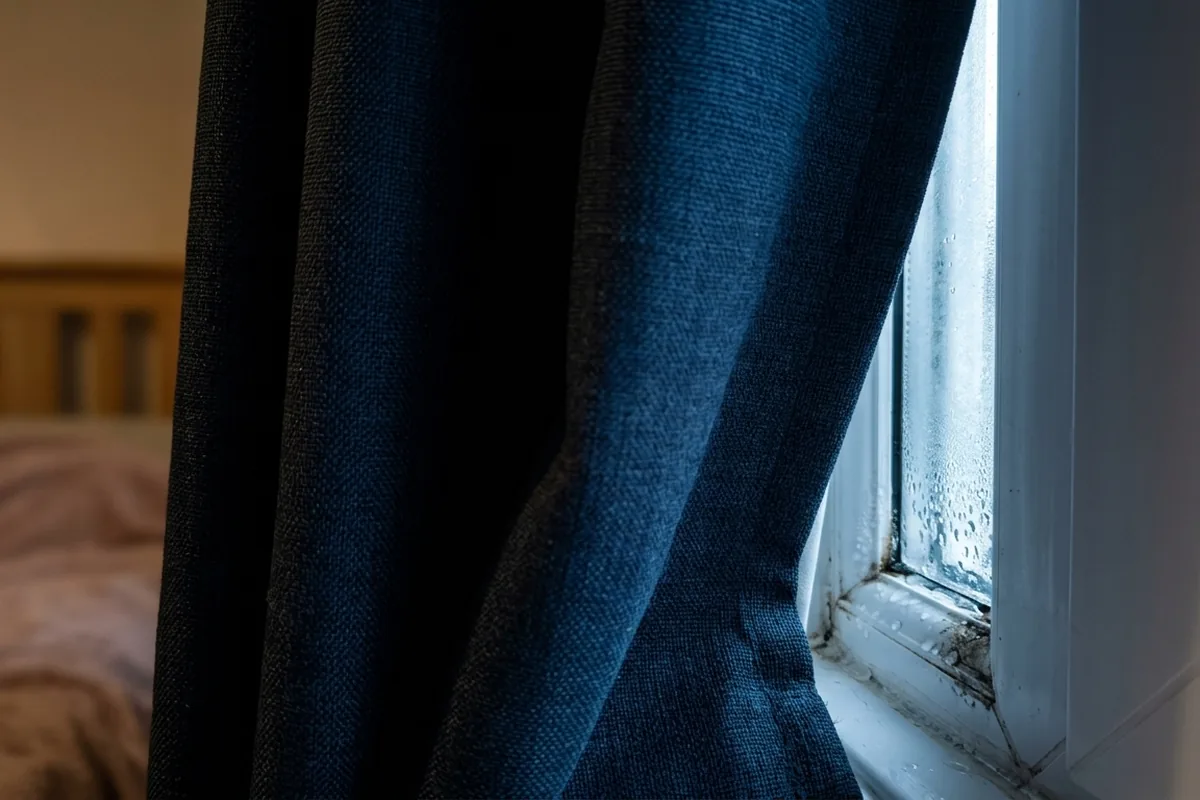
- Is there all the time and worse in the morning, think condensation and everyday indoor humidity.
How to track the source quickly and safely
You do not need to rip anything out. The first job is to pin down where the smell is strongest and what the surfaces feel and look like.
Walk round just after rain has eased and check:
- Skirting boards and bottom of walls: any soft spots, swelling, flaking paint or tide-mark staining, especially on outside walls or chimney breasts.
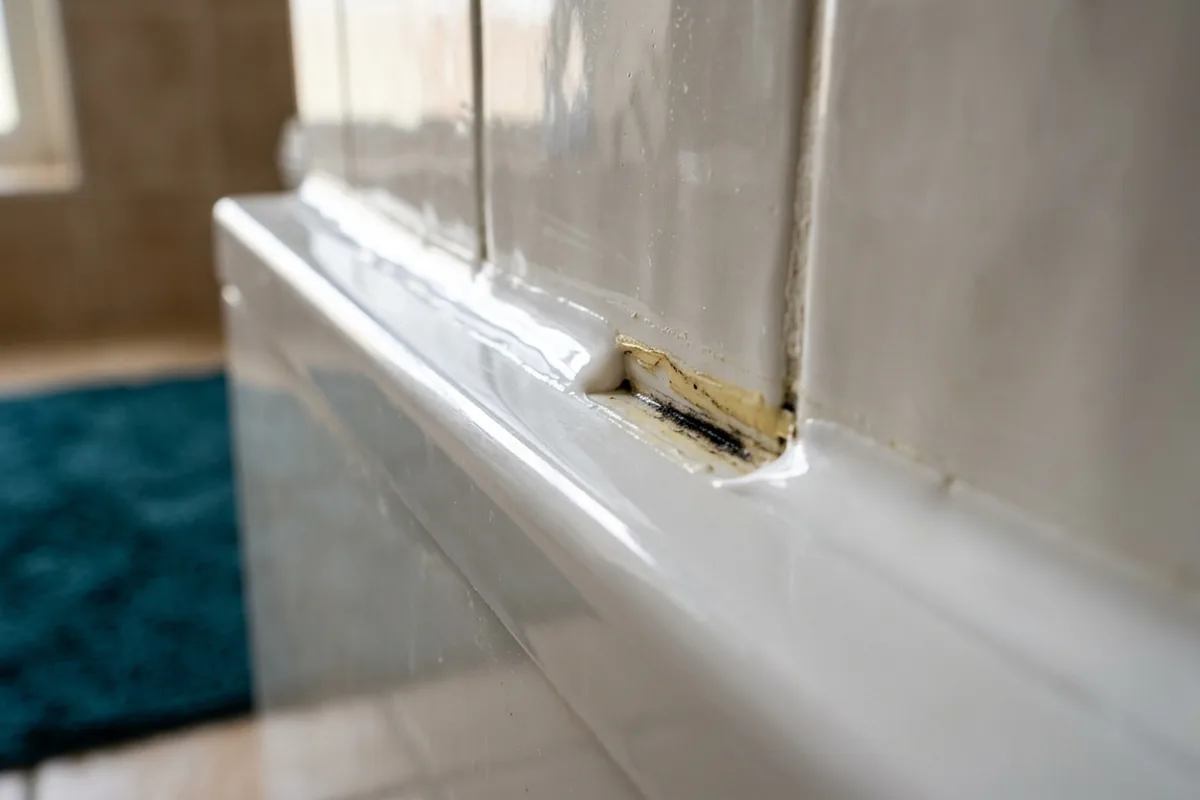
- Around windows and patio doors: mould on silicone sealant, peeling paint on the window board, damp patches under the sill.
- Under-sink cupboards and behind toilets: sometimes rainwater finds its way down an external wall and shows up where pipes enter.
- Under stairs, cellars and utility rooms: these often show damp from blocked air bricks or high ground levels outside.
Use your hand: cool and clammy plaster or timber compared with other walls is a strong clue.
If you are unsure, this simple table can help sort likely causes:
| Where the smell is strongest | Likely cause | First safe check |
|---|---|---|
| By an outside wall mid-height | Penetrating damp from rain | Look outside for cracks, missing pointing or damaged render |
| Low down on ground floor walls | Rising damp or bridged damp course | Check for high soil, paths or flowerbeds against the wall |
| Around windows and doors | Failed sealant, gaps or leaking frame | Inspect external sealant and sills for cracks or gaps |
| Under the roof line or in loft | Roof leak or faulty flashing | From the ground, look for slipped tiles or broken gutters |
| Near internal plumbing | Slow plumbing leak made worse by rain load | Check for drips, staining or green/white crust on pipe joints |
If the smell is strong in more than one area, or you can see widespread black mould, that is usually beyond simple DIY. In that case, especially in a rented flat or older property, speak to your landlord or a qualified damp specialist rather than guessing.
First practical actions that actually help
Once you have a likely area, the aim is to help it dry and stop more water getting in, not just clean the smell away.
Indoors: drying and surface cleaning
For a mild musty smell with little or no visible mould:
- Increase airflow: open trickle vents, crack windows when safe, and keep doors to the affected room ajar so moist air can move.
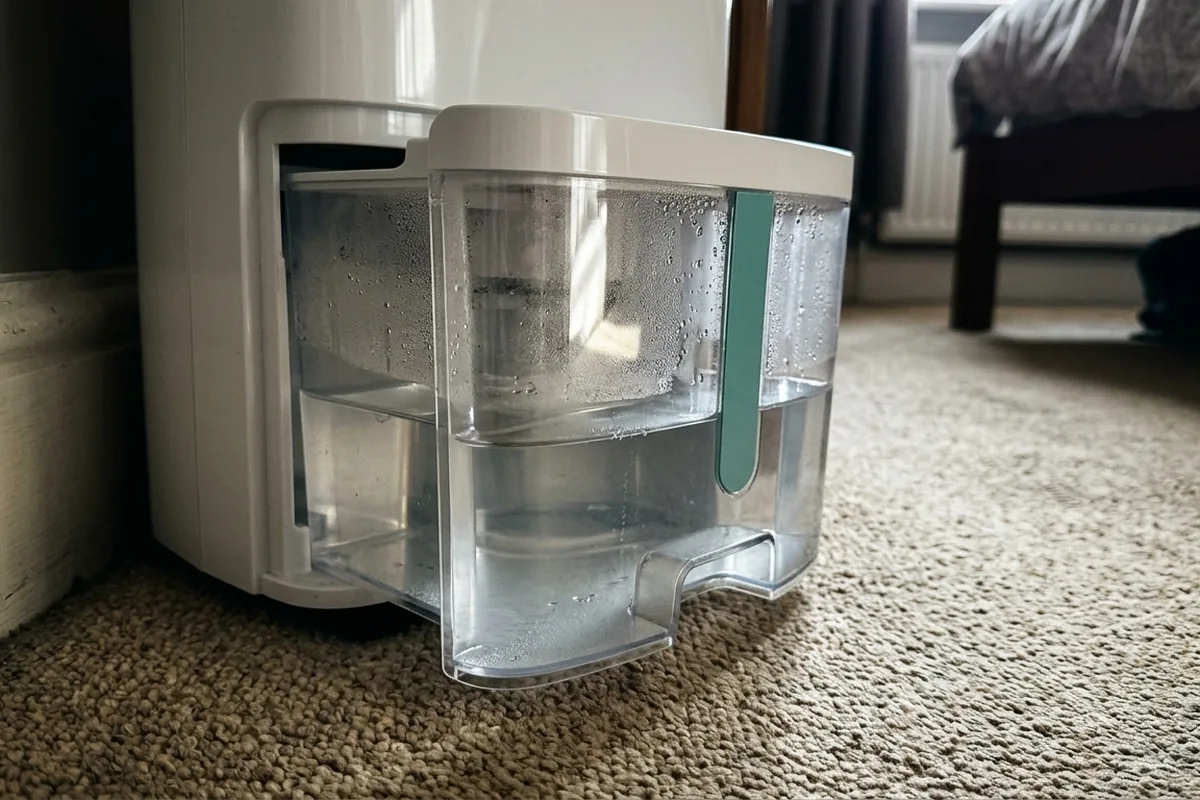
- Use a dehumidifier in the smelly room after rain, especially in box rooms and hallways with poor air movement.
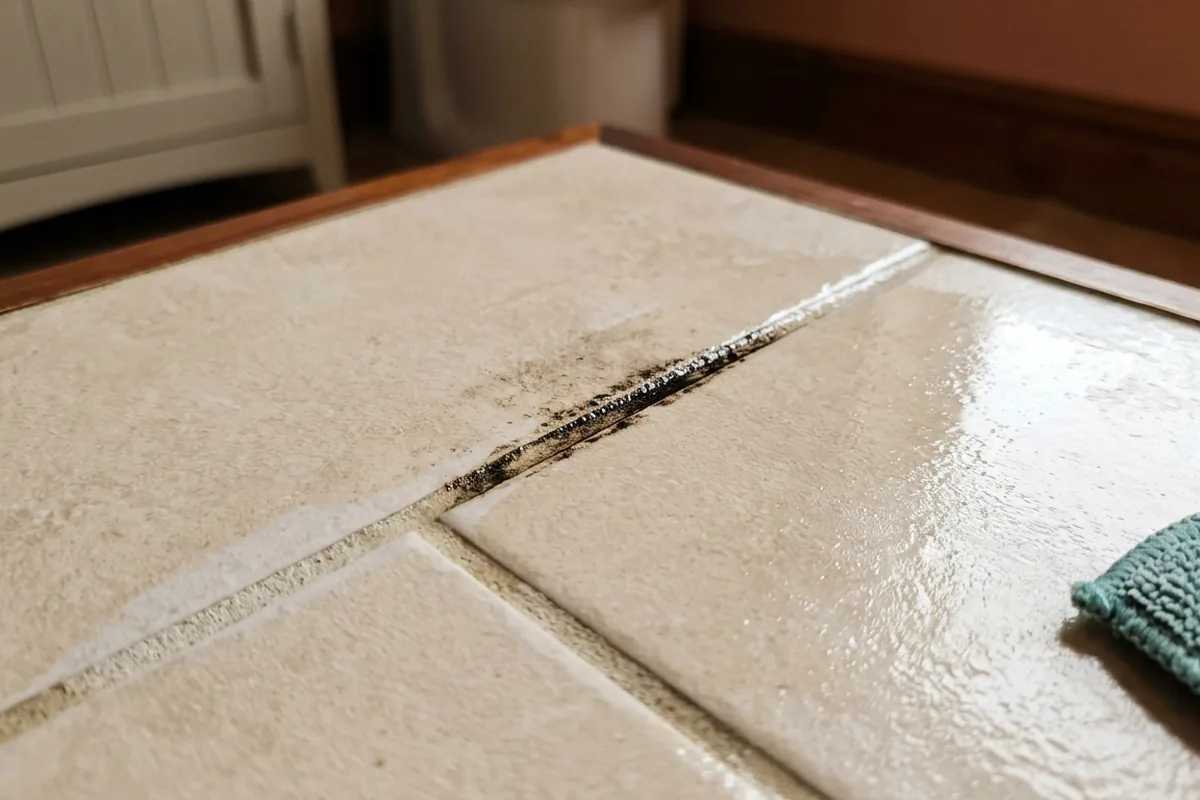
- Wipe any light surface mould on paintwork or skirting with a microfibre cloth and a mild detergent solution. Ventilate the room and wear gloves.
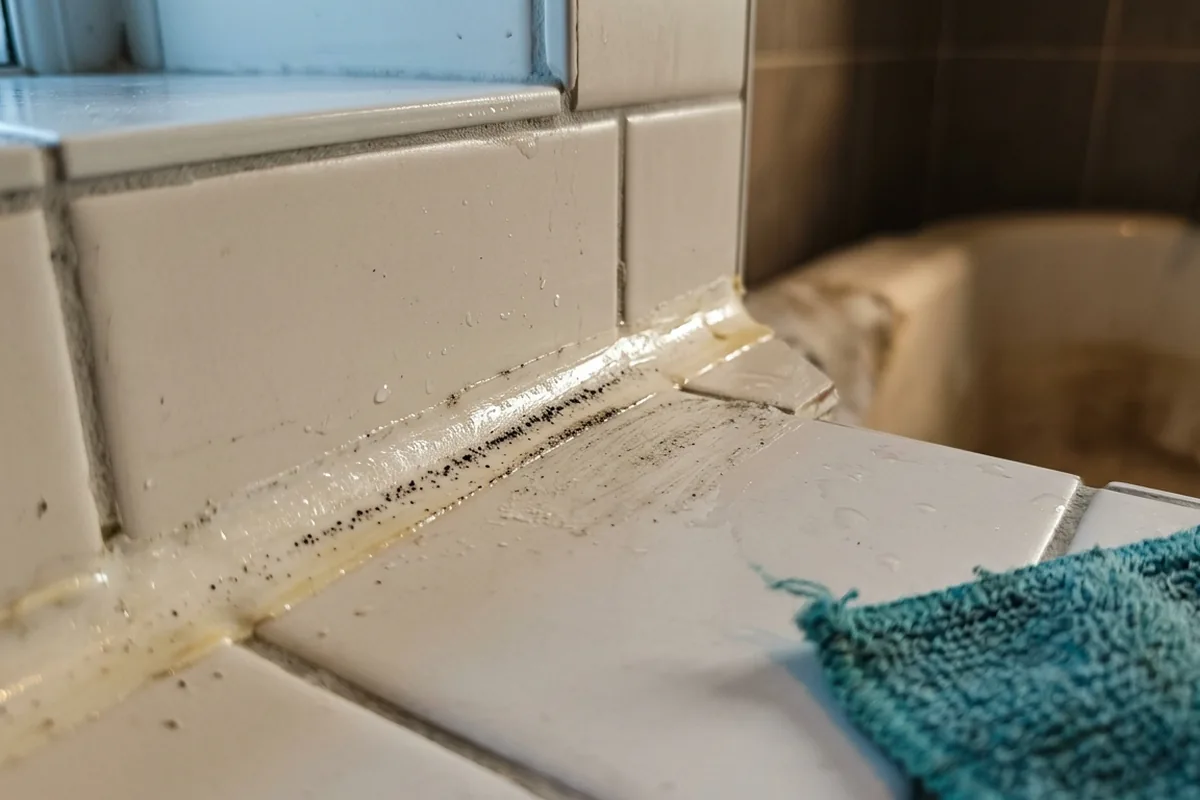
- For bathroom-type mould on tiles or silicone, a dedicated mould spray from a DIY store can help. Do not mix bleach with vinegar or other cleaners.
These steps may reduce the smell, but if it returns after every downpour, the moisture source is still active.
Outdoors: stopping more water getting in
Many post-rain smells start with simple exterior issues that are safe to check from ground level:
- Blocked gutters and downpipes: overflowing water can soak walls. If you can safely see from the ground that gutters are full of leaves or water is spilling over, that is a strong suspect. Only clear them yourself if you have safe access and are confident on a ladder; otherwise, get someone in.
- High ground levels: soil, gravel or paving slabs built up above the damp-proof course can bridge it, letting moisture climb into walls and skirting boards. Where possible, reduce levels so there is a visible gap between ground and brickwork course.
- Cracked render or missing pointing: hairline cracks on exposed walls can let water in, especially on the weather side of a terraced house. Small areas of pointing or sealant repair can be DIY, but anything large, high or structural is one for a professional.
If the smell is clearly linked to a particular window or door, replacing failed silicone sealant around the frame and checking the external sill for cracks can often make a noticeable difference.
If you have tried improving airflow and tackled obvious external issues, yet the smell still comes back after heavy rain or the wall feels damp for days, it is time to stop guessing. Persistent damp smells, especially with soft plaster or damaged timber, deserve proper investigation before they turn into bigger repairs.