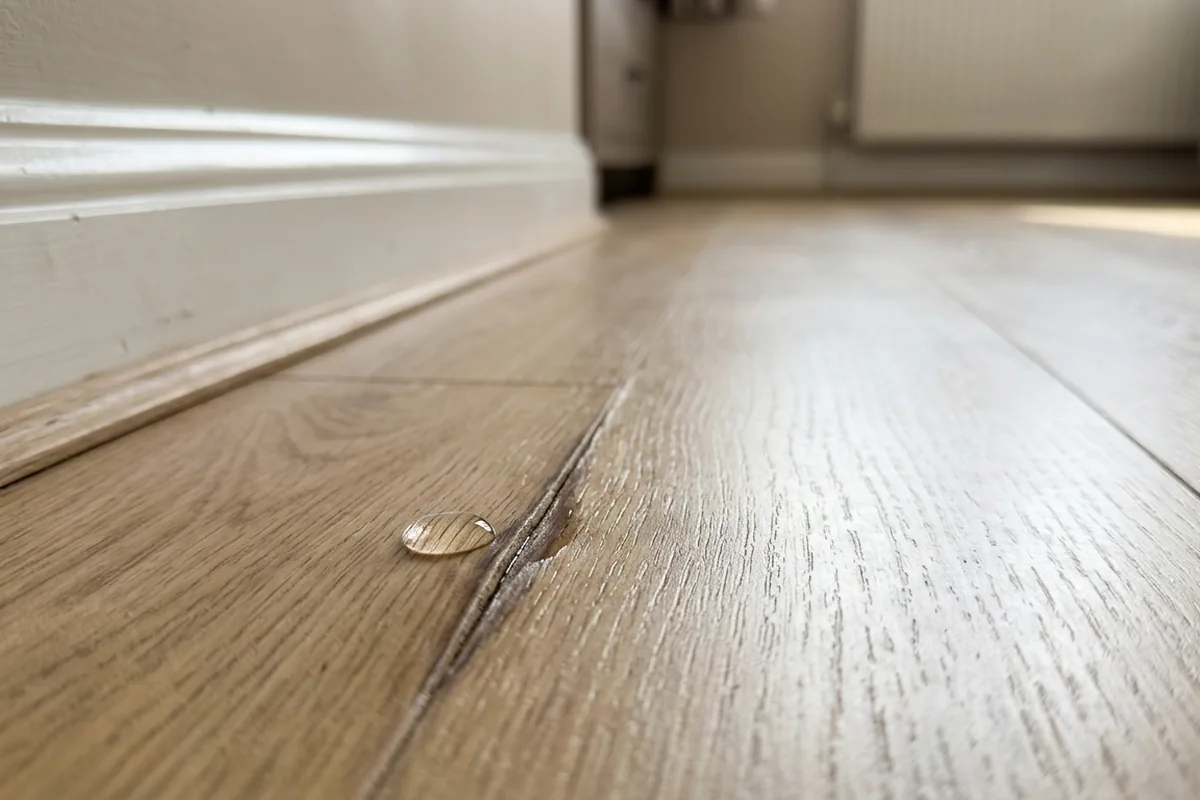
The giveaway is often subtle: a slight swelling at a board edge, a soft spot near the kitchen sink, or a ridge where two planks meet. Many people assume dirt is the main enemy of laminate, so they mop with a very wet mop “to get it really clean”. In reality, excess water is far more destructive than normal household grime, because it seeps into the joins, swells the core and permanently ruins the boards. Light dirt can usually be swept away; water damage is almost always irreversible without replacing sections of flooring.
If your laminate is starting to lift, bubble or feel spongy after mopping, the problem is almost certainly too much moisture sitting too long, not that you did not scrub hard enough.
Why laminate hates water more than dirt
Laminate looks like solid wood but it is usually a compressed fibreboard core with a decorative layer on top and a protective coating. That coating is splash-resistant, not waterproof. Dirt tends to sit on the surface; water works its way in.
Once water gets past the edges or any tiny gap in the coating, it is quickly absorbed by the core. That makes the board:
- swell at the edges
- cup or bow upwards
- lose its tight click-fit with the next board
Dirt alone does not change the shape of the board. It may scratch or dull the surface over years, but it does not make the flooring physically expand.
This is why a very wet mop, steam mop or standing puddles will wreck laminate long before day‑to‑day dust and muddy footprints will. You can sweep up mud from a hallway after a wet school run. You cannot “unswell” a waterlogged board.
Everyday habits that quietly flood laminate
Most water damage to laminate in UK homes comes from routine cleaning and small spills that are left too long, rather than dramatic leaks.
Common culprits are:
- Soaking wet mops on kitchen or hallway laminate, especially in rented flats where people are trying to clean quickly.
- Steam mops, which force hot moisture into the joints and can also soften adhesives and trims.
- Buckets knocked over, pet bowls, or children’s cups left to sit so the water tracks under the skirting board.
- Drips from fridges, washing machines or radiators that go unnoticed, slowly soaking the same area of flooring.
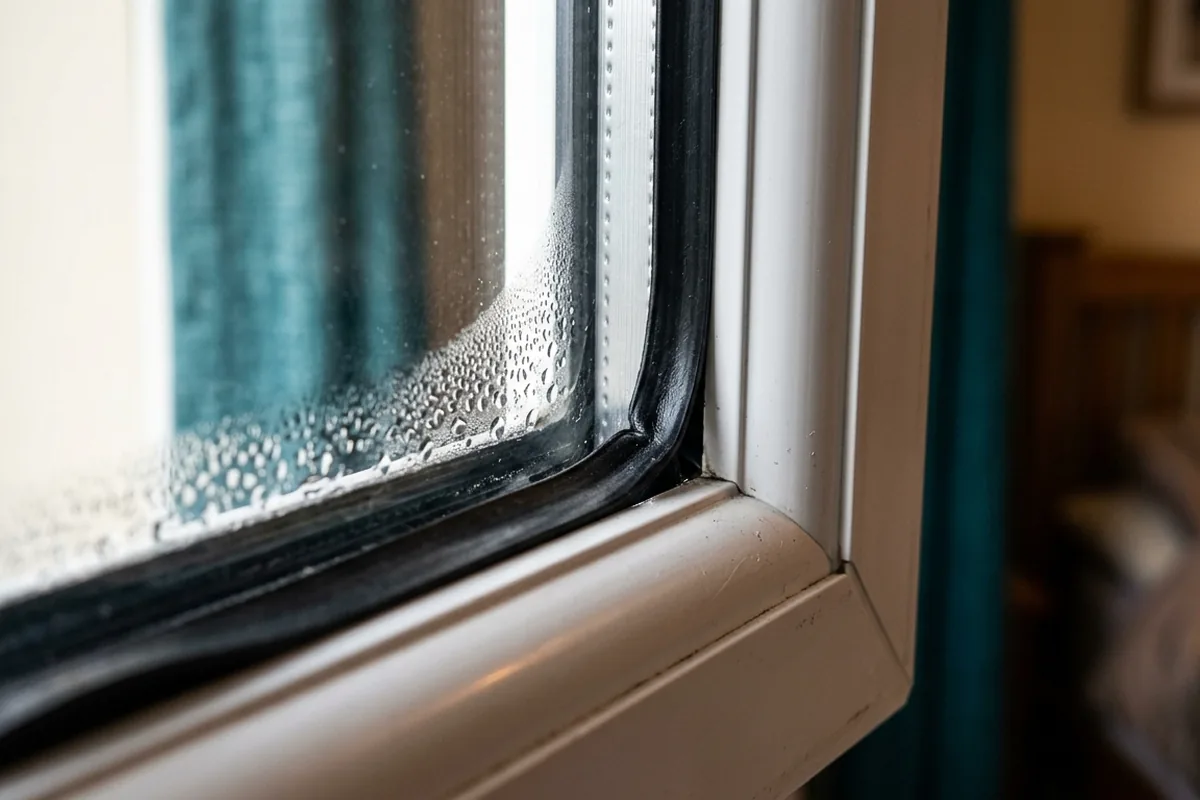
- Regular condensation drips from patio doors onto the same strip of laminate, especially if the water runs under the edging trim.
Water sneaks in at the weakest points: the board edges, around radiator pipes, thresholds, under skirting boards and at door bars. Once the core has puffed up, you may see:
- raised or sharp edges that catch your sock
- gaps opening between boards
- a slightly crunchy feel underfoot where the click system has failed
At that stage, more cleaning will not help. Extra water just drives the damage further.
How to clean laminate safely and what to do if it is already swollen
Laminate does not need aggressive cleaning. It needs dry or barely damp cleaning done regularly.
For day‑to‑day care:
- Sweep or vacuum with a hard‑floor setting to remove grit.
- Use a well‑wrung microfibre mop, just damp, not dripping. If you can see water sitting on the floor, it is too wet.
- Use a laminate‑safe cleaner or a tiny drop of washing‑up liquid in a bucket, then wring the mop out thoroughly.
- Work in small sections and dry any visible moisture straight away with a clean towel or dry microfibre cloth.
Avoid:
- steam mops on laminate
- soaking the floor to “rinse”
- sloshing buckets of water near board edges, radiator pipes or skirting boards
If the laminate is already showing damage
If you notice swelling, bubbling or soft spots, more mopping will not fix it. What you can do is limit further harm:
1. Stop wet mopping immediately. Switch to dry sweeping and spot‑cleaning with a barely damp cloth.
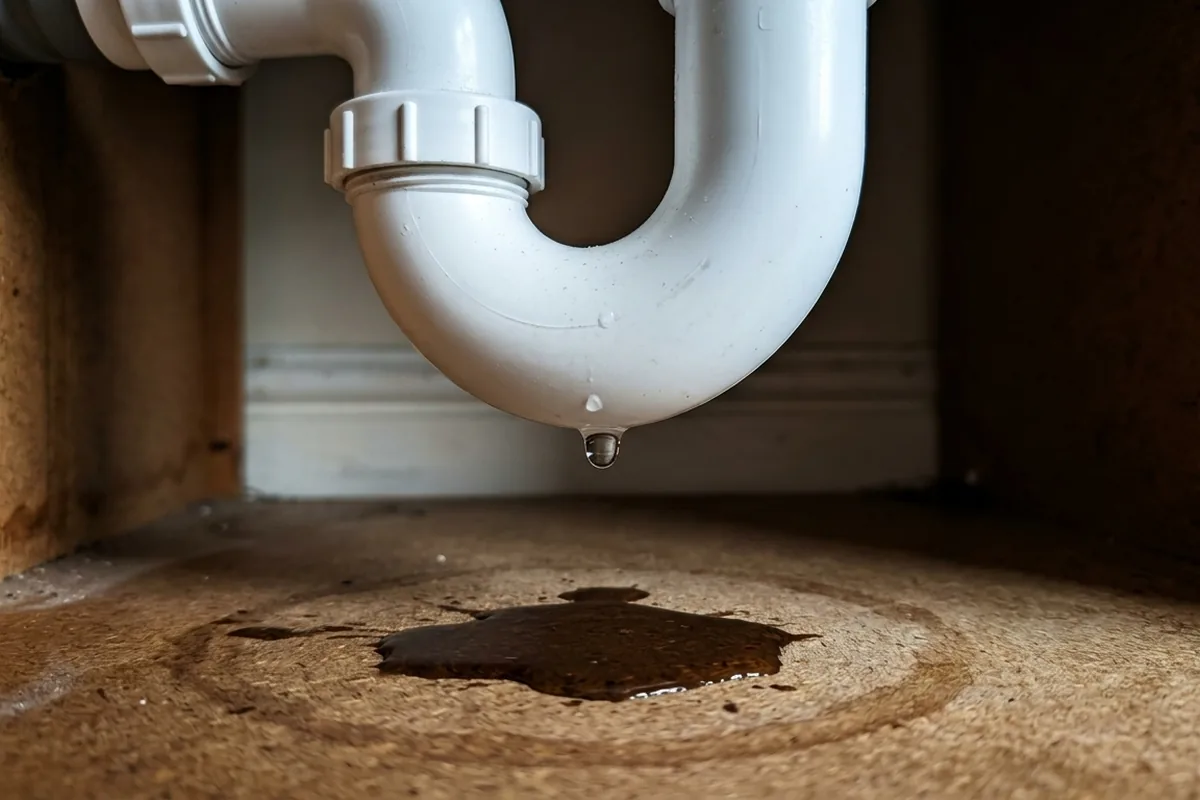
2. Find the moisture source. Check for slow leaks under the kitchen sink, around the washing machine, near the fridge, or under a radiator valve. If you suspect a leak, turn off the water supply to that appliance and speak to a plumber or your landlord.
3. Dry the area gently. Use good ventilation, a fan or a dehumidifier in the room. Do not blast the floor with a heater at close range, as rapid drying can make boards warp further.
4. Assess how localised it is. A small patch near a back door may be repairable by lifting and replacing a few boards. Widespread swelling across a kitchen usually means a larger section needs replacing.
Because the boards lock together, replacing damaged laminate is more of a refit than a patch. Often you have to start from the nearest wall and work towards the bad area. If you are not confident, it is sensible to get a flooring fitter to quote, especially in high‑visibility areas like a hallway.
For a quick check: if the affected area feels raised and crunchy when you walk over it and the edges look flared, the damage is almost certainly permanent. Focus your effort on stopping further water getting in and planning a replacement, rather than trying more products.
If tomorrow’s mop leaves no standing water and the floor looks flat and tight at the joints once dry, you are treating your laminate kindly and giving it a much longer life than any amount of heavy scrubbing ever will.