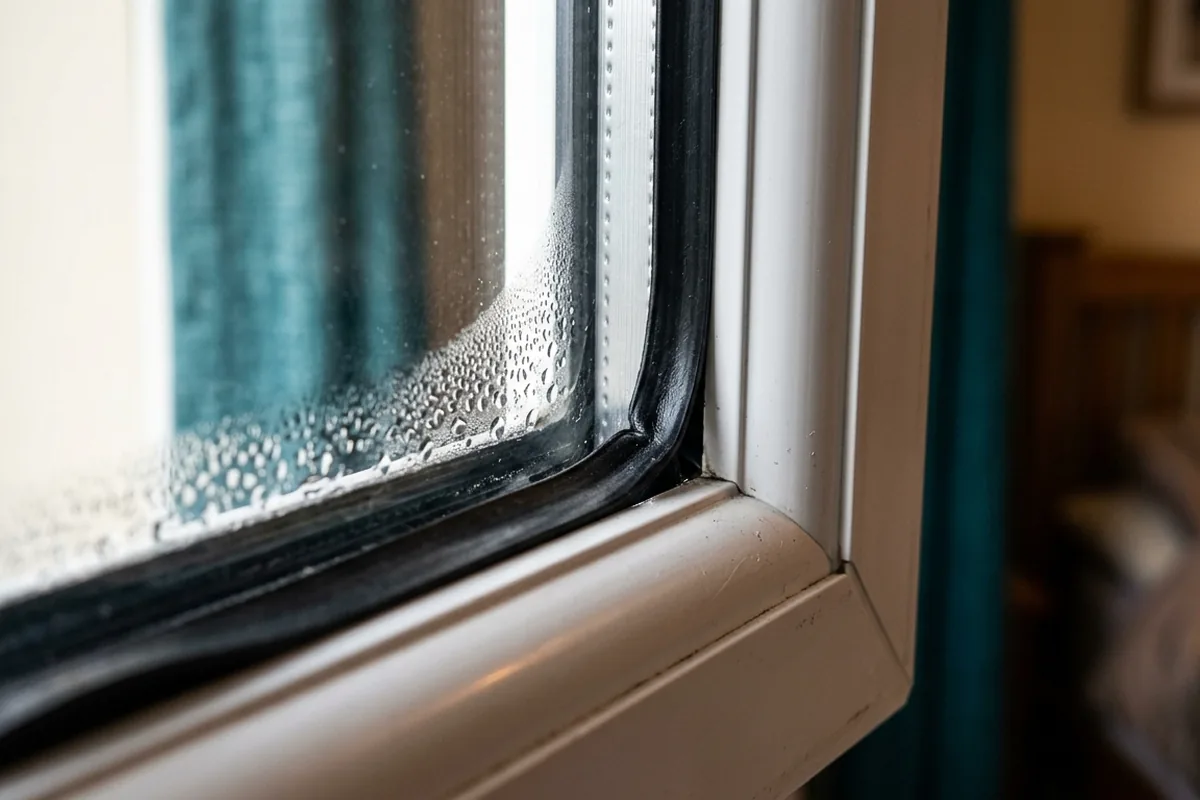
The first sign is often annoyingly small: a bit of mist trapped between the panes, or a cold draught near a window that used to feel snug. When the seal around a double-glazed unit fails, the gas or air gap is compromised and moisture can creep in. That means foggy glass you cannot wipe away, slightly colder rooms and, if ignored, higher bills and potential damp around the frame. The quick rule: if the condensation is inside the double glazing and doesn’t shift with a cloth, the seal is likely on its way out.
Catching it early lets you plan a repair, rather than waiting until the frame swells, the paint starts bubbling on the window board or mould appears on nearby skirting boards.
Clear signs your window seal is failing
A failed seal shows up differently from normal condensation on the room side of the glass. The trick is to notice what you can touch and what you cannot.
Here are the main clues:
- Mist or fog between the panes that you cannot reach to wipe off
- Moisture “tide marks” or droplets inside the unit that come and go with the weather
- Rainbow-like smears or haziness across the inner cavity of the glass
- A cold draught around the glass edge even when the window is shut
- The room near that window feels colder or slightly damp compared with others
If you wipe the inside surface with a microfibre cloth and it clears perfectly, the seal is probably fine and you are just dealing with room condensation. If the misty patch stubbornly stays put behind the glass, the perimeter seal around the unit is likely compromised.
In uPVC windows, look closely where the glass meets the white plastic bead. In timber windows, check the edge of the glass where the old putty or bead sits. Any gaps, cracked sealant or loose beads are red flags.
Checks to make before blaming the seal
Before you decide the double glazing has failed, it is worth ruling out a few common lookalikes, especially in a typical UK winter with steamy bathrooms and drying clothes indoors.
Normal room condensation usually comes with these signs:
- Water beads on the room-facing surface of the glass
- The frame, especially at the bottom, may be damp to the touch
- It wipes away easily, then slowly returns when the room steams up again
- It is worse in rooms with poor ventilation, like a small bathroom without the extractor fan running
If that sounds like your bedroom window on a cold morning, the seal may be fine and the real issue is indoor moisture. Try:
- Opening trickle vents or the window slightly for a short burst
- Using the bathroom extractor fan properly during and after showers
- Keeping a gap around radiators and not drying loads of washing in one small room
If, after doing this for a few days, only one particular window still shows mist inside the unit or odd hazy patches that never wipe off, the seal on that unit is the more likely culprit.
Also check:
- Outside glass surface: if the mist is on the outer pane and disappears as the sun hits it, that is usually just external condensation on efficient glass, not a failure.
- Silicone around the frame: missing or badly cracked external silicone can let water sit around the frame and make things feel damp, even if the glazed unit itself is still sealed.
If you are in a rented flat, it is worth taking clear photos of the mist between the panes to show your landlord or agent, so it is logged before the frame or plaster is affected.
When a failed seal becomes a bigger issue – and what to do next
A failed seal does not mean the window will fall out tomorrow, but leaving it for years can create bigger, more expensive problems.
What can happen if you ignore it:
- The insulating gas (if there was any) leaks out, so the glass area becomes noticeably colder, adding to heating costs.
- Persistent moisture inside the unit can lead to staining of the spacer bar and make the whole window look tired.
- In timber frames, extra moisture around the glass edge can encourage rot, flaking paint and mould on nearby plaster.
- In uPVC frames, trapped damp can show up as musty smells or staining on the window board and surrounding sealant.
What you can and cannot realistically do yourself:
- You cannot re‑seal the glass cavity at home once it has failed; the factory edge seal is not a DIY repair.
- You usually can replace just the glazed unit, keeping the existing frame, which is cheaper than a full new window.
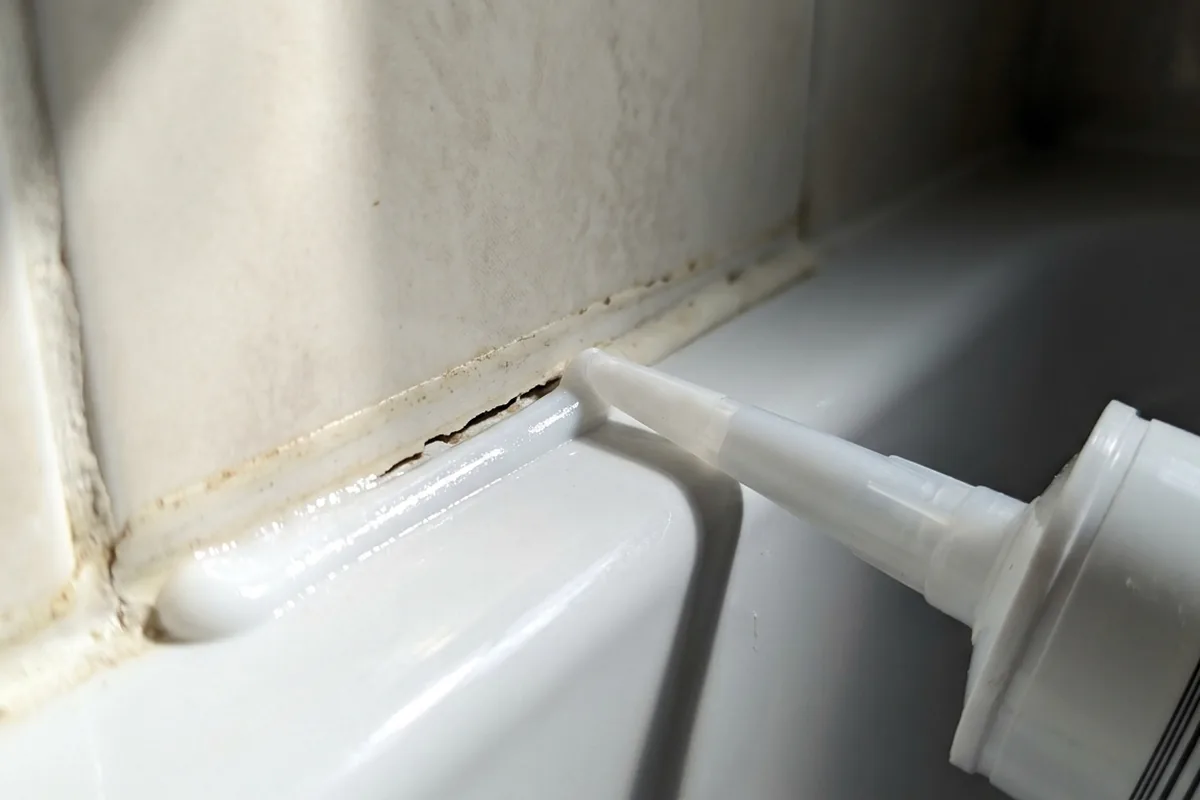
- You can carefully improve external silicone sealant around the frame if it is cracked, as long as you are safe at height and use the right exterior-grade silicone sealant.
If the window is upstairs or access is awkward, avoid leaning out or balancing on furniture. This is the point to speak to a local window company rather than risking a fall.
A sensible next step is:
1. Note which windows are affected and what you see (mist between panes, draughts, staining).
2. Take photos on a cold, damp morning when the problem is most visible.
3. Get quotes for replacement sealed units, not necessarily full frames, from a couple of firms or via somewhere like Which? Trusted Traders if you want vetted installers.
Once the new unit is in, the glass should stay clear inside, and any remaining condensation on the room side will simply be down to everyday moisture and ventilation, not a failed seal.
If you are unsure whether you are looking at failure or just heavy condensation, check it again tomorrow morning with a dry cloth. If you still cannot wipe it away, it is time to treat it as a failed seal and plan a fix before the surrounding frame and plaster start to suffer.