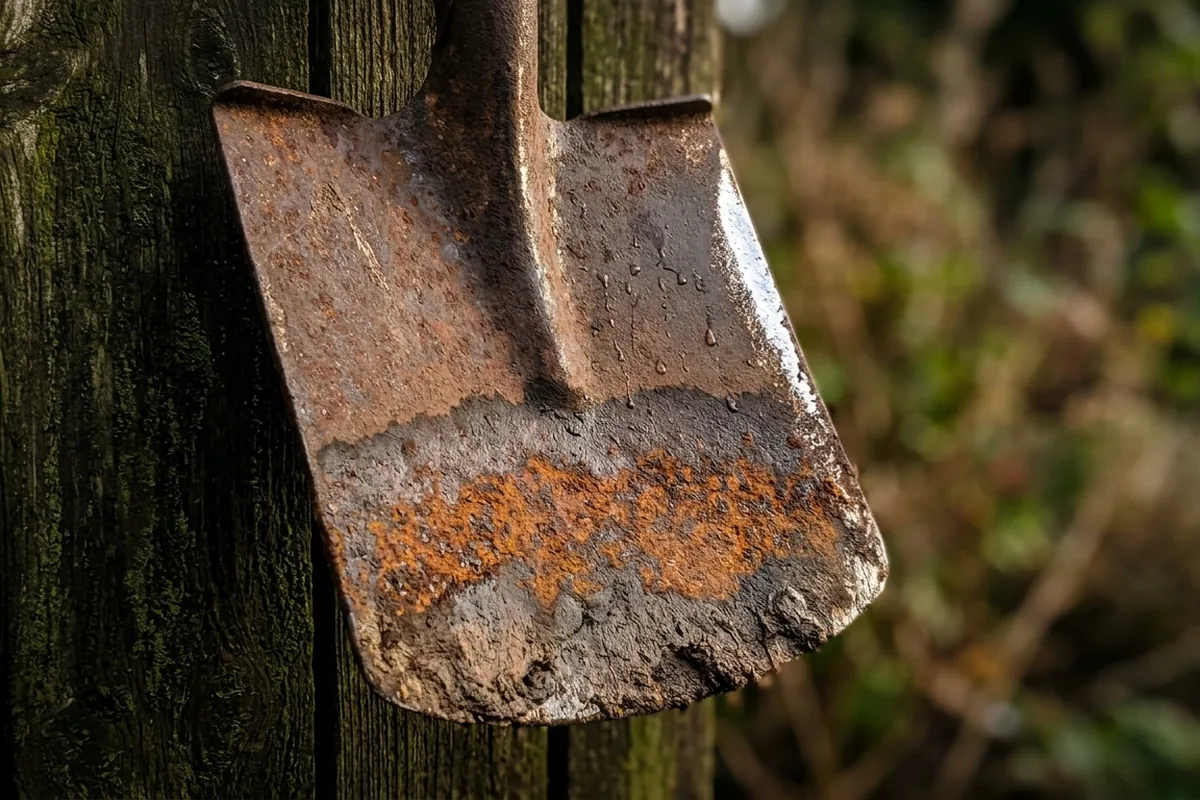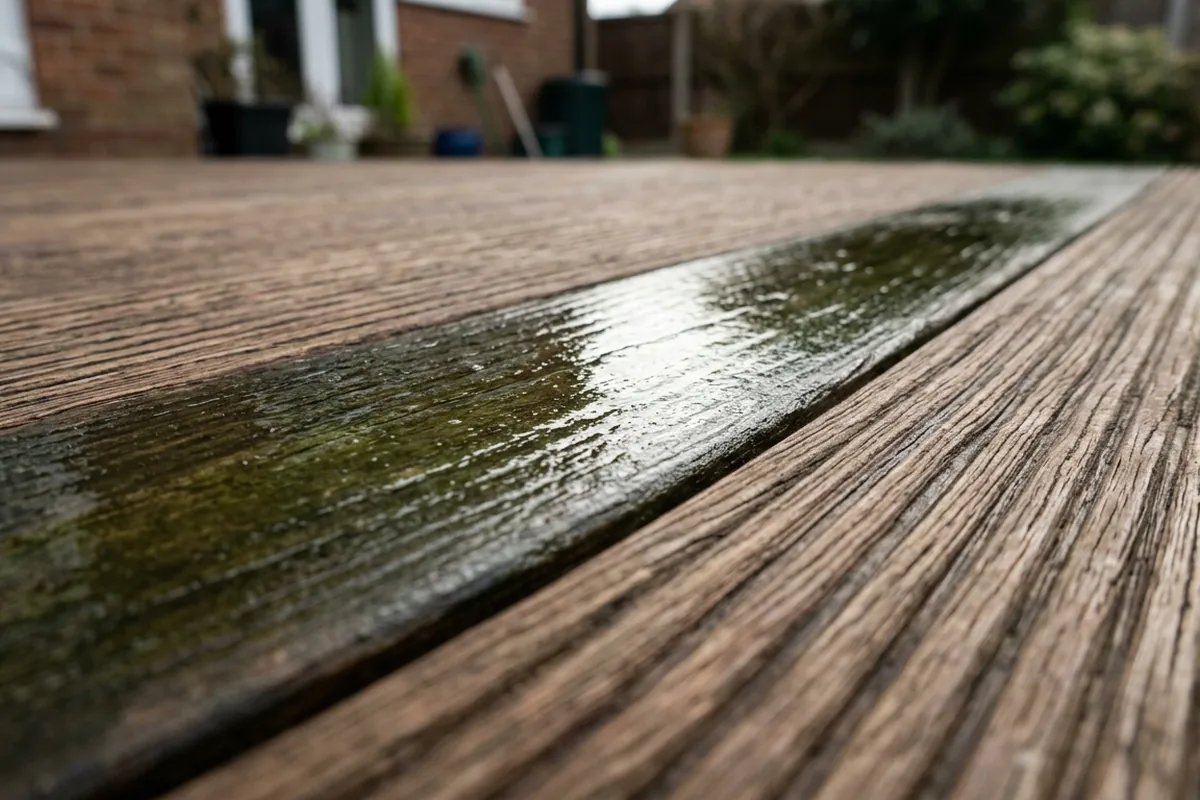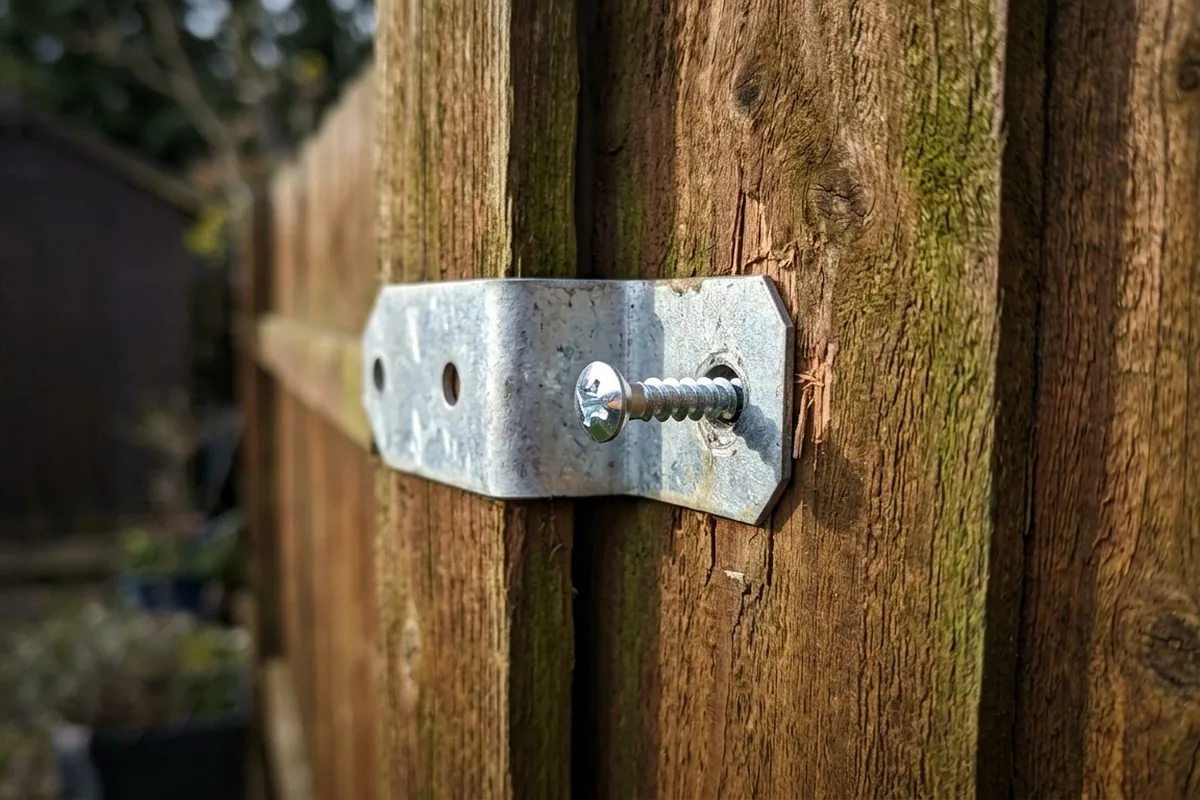
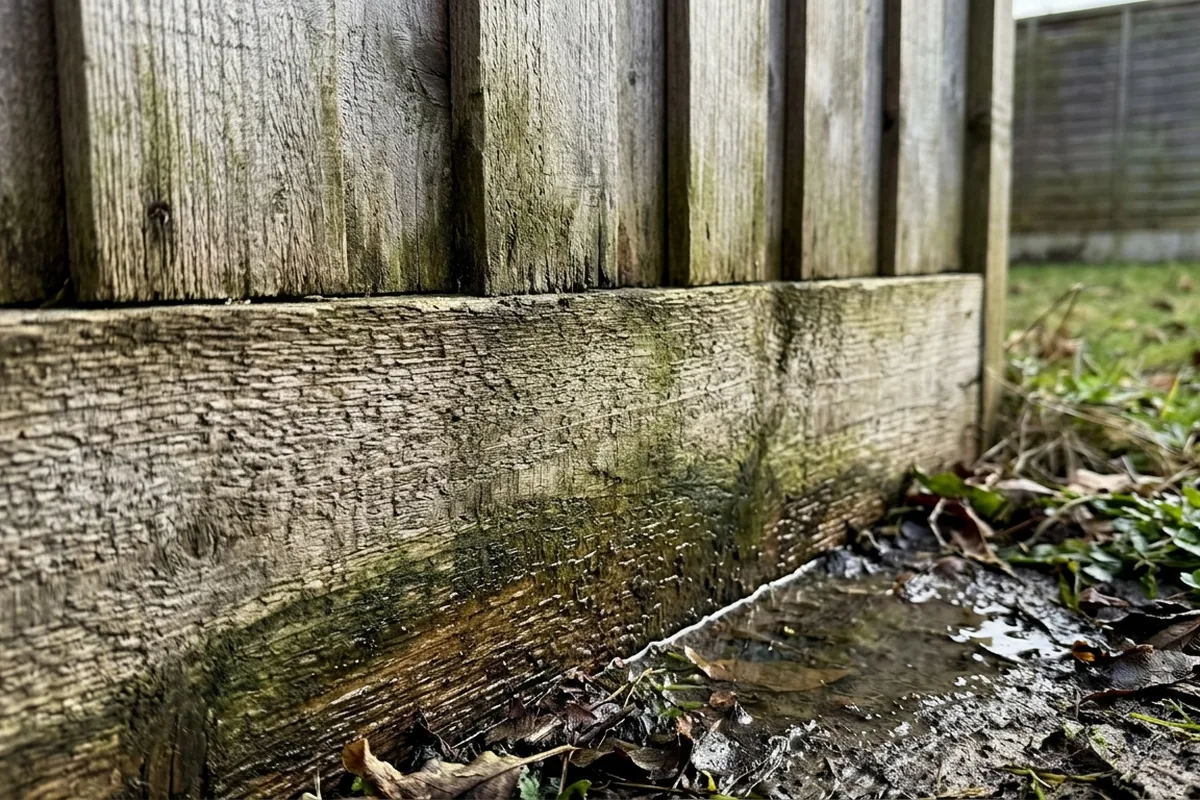
The first sign is usually a soft, crumbling edge along the bottom of a fence panel, while the top still looks fairly solid. You might notice the gravel board is fine but the panel above it is sagging, or the bottom rail snaps when you brush against it. Fence panels rot faster at the bottom because that’s where moisture sits longest, where soil and plants touch the wood, and where air can’t circulate as well. The top dries quickly after rain; the bottom often stays damp for hours or days, so decay fungi thrive there first.
The simple reason the bottom rots first
Fence panels are almost always exposed to rain, splash-back from the ground and damp air. The bottom edge lives in the worst of that environment.
In most UK gardens, three things combine at the base of the fence:
- Water splashing up from the soil or patio
- Moisture being wicked up into the timber
- Poor airflow that stops it drying properly
The top of the panel gets wet in a shower, but it is open to the breeze and sun, so it usually dries quickly. The bottom sits closer to wet grass, soil, gravel or concrete, and often in shade from shrubs or next door’s shed. That means it stays damp far longer after each spell of British rain.
Once timber is damp for long periods, decay fungi can colonise it. They feed on the wood fibres, starting where moisture is most consistent: the lower rails and featheredge boards near the ground. Any small gap in the protective stain or treatment at the bottom edge speeds this up.
If your fence panels slot into concrete posts, water can also collect in the channels. The lower part of the panel is then effectively sitting in a damp groove, again keeping that bit wetter than the top.
Other things that make the bottom of panels rot faster
Beyond simple wet weather, several everyday garden habits quietly shorten the life of the lower section of a fence.
One or more of these is usually involved:
- Soil or bark piled up against the fence, especially in raised beds
- Dense plants, ivy or shrubs pressed tight to the panels
- No gravel boards, so panels sit almost on the ground
- Leaky or blocked gutters above, pouring water down in one spot
- Splash-back from a hard surface like a patio or path
Soil and bark hold moisture like a sponge. If they’re banked up against the panel, the bottom boards never really dry out. Ivy and thick climbers trap moisture too, especially in narrow gaps between fences in terraced gardens.
Where there is no gravel board, the panel itself becomes the first thing the water hits. Even if it doesn’t touch the soil, capillary action can pull moisture up from the ground into the end grain of the timber, which is very absorbent.
On the flip side, if you do have timber gravel boards and they are not treated or maintained, they can rot first and pass that dampness on to the panel above.
How to slow down rot at the bottom of fence panels
You cannot stop rain in a UK garden, but you can make the bottom of the fence less of a permanent sponge. Focus on keeping that area drier and better protected.
Start with the easy checks:
- Look along the base of the fence after heavy rain: where is it staying wet longest?
- Check for soil, mulch or gravel touching the timber.
- See whether plants are pressed right up against the panels.
Then, where safe and practical:
- Create a gap from the ground: Ideally panels should sit slightly clear of soil. If you are replacing or adjusting, aim for a small clearance or use concrete or treated timber gravel boards to take the main hit from moisture.
- Pull soil and bark back: Keep beds and mulch a few centimetres away from the panels so air can move and the bottom edge can dry.
- Trim back dense growth: Cut ivy and shrubs away from the fence so you can see the timber and air can circulate.
- Keep gutters and downpipes sound: If one section of fence is always soaked, check for overflowing gutters or a downpipe outlet splashing directly at it.
If your fence is still structurally sound, a good quality exterior wood preservative or stain can help slow future rot, especially if you pay attention to the bottom edges and end grain. Work on dry timber and follow the tin’s instructions; most need re-coating every few years.
Where the bottom rail is already soft and crumbling, the panel is usually at the end of its life. You can sometimes brace it temporarily, but it is often safer and less frustrating to replace the panel and improve the setup (gravel boards, clearance, plant spacing) so the new one lasts longer.
If you’re putting up new panels this year, the small extra effort to keep them slightly off the soil and properly treated at the bottom edge is what will decide whether they last five years or fifteen.