The easy mistake is this: leaving tools in a “dry enough” shed or plastic box, but trapping moisture around bare metal. The classic setup is a damp shed, cold garage or garden storage box where tools go in slightly wet or dirty, then sit in still, humid air. Rust then races ahead, even faster than if they were simply left in the open.
The key point: storing tools in sealed, unventilated outdoor spaces while they’re even slightly damp is what makes them rust faster. A closed plastic trunk on a rainy British week can behave like a mini greenhouse, with condensation forming on the metal and never properly drying.
Once you understand that, you can tweak how and where you store tools so they stay usable for years instead of one season.
The outdoor storage mistake that speeds up rust
Rust needs three things: bare steel, oxygen and moisture. You cannot remove oxygen, and most tools have at least some bare steel. So the one thing you can control is how much moisture sits on the metal, and for how long.
The big mistake is a combination of:
- No airflow
- Trapped moisture
- Cold-to-warm temperature swings
Typical examples in UK gardens:
- A plastic storage box on the patio, shut tight with wet spades and a slightly damp extension lead inside.
- A thin metal shed that gets roasting hot in the sun, then cold at night, so condensation forms on the underside of the roof and drips onto tools.
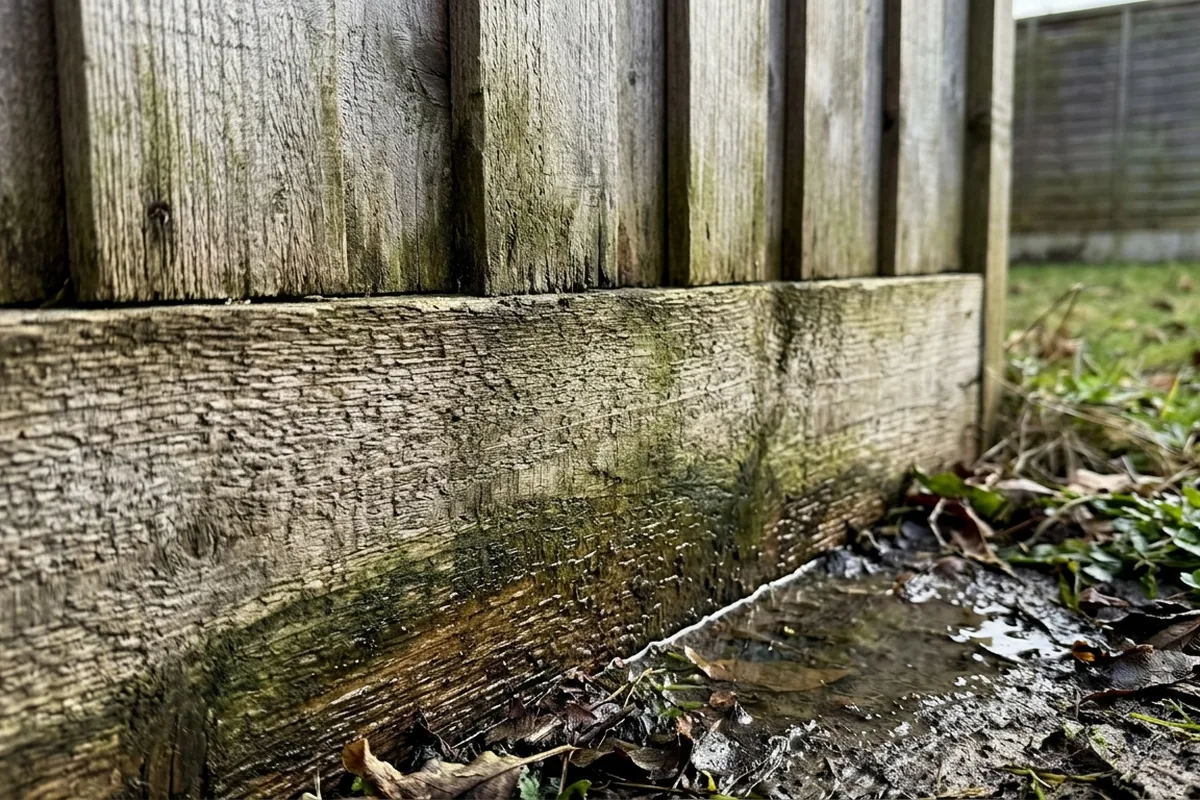
- A timber shed with no vents, a slightly damp floor and tools pushed right up against the outside wall.
In all of these, tools are not just “stored outside”. They are stored in a damp microclimate, where moisture condenses, sits on the metal and cannot escape. That constant dampness is what makes rust appear faster than you expect.
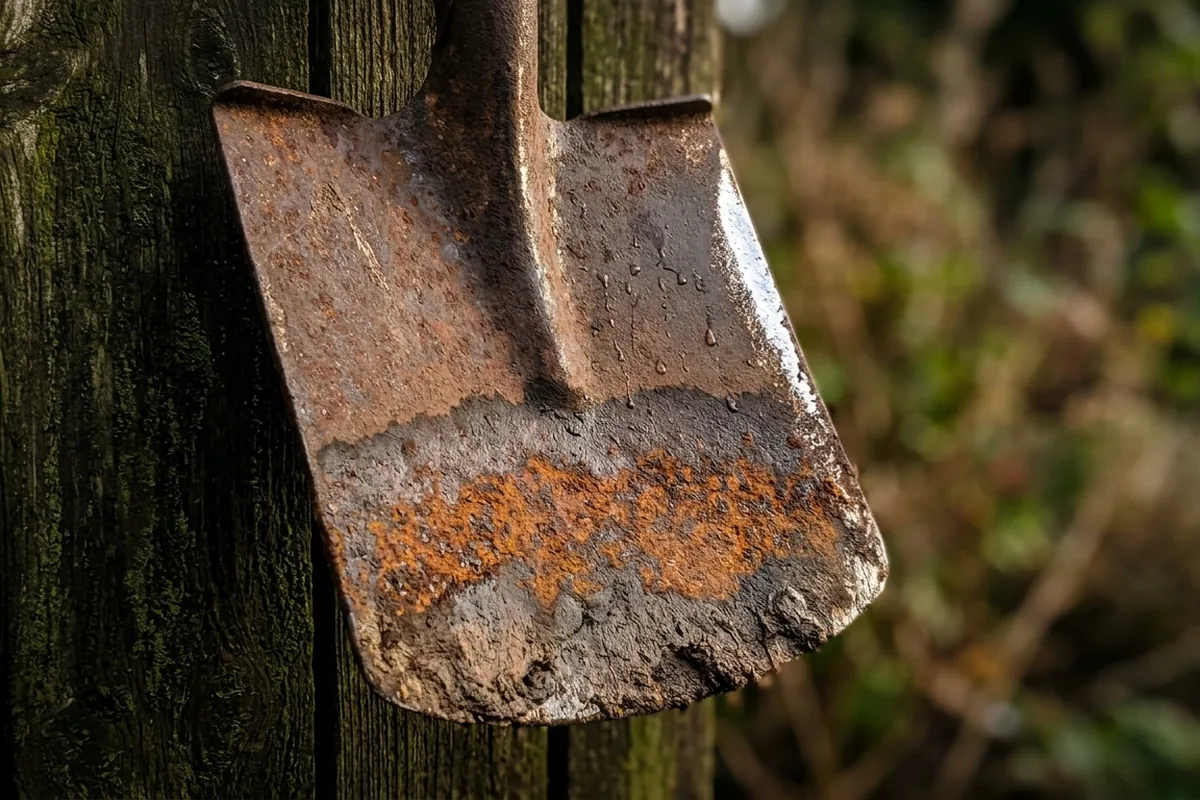
If your spade, secateurs or drill bits look orange and rough after only a few months, it is usually this trapped humidity problem, not just “British weather”.
How to store tools outdoors without ruining them
You can still keep tools in a shed or storage box, but you need to think about drying, airflow and protection.
Aim for three simple habits:
1. Get tools dry before they go away
Wipe soil and surface moisture off spades, forks and secateurs with an old towel or microfibre cloth. Let them sit in a dry place (porch, utility room, garage) for a short while before shutting them into a box or shed. Putting muddy, wet tools straight into a sealed box is the fastest way to rust them.
2. Add a bit of airflow
A completely airtight box is rarely ideal for metal. If you use a plastic garden chest, consider:
- Drilling a couple of small ventilation holes high up on the sides (where rain is unlikely to blow in).
- Propping the lid open slightly on dry days when you are pottering in the garden.
For sheds, simple trickle vents or leaving the door open for half an hour on a dry afternoon can make a noticeable difference to the “shed smell” and the rust rate.
3. Keep tools off cold, damp surfaces
Concrete shed floors and the bottom of plastic boxes often stay damp. Store tools:
- Hanging on a wall or from hooks.
- On a simple timber rack or pallet to lift them off the floor.
- In a bucket of dry sand mixed with a little light oil for hand tools like trowels and secateurs. This cleans and lightly coats the metal each time you push them in and out.
If you want a belt-and-braces approach, you can add silica gel or reusable dehumidifier tubs in a storage box, but these only help if tools are going in reasonably dry and the box is not constantly flooded with fresh moisture.
Checks to make if tools are already rusting
If you are already seeing rusty tools and a musty shed smell, it is worth working out exactly what is causing the dampness before you buy more storage.
Common issues and first checks:
| Situation | Likely cause | First check |
|---|---|---|
| Drips on tools in the morning | Condensation on shed or box roof | Look for wet patches on the underside of the roof |
| Rust mainly on tool handles and shafts | Tools stored on damp floor or against walls | Feel floor and wall for damp or cold patches |
| Musty “shed smell” and mould on wood | Very poor ventilation | Check if there is any vent or gap for airflow |
| Rust worst near the door | Rain blowing in or pooling by entrance | Look for water marks and puddling after rain |
Once you know the pattern, you can tackle it simply:
- Condensation on the roof: add a vent high up or a small gap at the eaves; consider sticking thin insulation under a metal roof to reduce temperature swings.
- Damp floor: use a pallet or timber battens as a false floor so tools never sit directly on concrete.
- No airflow at all: a small vent or louvre at high level on one wall and a gap on the opposite side makes a big difference.
If a tool is already lightly rusty, a wire brush or fine sandpaper and a wipe with light oil (even a spare bit of 3‑in‑One or similar) usually brings it back. Deep pitting or seized mechanisms on things like secateurs may mean it is not worth the effort, especially if the spring is badly corroded.
For power tools, avoid aggressive cleaning. Do not soak them or use water-based rust removers on anything with electrics. If the casing is damp or you suspect water has got in, let them dry thoroughly in a warm, dry room and consider having them checked if you are unsure they are safe.
If you change only one habit, make it this: never shut wet tools into a sealed outdoor box or shed and walk away. Give them a quick wipe, a bit of air and a place off the floor, and most garden tools will shrug off our weather far better than you might expect.