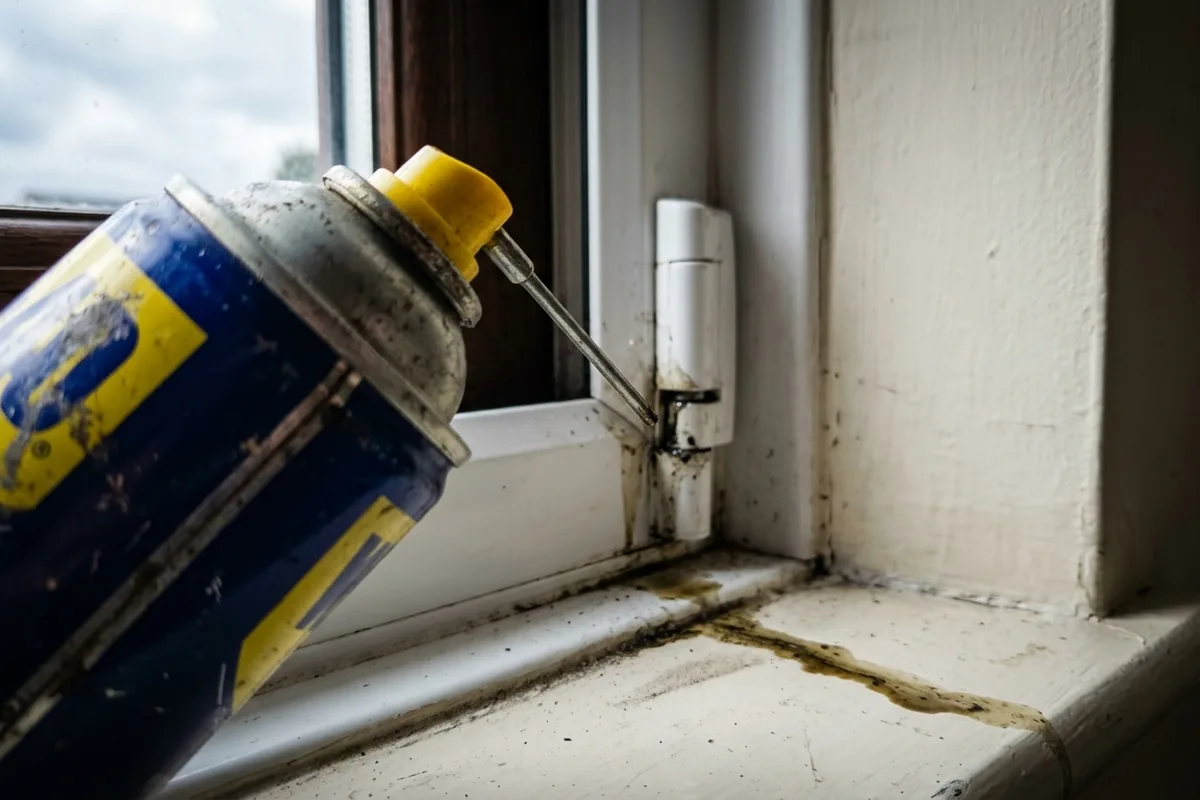
The squeaky hinge on the bedroom door, the stiff window handle, the rusty garden shears in the shed – for many people the reflex is the same: grab the WD‑40 and spray everything in sight. The common mistake is using WD‑40 as a general lubricant on parts that actually need proper grease or oil, especially locks, hinges and anything that should stay quietly lubricated for years. It works brilliantly at first, then the squeaks come back, and sometimes the part is worse off.
In simple terms: WD‑40 is mainly a water-displacing cleaner and light protector, not a long-term lubricant. Use it to free stuck parts, chase out moisture and clean light grime, then wipe it off and follow up with the right product: silicone spray, light machine oil or proper grease, depending on the job.
What WD‑40 is good for – and where it goes wrong
WD‑40 is very handy in a typical UK home: under the sink, in the shed, by the back door. It can save rusty gate latches, free a seized nut on a radiator bracket and stop light surface rust on tools. The trouble starts when it’s treated as a “fix anything” lubricant.
The key mistake is relying on WD‑40 as the only treatment on moving parts that should have a thicker, longer-lasting lubricant. The solvent content can also wash away existing grease, so a hinge or mechanism can end up drier than before once the WD‑40 has evaporated.
Common places where people overuse it:
- Door hinges and latches in the hall or bedroom
- uPVC window handles and stays
- Padlocks and cylinder locks
- Garage door mechanisms
- Bike chains and garden tools that really want proper oil or grease
Used this way, WD‑40 often gives a quick win: the squeak stops, the handle moves, the rust looks better. A few weeks later, the sound or stiffness is back because there’s no proper lubricant left on the metal.
Where to use WD‑40 – and what to use instead
Around the house, it helps to think of WD‑40 as a cleaner, moisture chaser and short-term helper, not the final finish.
Good uses for WD‑40:
- Freeing stuck parts: seized nuts, tight screws on curtain poles, stiff gate latches
- Chasing moisture: damp padlock after heavy rain, wet garden tools after a downpour
- Light rust protection: a thin wipe on spanners or a vice in a cold shed
- Removing sticky residues: old label glue on a glass jar, light tar marks on tools
What to use instead for long-term lubrication:
- Silicone spray: good for uPVC window hinges, sliding patio door runners, drawer runners, and rubber door seals on washing machines
- Light machine oil (like sewing machine oil): ideal for internal door hinges, small metal mechanisms, and some locks (if the manufacturer allows it)
- Lithium or multipurpose grease: better for garage door runners, gate hinges, and heavy garden tools that take a lot of load
A simple rule: use WD‑40 to get things moving, then use a proper lubricant to keep them moving.
Specific places people misuse WD‑40 at home
Certain spots in UK homes see WD‑40 more than they should. A bit of care here can prevent damage and repeat problems.
Door hinges and latches
That squeaky lounge door often gets soaked with WD‑40. It goes quiet, then starts again a month later.
Instead, once you’ve freed it:
- Wipe off excess WD‑40 with a cloth.
- Add a drop or two of light oil on the hinge pin.
- Open and close the door a few times, then wipe away drips so they don’t stain paint or laminate flooring.
Locks and keys
Spraying WD‑40 into every sticky lock – front door, shed, side gate padlock – is very common. The issue is that it can attract dust and grime inside the mechanism, especially on external doors exposed to the street or garden.
Safer approach:
- Check the lock manufacturer’s guidance if you can.
- For many modern cylinder locks, a dry graphite-based lubricant is often preferred.
- If you have already used WD‑40 and the lock keeps playing up, it may be time for a locksmith rather than more spray.
uPVC windows and patio doors
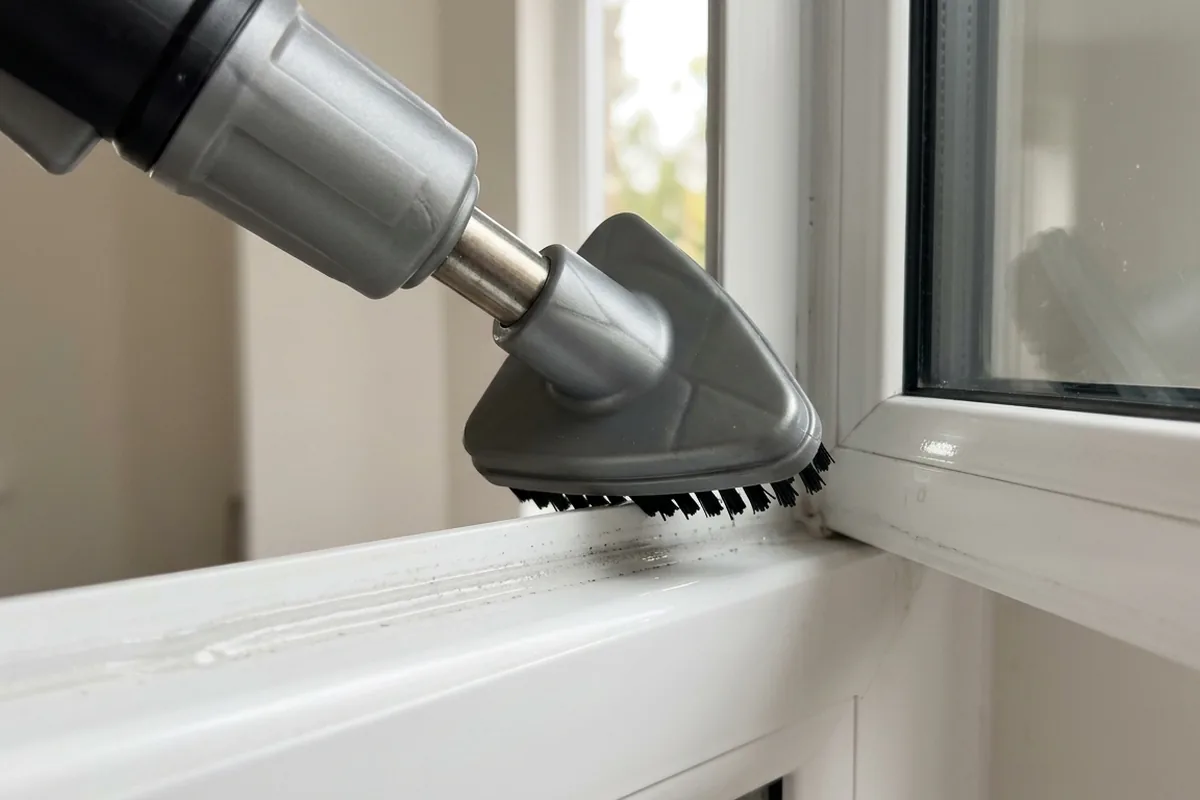
On stiff uPVC window hinges or a dragging patio door, WD‑40 is often sprayed directly on the runners. This can strip away the original grease.
Better:
- Use WD‑40 sparingly only to clean and free very stiff parts.
- Wipe clean with a cloth.
- Follow with silicone spray on the moving parts, avoiding glass and decorative finishes.
Garden tools and outdoor fittings
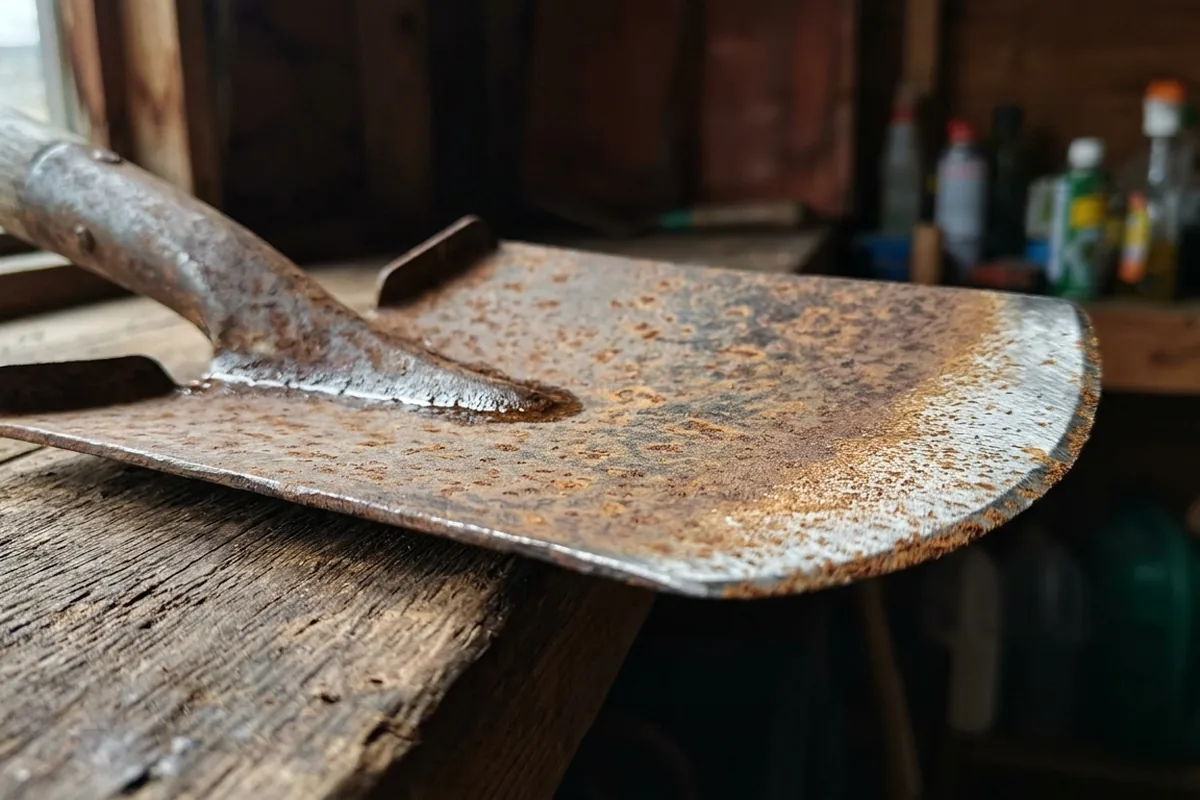
Rusty secateurs, a sticking shed bolt, a squeaky gate on the side of a terraced house often get a heavy WD‑40 treatment. It will free them, but it is not the best long-term protection in wet British weather.
After freeing:
- Clean off loose rust with a wire brush.
- Dry thoroughly.
- Apply a thin coat of proper oil or grease on metal joints and blades.
- Store tools in as dry a shed or garage as you can manage.
Quick guide: WD‑40 versus better options
If you’re unsure which product to reach for, this simple comparison can help:
| Situation | Try WD‑40 for | Then switch to |
|---|---|---|
| Squeaky internal door hinge | Freeing and cleaning hinge | Light machine oil |
| Stiff uPVC window handle | Loosening stuck mechanism | Silicone spray |
| Rusty garden shears | Loosening and rust removal | Tool oil or grease |
| Outdoor padlock after rain | Displacing moisture | Lock-safe lubricant if needed |
| Garage door runners | Initial clean and free-up | Lithium or multipurpose grease |
If you’re standing in a DIY aisle wondering what to buy, think in pairs: one product to free and clean, one to lubricate and protect. WD‑40 can be the first part of that pair, but it should not usually be the second.
If something keeps seizing, rusting or squeaking despite repeated WD‑40, that is your sign to change approach: clean off the residue, apply the right lubricant and, if it is still not right, get the part checked rather than drowning it again.