That hiss of hot steam feels like it should melt through bathroom grime and sticky kitchen spills in seconds. But if you have silicone around your bath, laminate flooring, uPVC window frames or a rubber washing machine seal, you might also be worrying: will this actually damage things? The short answer is: steam cleaners are safest on hard, sealed, heat‑resistant surfaces, used briefly and kept moving. They can soften sealants, fade finishes and force moisture into gaps if you overdo the heat or pressure, so the trick is short bursts, distance and the right attachment.
Using steam safely on common household surfaces and seals
Most problems come from lingering in one spot or using the wrong attachment. Before you start, always read the steam cleaner manual and check the labels on floors or worktops if you still have them.
Here’s the basic safe approach for most UK homes:
- Use the lowest effective steam setting.
- Keep the nozzle or head moving, not parked.
- Start with short bursts, 3–5 seconds on any one patch.
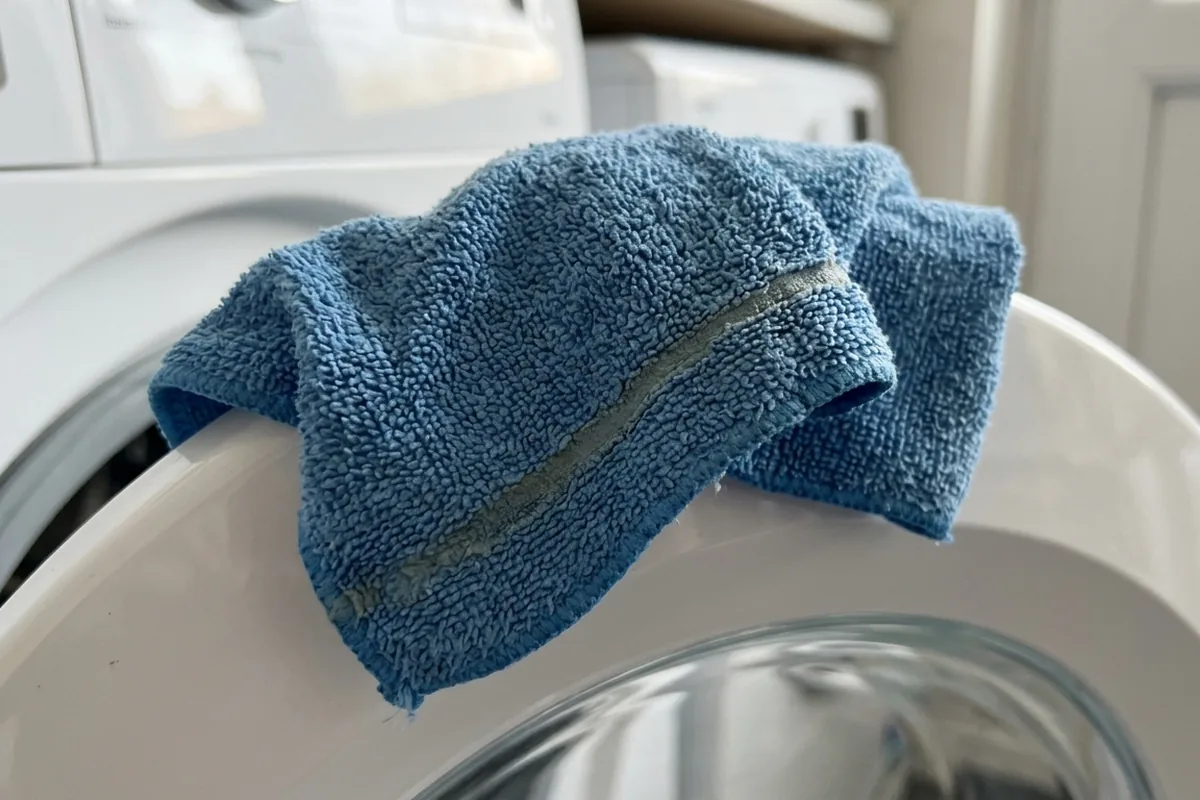
- Wipe away loosened dirt and moisture immediately with a microfibre cloth.
On silicone sealant around baths, showers and sinks, steam can help lift soap scum and some mould staining, but it can also soften the seal if you overheat it. Hold the nozzle a few centimetres away, use brief passes along the line of sealant and avoid pinning the jet directly into a joint.
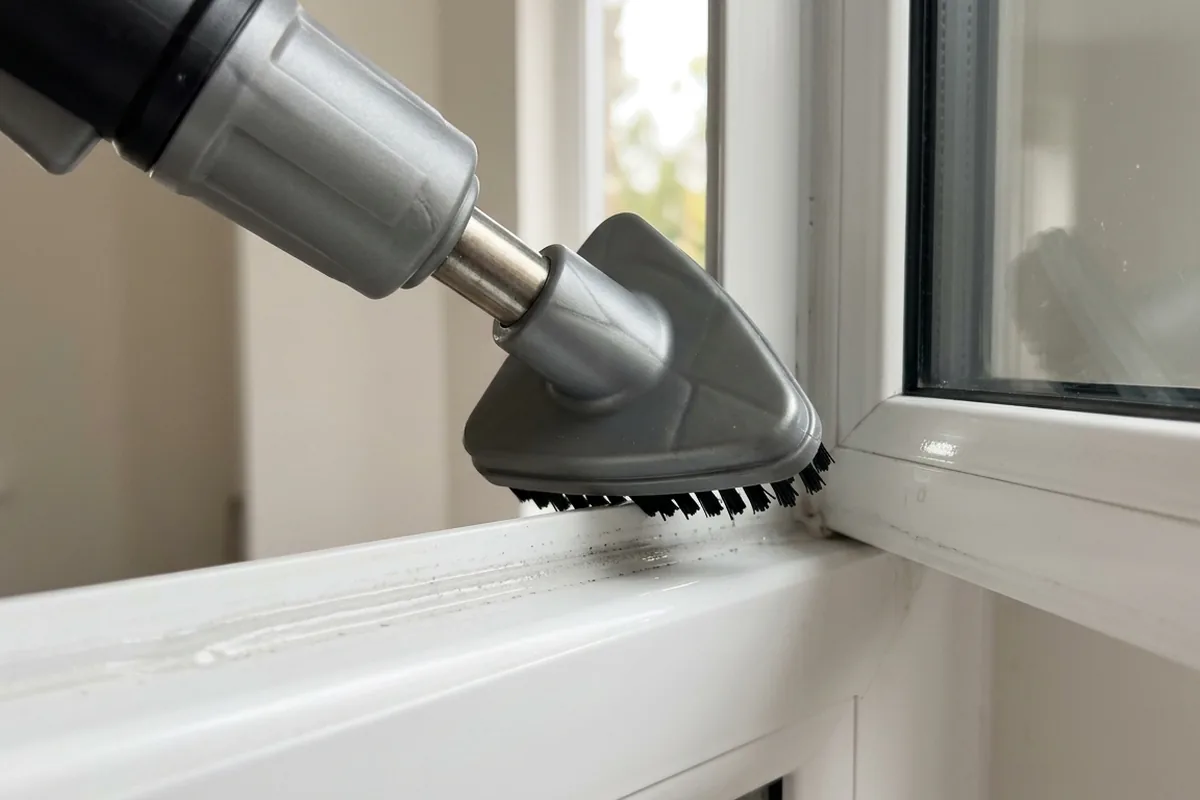
For uPVC window frames and rubber window or door seals, use a wide head or cloth-covered tool rather than a pinpoint jet. The aim is gentle surface cleaning, not blasting into the gap where the seal sits.
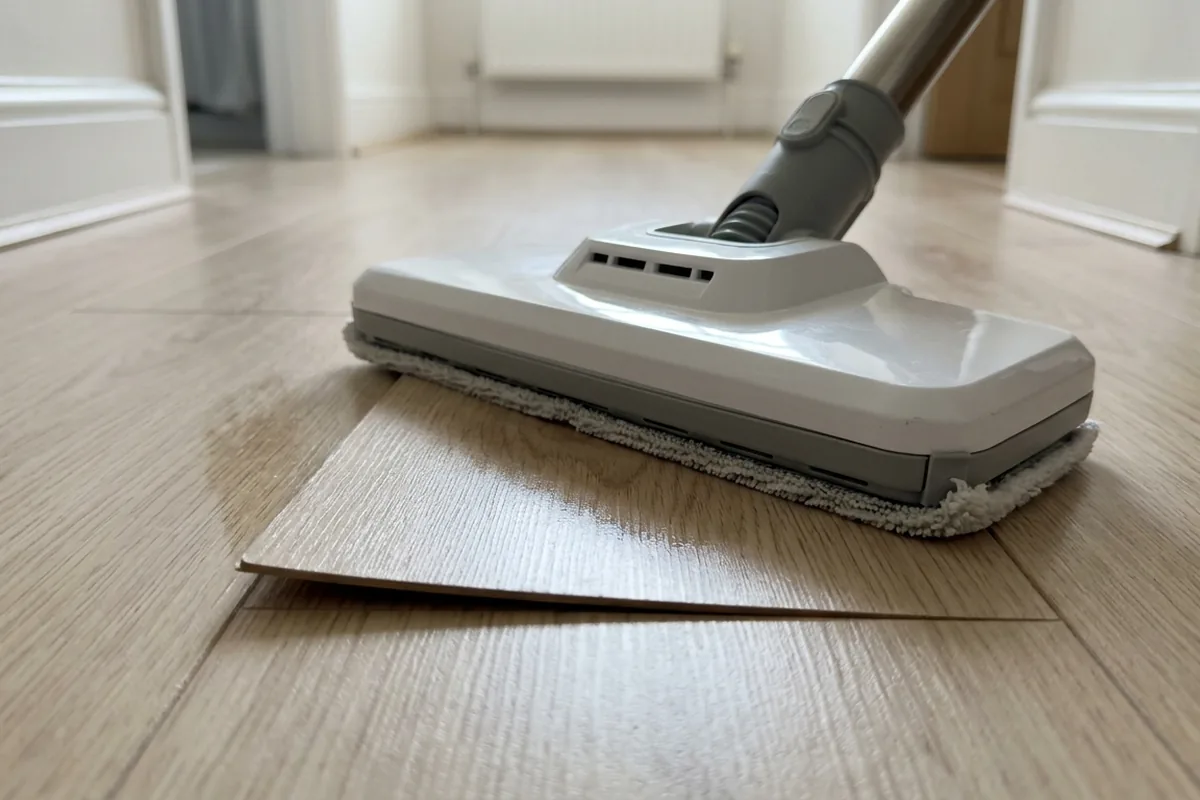
On laminate flooring and most engineered wood, the risk is swelling from moisture forced into the joints. If the manufacturer says “no steam”, don’t argue with it. If it’s allowed:
- Use a flat floor head with a thick pad.
- Keep it on the move.
- Leave the floor to dry quickly with good ventilation.
If any surface becomes very hot to the touch, warps, discolours or smells odd, stop immediately and let it cool.
Where steam is helpful – and where to avoid it
Steam is brilliant for some jobs and the wrong choice for others. Thinking in terms of “good”, “cautious” and “avoid” helps.
Good candidates in a typical British home:
- Ceramic and porcelain tiles and grout (in sound condition).
- Tough glass like shower screens.
- Stainless steel hobs and sinks.
- Sealed stone or vinyl floors that the manufacturer lists as steam‑safe.
Use with care:
- Silicone seals around baths, showers, sinks and kitchen worktops.
- Rubber seals on washing machine doors and fridge/freezer doors.
- uPVC window and door frames.
- Painted surfaces such as skirting boards and doors (test first).
Avoid:
- Unsealed wood, old floorboards and some laminates.
- Natural stone like marble, limestone or travertine unless the manufacturer allows steam.
- Loose or cracked grout or sealant, where steam can drive water behind tiles.
- Flaking paint or damaged finishes that can lift with heat.
If in doubt, do a small test patch in a hidden corner, using the lowest setting and a quick pass. Let it dry and check for dullness, softening or lifting before you tackle the rest.
Practical techniques to protect seals and finishes
Once you know where steam is acceptable, technique is what keeps seals and surfaces safe.
On bath and shower seals in a small UK bathroom:
- Ventilate well and run the extractor fan.
- Use a cloth-covered head or soft brush, not a bare jet.
- Work along the seal, not across it, in quick passes.
- Immediately wipe dry with a microfibre cloth so moisture is not sitting in the corners.
On washing machine rubber door seals:
- Avoid directing a concentrated jet into the folds, which can push water and grime deeper.
- If you use steam, keep the head a little back, then open the door and dry thoroughly with kitchen roll or a cloth.
- For heavy black mould, a targeted mould cleaner is often safer and more effective than trying to blast it out with steam.
On uPVC doors and windows with draught seals:
- Stick to the frame faces and handles.
- Do not hold the jet directly on the compressible rubber or brush seals.
- Dry the area after steaming so water does not sit in the rebate and mark the window board or skirting.
On floors, especially laminate:
- Use the thickest pad the machine allows.
- Avoid hovering over joints or edges, where moisture can be driven in.
- If you see edges starting to lift or feel rough, stop using steam on that floor.
If you ever notice sealant going soft, edges curling, or a musty smell after steaming, treat it as a warning sign: switch to gentler cleaning and, if necessary, re‑seal the area properly rather than trying to rescue it with more steam.
Used like this, a steam cleaner is a handy tool, not a wrecking ball. Keep the heat moving, respect what each surface can take and, when you are unsure, step back to a microfibre cloth, mild detergent and elbow grease instead of risking permanent damage.