That stubborn mark on glass hob tops or a cloudy patch on your shower screen can make you reach for the green scouring pad without thinking. It feels tough, it looks harmless and it’s already by the sink. But the one surface you should never attack with an abrasive pad is glass with a delicate coating – especially ceramic glass hobs and many modern shower screens or oven doors.
Once you scratch these, the damage is permanent: no cleaner will polish it back to new, and you can easily turn one small mark into a dull, hazy area that always looks dirty. The safer route is non-scratch pads or microfibre cloths plus the right cleaner, even if it takes a bit longer.
Why glass hobs and coated glass hate abrasive pads
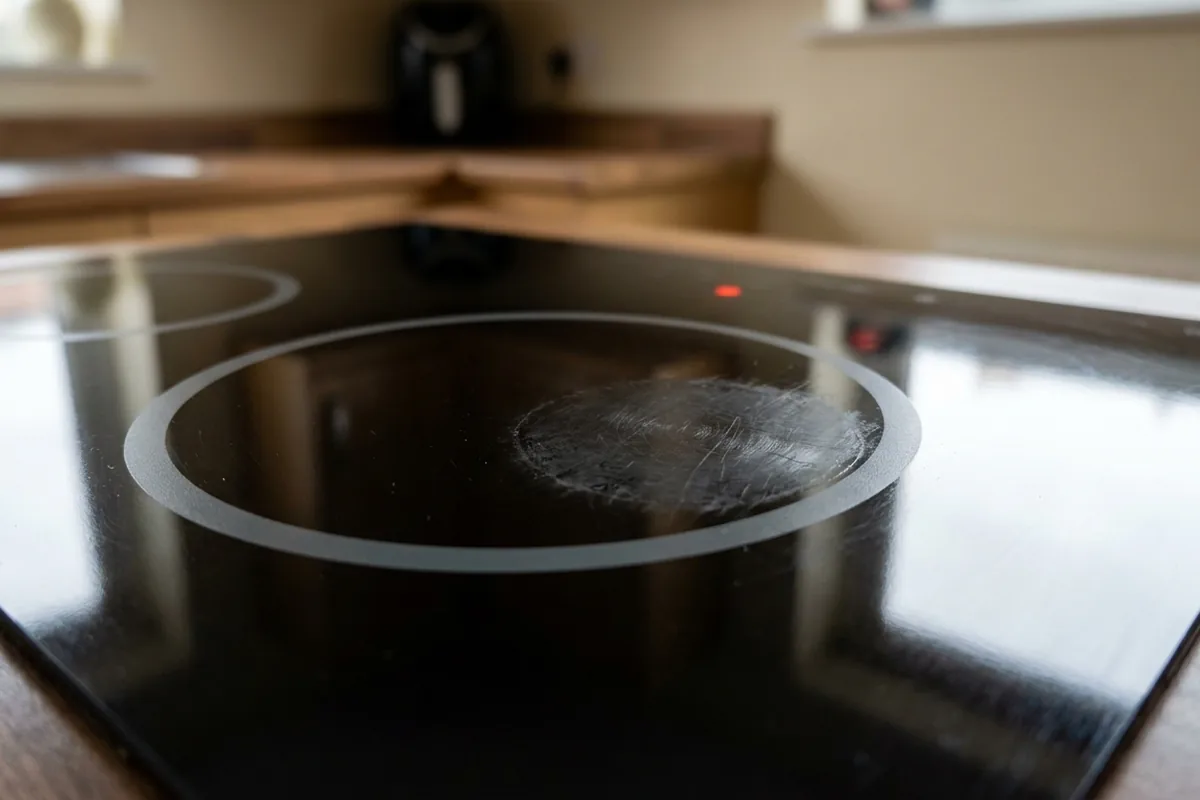
On a typical UK ceramic or induction hob, that smooth black “glass” is actually a toughened, coated surface. It looks bombproof, so people scrub burnt-on pasta water with a green scourer, steel wool or a rough sponge and only notice the problem when the light catches it.
The issue is not just scratching. Abrasive pads can cut through the top layer, leaving:
- fine swirl marks that show every bit of grease
- light grey or white “cloudy” patches
- tiny grooves that trap burnt food, making future cleaning harder
Some shower screens and oven doors are also sold with easy-clean or anti-limescale coatings. Once you scratch those off, water starts clinging, limescale builds faster and you end up cleaning more, not less.
If you are not sure whether your glass is coated, assume it is and treat it gently. It is far easier to use a softer method now than to live with permanent scuffs across the middle of your hob.
Safe ways to clean burnt-on and cloudy glass instead
You can still deal with cooked-on food, limescale and greasy smears without reaching for an abrasive pad. The aim is to soften and lift, not grind away.
For a ceramic or induction hob in a typical kitchen:
- Let the hob cool fully.
- Loosen the mess first with warm water and a drop of washing-up liquid.
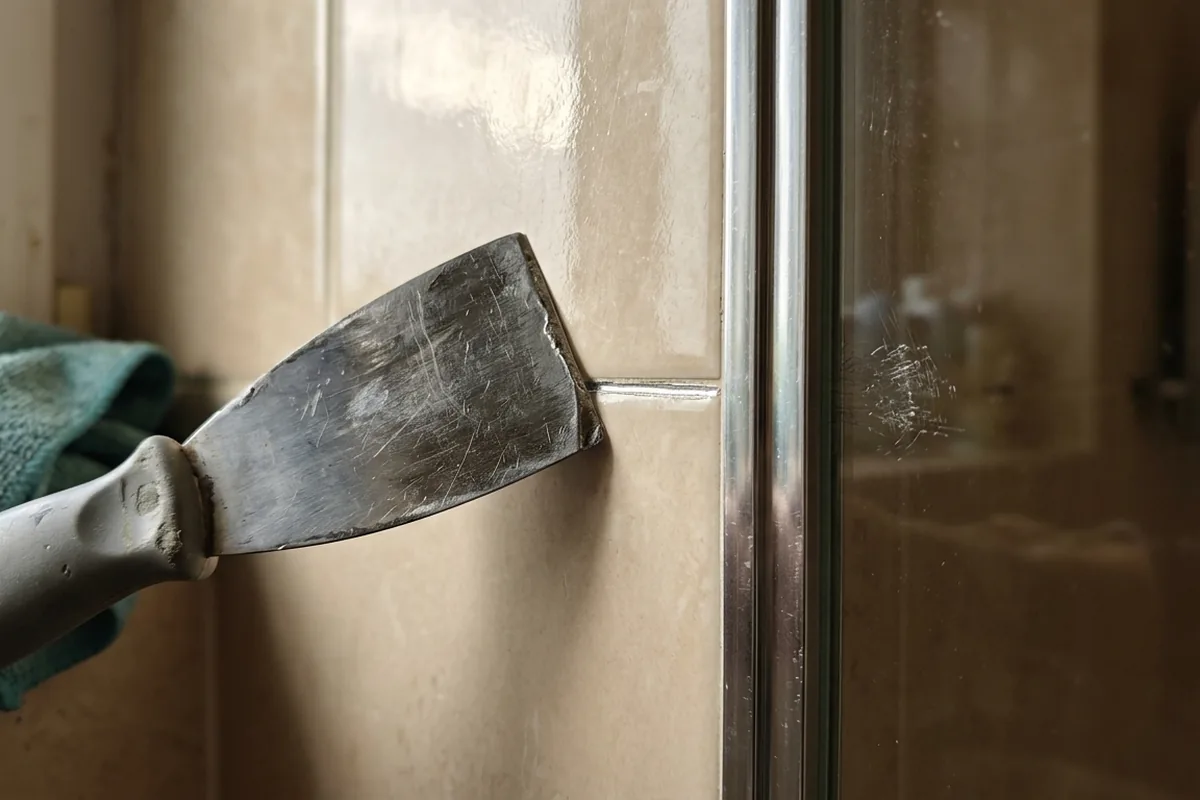
- Use a plastic scraper designed for hobs or a proper hob scraper with a flat blade held almost flat to the surface. Do not dig the corner in.
- For any remaining haze, use a hob cream or paste cleaner labelled as safe for ceramic glass, applied with a soft microfibre cloth.
- Wipe off, then buff dry with a clean cloth so you can see if any marks remain.
For shower screens and oven doors:
- Spray with a bathroom or glass cleaner, or white vinegar diluted with water (avoid vinegar on natural stone nearby).
- Leave it to sit for a few minutes so limescale or soap scum softens.
- Wipe with a non-scratch sponge or microfibre cloth, then rinse well.
- On shower glass, a quick pass with a window squeegee after each use slows limescale so you do not feel tempted to “scrub it off” later.
If you are dealing with really stubborn limescale on a shower screen, a specialist limescale remover from somewhere like B&Q is usually more effective and safer than brute-force scouring. Always ventilate the room and follow the label.
Other common surfaces to keep away from abrasive pads
Abrasive pads cause quiet damage all over a home, not just on hobs. It often shows later as dull patches, flaking or areas that never quite come clean.
Here are a few places where you should be careful:
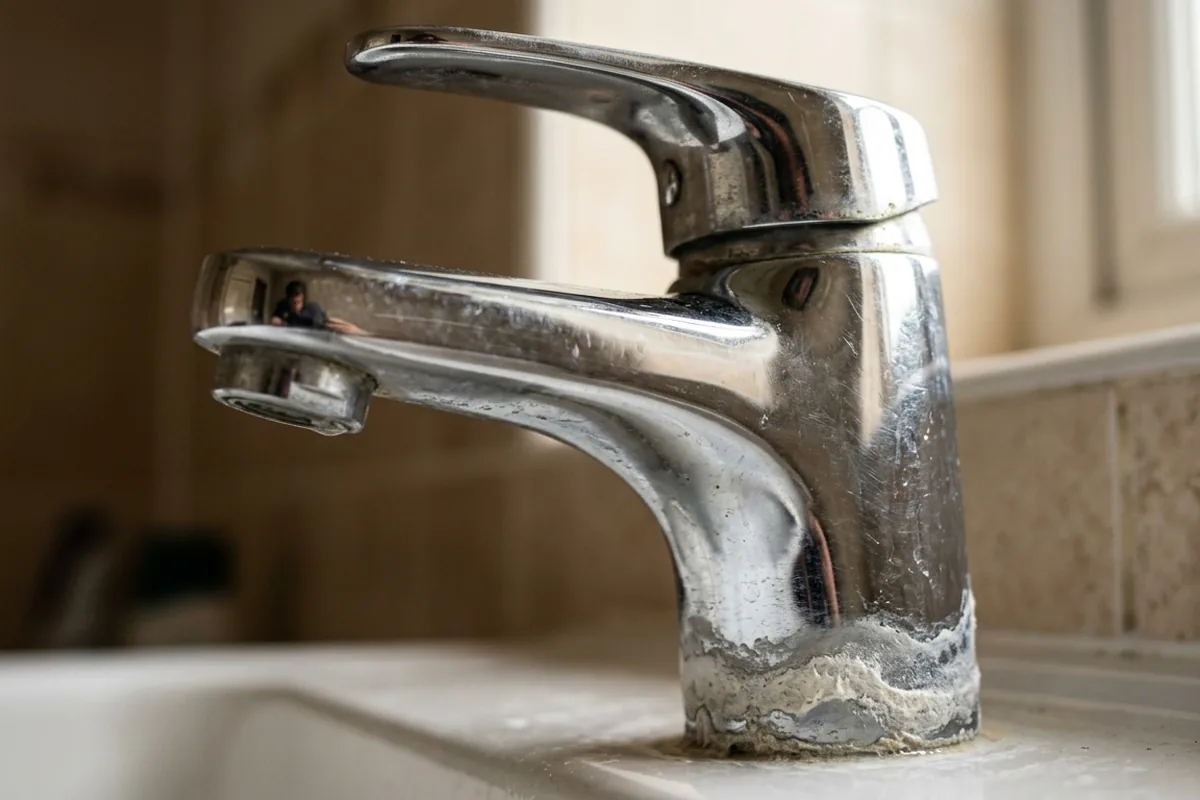
- Stainless steel sinks and taps: A quick scrub with a green pad can leave circular scratches that catch the light. Use a soft cloth and a cream cleaner instead, working with the grain of the metal.
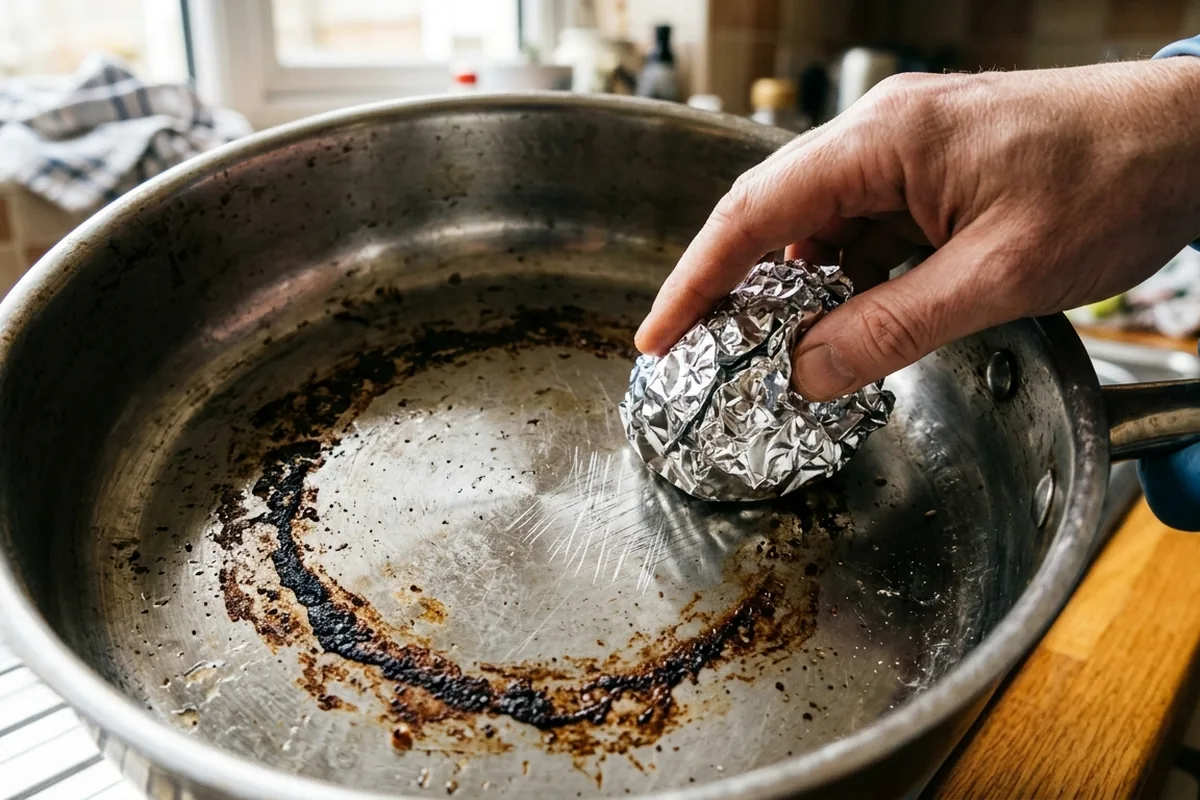
- Non-stick pans and baking trays: Abrasive pads can strip the non-stick coating, leading to food sticking and flakes in your food. Use soft sponges and soak stubborn bits.
- Gloss kitchen cupboards and painted doors: Scouring pads can take the shine off or even remove paint on edges, especially in rented flats where cheaper finishes are common.
- Plastic baths and acrylic shower trays: Abrasives can leave them dull and rough, which then holds onto soap scum and makes them look dirty faster.
If you are ever tempted to “just give it a quick scrub” on a shiny or coated surface, a soft microfibre cloth, warm soapy water and patience are almost always the safer first try. If that is not enough, a product specifically labelled for that surface is a better next step than an abrasive pad.
When you catch yourself hovering over the hob or shower with a scourer in hand, put it down and swap it for something softer. The extra minute now is worth not staring at permanent scratches every time the morning sun hits the glass.