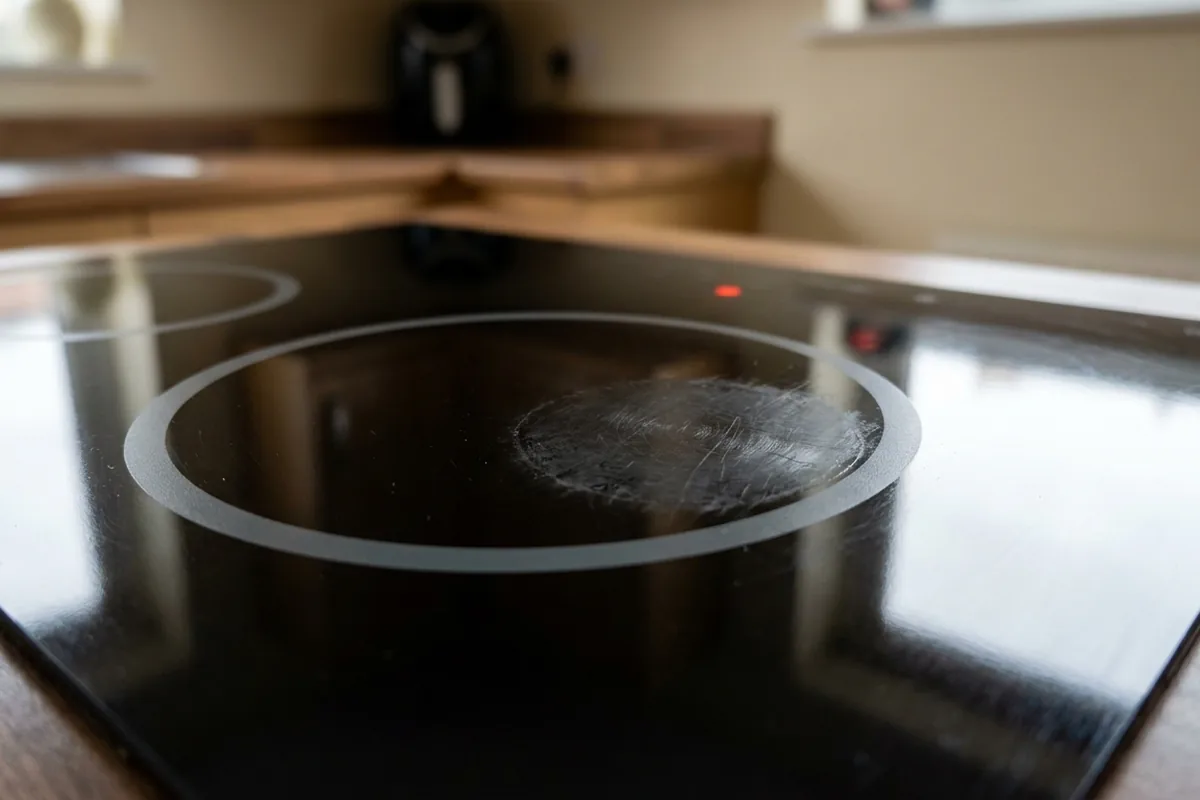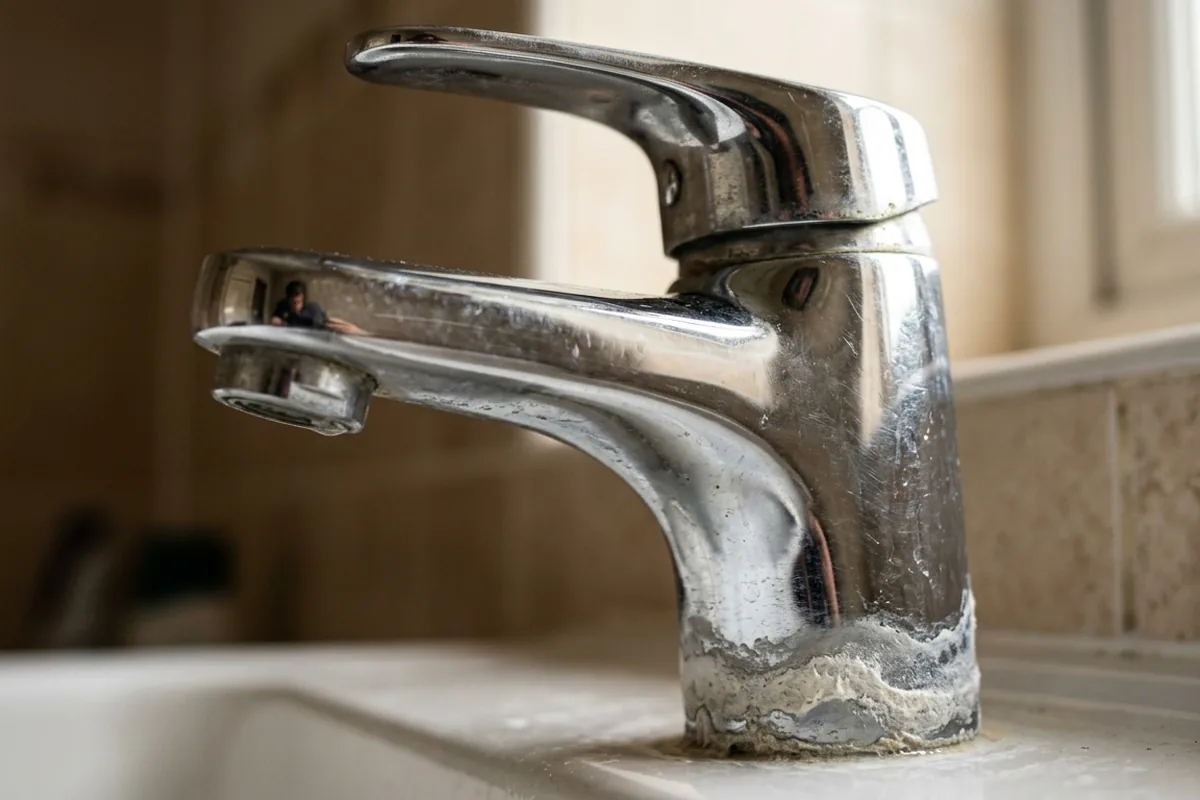
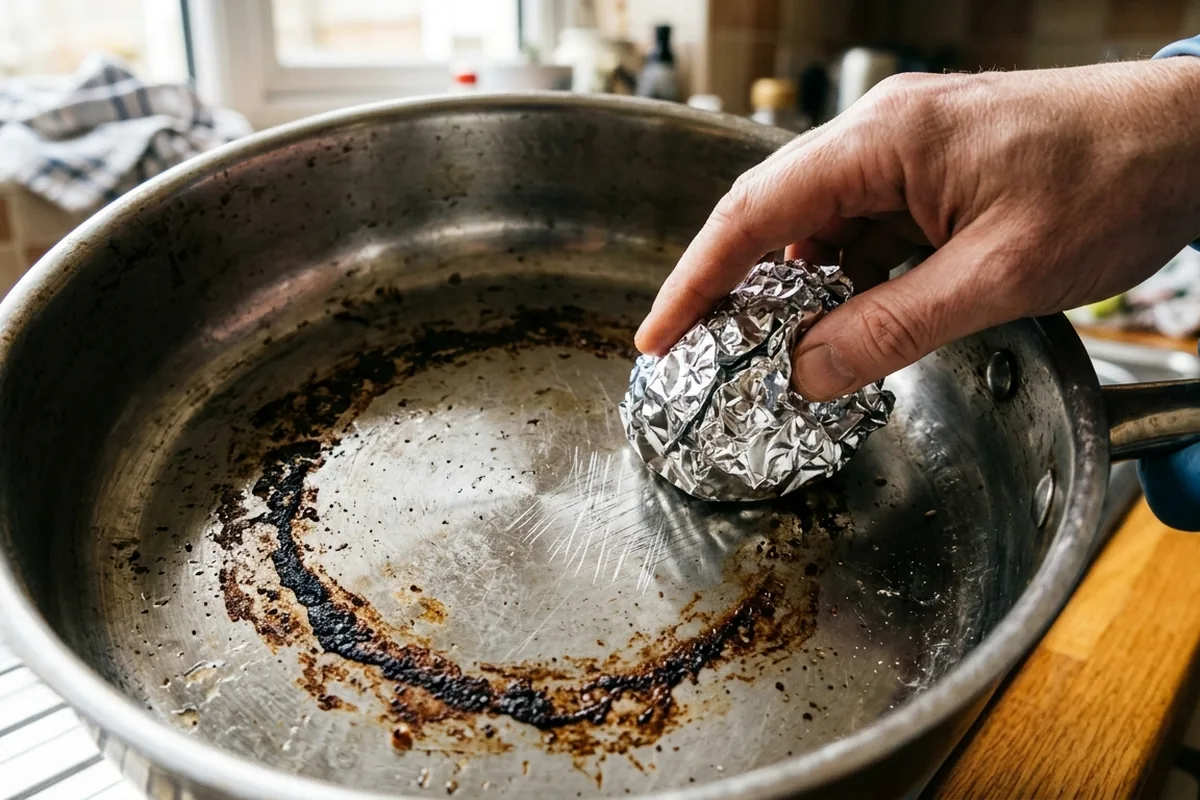
That black, crusty ring welded to the bottom of a favourite saucepan after something caught on the hob is exactly when many people reach for the “foil ball trick”. Scrunch up some kitchen foil, add washing-up liquid and start scrubbing: it can work, but it can also quietly ruin a pan’s surface. The simple rule is: foil is fine on bare, tough metal, but it can scratch coated or delicate finishes and make them harder to clean next time.
When the foil ball actually helps – and when it will damage the pan
The foil ball trick is basically using aluminium foil as a cheap, very abrasive scrubber. It can be useful on plain stainless steel or uncoated cast iron when food is really baked on and normal sponges are doing nothing.
It is risky or outright wrong on anything with a coating or soft surface. If you use foil on non-stick, enamel, anodised aluminium or copper with a shiny finish, you are likely to leave dull patches and fine scratches that you cannot polish out.
A quick way to decide is to think in two groups:
- Usually safe with care: plain stainless steel saucepans and frying pans, solid cast iron (not enamelled), cheap steel baking trays that are already a bit battle-scarred.
- Avoid foil: non-stick pans, enamelled cast iron (e.g. coloured casseroles), ceramic-coated pans, aluminium pans with a dark anodised finish, copper or brass with a mirror shine.
If you are not sure what you have, do not start on the middle of the pan. Test a tiny patch on the underside with light pressure. If it goes dull or shows hairline scratches, stop and switch to a softer method.
How to use the foil ball on burnt pans without going too far
If your pan is in the “usually safe” group, the way you use the foil matters more than the foil itself. You want the hot soak to do most of the work and the foil just to lift the last stubborn bits.
1. Fill the pan with hot water from the tap, add a squirt of washing-up liquid and, if the burnt layer is thick, simmer gently on the hob for 5–10 minutes. Do not boil dry.
2. Let it cool slightly so you can handle it, then pour away the water and use a wooden spoon or spatula to scrape off any loosened flakes.
3. Scrunch a piece of ordinary kitchen foil into a loose ball, shiny side out, about the size of a golf ball. The looser it is, the more aggressive it will feel, so don’t compact it rock-solid.
4. Add a little fresh hot water and a dab of washing-up liquid to the burnt area, then rub lightly in small circles, checking the surface every few seconds.
5. As soon as the black layer is gone and you can see clean metal, stop. Rinse well and finish with a normal non-scratch sponge.
Two important limits:
- If you can feel ridges with your fingernail, that damage is in the metal, not just burnt food. More scrubbing will only thin the metal and mark it.
- If the pan has a warped base or deep pitting, it is often better to replace it than to attack it with more abrasion.
For burnt-on sugar, caramel or jam, skip the foil entirely. Soak first, then try warm water with bicarbonate of soda. Sugar can set like glass and scrubbing too hard can gouge softer metals.
Safer alternatives for coated pans and what to try before foil
For non-stick and enamel pans, the best approach is patience and chemistry rather than brute force. The aim is to soften the burnt layer so it lifts with minimal scrubbing.
For most coated pans, try this first:
- Fill the pan with hot water and a squirt of washing-up liquid, leave to soak for at least 30–60 minutes.
- For really stubborn bits, simmer gently with a spoonful of bicarbonate of soda in the water for 5–10 minutes, then let it cool and wipe with a soft sponge or microfibre cloth.
- Use a plastic scraper or a silicone spatula on any remaining spots, not knives or metal tools.
If you like a quick comparison, this is where foil usually sits among other options:
| Surface or pan type | Safe first option | Avoid using foil when |
|---|---|---|
| Stainless steel saucepan | Hot soak, then foil if needed | Surface is mirror-polished and you care about shine |
| Cast iron (uncoated) | Hot water, stiff brush, salt scrub | Pan is seasoned and you do not want to strip it |
| Non-stick frying pan | Soak, soft sponge, bicarbonate paste | Any burnt area is on the dark non-stick coating |
| Enamelled casserole | Soak, bicarbonate paste, non-scratch pad | There are already chips or fine cracks in the enamel |
| Copper or shiny aluminium | Mild cream cleaner, soft cloth | You want to keep the bright, even finish |
Be wary of online mixes that suggest combining several cleaners. Do not mix bleach with anything acidic like vinegar or citric acid, and avoid harsh oven cleaners inside pans that touch food unless the label explicitly says they are suitable and you can rinse thoroughly.
If you are in a small kitchen or rented flat with limited washing-up space, a good non-scratch scourer and a bit more soaking time are usually kinder to pans and worktops than resorting to foil every time something catches.
If you catch yourself reaching for foil regularly, the real fix may be turning the hob down a notch, stirring more often, or using a thicker-bottomed pan that spreads heat better.
Used sparingly and on the right metal, the foil ball trick can rescue a burnt stainless pan. Used on the wrong surface, it quietly trades one problem for another: a pan that looks scratched, dull and never quite clean. When in doubt, soak first, scrub soft and leave the foil in the drawer.