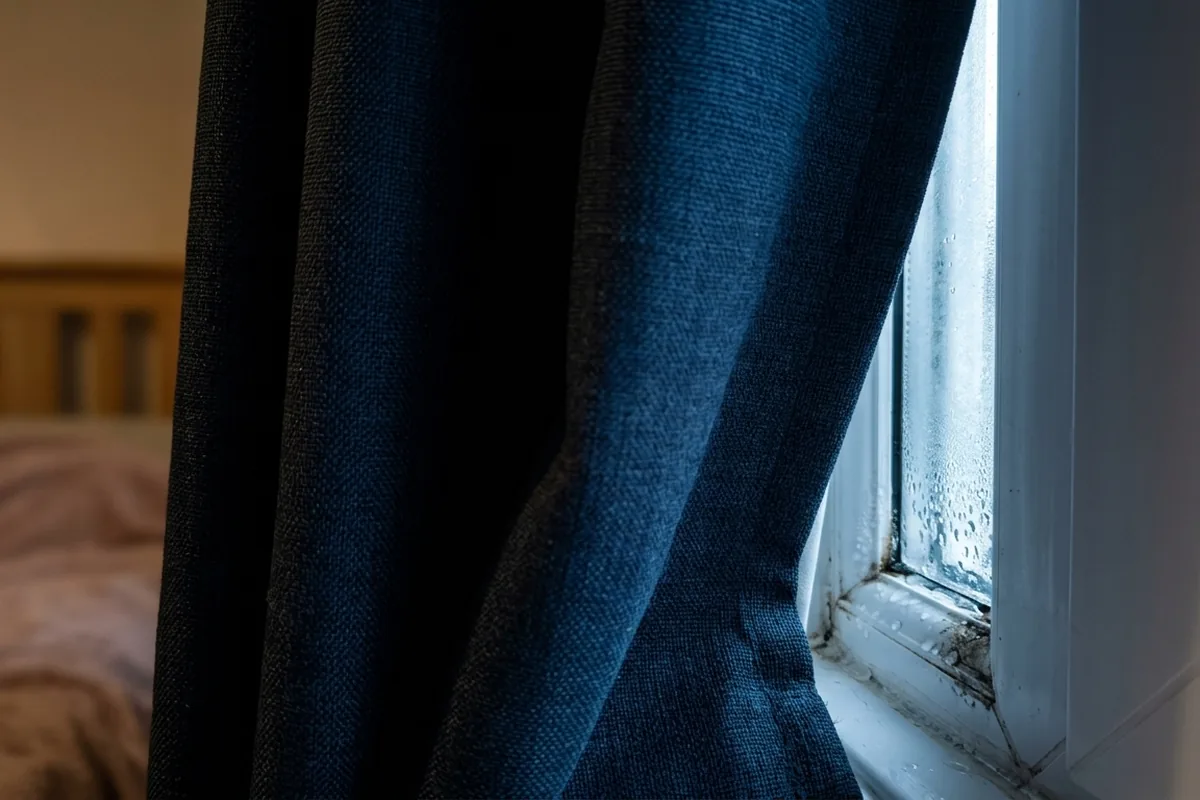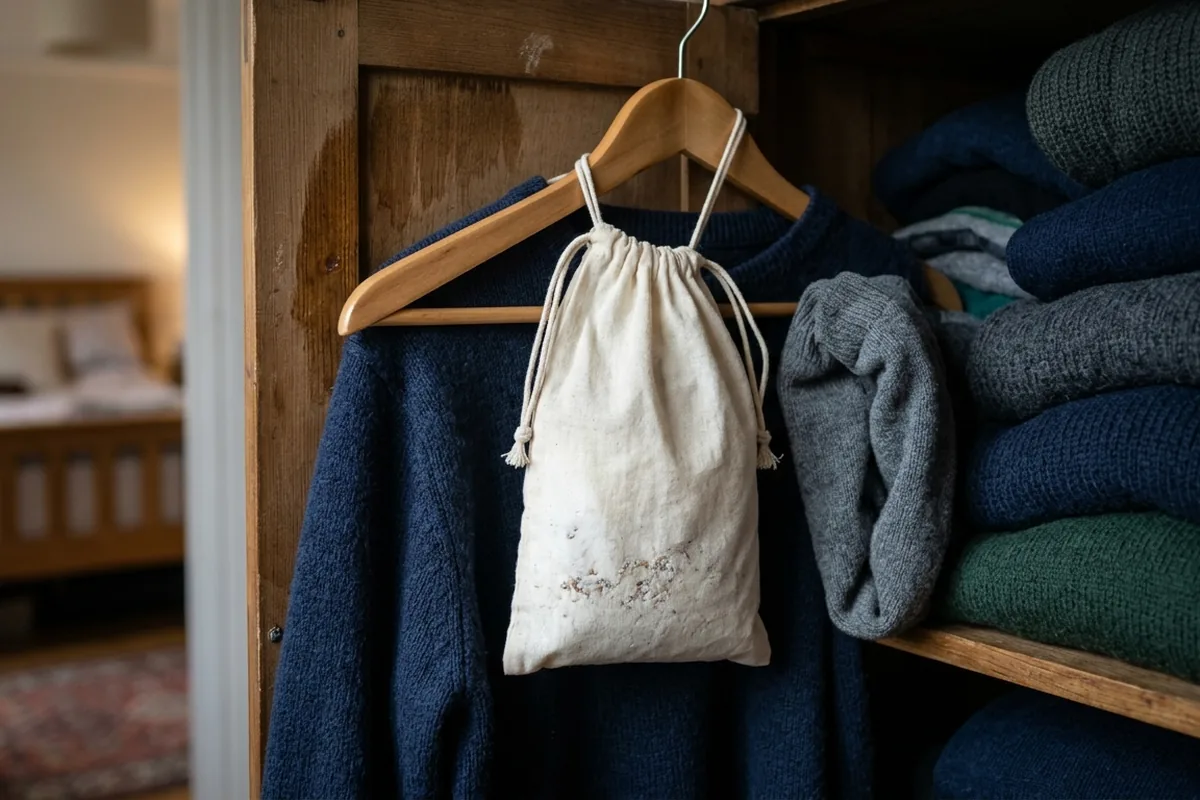
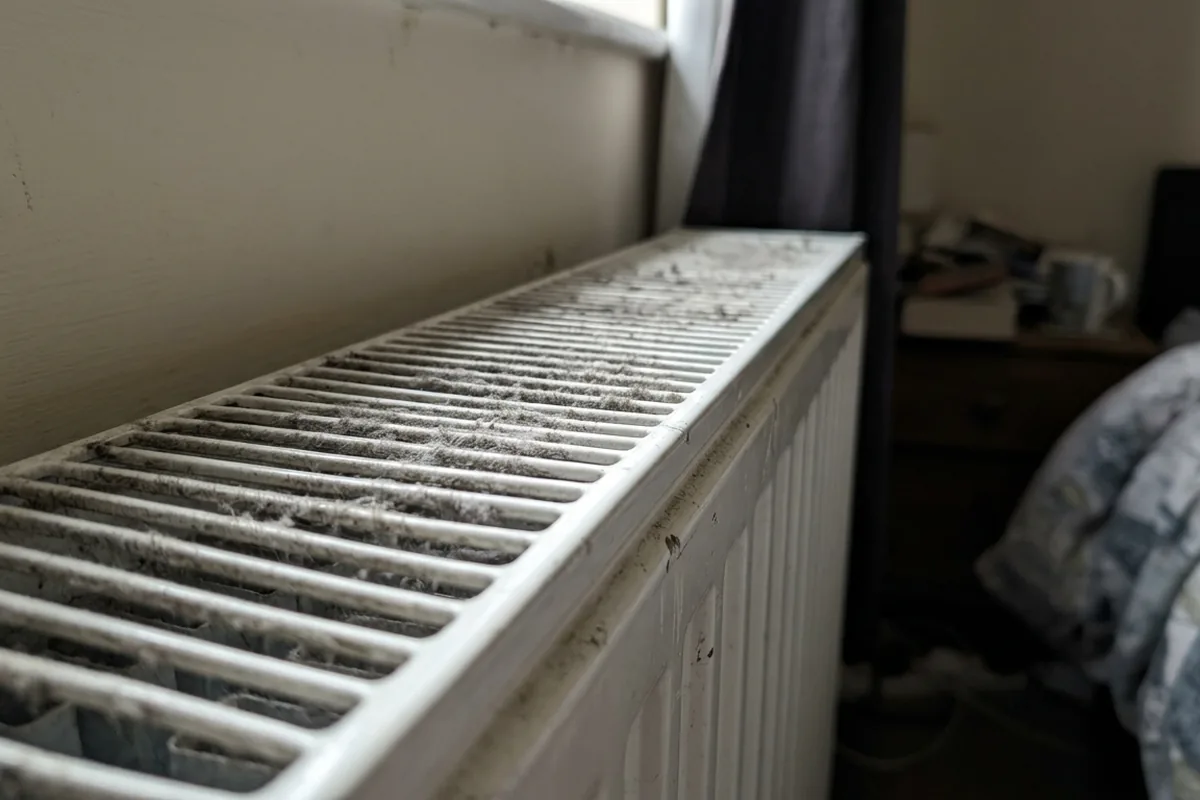
The room feels warm enough but the air is heavy, the windows mist up and a faint musty smell hangs around the curtains or sofa. Often the culprit is not a hidden leak or a bad paint job, but how you are using your radiators. The big mistake is running radiators hard with no proper ventilation and wet items draped over them, so moisture has nowhere to go. That combination can leave rooms feeling damp and stale even when the heating is on.
The radiator habit that traps moisture in your room
Radiators themselves don’t create damp. The problem is when they are used to pump warm, moist air into a sealed box.
If you regularly dry washing over radiators, keep the door shut, and open the window only a crack (or not at all), every sock and T‑shirt is releasing moisture into the air. The radiator speeds that up. That moisture then hits the coldest surfaces in the room: bedroom windows, outside walls, skirting boards behind furniture, and condenses there.
Over days and weeks you may notice:
- Steamy windows in the morning
- A musty or slightly sour smell near curtains, cushions or carpets
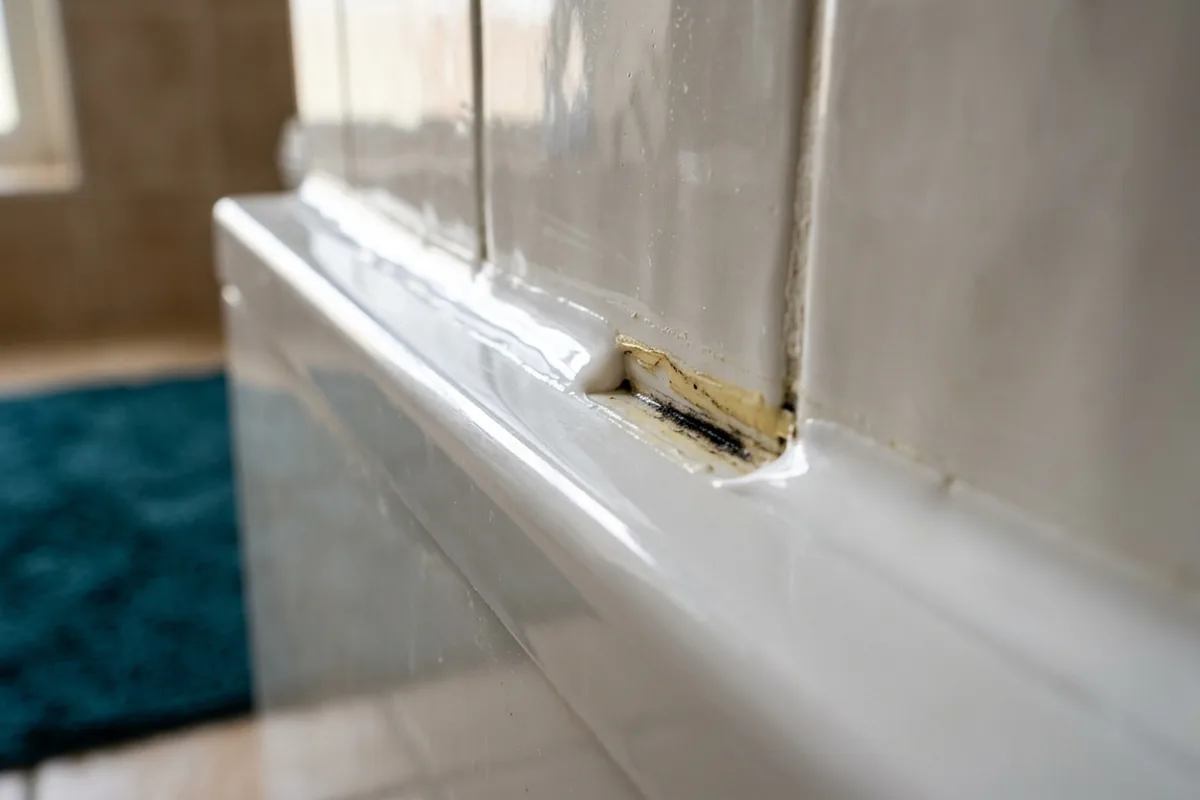
- Tiny specks of mould on silicone sealant or window boards
- Walls or corners that feel cooler and a bit clammy to the touch
The mistake is assuming “the heating will dry it out”. Heating without ventilation just keeps recirculating moist air. The room can feel stuffy, and fabrics start to hold on to that stale odour.
The quick correction is simple: if you’re using radiators to dry anything or you can see regular condensation, you need a way for moist air to escape (window opened slightly, trickle vents open, or an extractor fan running), not just more heat.
How to use your radiators without creating a damp, stale room
You usually don’t need new radiators or expensive gadgets, just a small change in how you run them.
Aim for a balance of gentle, steady heat and regular air changes, especially in small bedrooms, rented flats and boxy living rooms.
A few practical tweaks:
- Avoid covering radiators completely with clothes horses or thick curtains. Leave a gap so heat can circulate.
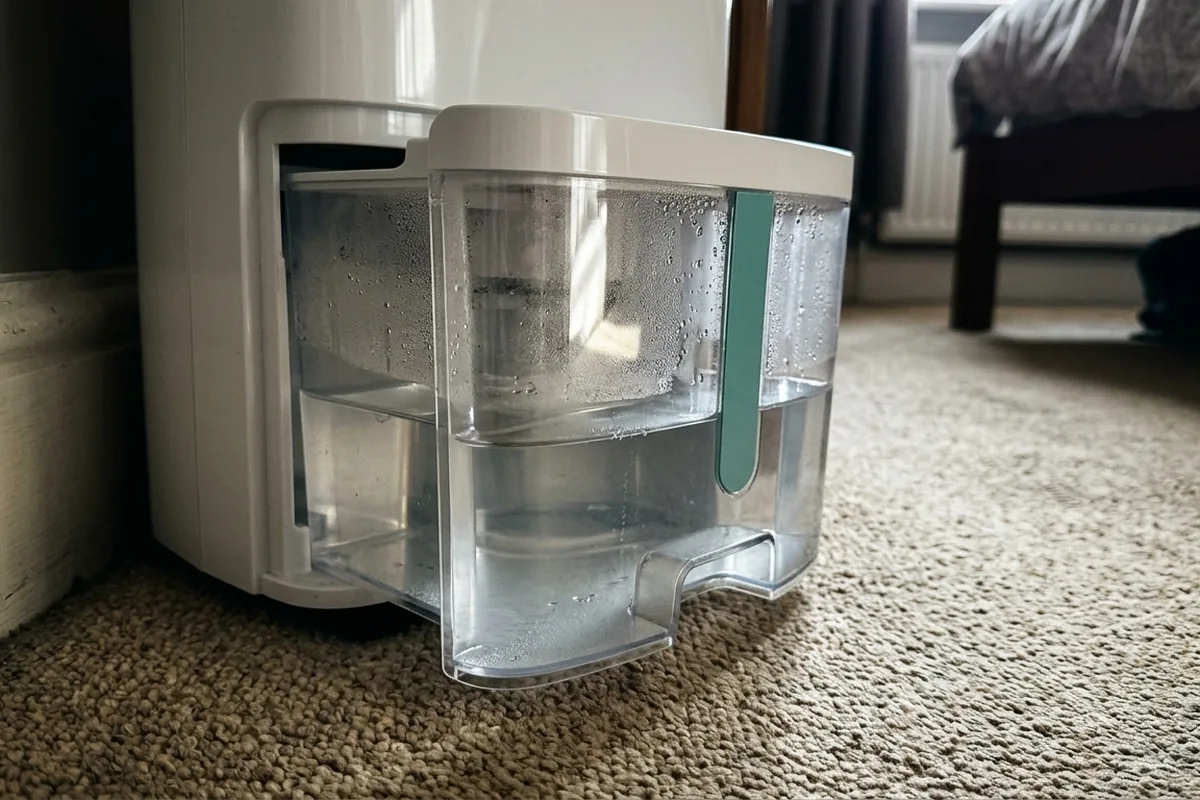
- If you must dry clothes indoors, use an airer a little away from the radiator, not directly on it, and crack a window or run a dehumidifier in the same room.
- In rooms that smell stuffy, open a window wide for 5–10 minutes once or twice a day rather than leaving it on the tiniest crack all day. A short sharp air change works better.
- Check that trickle vents above windows are open, especially in bedrooms where windows are often kept shut at night.
- Don’t push large furniture tight against radiator walls. A small gap behind a sofa or wardrobe on an outside wall lets air move and helps stop damp patches forming.
If you’re still unsure what’s going on, a cheap hygrometer (humidity meter) from somewhere like Screwfix or B&Q can be very revealing. Indoor humidity that often sits above about 65–70% is a sign that you’re trapping moisture.
When the “radiator mistake” is a clue to a bigger damp issue
Sometimes the radiator habit simply exposes an underlying problem rather than causing it.
If you fix the way you heat and ventilate but still notice persistent damp patches, it is worth looking a bit deeper.
| Sign at home | What it may mean | First check |
|---|---|---|
| Condensation only on glass | Normal moisture and cold windows | Improve ventilation and wipe dry |
| Mould on silicone around windows | Moist air sitting too long | Air the room and clean mould safely |
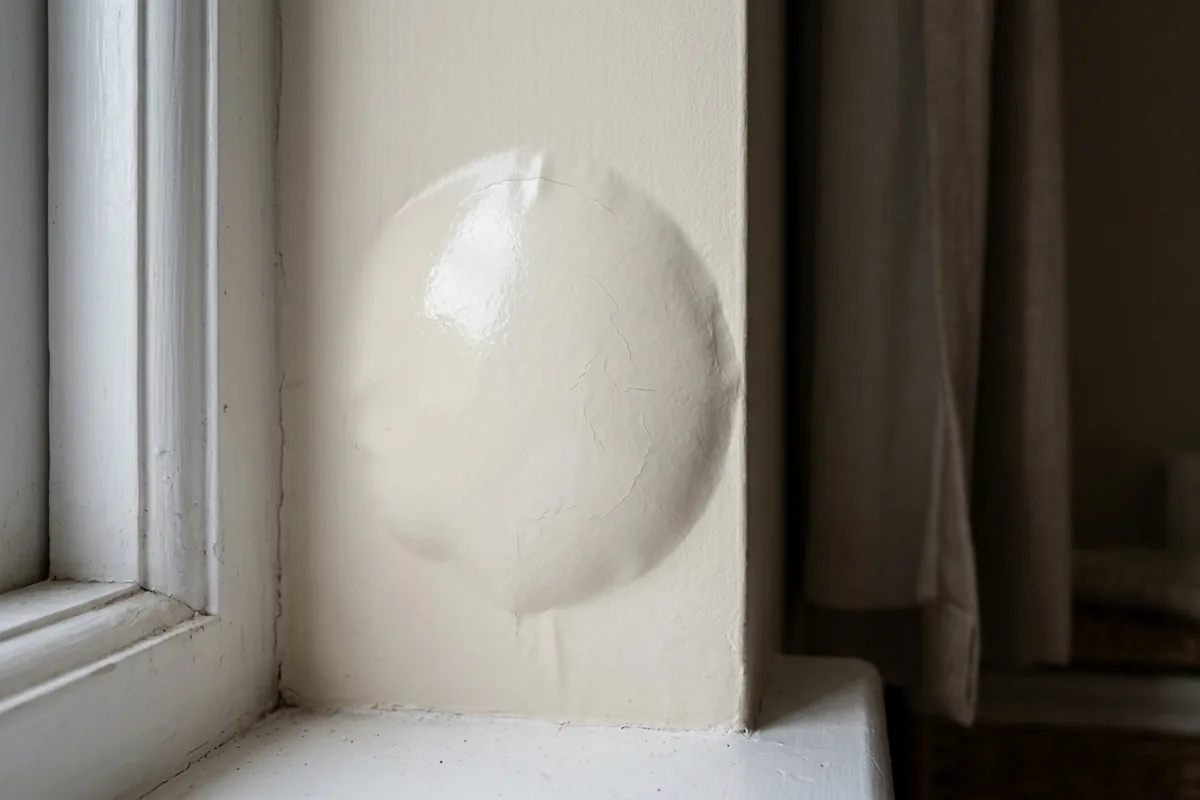
| Damp skirting or blown paint below radiator | Possible leak or penetrating damp | Look for drips, rust or constantly wet plaster |
| Musty smell in one corner only | Cold bridge or hidden damp patch | Move furniture and feel the wall |
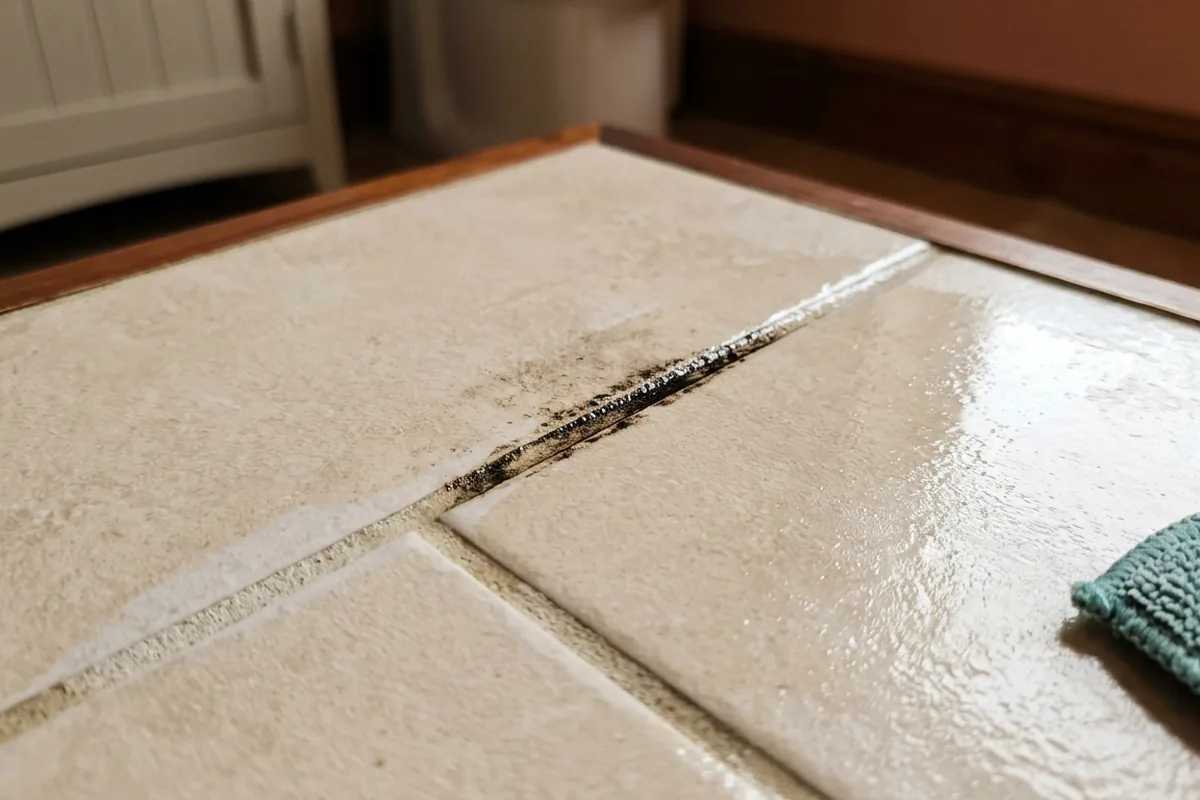
| Black mould spreading across walls | Serious moisture problem | Stop drying clothes there and seek professional advice |
If the only issue is wet windows and a stale feel, improving your radiator use and ventilation normally makes a clear difference within a few days: windows dry more quickly, the room smells fresher and fabrics don’t feel quite so clammy.
If, however:
- Paint keeps bubbling or flaking under a radiator,
- Skirting boards are swollen or crumbly,
- There is widespread black mould, not just small specks,
then you may be dealing with leaks, penetrating damp or structural moisture, not just trapped condensation. That is where you stop experimenting and speak to your landlord, local council housing team or a qualified damp specialist, especially if anyone in the home has breathing problems.
For most homes though, the “radiator mistake” is straightforward: too much moisture, too little escape route. Correct that, and the same radiators that once left rooms feeling damp and stale can start to feel comfortably warm instead of swampy.