That stale, slightly sweet smell that hits you when you open an under‑sink cupboard or wardrobe isn’t just “old house”. It’s usually trapped moisture and bacteria in wood, chipboard, paint or fabrics – and if you only spray air freshener, it will keep coming back. If the cupboard smells musty again a day after you’ve “freshened” it, the surfaces inside are still damp somewhere.
The key is to find and remove the source of the moisture, then clean and dry the cupboard thoroughly. Bowls of bicarbonate of soda, coffee grounds or Zoflora on a bit of kitchen roll can help with lingering odours, but they’re the last step, not the fix. If you skip the drying and just add scent, you’re effectively trapping damp in a box.
How to actually get rid of the damp smell, not just cover it
You’re aiming for three things: stop new moisture getting in, dry what’s already damp, and clean what the damp has affected. For most cupboards in UK homes – under‑sink units, built‑in wardrobes, airing cupboards – the basic approach is similar.
Start by emptying the cupboard completely. Take everything out, including baskets, shoes, cleaning products and spare loo rolls. If you only clean around things, you’ll miss the patches that are quietly staying wet.
Now work through this sequence:
- Check for leaks or obvious moisture. In an under‑sink cupboard, run the tap and feel around pipes, joints and the base of the cupboard for any fresh wetness. In an airing cupboard, check for weeping valves or a slightly wet floor around the hot water cylinder. In a wardrobe on an outside wall, feel the back panel and skirting board for cold, clammy patches.
- Dry the cupboard fully. Leave the doors open for several hours. Use a fan or a small dehumidifier nearby if you have one. Wipe all surfaces with a dry microfibre cloth. If the base or back panel still feels cool and clammy after a few hours, there is ongoing moisture, not just a one‑off spill.
- Clean the internal surfaces. Mix a mild solution of washing‑up liquid in warm water and wipe shelves, sides and doors, then dry. For light surface mould, use a dedicated mould spray or a diluted household disinfectant, following the label and keeping the room ventilated. Wear gloves and avoid scrubbing mould dry, as that can release spores.
- Let it air overnight if you can. Doors open, contents out. In a small flat, even a few hours with a window cracked nearby and a fan on can make a big difference.
Only once the cupboard is fully dry and cleaned should you think about any odour absorbers. At this point, a small open tub of bicarbonate of soda on a saucer, or a moisture absorber from somewhere like B&Q, can help mop up any remaining smells – but they’re there to polish off the problem, not hide an active leak.
What different cupboard smells are telling you
Different smells give you clues about what’s going on, and that steers what you fix first.
Here’s a quick way to interpret what you’re noticing:
| Where the smell is strongest | Likely source | First check |
|---|---|---|
| Under-sink kitchen cupboard | Slow pipe leak or condensation on cold pipes | Run taps, feel around traps, joints and base for fresh damp |
| Wardrobe on an outside wall | Condensation on cold wall or poor airflow | Feel back panel and wall; check clothes for damp patches |
| Airing cupboard | Minor cylinder or valve seepage, or poor ventilation | Look for rust marks, green crust on joints, or damp floor |
| Hall shoe cupboard | Wet shoes and coats trapped inside | Check soles and linings; see if smell is stronger in shoes |
| Built-in cupboard by bathroom | Steam and condensation drifting in | Check bathroom extractor use and door gaps |
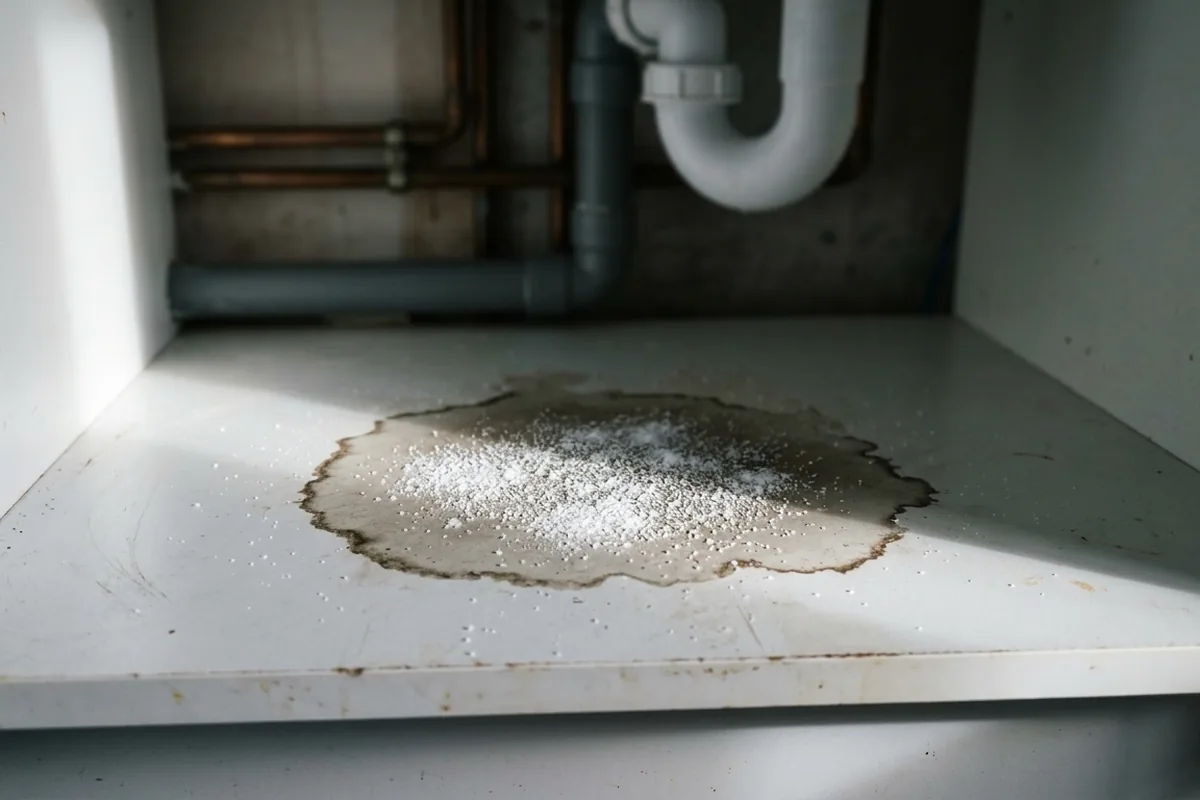
If the smell is strongest at the base of the cupboard and you can see swelling, flaking or crumbling chipboard, the material has been wet for a while. Cleaning will help the odour, but the damaged board may never fully lose the smell and might eventually need replacing.
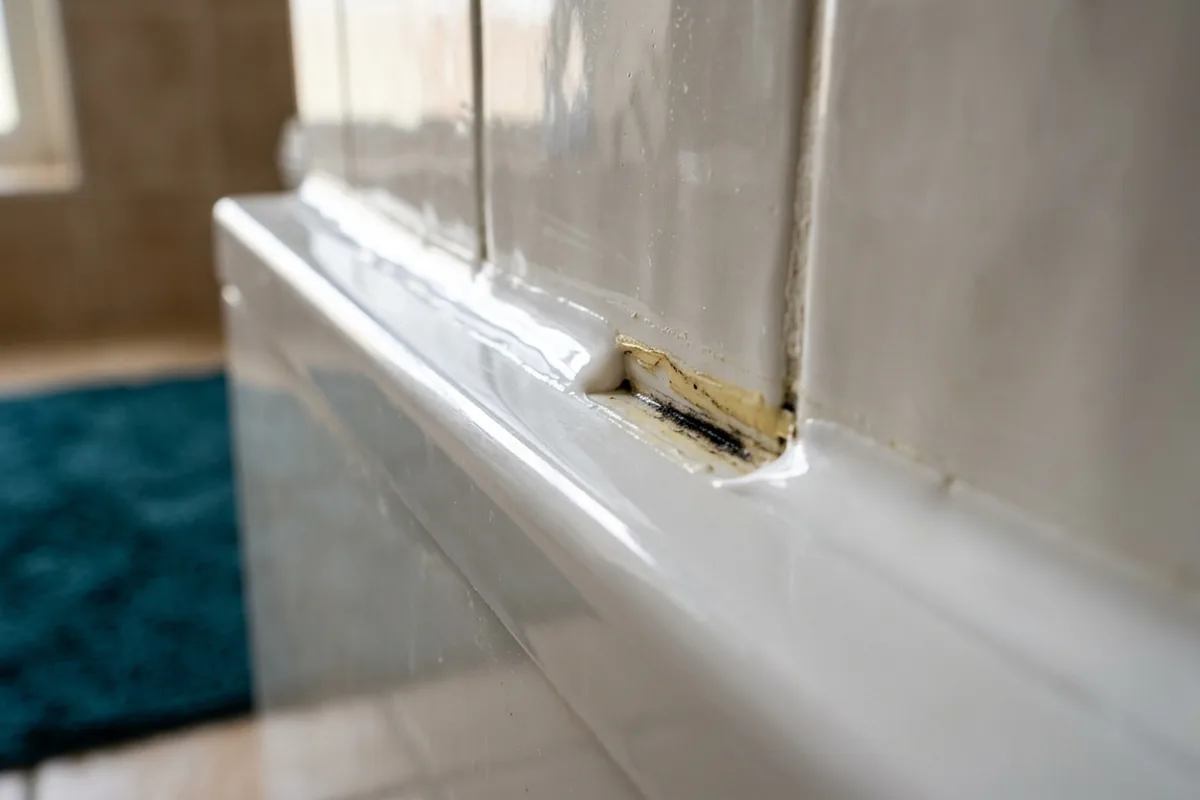
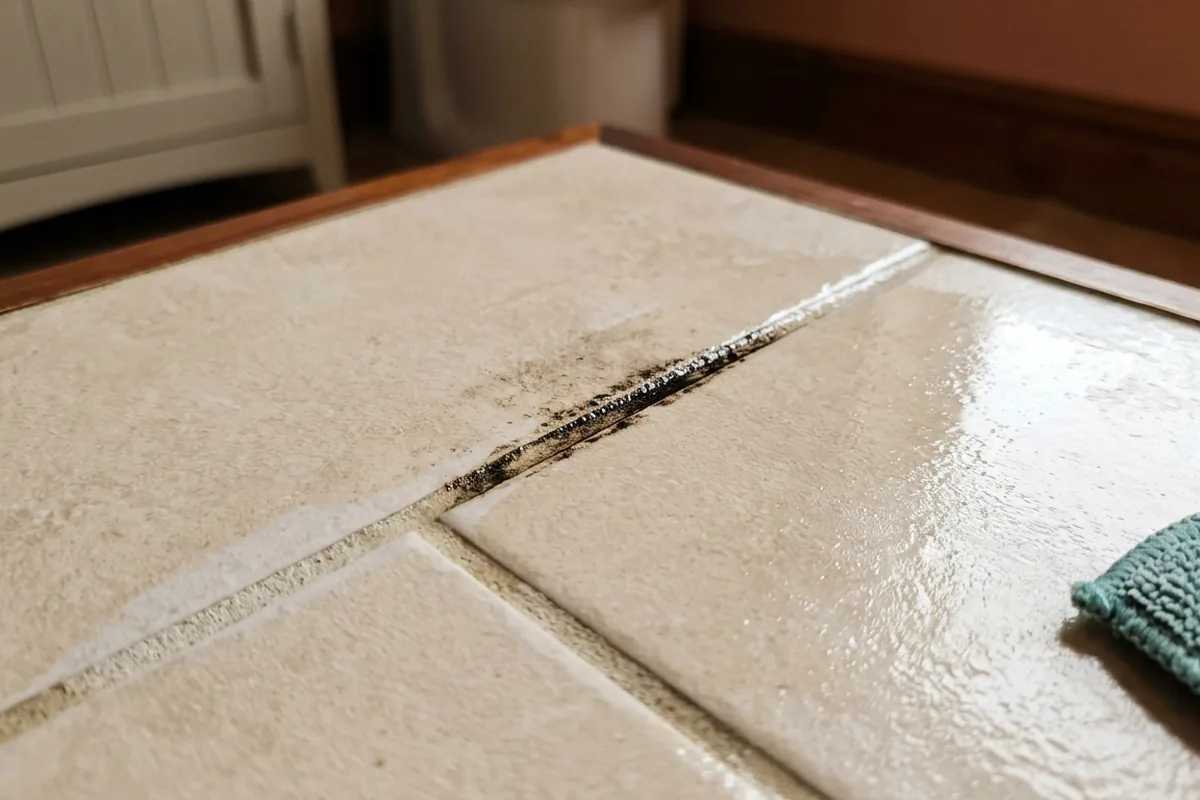
If the smell is more like earthy mould and you can see black or green specks on the back panel or skirting board, you’re dealing with mould from chronic damp. In that case:
- Treat visible mould with a suitable mould remover or diluted bleach solution if the surface is appropriate, keeping windows open and wearing gloves.
- Never mix bleach with vinegar or any other cleaner.
- If you see widespread black mould on walls or ceilings beyond the cupboard, or you have breathing issues, it’s safer to stop and speak to your landlord or a professional, as that can indicate a more serious damp problem.
How to stop the damp smell coming back
Once the cupboard is clean and dry, the aim is to keep moisture levels low and air moving. This is the bit many people skip, which is why the smell creeps back a few weeks later.
For most homes, a few small habits help:
- Improve airflow. Avoid packing cupboards solid. Leave a small gap at the back of shelves, especially on cold outside walls, so air can move. In wardrobes, don’t push clothes tight against the back panel.
- Deal with moisture at source. In kitchens and bathrooms, use the extractor fan and keep it running for 10–15 minutes after cooking or showering. Keep doors closed while showering so steam isn’t drifting into nearby cupboards, then open windows afterwards.
- Protect what you store. Don’t put damp mops, tea towels or just‑washed trainers straight into a cupboard. Let them dry fully in an airy spot first. In an airing cupboard, avoid stuffing wet towels in against the hot water cylinder; they trap moisture on the walls and shelves.
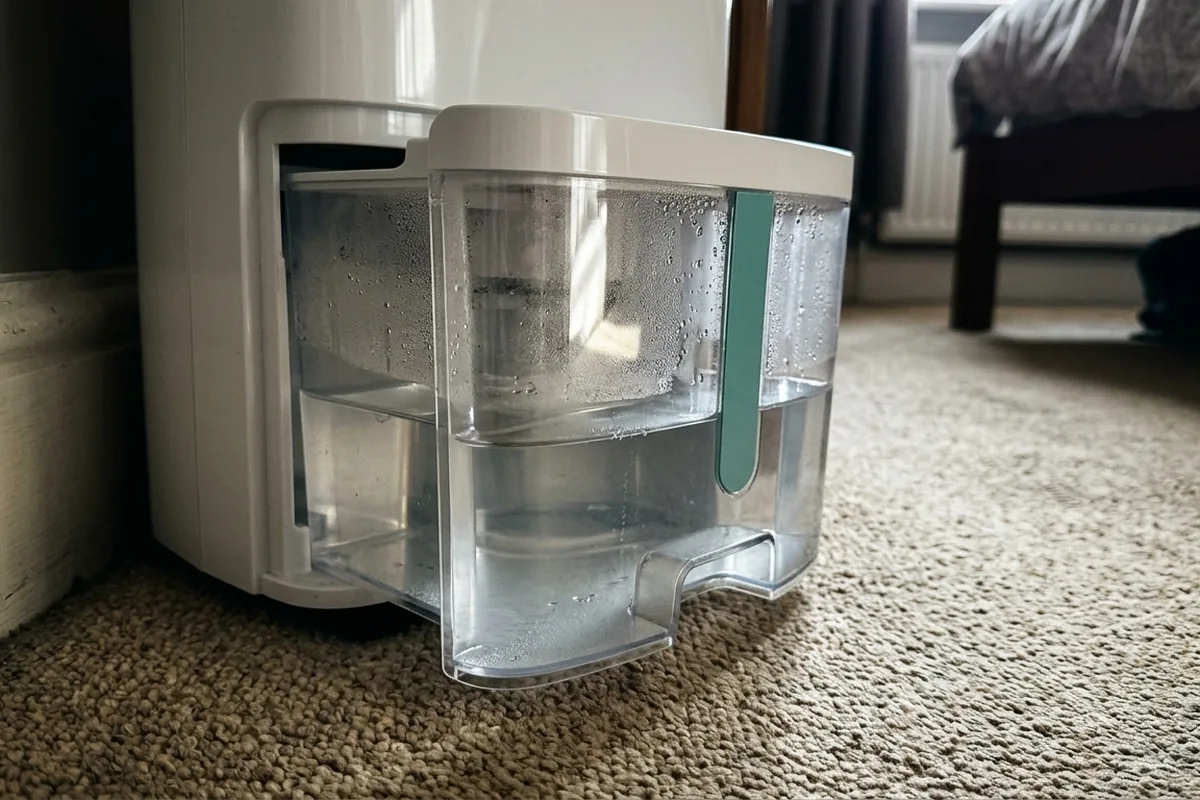
- Use moisture absorbers in problem spots. In stubbornly damp corners – under a north‑facing bay window, for example – a refillable moisture trap can quietly collect water over time. If it’s filling quickly, that’s a sign you still have a moisture issue to tackle, not a reason to buy more traps.
- Check after heavy rain or cold snaps. In older terraced houses, built‑in cupboards on outside walls can show damp patches after a run of wet weather or a cold spell. Run a hand along the skirting board and back panel every so often; early clamminess is easier to manage than a soaked, smelly board.
If the cupboard has no airflow at all
Some older fitted units and boxy under‑stairs cupboards have no vents and tight‑fitting doors, so any moisture lingers.
In these cases, you can often:
- Ease the situation by leaving the door ajar regularly, using a simple door hook or wedge.
- Fit small discreet vent grilles in the door or side panel if you’re comfortable with basic drilling and it’s your own property, not rented.
- Avoid lining every surface with plastic‑backed mats, which can trap moisture against chipboard and make smells worse.
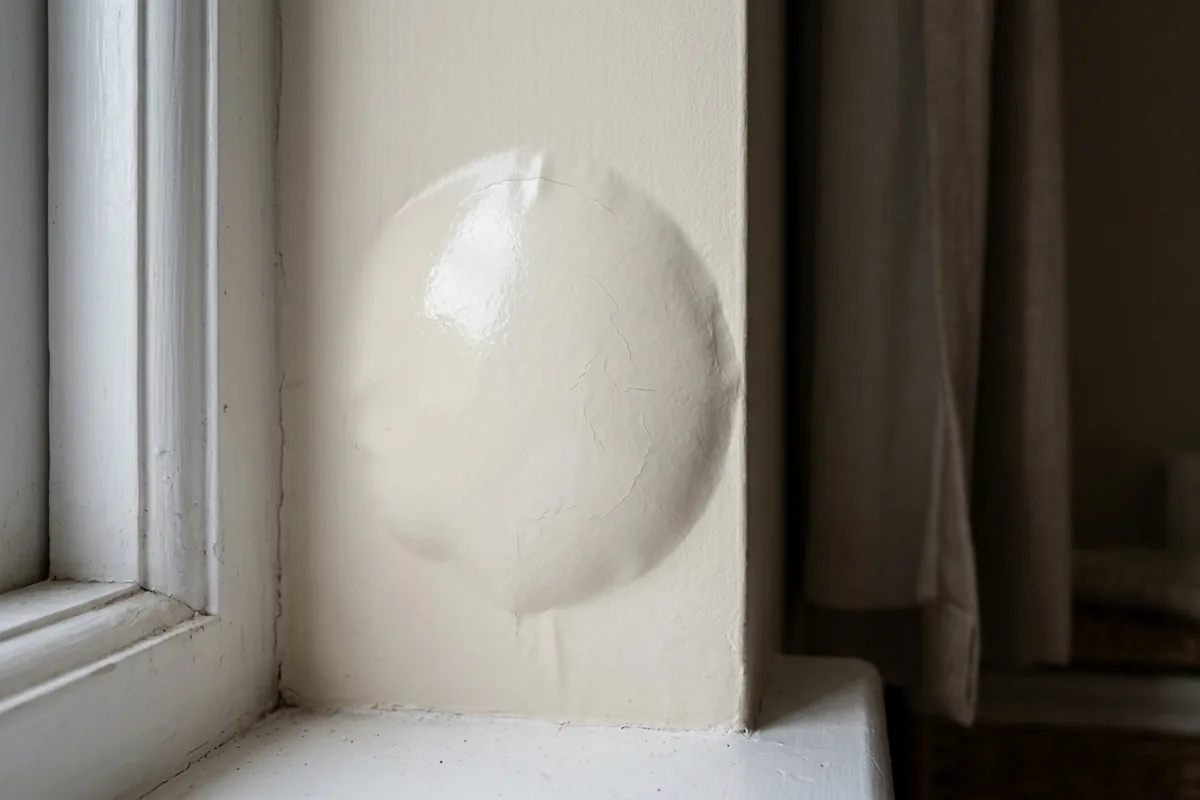
If you’ve cleaned, dried and improved ventilation but the cupboard still smells strongly damp after a week or two, particularly if there are damp skirting boards or peeling paint nearby, it’s worth looking for a wider damp issue in that part of the house and getting advice before it spreads.
Once you can open the cupboard and it just smells of “nothing much” – no mustiness, no sour edge – you’ve done enough. If the odour returns, treat it as a signal that somewhere in that space is getting wet again, and work back through the checks rather than reaching straight for more fragrance.