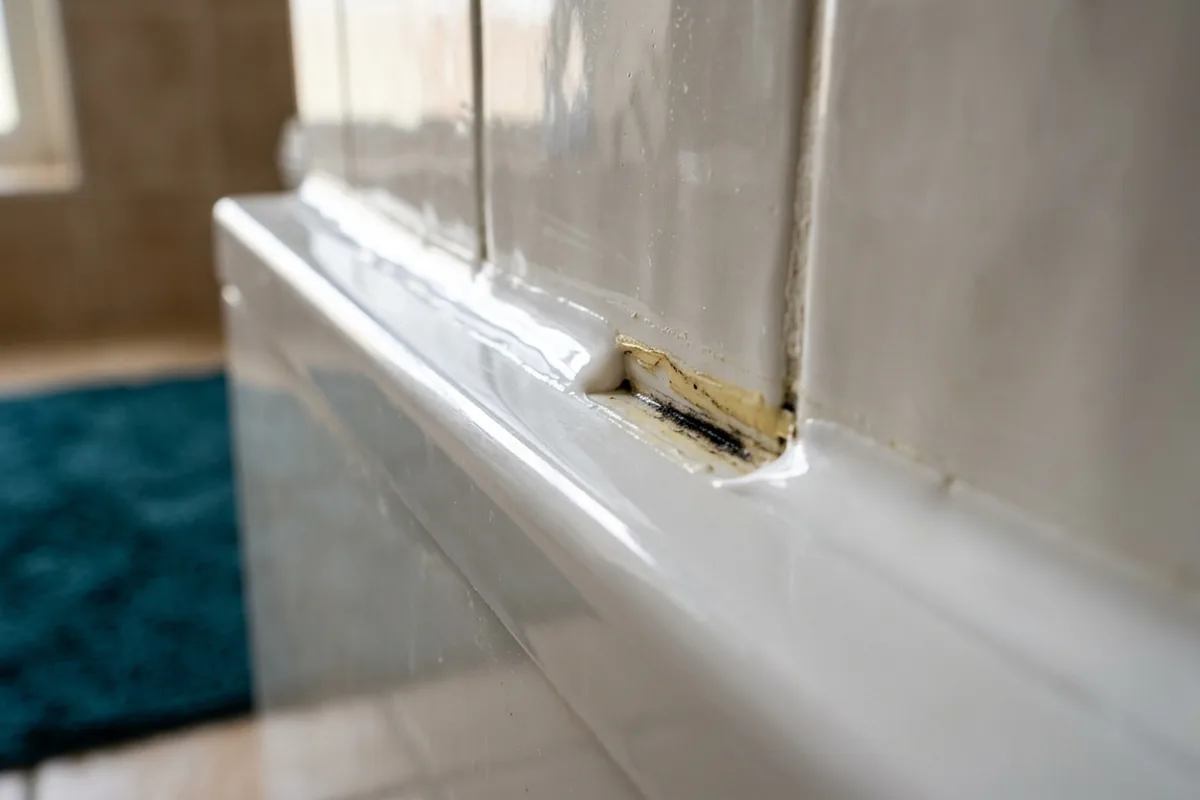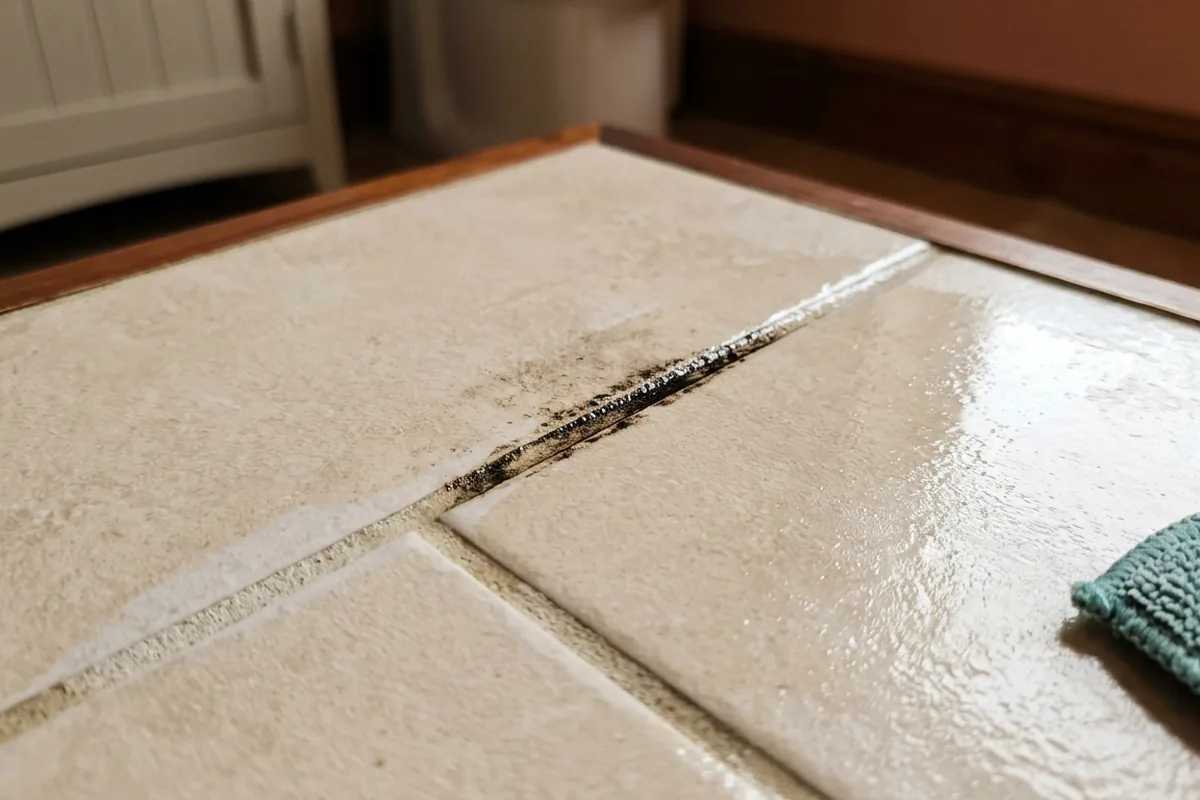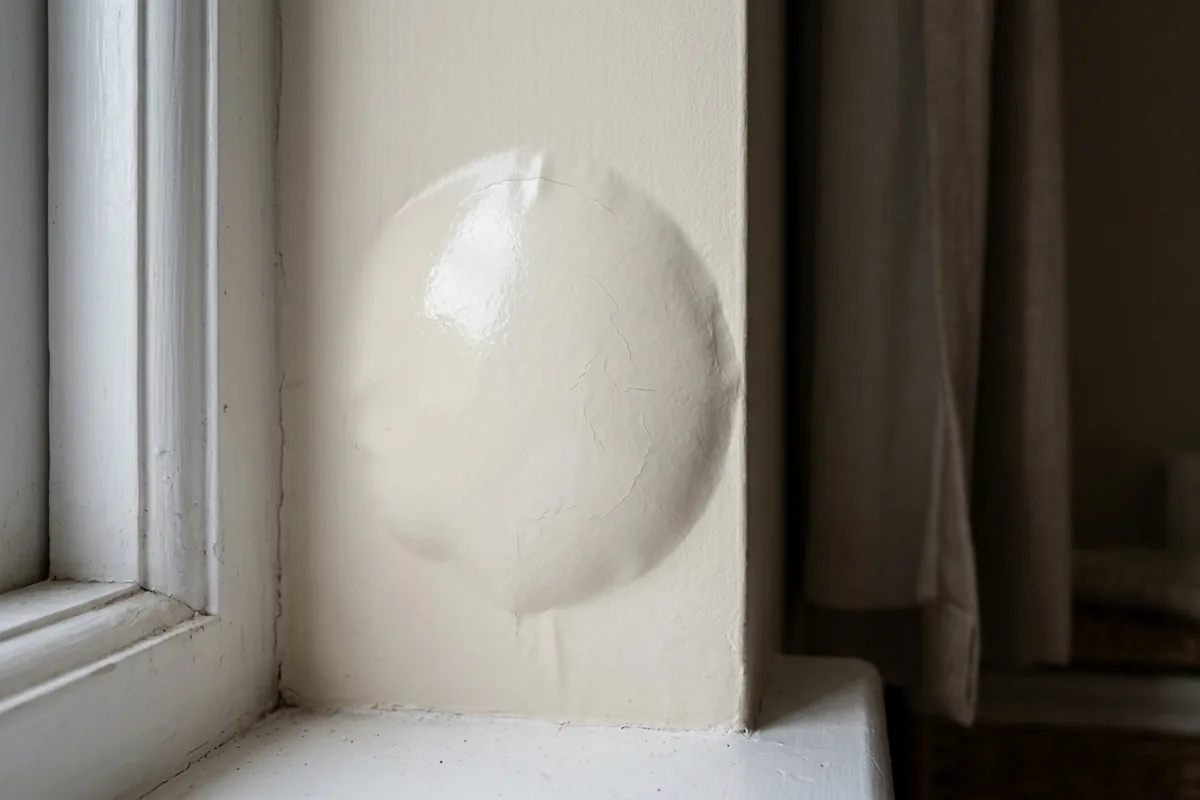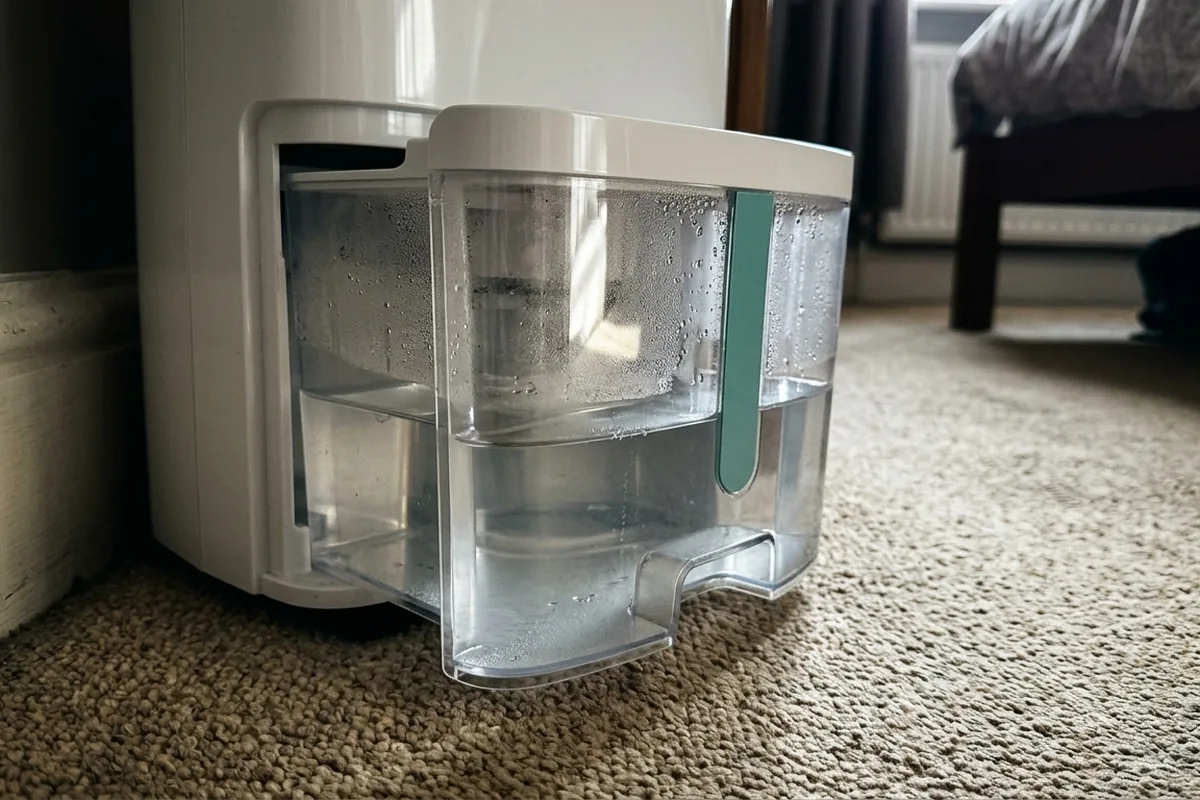
Wet washing draped over radiators and steamy bedroom windows the next morning is a familiar winter scene in UK homes. The trade-off is obvious: dry clothes, but streaming glass, damp window boards and black mould on seals. The key is to get the moisture out of the room, not just off your clothes. That usually means: use a drying rack plus strong ventilation (window open or extractor on), avoid radiators where you can and use a dehumidifier if the room is small or already feels damp.
The simplest ways to dry clothes without feeding condensation
Drying indoors always releases moisture, but you can control where it goes. The aim is to concentrate drying in one space and give that moisture a clear escape route outside.
Try to combine these three ideas whenever you dry a load:
- a drying rack instead of radiators
- a “sacrificial” drying room
- a way for damp air to leave (window, vent, extractor or dehumidifier)
A folding airer in a spare bedroom, small lounge corner or landing works better than spreading clothes around the whole house. Keep that door mostly shut, then:
- Open a window slightly in that room for the whole drying time, even in cold weather, or
- Run a bathroom or kitchen extractor fan if your rack is nearby and the door can be left ajar, or
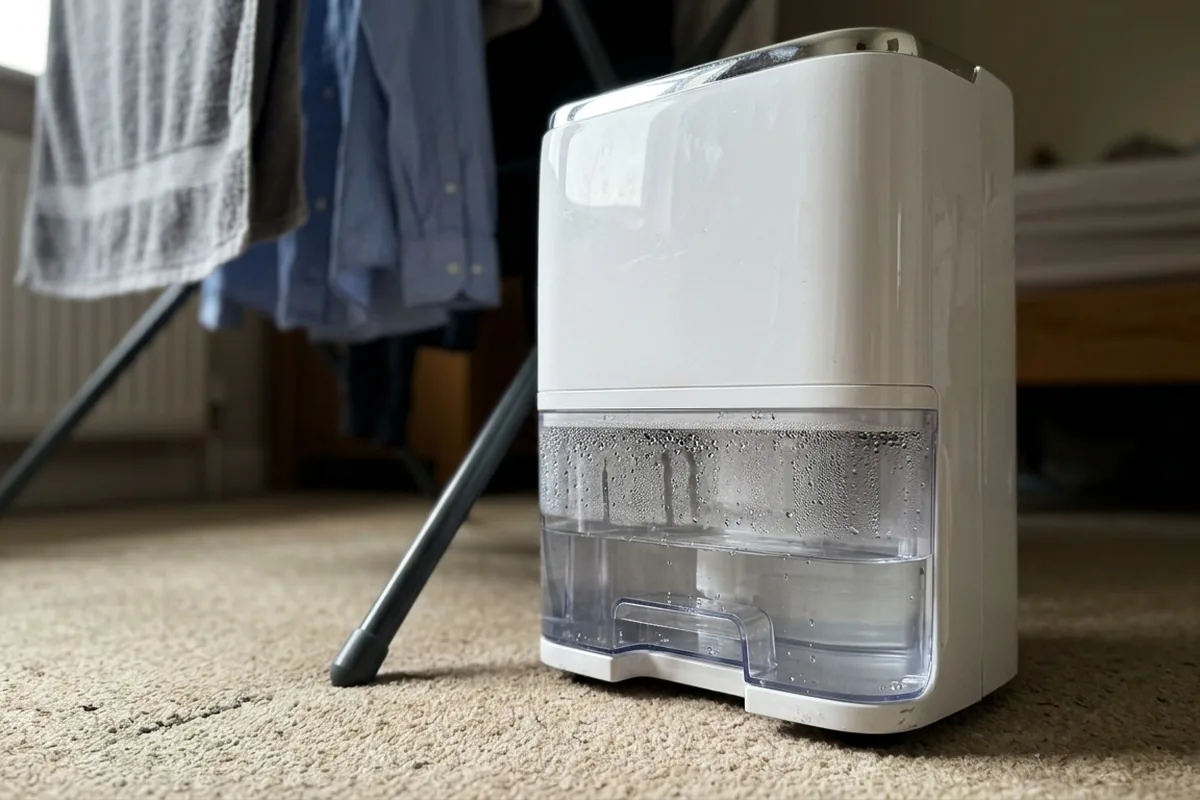
- Use a dehumidifier in the same room, on laundry mode if it has one.
If you use a dehumidifier, place it close to the airer, not in another room. Empty the tank and clean the filter regularly so it can actually pull water out of the air.
Radiators will dry clothes quickly but push a lot of moisture into the room air. If you must use them, keep it to a small amount of washing, in one room, with the window cracked open and the door shut. Avoid covering the whole radiator: it makes heating less efficient and can leave the wall behind cold and damp.
Mistakes that make condensation and damp worse
Most condensation problems come from too much moisture in still, warm air hitting cold surfaces like bedroom windows or an outside wall.
Common habits that quietly make things worse:
- Drying in bedrooms with the door shut and no window open. You wake up to wet glass and damp window boards. Either open the window a little or move drying to another room.
- Spreading washing all over the house. That thin film of moisture ends up on cold corners, behind wardrobes and on skirting boards.
- Drying directly above cold outside walls. A rack pushed tight against a chilly external wall or in a bay window can leave the paint or plaster feeling clammy.
- Ignoring bathroom and kitchen steam. Showers, pans on the hob and indoor drying all add up. Use the bathroom extractor every time you shower and keep pan lids on where you can.
If you are already seeing mould on silicone around windows, musty smells behind furniture or flaky paint on outside walls, your home is struggling with moisture. In that case, be stricter: keep drying to one well-ventilated room, shorten drying time with an extra spin on the washing machine, and consider a dehumidifier as standard in winter.
Never put very wet items (hand-wrung towels, soaked coats) straight on an airer indoors. Run an extra spin cycle or use a towel to press out excess water first. The drier the fabric when it comes off the line or machine, the less moisture you add to the room.
Choosing the best drying setup for your home
Different homes need different tactics. A small rented flat with no outdoor space is not the same as a house with a utility room and extractor.
You can use this as a quick guide:
| Home situation | Better drying choice | What to avoid |
|---|---|---|
| Small flat, no balcony | Airer in one room with window open or dehumidifier | Washing over every radiator |
| House with spare room | Dedicated “laundry room” with trickle vent/window open | Drying in bedrooms overnight |
| Bathroom with good extractor | Airer in bathroom, fan on, door ajar | Drying in hallway with no ventilation |
| Very cold, single-glazed windows | Dry away from windows, use dehumidifier | Airer right in front of cold glass |
| Already have mould patches | Limit indoor drying, strong ventilation, treat mould safely | Heavy loads indoors with no extra airflow |
Heated airers can help if you use them sensibly: put them in a room with a slightly open window or a dehumidifier running. Covering them fully with a thick cover speeds drying, but again, you need somewhere for that damp air to go or it will still end up on your windows.
If you use a condensing or heat pump tumble dryer, check that the room it’s in is ventilated and that the filters and water tank are kept clean. A poorly maintained dryer in a tiny utility room can still add a lot of moisture.
Where landlords allow it, trickle vents on windows should be left open, especially in rooms where you regularly dry clothes. They help remove background moisture without a big draught.
If, even with good habits, you still wake up to streaming bedroom windows, damp skirting boards or mould that comes back quickly, it may be more than just laundry. That is the point to ask a professional or your landlord to look at insulation, ventilation or possible damp issues, rather than pushing more drying into the same space.