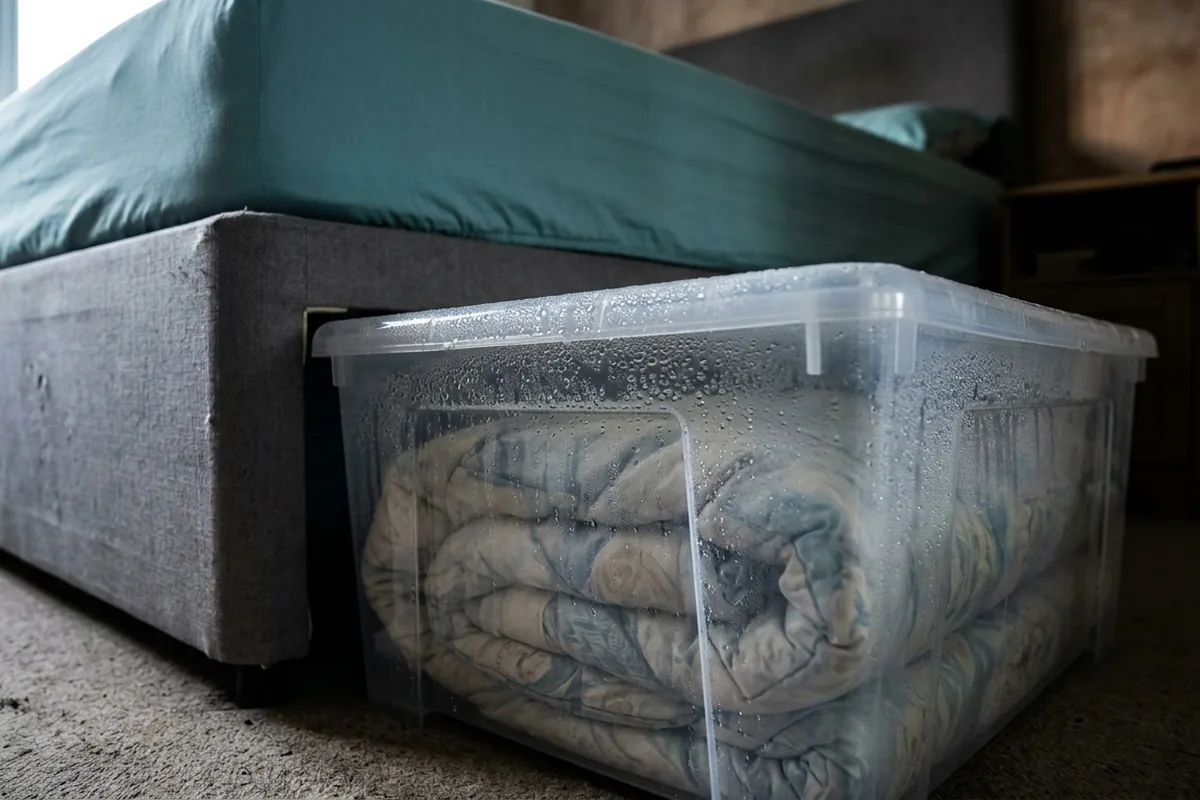
That faint stale whiff when you pull back the duvet in the morning is often not the mattress at all. The most common under-bed storage mistake is packing solid plastic boxes or bags tightly under the bed so air cannot move, then filling them with slightly damp textiles: spare bedding, shoes, gym kit, suitcases and cardboard. Moisture gets trapped under the bed, the cold floor keeps it from drying and the smell seeps up into the room overnight.
If your bedroom smells musty mainly in the morning, check under the bed before you start buying odour sprays: you usually need more airflow and drier contents, not more fragrance.
The storage mistake that traps musty odours under the bed
Under most UK beds you have three things that encourage musty smells: a cool floor, low airflow and a lot of fabric. Add the wrong storage and you create a mini-damp cupboard.
The key mistake is turning the whole under-bed space into a sealed container. That usually looks like:
- Solid-lidded plastic crates or vacuum bags crammed from headboard to foot, with no gaps for air to move.
Once that space is blocked, any moisture coming from:
- slightly damp washed bedding put away too soon
- shoes with sweat still in the linings
- cardboard boxes sitting on a cold floor
- a cold external wall beside the bed
has nowhere to go. It lingers under the bed, feeds mildew on cardboard or fabric, and the musty, “old cupboard” smell drifts up through the mattress and bedding.
A quick check is simple: slide everything out and sniff inside the boxes and along the skirting board. If it smells stronger under there than in the rest of the room, the storage setup is part of the problem.
How to store things under the bed without creating a smell
You do not have to give up under-bed storage; you just need it to breathe and stay dry. Think in this order: dry first, then airflow, then containers.
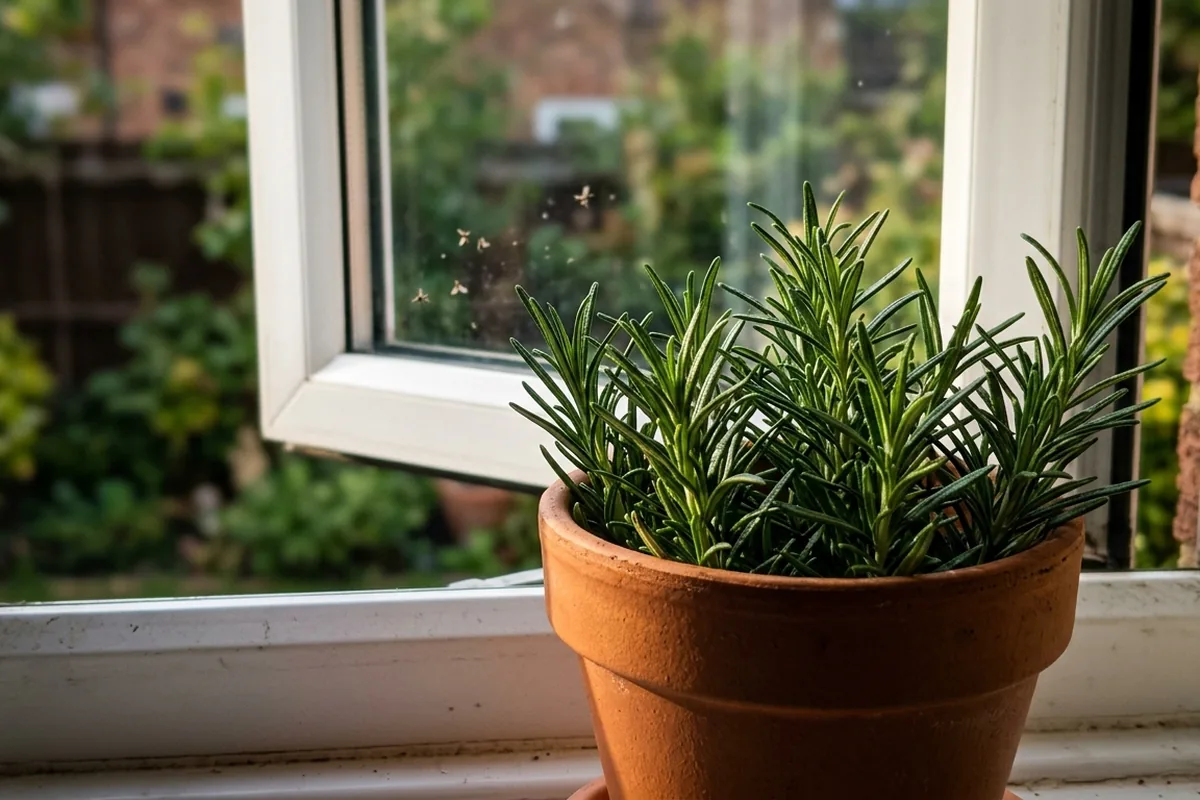
Start by clearing the space completely for a day or two. Open the bedroom window, run the radiator if it is on anyway, and let the area dry. Wipe dust and any light specks of mould from the floor and skirting with a mild detergent solution, then dry with a microfibre cloth. If you see widespread black mould or damp patches that stay wet, that may be more than a storage issue and is worth discussing with your landlord or a damp specialist.
When you put things back:
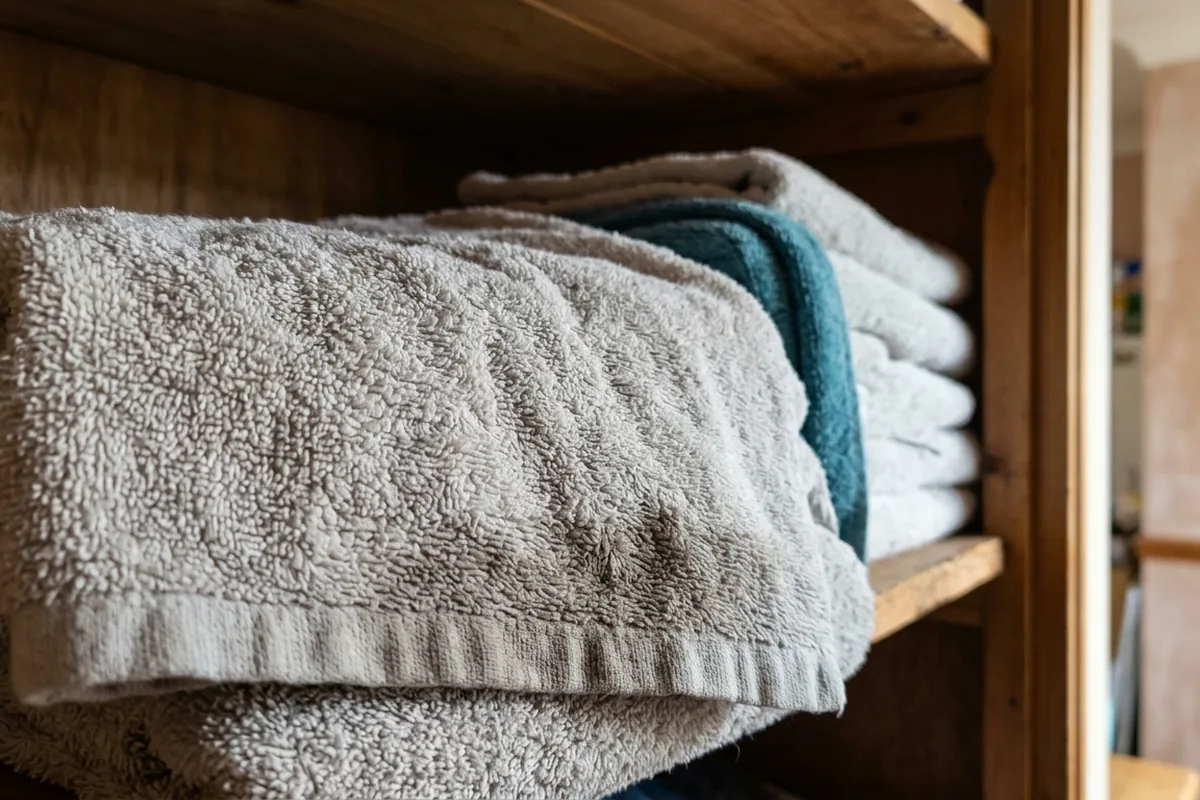
- Never store anything damp. Towels, duvet covers and blankets must be bone dry. If in doubt, give them an extra hour on the airer or in the airing cupboard.
- Avoid cardboard directly on the floor. It absorbs moisture and turns musty quickly on a cold laminate or floorboard.
- Leave a gap around the edges. Aim for a hand’s width clear at the head, foot and sides so air can move. Do not block the area where the radiator or window is.
- Choose breathable where you can. Low fabric under-bed bags or wicker-style crates that allow some airflow are better than solid tubs for textiles.
- If you must use plastic boxes, pick ones with small vent holes or leave the lids very slightly ajar, and avoid packing them tight against each other.
For shoes, boots and gym kit, try to keep them in the wardrobe or hallway where they can air, rather than under the bed. If they have to live under there, make sure insoles are dry and use a small sprinkle of bicarbonate of soda inside shoes to absorb residual odour, tapping it out before wearing.
A small passive dehumidifier tub from somewhere like B&Q can help if the room itself is a bit humid, but it will not fix things if you keep sliding damp bedding into sealed boxes.
When the smell points to a wider damp problem
Sometimes the under-bed setup only reveals a bigger issue in the room. If you sort the storage and the smell still comes back, look for other signs of moisture building up overnight.
Common clues in UK bedrooms include condensation on the inside of the windows each morning, slightly damp skirting boards on an outside wall, or mould spots behind furniture. In a small rented flat with the bed against a cold external wall, the air under the bed can stay cooler and damper than the rest of the room.
It can help to think about where the smell is strongest and what that suggests:
| Where the smell is strongest | Likely source | First check |
|---|---|---|
| Only inside boxes or bags | Trapped damp textiles | Were items fully dry before storing? |
| Under bed and along one wall | Cold or slightly damp external wall | Any condensation, peeling paint or mould on that wall? |
| Whole bedroom, plus wet windows | High humidity and poor ventilation | Do you open trickle vents or a window daily? |
If the windows are streaming most mornings, you dry washing in the bedroom or keep the door and trickle vents shut, you are likely dealing with general moisture in the air as well as storage. Opening the bedroom door and a window for even 10–15 minutes in the morning, using an extractor fan elsewhere in the home and not drying laundry on a radiator in the room can make a noticeable difference.
If you find persistent damp patches, crumbling plaster or thick black mould, especially on an external wall or behind the bed, avoid scrubbing it harshly yourself and speak to your landlord or a professional. That goes beyond a storage mistake.
Once you have changed how you store things and let the area dry, the test is simple: after a few nights, lift the duvet in the morning. If that stale note has faded or gone, your under-bed setup was doing most of the damage.