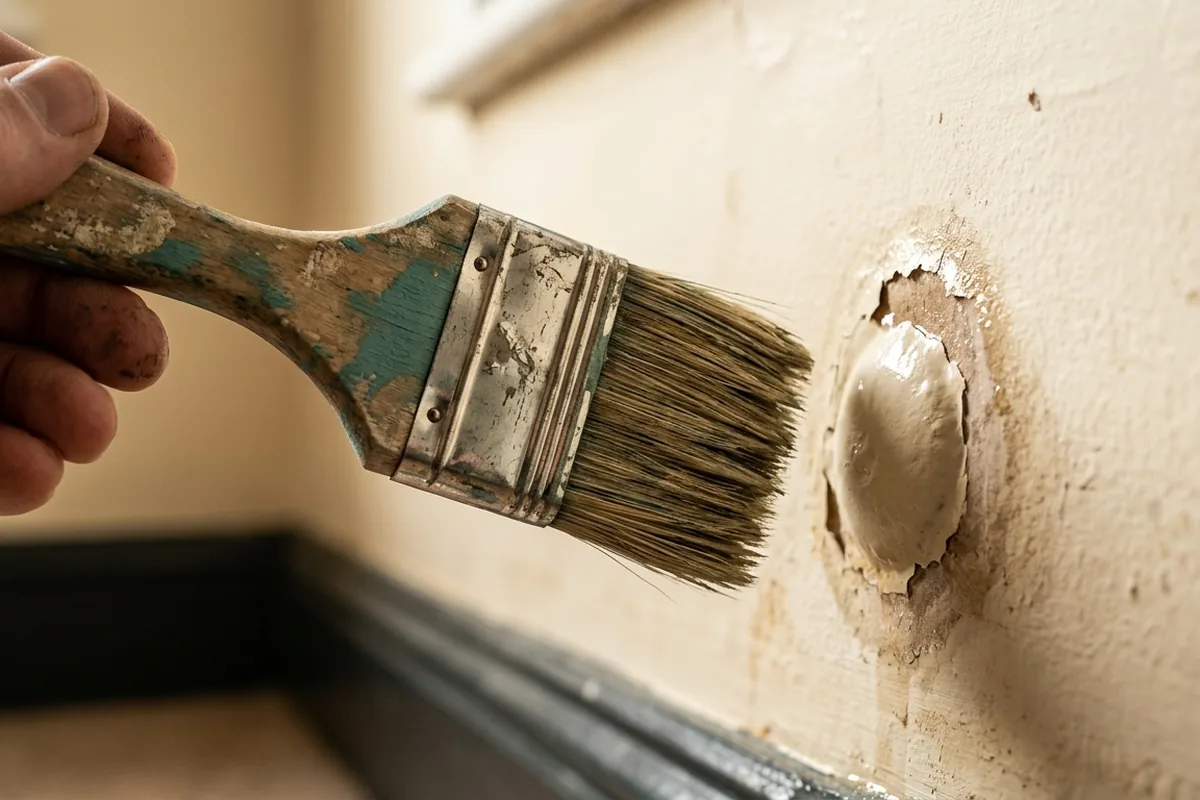
That patchy, flaking paint above the skirting board, the yellow tide mark in a cold corner, or the bathroom ceiling that keeps spotting with mould: most people reach straight for “anti-damp” paint. The key is this: paint can only cope with surface moisture and staining. If the wall is actually damp inside, no paint will fix it and some will trap the problem.
For damp‑prone rooms, choose breathable, moisture‑tolerant paints (often labelled “microporous” or “for bathrooms and kitchens”) and use stain or mould‑resisting primers only after you’ve checked the cause. Avoid heavy “damp proof” coatings on walls that might need to dry out, and be wary of anything that promises to “seal in damp” as a cure.
Picking the right paint once you’ve checked the damp
Before you choose a tin, you need to know what kind of damp you’re dealing with, because that decides how “breathable” your paint should be.
In most UK homes you’re likely seeing one of three things on painted walls or ceilings:
- Condensation: misty bedroom windows, black mould on silicone sealant, cold outside walls with speckled mould.
- Penetrating damp: local damp patch that gets worse after rain, often on an outside wall or chimney breast.
- Rising damp: flaky paint and salts just above the skirting board, sometimes with crumbly plaster.
Paint choice by situation:
| Situation | Better paint choice | Paint to be cautious with |
|---|---|---|
| Condensation and light mould | Breathable bathroom/kitchen emulsion, mould-resistant | Heavy “damp proof” sealers |
| Wall previously damp, now drying | Microporous/breathable emulsion or mineral paint | Vinyl silk, gloss, thick waterproof coatings |
| Ongoing penetrating/rising damp | None until cause is fixed and wall is dry | Any sealer claiming to “cover damp” |
For bathrooms, small box rooms and utility rooms, a good quality matt bathroom emulsion is usually the best compromise: it copes with steam, wipes clean and still lets some moisture escape. Avoid shiny vinyl silk on cold outside walls; it shows every defect and can blister when the wall is damp.
If a wall has been damp but the cause is now fixed (for example a gutter repair, or a leaky shower tray sorted), use a breathable primer then a standard or bathroom‑grade matt emulsion. Only use stain‑blocking primers on stubborn marks, not across the whole wall unless the manufacturer says it’s vapour‑open.
How to avoid using paint to hide a live damp problem
The biggest mistake is treating paint as a plaster: slapping on a “damp proof” coat over a wall that still feels cold and clammy.
A few quick checks before you buy paint:
- Touch test: if the wall feels cold and actually damp, not just chilly, don’t paint yet.
- Smell test: a musty smell in a closed bedroom or under‑stairs cupboard suggests ongoing moisture, not just old staining.
- Pattern test: patches that grow after rain or creep up from the skirting are usually more than condensation.
If any of these are happening, focus on the source:
- For condensation: improve ventilation (bathroom extractor fan that actually gets used, trickle vents open, window opened after showers), keep rooms heated more evenly and avoid drying lots of washing in a small room.
- For penetrating or rising damp: look for external issues such as blocked gutters, cracked render, high flowerbeds or paths bridging the damp‑proof course, or plumbing leaks. This is where a surveyor or damp specialist is worth it if you’re unsure.
Only once the wall is consistently dry to the touch and not changing with the weather should you move on to primers and paint. If mould keeps returning within a few weeks even after cleaning and better ventilation, that’s a sign the underlying moisture problem is still there and paint will only buy you time.
Primers, mould paints and when to get help
Once you’re confident you’re not just hiding active damp, the right primer and topcoat will help the room cope better with everyday moisture.
For a typical UK bathroom, small kitchen or damp‑prone bedroom:
1. Clean and treat any mould
Use a dedicated mould remover or a diluted household bleach solution, following the label. Never mix bleach with vinegar or other cleaners. Ventilate well and wear gloves. Wipe with a microfibre cloth and let the area dry fully.
2. Deal with loose or blown paint
Scrape off flaking areas, sand back gently and dust off. If plaster is soft, hollow‑sounding or crumbling, painting is pointless until that’s repaired.
3. Use the right primer in the right place
- On small stained areas (old damp marks, nicotine, soot), a stain‑blocking primer over just the patch can stop yellowing bleeding through.
- On previously damp walls that now need to breathe, pick a breathable sealer or primer specifically sold as vapour‑open or microporous. Avoid generic PVA “seal” coats on walls that might still be drying; they can trap moisture.
4. Choose a practical topcoat
- For bathrooms and kitchens: a mould‑resistant bathroom paint, ideally matt, is usually enough.
- For bedrooms and living rooms with past condensation: a standard matt emulsion is often fine once ventilation is sorted. If you want extra help, look for paints marketed as “breathable” or “for problem walls” rather than “damp proof”.
If you see widespread black mould, patches higher than shoulder height that keep spreading, or you’re in a rented flat where walls feel wet for months, it is safer to stop at cleaning and speak to the landlord or a qualified damp surveyor. Paint in those cases is a cosmetic mask, not a solution.
The simplest test after painting is how the room behaves through a wet week: if the new paint stays sound, mould doesn’t reappear quickly and the wall still feels like a normal painted surface, you’ve probably matched the paint to the problem. If it bubbles, peels or smells musty again, the issue is deeper than the tin, and it is time to get the source properly checked.