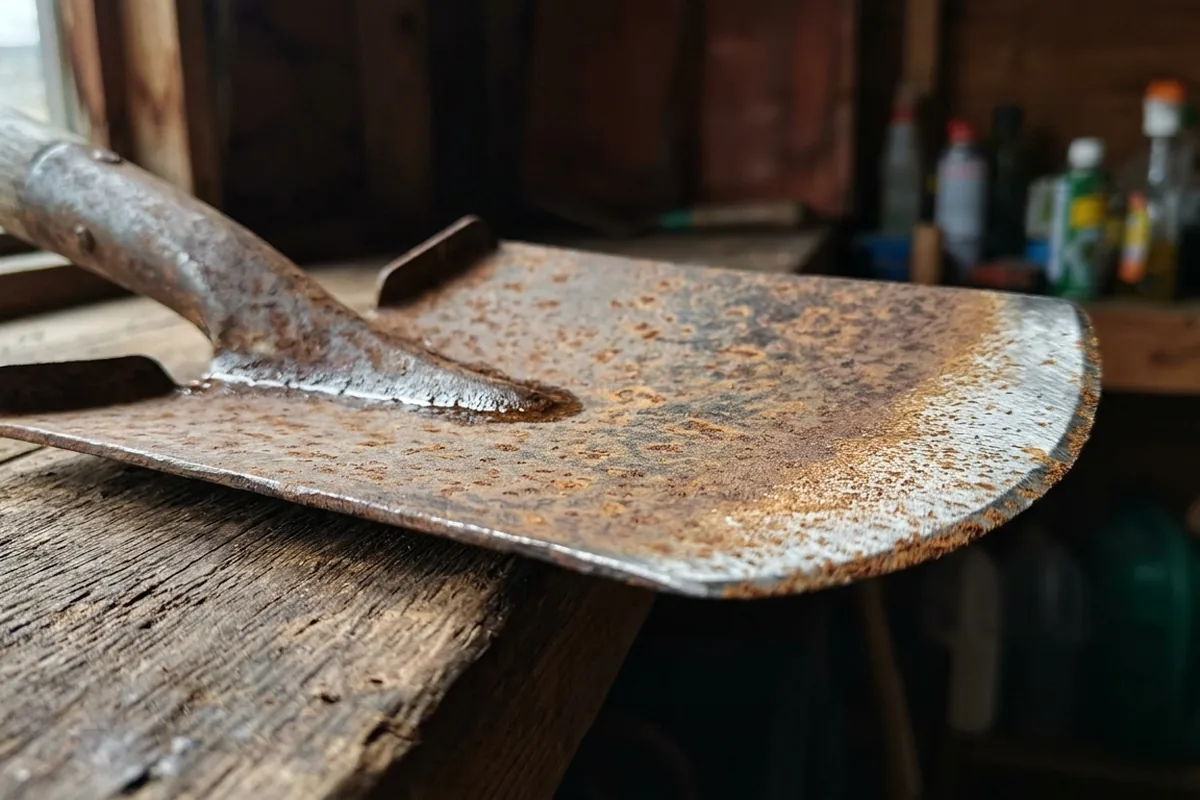
That rusty film on spanners and screwdrivers in the shed or under-stairs cupboard usually comes from one thing: moisture sitting on bare metal. The quickest way to stop it is to keep tools dry, lightly oiled and away from moving air that carries damp. In a damp shed, cellar or under-sink cupboard, that usually means: storing tools in closed boxes, adding some form of moisture absorber and not putting them away wet or dirty.
Simple storage setups that actually slow rust
If your tools live in a damp shed, garage or under-sink cupboard, think in layers: clean metal, light protection, then controlled storage. You do not need a fancy workshop to get this right.
For most basic hand tools (spanners, screwdrivers, pliers, small saws):
- Wipe off any dirt or water with a rag after use. Never put tools away wet from garden work or a rainy job outside.
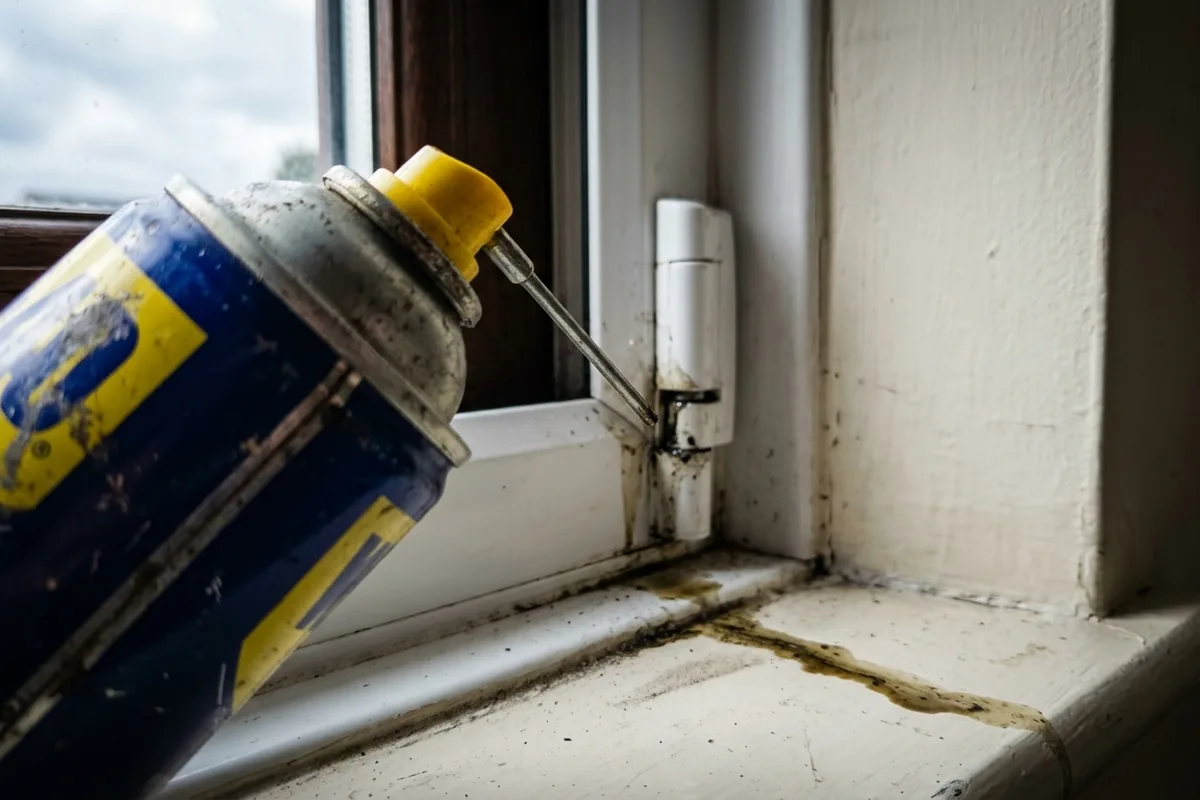
- Rub a tiny amount of light oil (3‑in‑One, WD‑40, sewing machine oil) or petroleum jelly over the metal, then wipe off the excess so they feel dry, not greasy.
- Store them in a closed container: a plastic toolbox with a lid, a lidded crate or even a strong food tub for smaller bits. Closed boxes rust less than tools hanging loose on a damp shed wall.
- Drop in a moisture absorber: a handful of silica gel sachets, a small refillable dehumidifier pot or a piece of old cotton sock filled with dry rice or cat litter as a budget option.
For a very damp space, like a shed that smells musty after rain, double up: oiled tools in boxes, boxes on a shelf, not directly on a concrete floor that can stay cold and clammy.
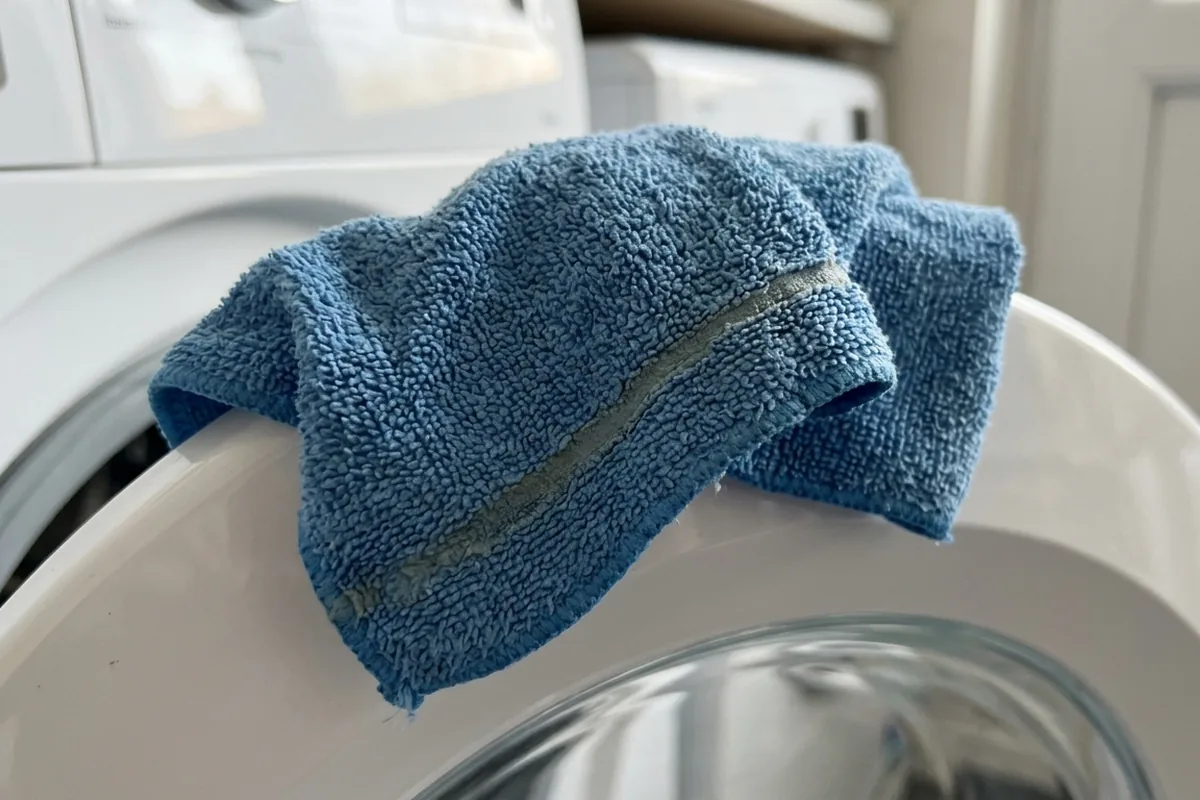
If you already have a metal toolbox that “sweats” inside, line the bottom with cardboard or an old microfibre cloth and add moisture absorbers. This helps stop condensation sitting directly on the tools.
Dealing with damp sheds, garages and cupboards
You will protect tools better if you tackle the moisture in the space a little, not just on the tools.
In a typical UK shed or garage, rust is often worse in winter, when cold metal meets mild, moist air. You may notice condensation on the inside of the shed roof or on lawnmower handles.
A few low-effort changes can help:
- Keep tools away from walls and floors that feel cold or damp. Use a simple shelf or pallet to lift boxes off the ground.
- Add some airflow without letting rain in: a small vent, leaving the door slightly ajar on dry days, or opening the garage door for half an hour when you are pottering about.
- Use a small moisture trap or refillable dehumidifier tub on a shelf near your tools if the space is fully enclosed.
- Avoid storing tools tight against an outside wall that shows damp patches or mould on the other side in the house; that wall will stay colder and wetter.
In under-sink cupboards, the problem is often slow drips and steam. Check for any weeping joints or a damp patch at the back before you blame the cupboard itself. Fixing a tiny leak or tightening a compression joint may do more for your tools than any amount of oiling. If you are not confident with plumbing, this is where a qualified plumber is safer than trial and error.
Extra protection for different tool types
Once you have basic storage and some moisture control, a few simple tweaks can keep specific tools in better shape.
If you keep woodworking or garden tools
Wooden handles and sharpened edges hate damp. To keep them sound:
- Brush off soil from spades, forks and trowels and let them dry before storing.
- Wipe metal parts with an oily rag. A thin coat is enough to slow rust on secateurs and shears.
- Stand long tools (rakes, spades) off the floor in a rack, not leaning in a damp corner.
- For chisels and plane irons, use blade guards or wrap in a rag lightly misted with oil before putting them in a box or drawer.
If you have power tools
Power tools need a bit more care because of electrics and moving parts.
- Always let them cool and dry before storage, especially after drilling outside walls or cutting damp timber.
- Keep them in their original cases where possible, with a few silica gel sachets inside.
- Do not store them directly on a concrete garage floor; use a shelf or a low wooden platform.
- If you spot surface rust on drill bits or saw blades, clean it off promptly with a bit of fine wire wool and light oil, then dry thoroughly before putting them away again.
When a small heater or dehumidifier helps
In a brick garage attached to the house, where you keep more expensive tools, a low‑wattage tubular heater or a small dehumidifier on a timer can make a big difference in winter. The aim is not to make it toasty, just to take the edge off the damp.
If you go down this route:
- Keep anything electrical off the floor and away from obvious water sources.
- Follow the manufacturer’s instructions and avoid trailing leads where you might trip.
- Switch off if you see any signs of water getting near sockets or wiring and get a qualified electrician to check.
If your shed is a thin timber one at the bottom of a wet garden, a permanent heater usually is not worth the running cost or risk. Focus there on sealed boxes, oiling and cheap moisture absorbers instead.
A simple check for the next few weeks is this: when you open your toolbox in the shed, the tools should feel dry and slightly “clean”, not cold and clammy. If they still feel damp, add more moisture absorbers or move that box to a less damp corner.