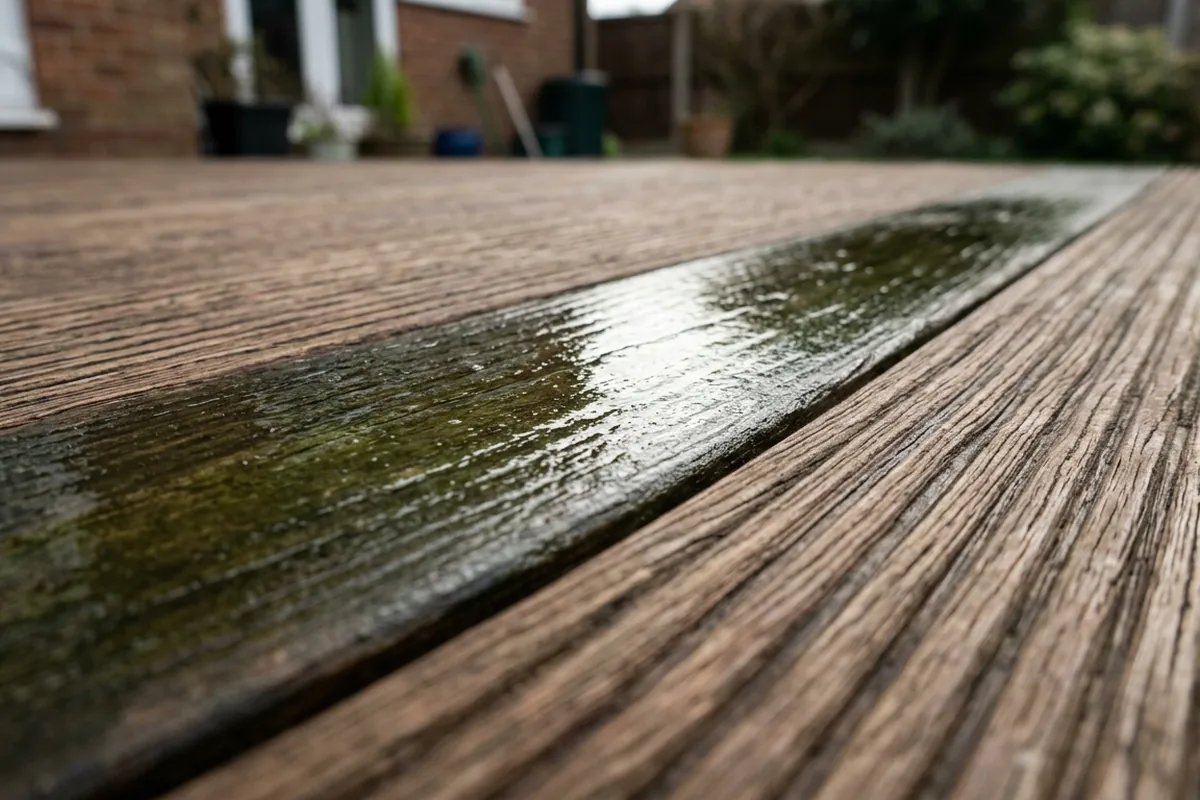
That first sideways step outside on a damp morning, your foot slides a bit on the decking and you realise it feels like ice, even though it looks fine. The simple reason is that slippery decking is usually about what you can’t see: a thin film of algae, mould, pollution and natural oils that builds up in the grooves and grain. It can be almost invisible when the boards are wet, but once moisture sits on it, it turns into a slick surface.
So even if you’ve just jet-washed it or it “looks clean”, it can still be dangerous if:
- microscopic growth hasn’t been removed, or
- the surface has been left smooth and polished, or
- water is not draining or drying quickly.
What actually makes ‘clean’ decking slippery
Decking, especially in the UK’s wet climate, is rarely bare timber or bare composite. There is almost always a film on top, even if you can’t see it.
The main culprits work together:
- Algae and mould spores
These settle from the air and love damp, shaded spots: under washing lines, by garden fences, near hedges, or where rain drips from a gutter. You may not see obvious green patches; a very thin, almost clear layer is enough to be slippery.
- Pollution and grime
Soot from traffic, barbecue smoke, bird mess and general dust mix with rainwater to form a smooth, greasy layer. On grey composite decking this can look like normal weathering.
- Natural oils and tannins from the wood
Softwood decking in particular leaches resin and tannins. If this isn’t scrubbed away, it can sit like a light varnish, making the surface more slippery when wet.
- Over-enthusiastic pressure washing
A powerful jet washer can strip the rough surface fibres off timber, leaving it smoother, or even “polish” composite boards. The decking then has less grip, so a small amount of algae or water is enough to feel like black ice.
- Constant moisture with no sun or airflow
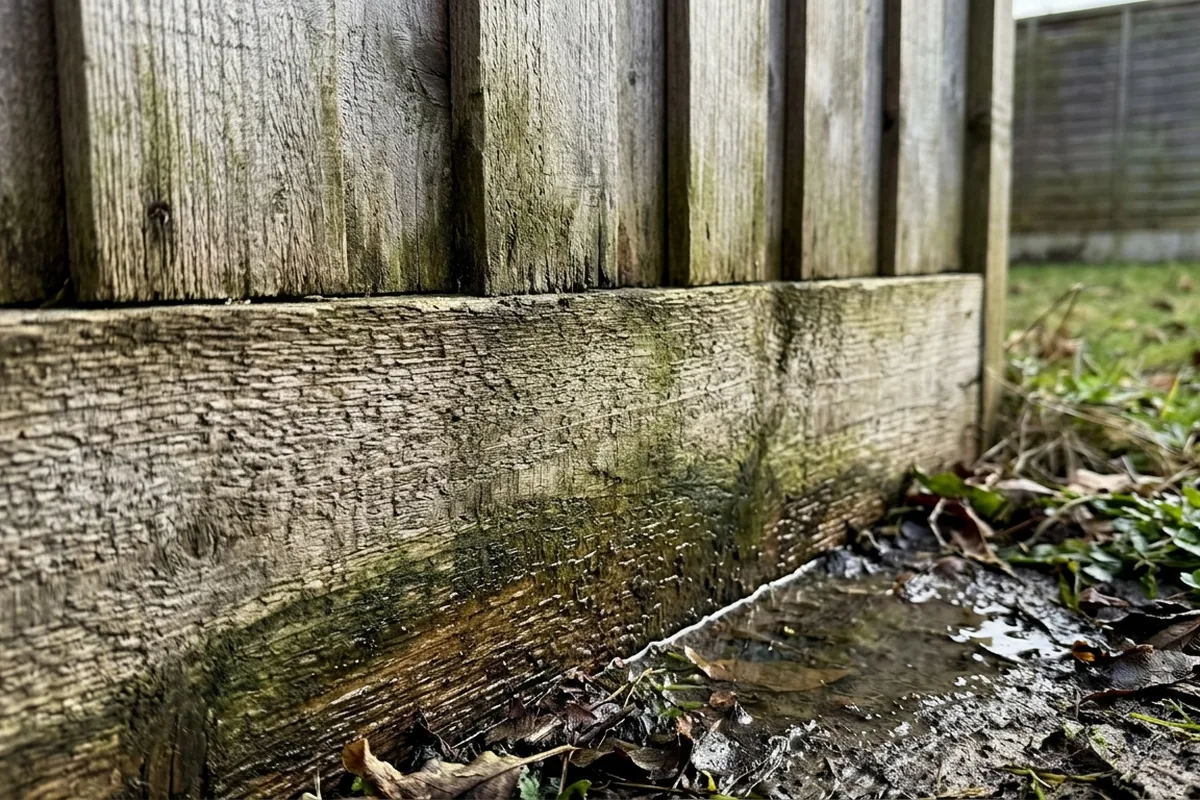
Decking that stays damp after every shower – for example a north-facing deck between two fences – never fully dries. That’s perfect for algae and biofilm, even if you scrub it now and then.
In short, if the boards stay damp, they will get slippery, whether or not they look visually dirty.
Checks to make before you blame the decking
Before you rush to buy a special “anti-slip” product, it helps to work out why your particular deck is staying slick. A few quick checks can point you in the right direction.
Look at the deck on a dry day and a wet day and compare:
| Sign at home | What it may mean | First check |
|---|---|---|
| Looks clean but feels slick when damp | Invisible algae/biofilm, smooth surface | Try scrubbing a small test patch with deck cleaner and a stiff brush |
| Green tinge in grooves or around edges | Algae thriving in standing moisture | Check for blocked gaps, poor drainage and overhanging plants |
| Slippery mainly by the house wall | Shaded, slow-drying area | See if gutters, downpipes or overflow pipes are dripping |
| Deck dries slowly after showers | Little sun or airflow | Look at whether furniture, planters or fencing are trapping moisture |
If you run your hand across a dry board and it feels very smooth, almost like laminate flooring, the surface has probably lost a lot of its texture. In that case, even mild growth will make it treacherous when wet.
If the deck is raised and gaps between boards are clogged with mud, leaves or old paint, water will sit on the boards instead of draining through. That standing film of water is enough to activate any algae or grime film, whether you can see it or not.
Where decking is close to the back door of a terraced house, check that gullies and drains aren’t backing up. Constant damp from a slow-draining gully can keep a strip of boards wet all week.
How to keep a “clean” deck from turning into a skating rink
You can’t stop rain, but you can make the surface less welcoming to algae and give the water somewhere to go. The aim is regular light maintenance, not one huge blitz every few years.
For most UK decks, this pattern works well:
- Gentle but thorough cleaning
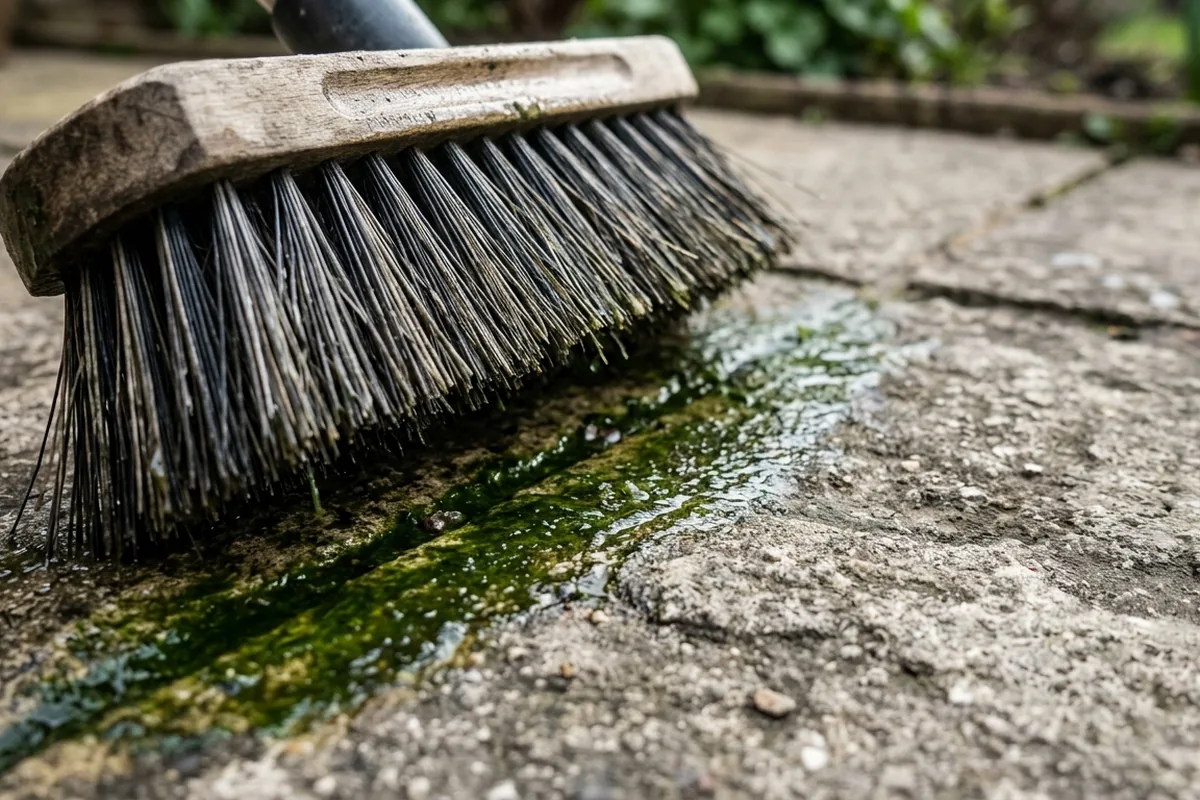
Once or twice a year, use a proper deck cleaner or a mild outdoor cleaner, warm water and a stiff outdoor brush. Work along the grain and into the grooves. This shifts the invisible film that a quick rinse misses. Avoid very harsh scrubbing pads on composite boards.
- Careful pressure washing, if you use it at all
If you do use a pressure washer, keep the lance moving, use a fan setting and stay a sensible distance away. Do not blast close up in lines, which can gouge or polish the surface. After washing, go back over with a brush while it’s still wet to lift loosened grime.
- Clear the gaps and edges
Use a thin scraper, old table knife or a plastic tool to remove moss and muck from between boards. Around the edges, clear soil and leaves so water can drain away rather than wick back onto the timber.
- Deal with shade and constant drips
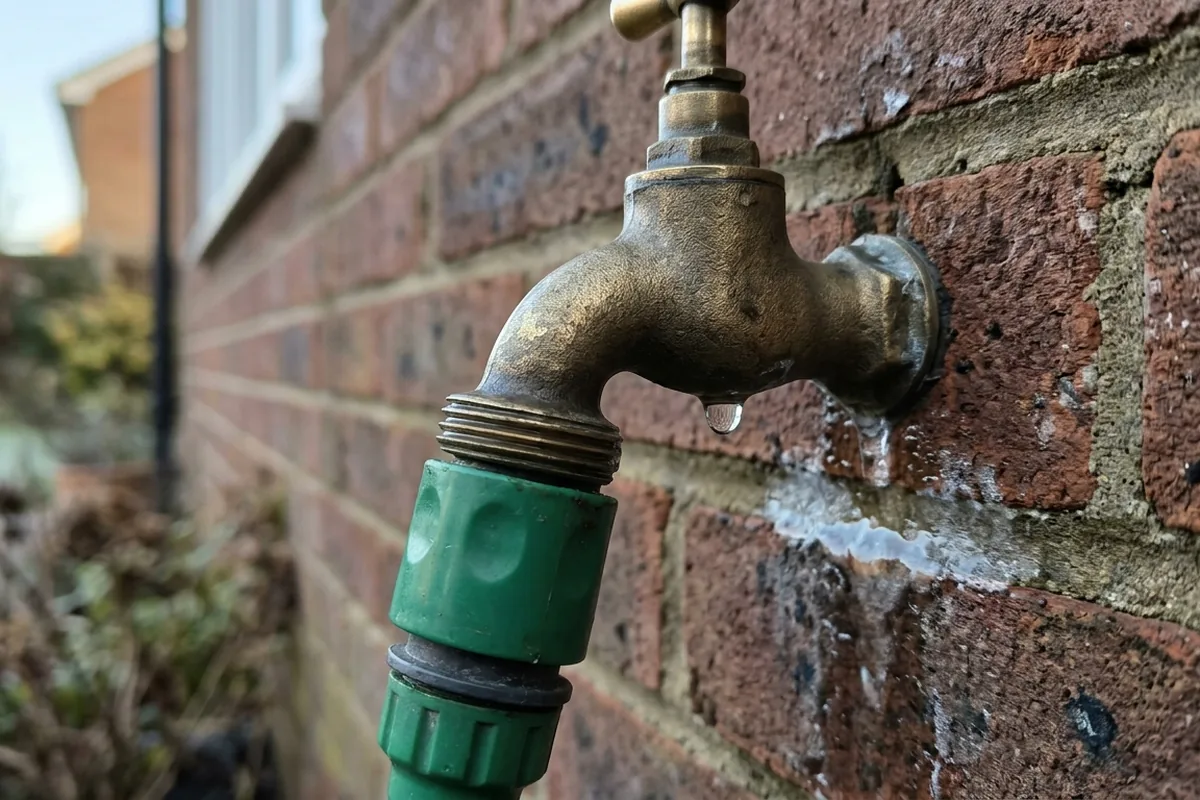
Trim back overhanging shrubs, lift outdoor mats that never dry, and look for leaking gutters or dripping overflow pipes above the deck. Fixing a small drip can make more difference than another round of cleaner.
- Add grip where needed
On steps, ramps or the strip outside the patio door, consider anti-slip strips, inserts or paint designed for decking. These don’t replace cleaning, but they give you a safety margin when it’s wet or frosty.
If you use any chemical deck cleaner, follow the label, wear gloves and keep children and pets off the area until it’s rinsed and dry. Avoid bleach on timber decking unless the product is specifically formulated for it, and never mix bleach with other cleaners.
If, even after a good clean and better drainage, the decking is still slippery every time it rains, the surface may simply be too smooth or worn for good grip. In that case, retrofitting anti-slip strips or replacing the worst boards is often safer than endlessly re-cleaning.