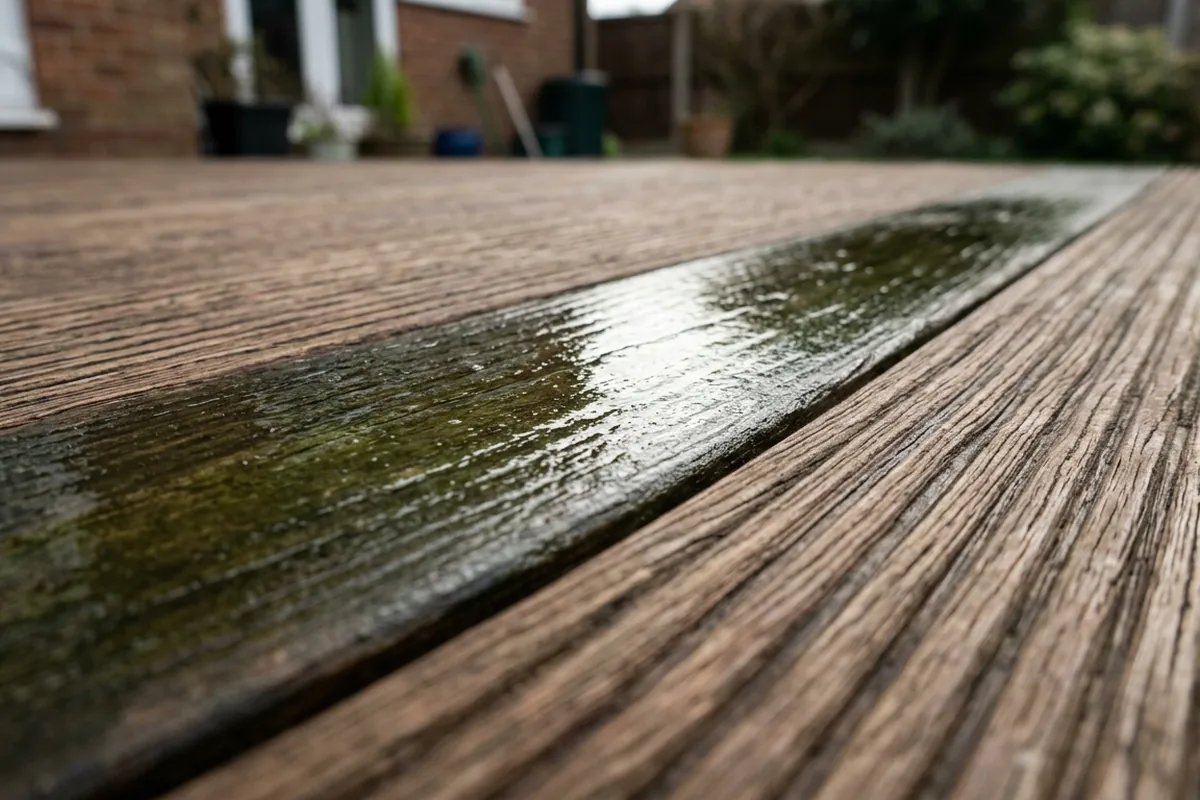
That damp, earthy whiff when you open the shed after a downpour usually means one thing: moisture is getting in and not getting out. To stop the musty smell, you need to dry it out quickly after rain, clear anything already going mouldy and then improve airflow so it cannot build up again. Bowls of salt or a dehumidifier can help a bit, but if rainwater is seeping through the roof, walls or floor, or if the shed never really dries, the smell will keep coming back.
The quickest way to clear the musty smell
The first job is to get the shed dry and remove what is already causing the odour. That means dealing with wet timber, damp contents and hidden mould rather than just spraying air freshener.
Work on a dry, breezy day if you can:
- Throw the doors wide open and, if the shed has windows, open those too. Prop the door safely so it does not slam shut in the wind.
- Take out anything that is obviously wet, mildewed or smells strongly: old cardboard boxes, damp rags, mouldy cushions, soggy compost bags. Cardboard and fabric that have gone musty are usually best binned.
- Wipe down shelves, the back of the door and any smooth surfaces with warm water and a bit of washing-up liquid, then dry with a microfibre cloth. This lifts off the film that holds the smell.
- For light surface mould on painted or sealed wood, use a ready-made mould and mildew spray, follow the label, ventilate well and wear gloves. Avoid soaking bare timber.
- Leave the shed as empty as possible for a few hours with good airflow. A small fan running from an extension lead (kept dry and safe) can speed things up.
If the shed still smells musty once it is fully dry and mostly empty, the odour is probably in the structure itself, which means you need to tackle leaks and ventilation.
Where the damp is getting in and how to stop it
A shed that stinks after rain almost always has one of three problems: a leaky roof, water wicking up from the ground, or trapped condensation.
Start with a simple check after the next spell of rain:
- Look for dark, damp patches on the roof boards inside, especially along nail lines or under felt joins.
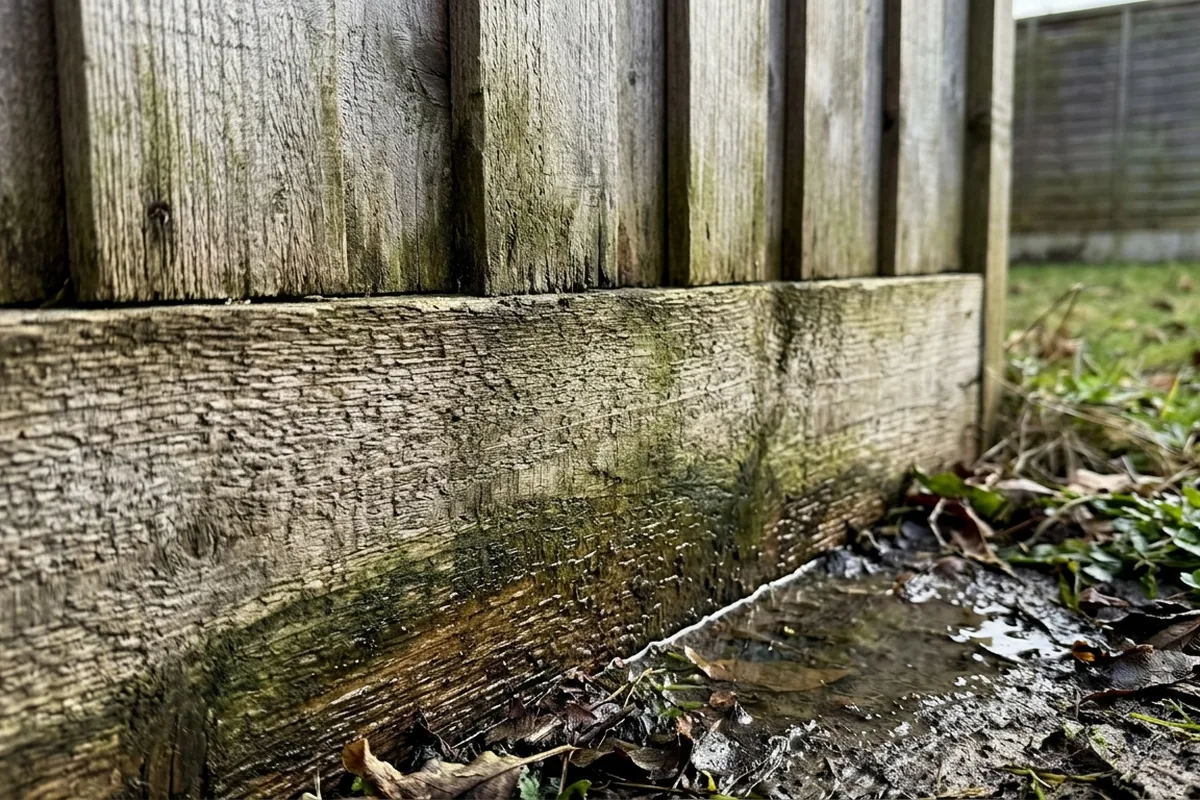
- Feel along the bottom of the walls and skirting area for damp, particularly at the back where air barely moves.
- Check the floor for wet patches or swollen boards, especially near the door where puddles can creep in.
Once you have a clue where the moisture is coming from, you can usually take one or two straightforward actions.
If the roof or walls are letting in water
If you see drips or clear wet trails:
- Replace or patch damaged felt on a dry day. Self-adhesive felt patches or bitumen repair products from places like Wickes or Screwfix can be enough on small splits.
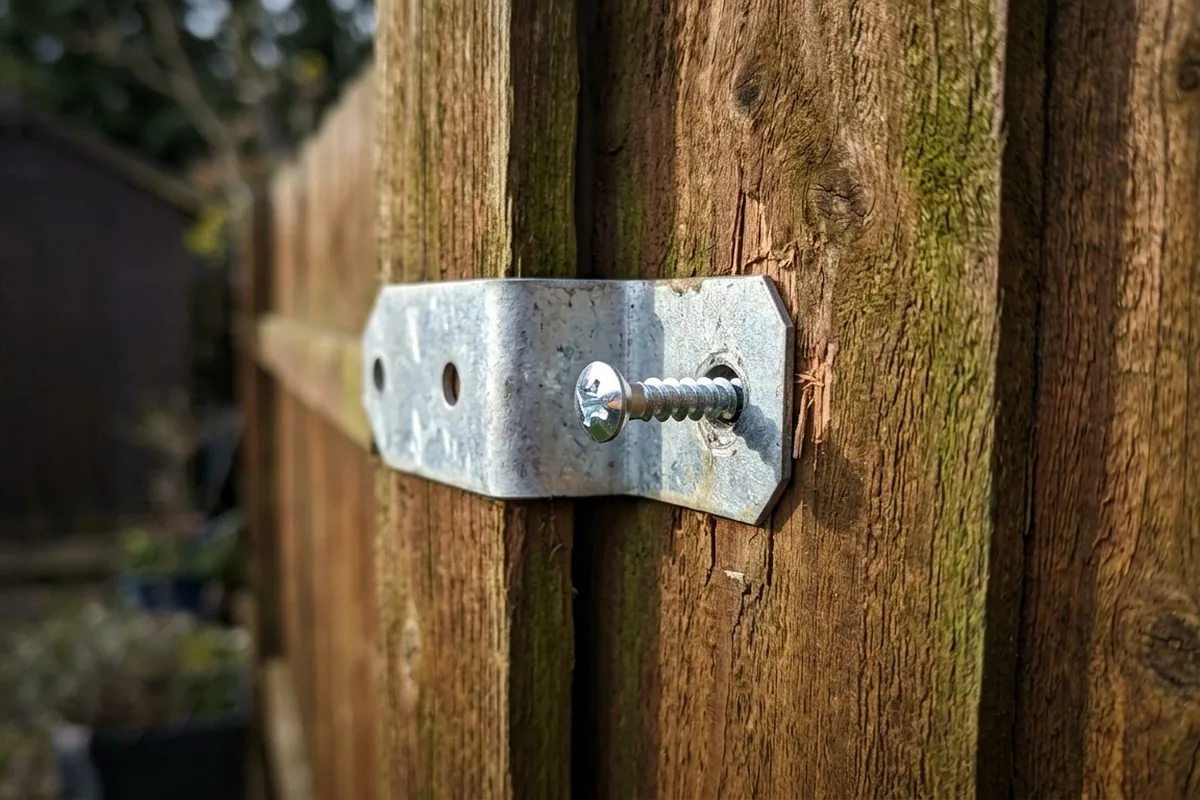
- Check that nails or screws have not popped through the felt. Loose fixings can be re-secured and sealed.
- Make sure neighbouring trees and shrubs are not constantly brushing and damaging the roof.
If water is coming through gaps in the cladding:
- Seal obvious gaps where driving rain gets in, using an exterior sealant suitable for timber.
- If the shed is very old and the boards are warped, consider adding thin battens and new cladding on the worst side, or accept that replacement may be more sensible than endless patching.
If the floor or base is damp
Many musty sheds sit directly on soil or a slab that holds water.
- Clear leaves and soil from around the outside so the base can dry. A build-up against the walls holds moisture.
- Check that rainwater is not pouring off a nearby roof straight at the shed. A simple gutter and downpipe into a water butt can keep the base drier.
- If the floor stays cold and clammy, you may need to raise it slightly on treated timber bearers or pallets so air can move underneath. This is more work but makes a big difference to long-term odours.
Ventilation and storage habits that keep the smell away
Once leaks are under control, airflow and how you store things will decide whether the musty smell returns.
A shed needs a little controlled draught, even in winter:
- Add simple vents high up on opposite walls if there are none. Louvered vents help keep rain out while letting moist air escape.
- Avoid blocking the back wall completely with solid shelving and boxes. Leave a small gap so air can circulate.
- Do not push items tight against damp-prone corners. Keep a few centimetres clear space.
How you store things also matters:
- Never put away wet tools, lawnmowers or muddy boots straight after use. Let them dry under a carport, in a porch or by the back door first.
- Swap cardboard boxes for plastic lidded crates. Cardboard soaks up moisture and becomes a mould factory.
- Keep soft furnishings (garden cushions, parasol covers) in the house, loft or a drier outbuilding if possible, not stacked on a shed floor.
If you still find a slight smell lingers after rain, a few low-cost extras can help in a small UK shed:
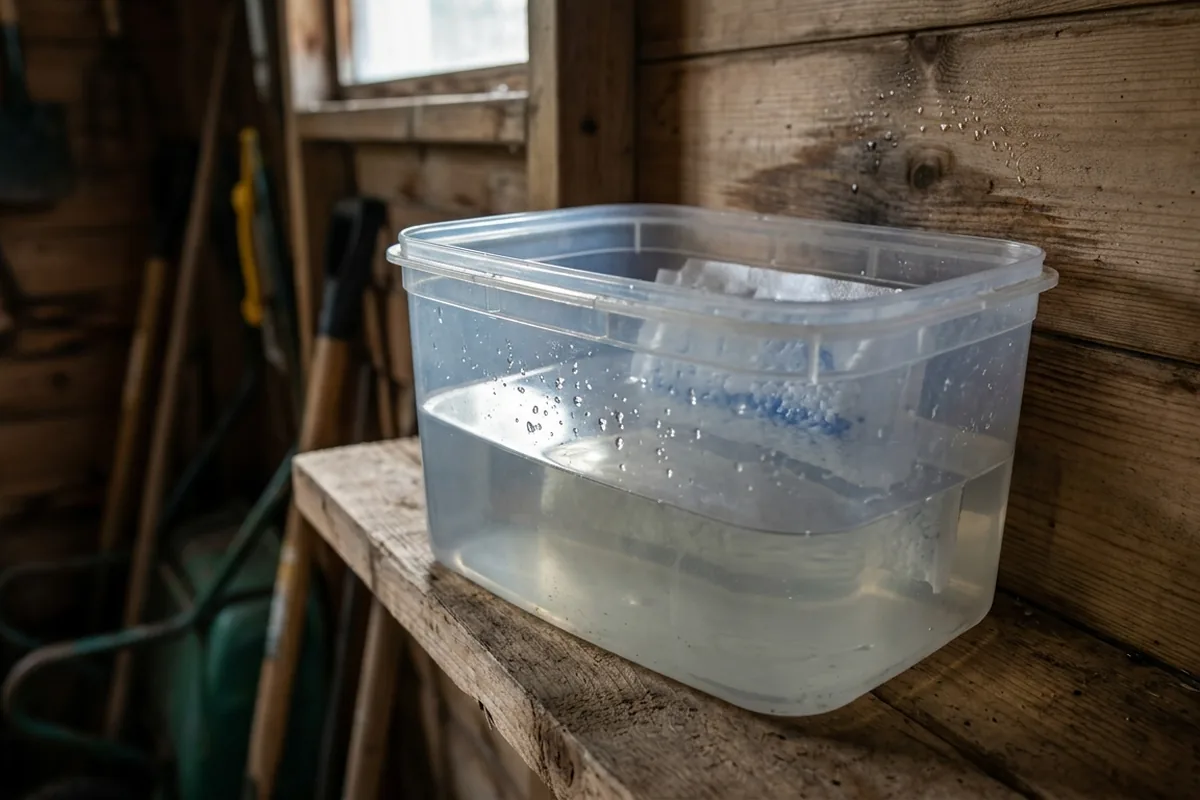
- A tub of moisture absorber (the calcium chloride type) on a shelf to catch background damp.
- A shallow tray of bicarbonate of soda in a corner to absorb odours, replaced every month or so.
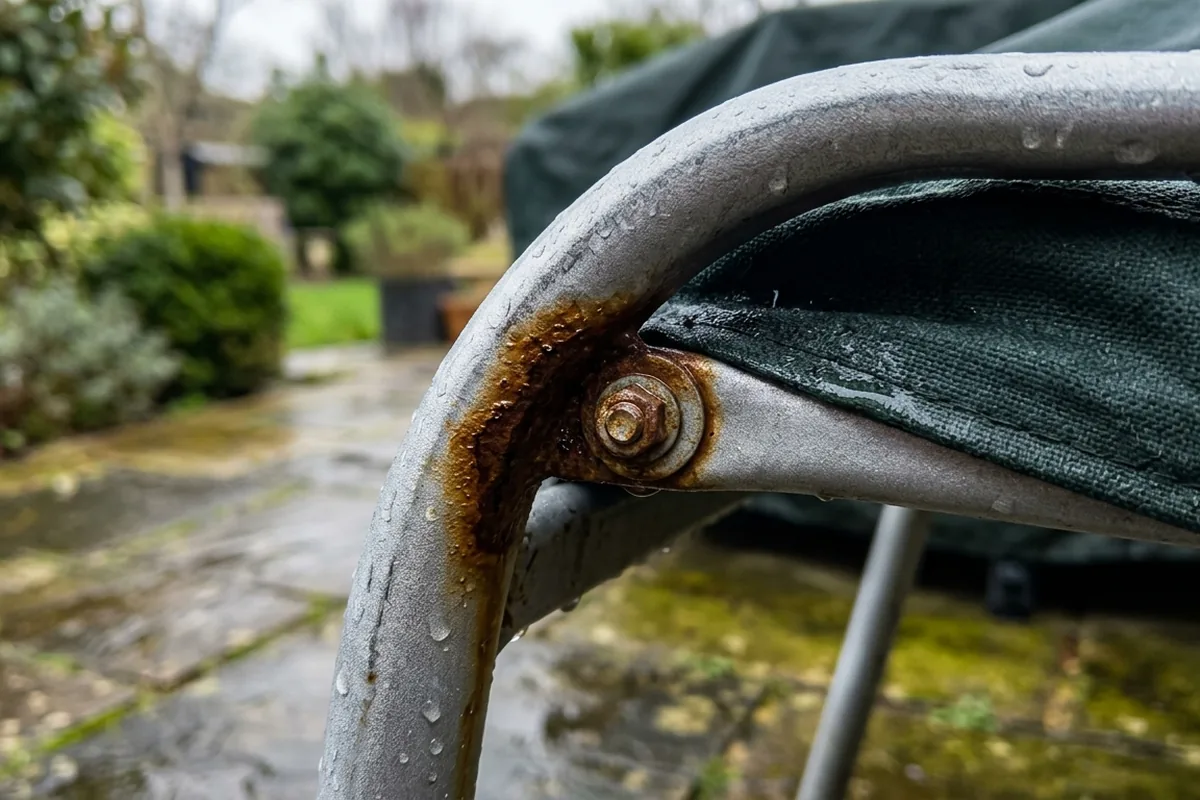
- A quick wipe over metal tools with an oily rag now and then to reduce rust and that sour metallic smell.
If, despite all of this, the shed feels wet to the touch for days after rain, or black mould keeps returning on the walls, it is a sign the structure or base is staying damp, not just the air. At that point it is safer to limit what you store in there and look at a more thorough repair, new base or eventually a replacement shed rather than fighting a permanent musty box.