If one room always feels chilly, even with the radiator on, there’s a quick home check that often explains it: unwanted draughts. A simple “hand and candle” (or incense stick) check around your windows and doors can show exactly where cold air is sneaking in. Once you know the gaps, a few pounds’ worth of draught-proofing can make a room feel noticeably warmer without touching the thermostat.
This isn’t about full insulation or new double glazing. It’s a fast way to find leaks around a draughty door, a bay window, or that cold corner in a terraced house bedroom, so you can seal the worst offenders and stop heated air escaping.
The quick draught check that makes the biggest difference
The aim is to feel and see where cold air is moving, rather than guessing. You can do this in ten minutes on a breezy day or a cold evening.
First, do a simple hand check:
Stand in the room that feels cold, heating on as normal, and:
- Close windows and external doors.
- Turn off any fans that might confuse things.
- Slowly run the back of your hand around:
- window frames and handles
- the letterbox
- the bottom and sides of external doors
- loft hatches and around any pipe penetrations in ceilings or walls.
You’re feeling for noticeable cold streams of air, not just a general chill. The back of your hand is more sensitive than your palm.
If you want to be more precise, use a candle, tealight or incense stick:
- Hold it safely a few centimetres from the frame or gap.
- Watch for the flame flickering or the smoke being pulled in one direction.
- Work slowly around the whole frame, especially corners and the meeting rails of old sash windows.
If the flame or smoke leans sharply, you’ve found an active draught.
Safety check: keep the flame away from curtains, blinds and anything flammable, and don’t leave candles unattended. Incense is often easier in tight spots and near uPVC.
This check won’t tell you about hidden insulation issues in walls, but it is very good at picking up obvious air leaks that make a heated room feel colder than it should.
Where draughts usually hide in UK homes
Once you’ve done the check, you’ll probably find a few repeat offenders. In typical UK houses and flats, the same areas crop up again and again.
Around windows:
- Old timber frames with cracked paint or shrunken putty.
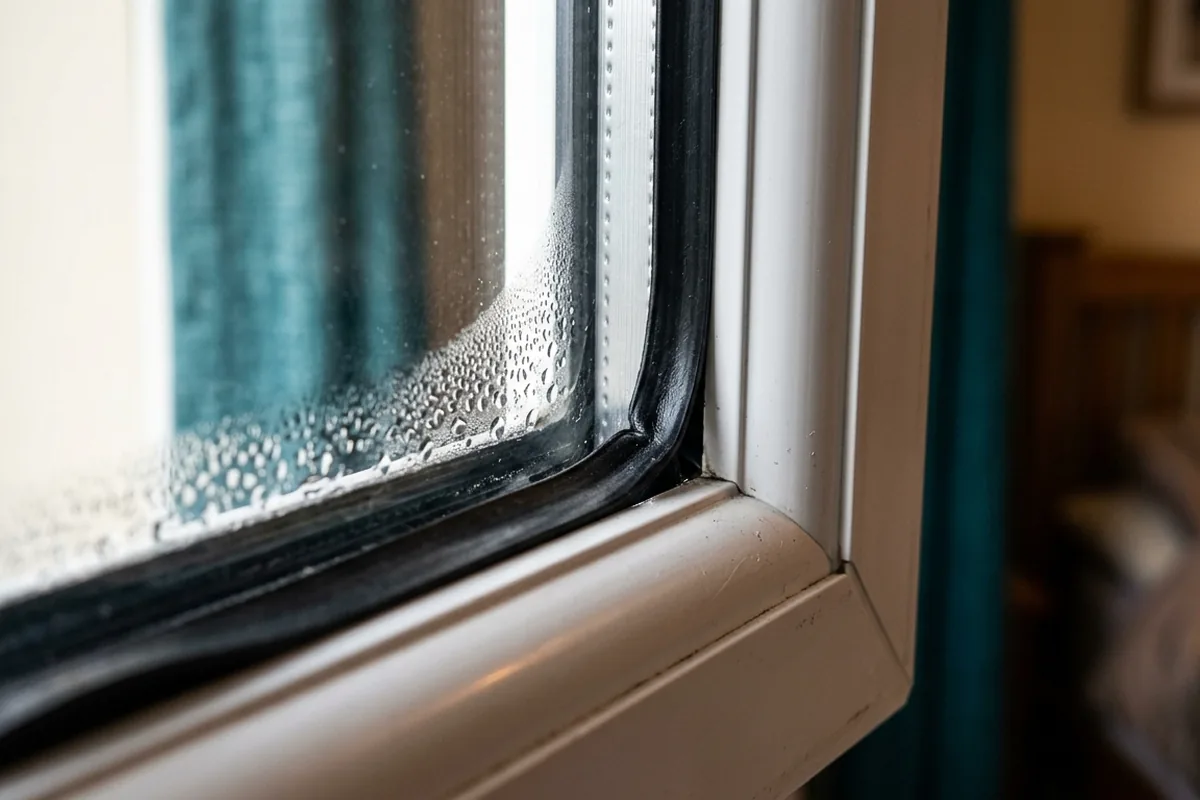
- uPVC windows where the rubber seal has flattened or split.
- Trickle vents left stuck open in a particularly exposed bedroom.
Around external doors:
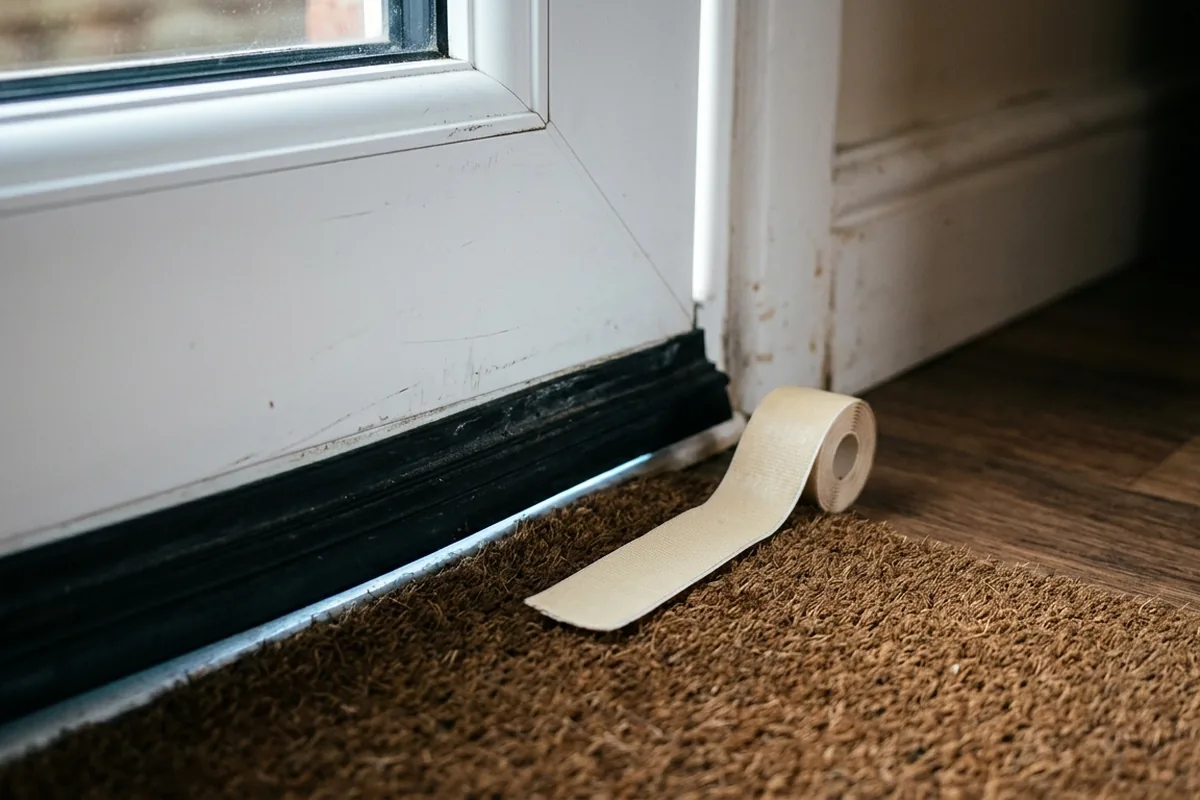
- Gaps at the bottom where the brush strip is missing or worn.
- The lock and handle area on uPVC doors if the seal isn’t pulling tight.
- Letterboxes that flap or don’t have an internal brush.
- Keyholes in older wooden doors.
Other spots worth a quick pass of the hand:
- Loft hatches that just rest on the frame with no foam strip.
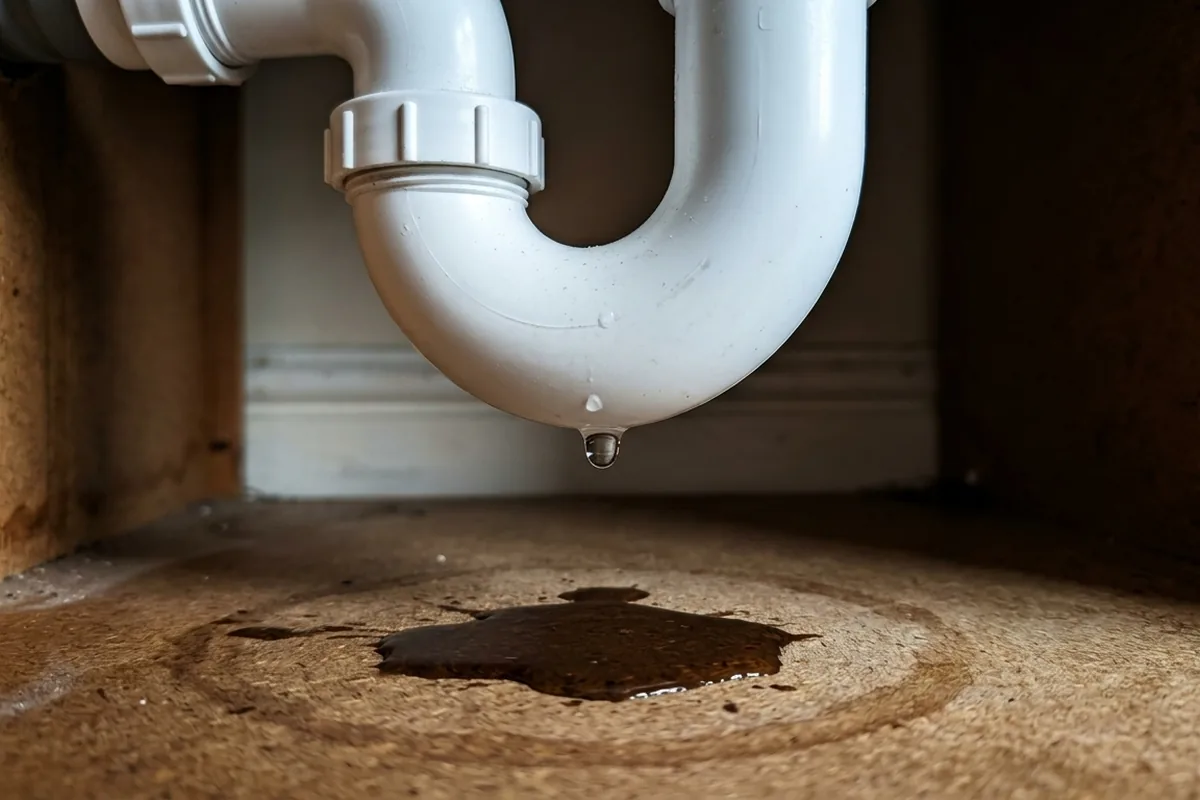
- Gaps around pipes under the kitchen sink or in the airing cupboard where they go through the wall.
- Floorboard gaps near skirting boards on downstairs rooms, especially in older terraces.
A small gap might not sound much, but a few millimetres all the way round a door can act like a permanently open vent. That’s why a room with a decent radiator can still feel draughty, especially on windy nights.
If you’re in a rented flat, you may not be able to replace frames or doors, but temporary draught excluders, foam strips and sausage-style door snakes can still cut the chill without making permanent changes.
How to seal leaks without causing other problems
The key is to block unwanted draughts while still letting your home breathe. You don’t want to create condensation, mouldy window boards or stuffy bedrooms by sealing everything.
For most gaps you find in this check, these are the low-risk fixes:
- Around window and door frames (small gaps)
Self-adhesive foam or rubber draught strips work well on frames where the sash or door meets the stop. Clean the surface with a bit of washing-up liquid solution, dry it, then stick the strip so it compresses when closed. Avoid sticking where it will stop the latch engaging fully.
- Bottom of doors
A screw-on or stick-on brush strip can block the cold air that creeps in under a draughty front door. Check the door still opens freely over carpets or mats.
- Letterboxes and keyholes
Fit a brush-lined letterbox inner flap and a simple keyhole cover on older doors. These are cheap, quick to fit and often make a surprising difference in a hallway.
- Loft hatch edges
A thin self-adhesive foam strip around the hatch frame helps it seal when closed. Make sure the hatch still sits flat.
Where you should be more cautious:
- Do not block trickle vents completely on every window, especially in small bedrooms, bathrooms and kitchens. You still need background ventilation to keep condensation and odours under control. If a room feels too draughty, you can partly close vents in the windiest spot and leave others open.
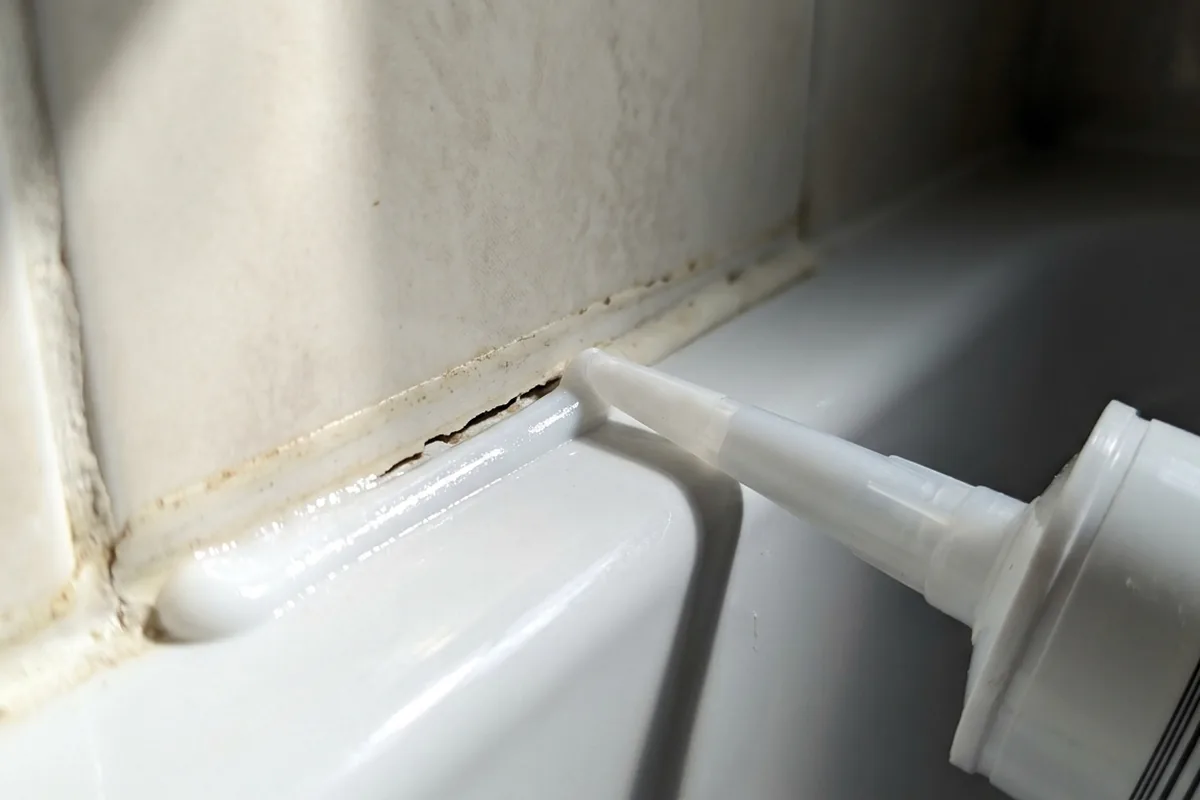
- If you find large or crumbling gaps around frames or skirting boards, stuffing them with random materials isn’t ideal. In those cases, flexible decorator’s caulk or, for bigger voids, proper expanding foam and making good with filler may be better left to someone confident with basic DIY.
If you’ve sealed obvious leaks and a room still feels cold, check:
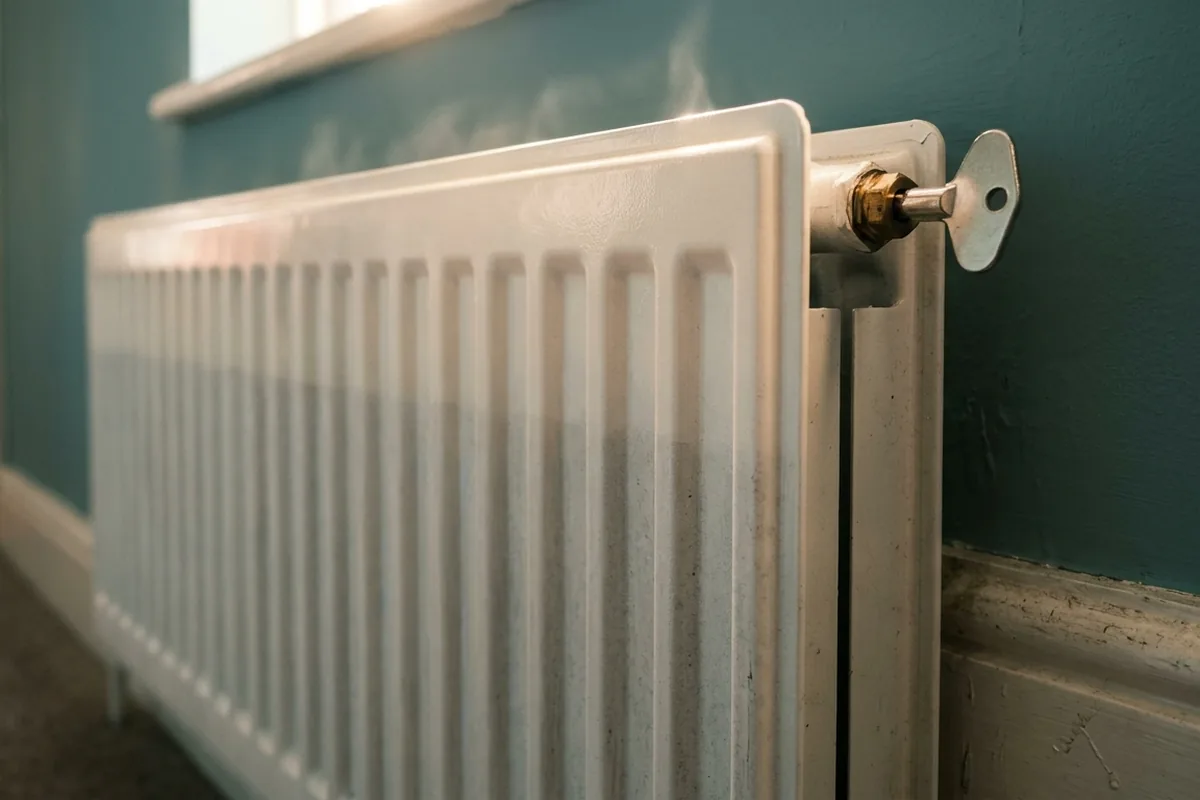
- Is the radiator sized correctly for the room and fully hot across the panel, not cold at the top (needs bleeding) or middle (possible sludge)?
- Are curtains covering the radiator, trapping heat behind them?
- Is this an external corner room that will always run cooler without extra insulation or heavier curtains?
The draught check is a quick win: it won’t fix undersized heating or poor insulation, but it often removes that sharp, uncomfortable chill that makes you reach for an extra jumper.
Once you’ve done it once, repeating the same check each autumn, especially after any work to windows or doors, is usually enough to keep on top of new little gaps that appear as the house moves and seasons change.