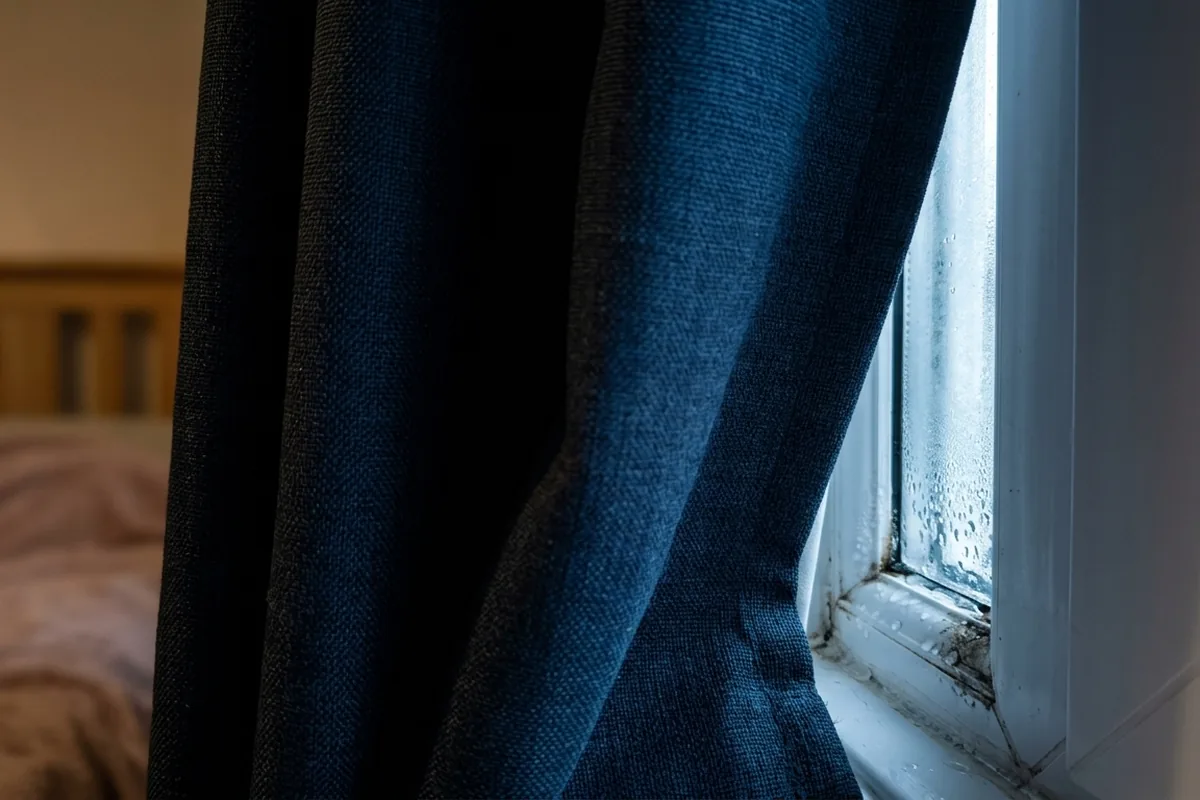
Those wet bedroom windows on cold mornings, with water beading on the glass and the curtains slightly damp at the bottom, are not just a winter annoyance. Closed curtains can actually trap cold air and moisture against the window, which often makes condensation worse, not better. The fabric hides the problem, but behind it the glass can be streaming and the window board staying damp for hours.
The key point is simple: warm, moist room air hits cold glass and turns to water. When you pull curtains tightly shut, you create a cold little “pocket” by the window with almost no airflow, so the glass stays colder and the moisture has nowhere to go. The result is more condensation, longer drying times and a higher risk of mould on seals, frames and even skirting boards below.
Why closed curtains increase condensation on windows
When curtains are drawn fully across, especially thick lined ones, they act almost like an extra wall. That sounds helpful, but it changes how heat and air move around the window.
Behind closed curtains:
- The air is cooler because less room heat reaches the glass.
- Moisture that seeps behind the curtain is trapped in a small space.
- The glass surface stays colder for longer, so more water condenses and sits there.
In a typical UK bedroom with radiators under the window, closing the curtains tightly can also block the warm air from the radiator from rising over the glass. The radiator heats the room, but the window area remains a cold, damp micro-climate.
Condensation is worse if:
- You dry washing indoors in that room.
- The door is kept shut.
- There is no trickle vent open and the window is never put on the latch.
- The curtains are heavy, floor-length or pressed tight to the wall.
The glass then spends much of the night below the dew point of the room air, so every breath, every bit of moisture from people sleeping, adds more water to the window.
What to change with curtains and blinds to reduce wet windows
You do not have to stop using curtains. The trick is to avoid sealing off the window completely while still keeping the room cosy.
Try these small adjustments:
- Leave a small gap at the top: let warm air from the radiator or the room rise behind the curtain and wash over the glass.
- Pull them a few centimetres off the sill: if possible, avoid curtains sitting tightly on the window board where water collects.
- Avoid tucking curtains behind radiators: this pushes them closer to the glass and blocks airflow.
- Use trickle vents or a small window opening: especially overnight, so moist air can escape instead of building up behind the curtain.
- Combine curtains with a blind carefully: if you have both, try not to have both fully closed and tight to the frame. Leave a slight gap in one of them for air movement.
If you have perfect-fit or very tight blinds in a small bathroom or kitchen, the same issue appears. Steam gets trapped between blind and glass, and the window streams. Cracking the blind open slightly at the bottom or side, and using the extractor fan properly, usually helps more than wiping the window alone.
When condensation points to a bigger moisture problem
Curtains are often just the final nudge that makes condensation look extreme. The real driver is usually too much moisture in the home or poor ventilation.
If you notice any of these, it is worth looking beyond the curtains:
| Sign at home | What it may mean | First check |
|---|---|---|
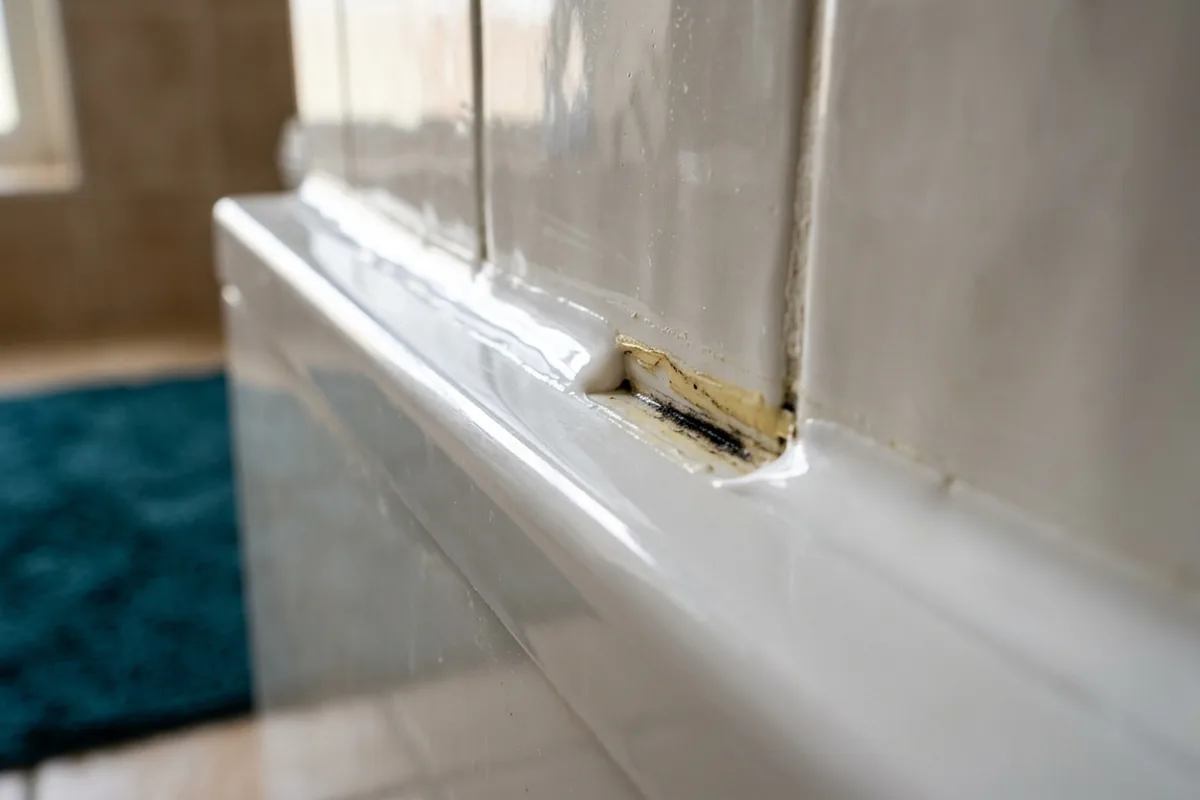
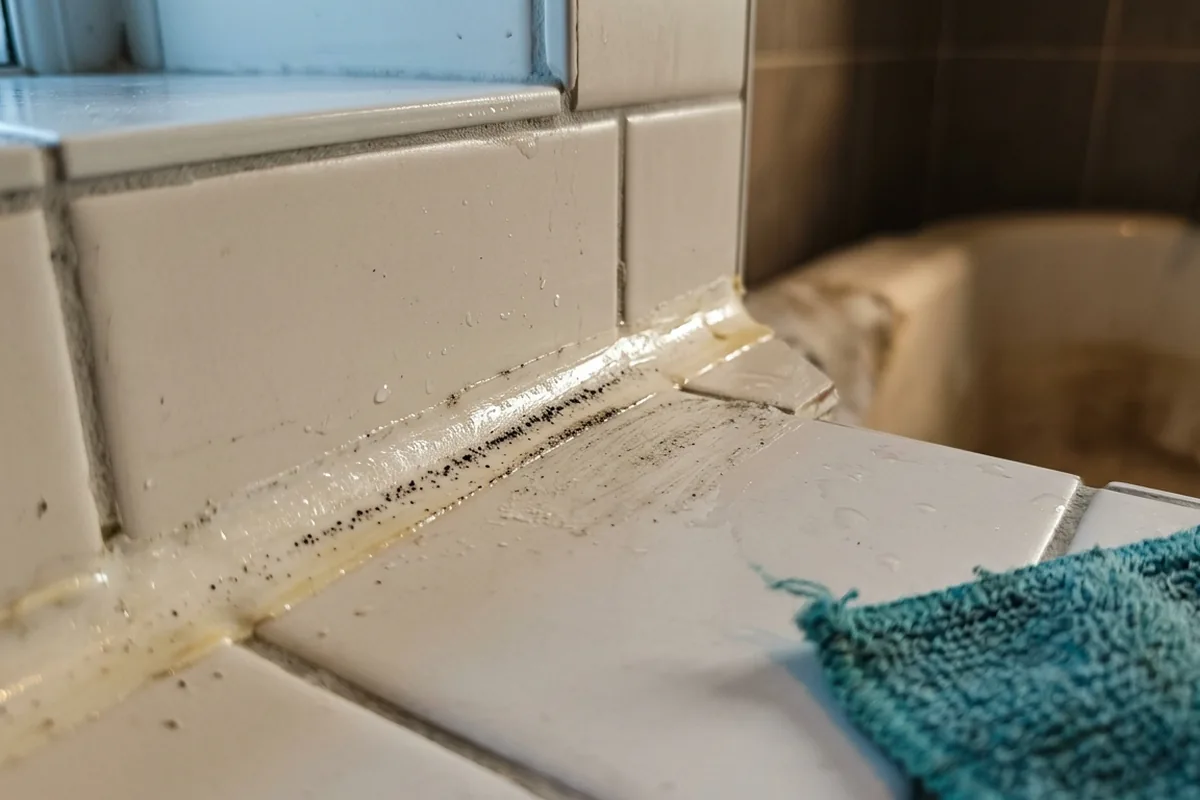
| Mould on silicone around the frame | Moisture sitting for hours most days | Are windows opened or trickle vents used daily? |
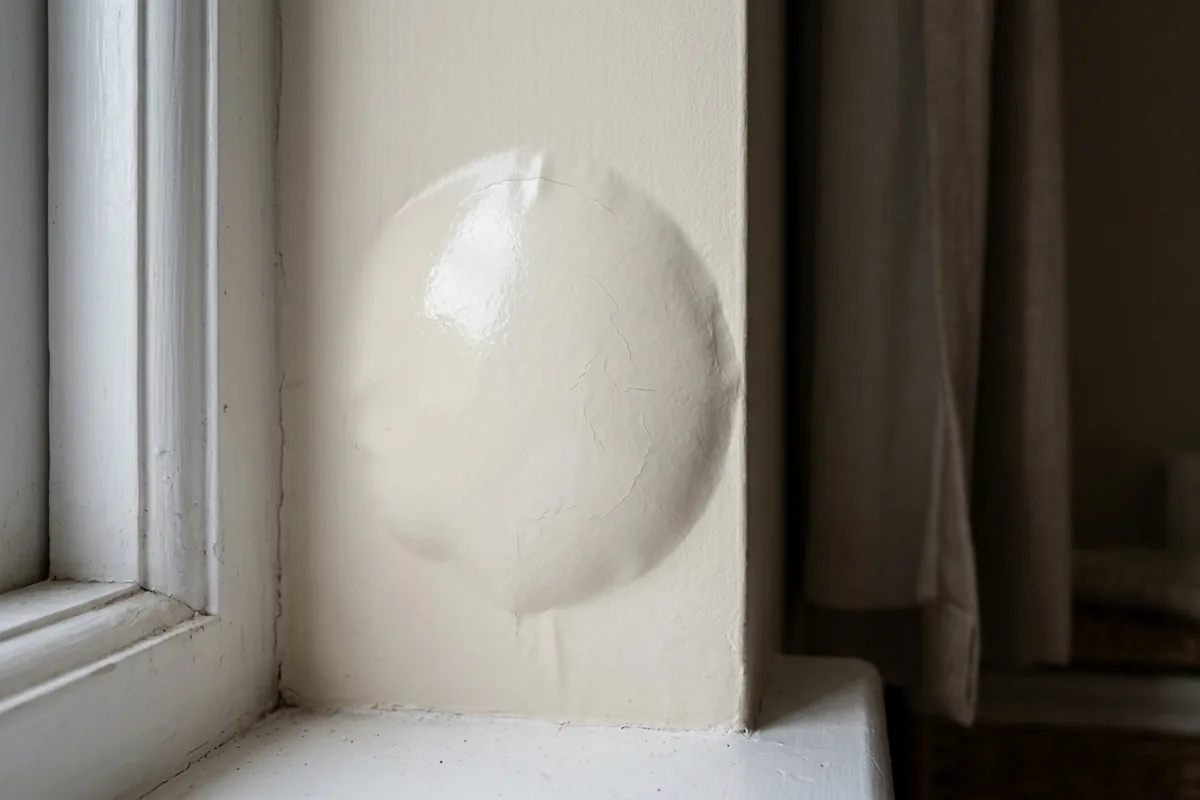
| Damp or flaking paint on window board | Regular water pooling and soaking in | Is condensation wiped off each morning? |
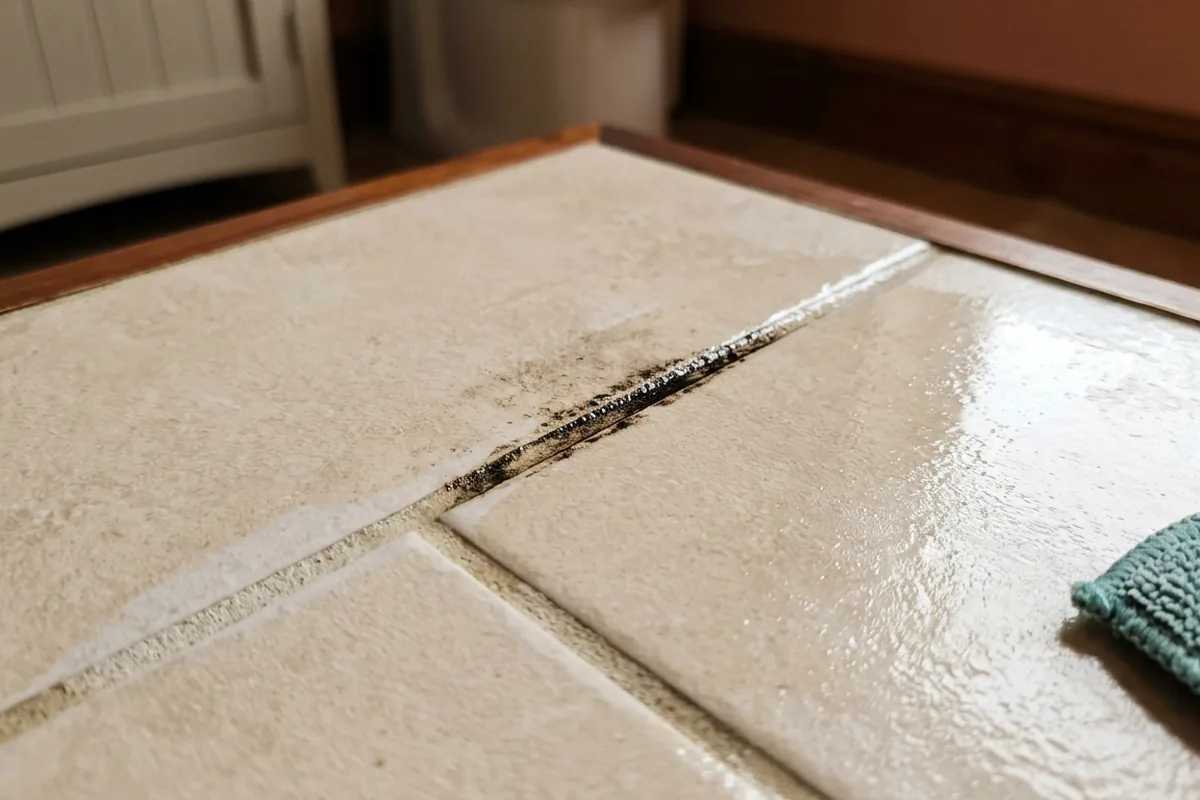
| Black mould on wall below window | Cold external wall plus high humidity | Is furniture pushed tight to that wall? |
| Condensation on several windows, not just one | High overall humidity indoors | Are you drying clothes inside or lacking extractor fans? |
If the glass is wet even with curtains open, or stays wet well into the day, the issue is more about:
- Indoor moisture sources: drying clothes on radiators, unvented tumble dryers, long hot showers without an extractor, boiling pans without lids.
- Poor ventilation: no fan usage, trickle vents painted shut, never opening windows in a small flat.
- Cold surfaces: single glazing, old aluminium frames, or a very cold outside wall.
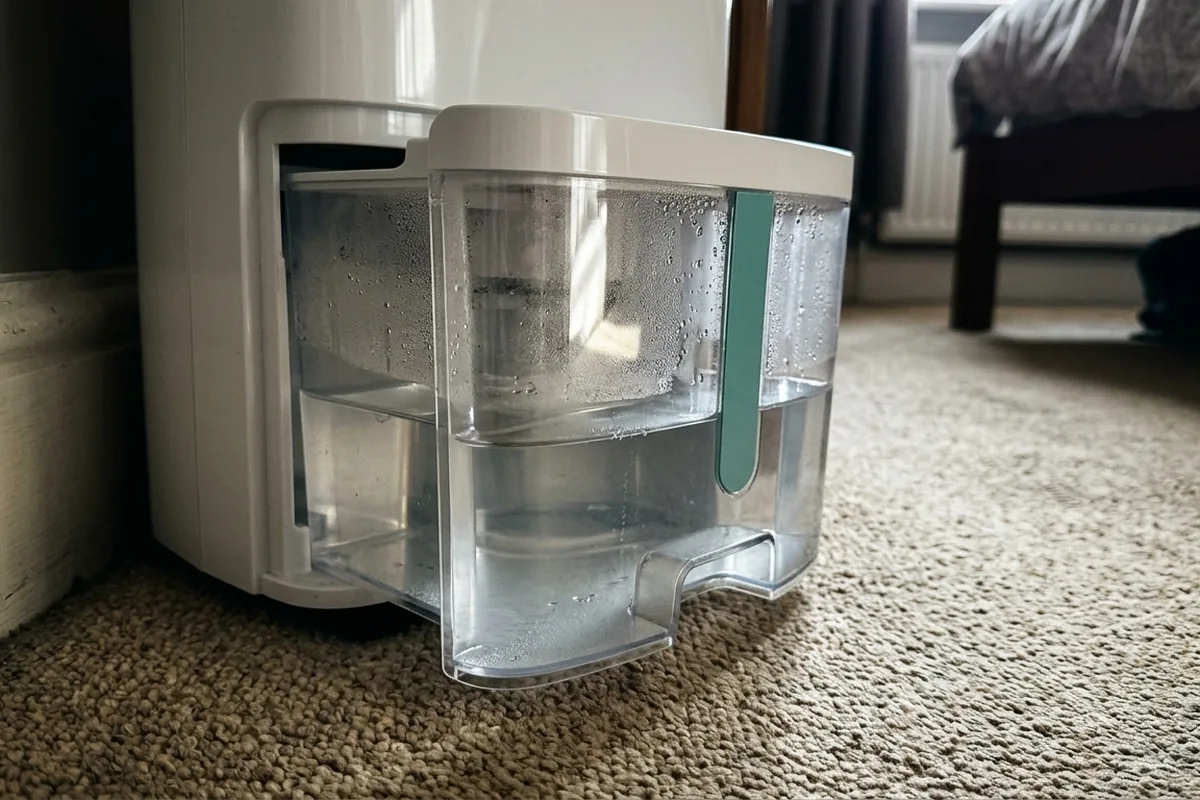
A simple first move is to wipe condensation off every morning with a microfibre cloth or window squeegee so it is not soaking into seals and timber. If you are consistently filling a cloth or squeegee from several windows, a small dehumidifier in the worst room can help take the edge off, but it will not fix the underlying ventilation problem on its own.
If you see widespread black mould on walls or ceilings, or damp patches that never dry, that goes beyond normal window condensation. That is the point to get proper damp advice, especially in older or rented homes, rather than relying on curtain tweaks alone.
A good test over the next week is this: sleep with the curtains slightly open at the top and a trickle vent or small window opening, then compare how wet the glass and window board are in the morning. Less water means you are on the right track, and you can gradually fine-tune how far you close the curtains without turning the window into a hidden damp trap.