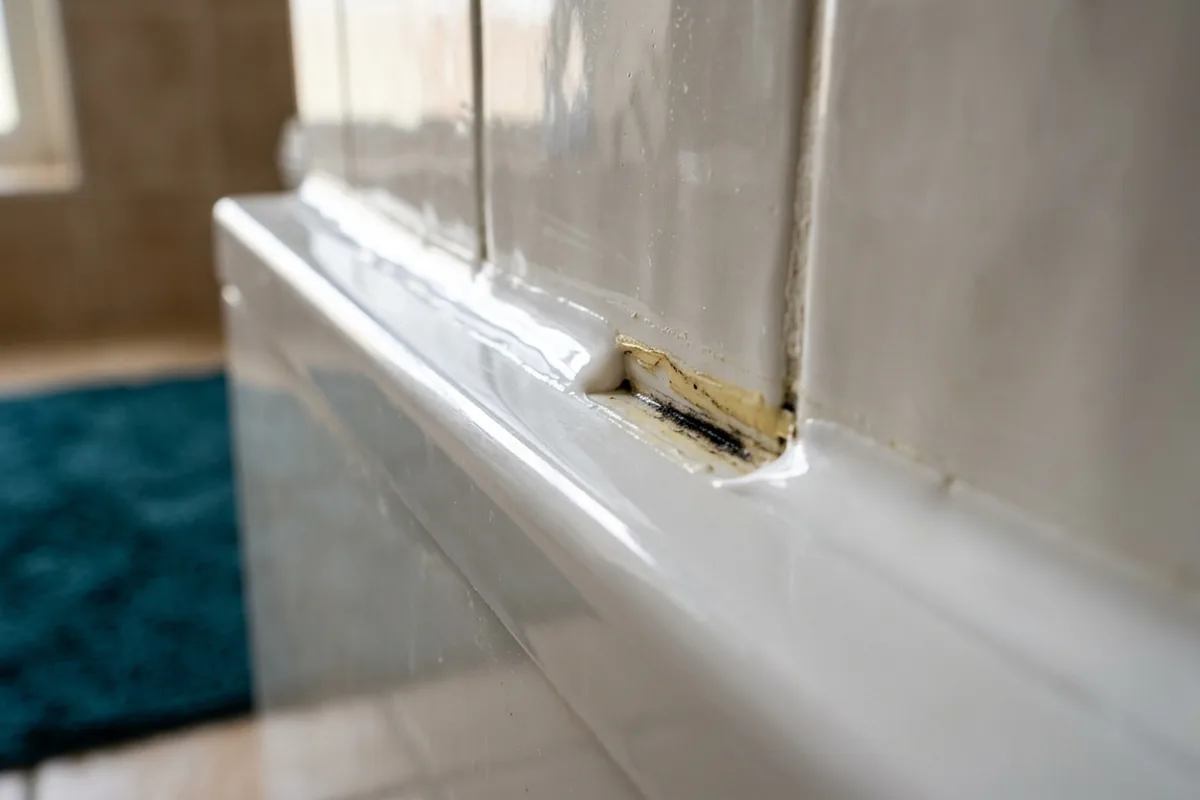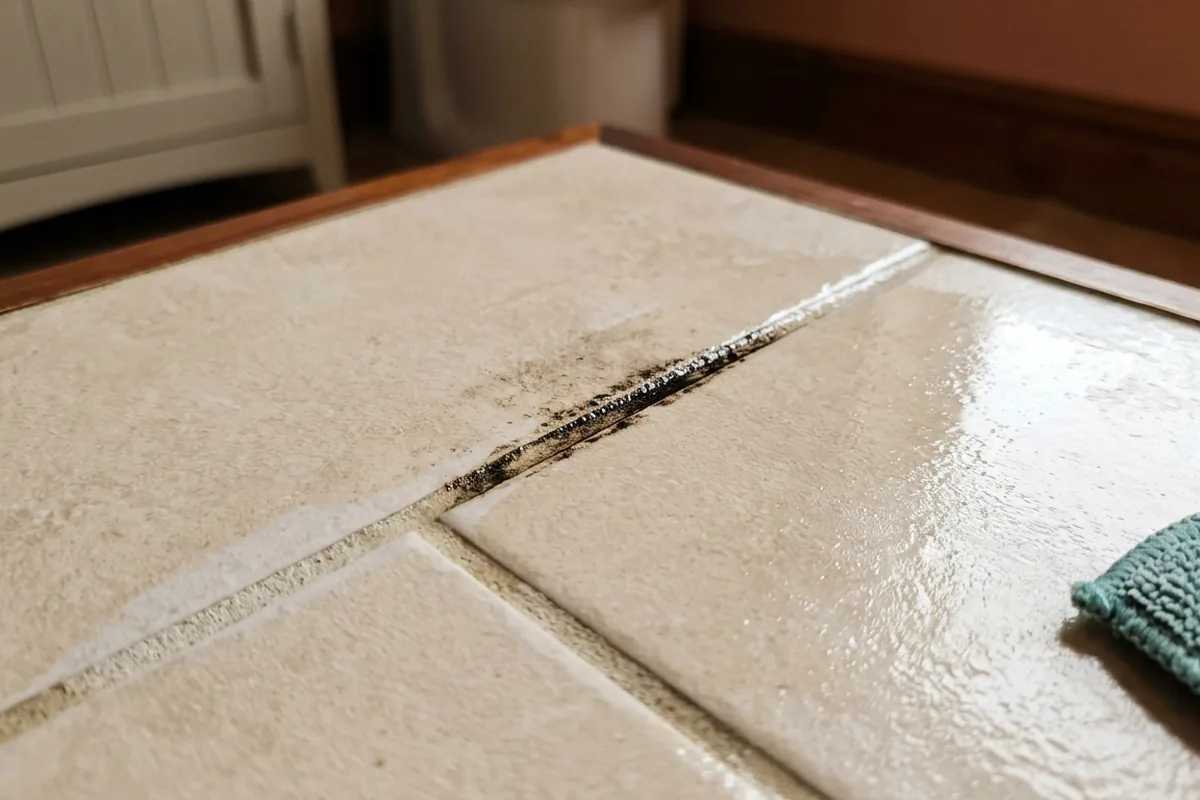
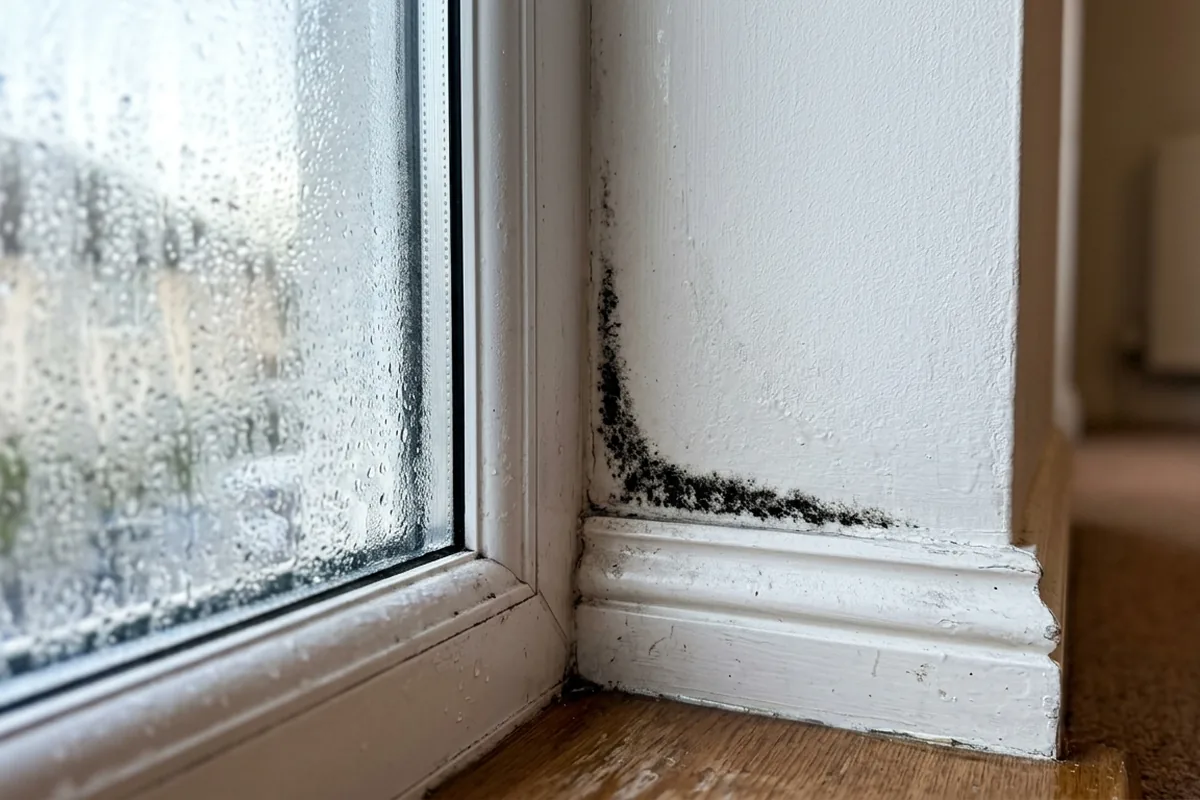
The patch that keeps spreading is often in the same place: a cold outside corner behind a wardrobe, the top of a bedroom wall, or the edge of a bathroom ceiling. Those cold corners grow black mould faster because they are colder, damper and less ventilated than the rest of the room, so moisture from the air condenses there first and stays there longest. The mould is feeding on that thin film of water plus dust and paint, not “coming through” the wall in most cases.
If you only wipe the stain away but do not warm, dry or ventilate that corner, it will come back, sometimes within days.
What makes cold corners a mould hotspot
Cold corners are where a few things line up: low surface temperature, trapped moisture and something for mould to feed on.
In a typical UK room, the coldest spots are external corners, window reveals and areas behind big furniture. These are often slightly colder than the middle of the wall, especially in older solid-walled or poorly insulated houses and flats. Warm, moist air from breathing, showers, cooking or drying clothes hits these cold surfaces and cools down. As it cools, it can’t hold as much water, so condensation forms first on the coldest bit.
Corners are also where air movement is weakest. Radiators tend to warm and stir the air in the open part of the room, not deep into the corners or behind a wardrobe. That means:
- The surface stays cold.
- Condensation doesn’t dry quickly.
- Any moisture that lands there hangs around.
Black mould spores are already in the air. When they land on a persistently damp, slightly dusty, cold surface, they have everything they need: water, a bit of organic material from paint binders, dust or wallpaper paste, and time. That is why the same corner can go from a faint grey shadow to obvious black spotting far quicker than the rest of the wall.
How to tell if it’s condensation mould or a deeper damp issue
Most cold-corner mould in bedrooms, living rooms and small bathrooms is surface condensation mould, not rising damp or a leak. It is worth doing a quick check so you do not waste time treating the wrong problem.
Here are common signs and first checks:
| Sign at home | What it may mean | First check |
|---|---|---|
| Black or dark grey spots high up in corners or around window reveals | Condensation mould on cold surfaces | Look for morning condensation on windows and cold outside walls |
| Mould mainly behind furniture against an outside wall | Trapped moist air and low airflow | Pull furniture 5–10 cm away and feel if the wall is cold and clammy |
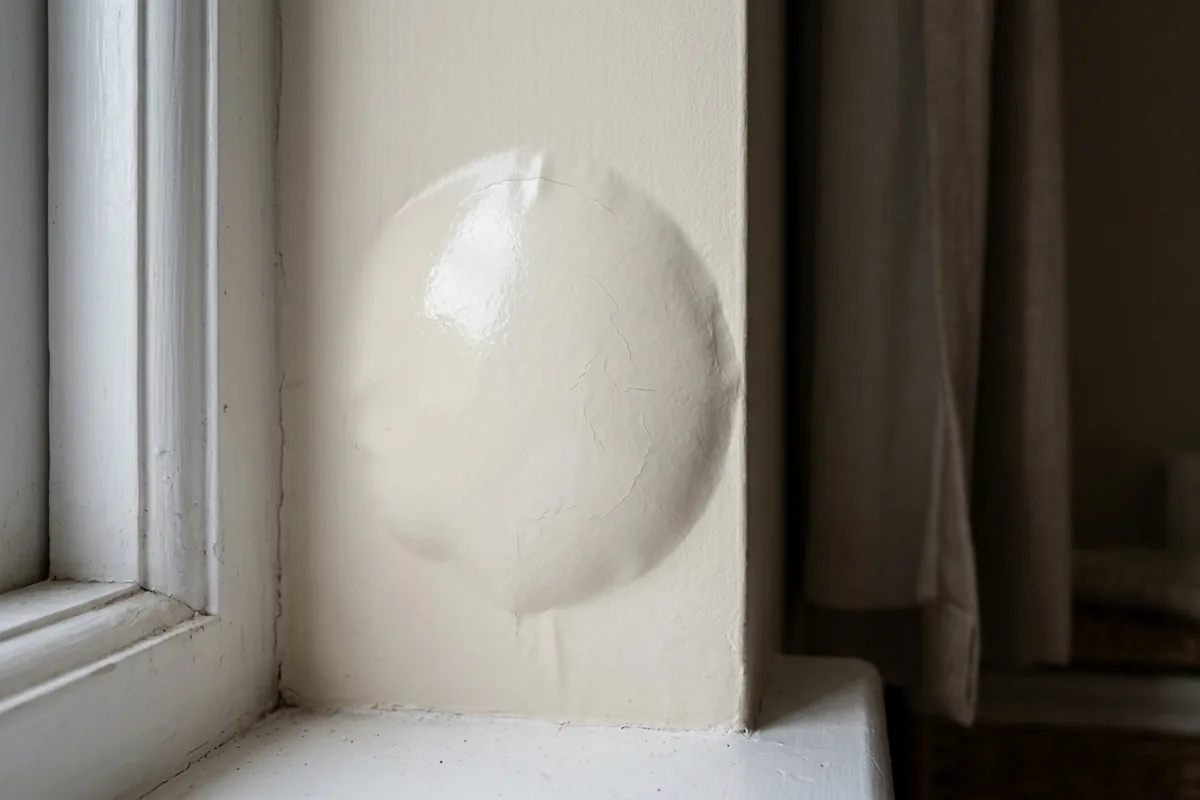
| Paint blistering, salts or crumbling plaster low down | Possible penetrating or rising damp | Check outside for blocked gutters, cracked render or high ground level |
| Localised damp patch that feels wet even in warm, dry weather | Leak or structural damp | If in doubt, speak to a qualified surveyor or your landlord |
If the wall only feels slightly cool and you mainly see mould in corners, around windows and behind wardrobes, you are probably dealing with condensation and cold surfaces rather than a major structural problem.
If the area is large, the mould is very thick, or anyone in the home has breathing problems, asthma or a weakened immune system, keep exposure low and get medical or professional advice rather than tackling heavy growth yourself.
Practical ways to slow mould in those corners
You cannot stop mould by cleaning alone. You need to reduce moisture, warm the surface and improve airflow around those cold corners.
If the mould is light and patchy
For small areas of surface mould on painted plaster or emulsion:
1. Protect yourself and ventilate
Open a window, run the bathroom or kitchen extractor, and wear gloves. A basic mask and old clothes are sensible if you are brushing or wiping spores.
2. Clean the surface carefully
- Use a mould-removal spray or a mild bleach solution on non-porous, light-coloured paint.
- Never mix bleach with vinegar or other cleaners.
- Wipe with a damp microfibre cloth, not a dry duster, so you are lifting spores rather than flicking them into the air.
- Rinse the cloth frequently and dispose of it or wash it on a hot cycle afterwards.
3. Dry the area thoroughly
Wipe with a dry cloth and let the corner air-dry. A small fan or leaving the door open can help.
Cleaning removes what you can see, but it will come back if the corner keeps getting cold and damp.
Small changes that make corners less inviting to mould
You do not need a full renovation to take the edge off the problem:
- Pull furniture away from outside walls
Even 5–10 cm behind a wardrobe or chest of drawers can allow air to circulate and keep the wall a bit warmer and drier.
- Use your extractor fans properly
Run the bathroom fan during a shower and for at least 15 minutes afterwards. In a small UK bathroom with black mould on the ceiling corners, this alone often slows regrowth.
- Tackle indoor moisture sources
Dry clothes outside or in a well-ventilated room with a window open, not on radiators in a closed bedroom. Put lids on pans and use the kitchen extractor when cooking.
- Keep a low, steady background heat in cold weather
Letting a room swing from very cold to very warm can increase condensation. A gentle, consistent level of heating usually keeps corners a bit drier than blasts of heat in an otherwise cold room.
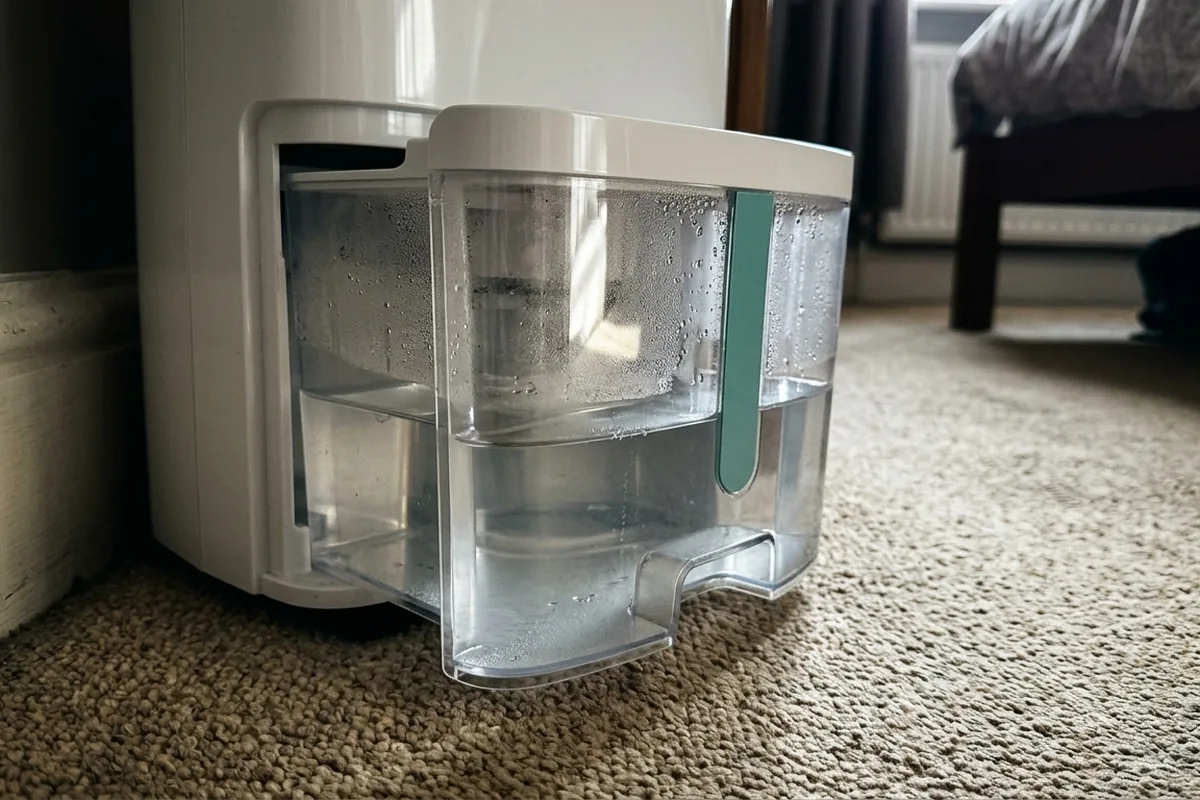
- Consider a small dehumidifier
In very damp homes or bedrooms with streaming windows every morning, a dehumidifier can lower overall humidity. Place it where the room air can circulate, not jammed in the corner itself.
If corners still feel noticeably colder than the rest of the wall after these changes, extra insulation or lining may be worth discussing with a builder or, in a rented flat, with your landlord. That is beyond a quick DIY tweak, but it is often the long-term fix.
When you next see a small grey patch creeping back into a cold corner, treat it as a reminder that the surface is still staying damp for too long. Clean it safely, then look again at warmth, moisture and airflow, starting with the simplest changes you can make this week.