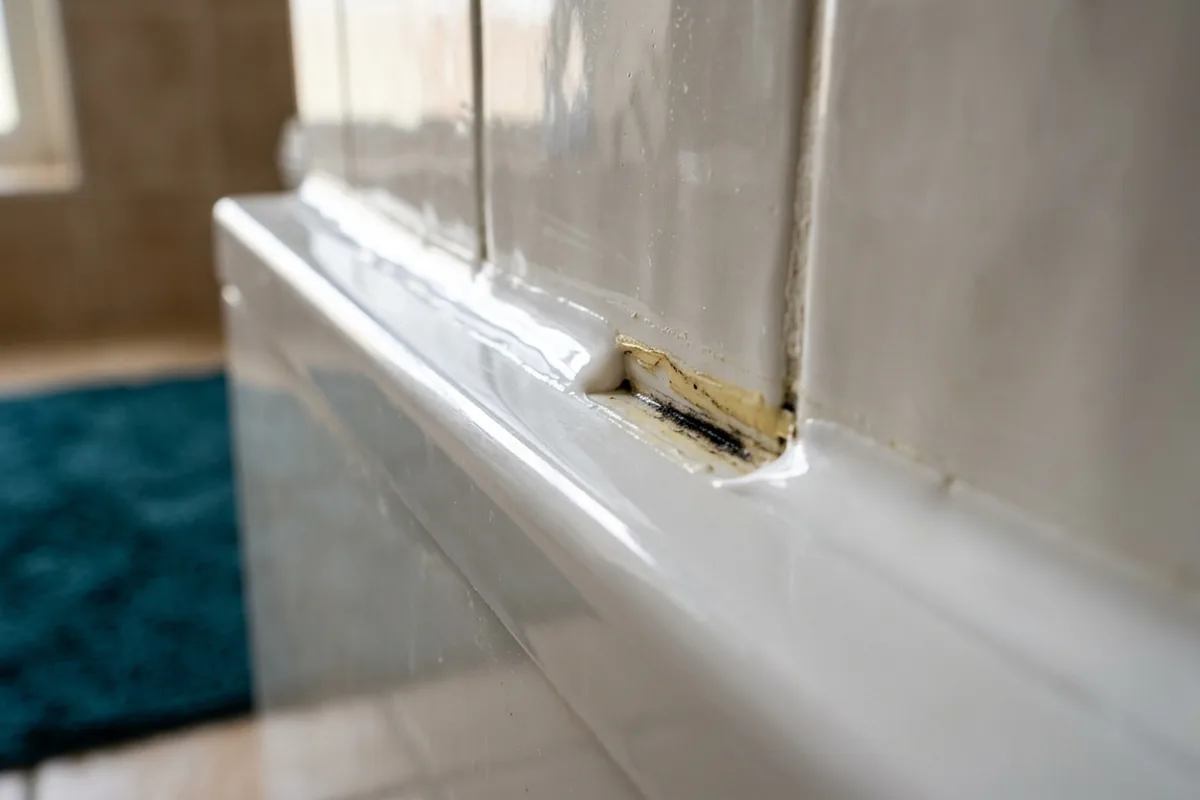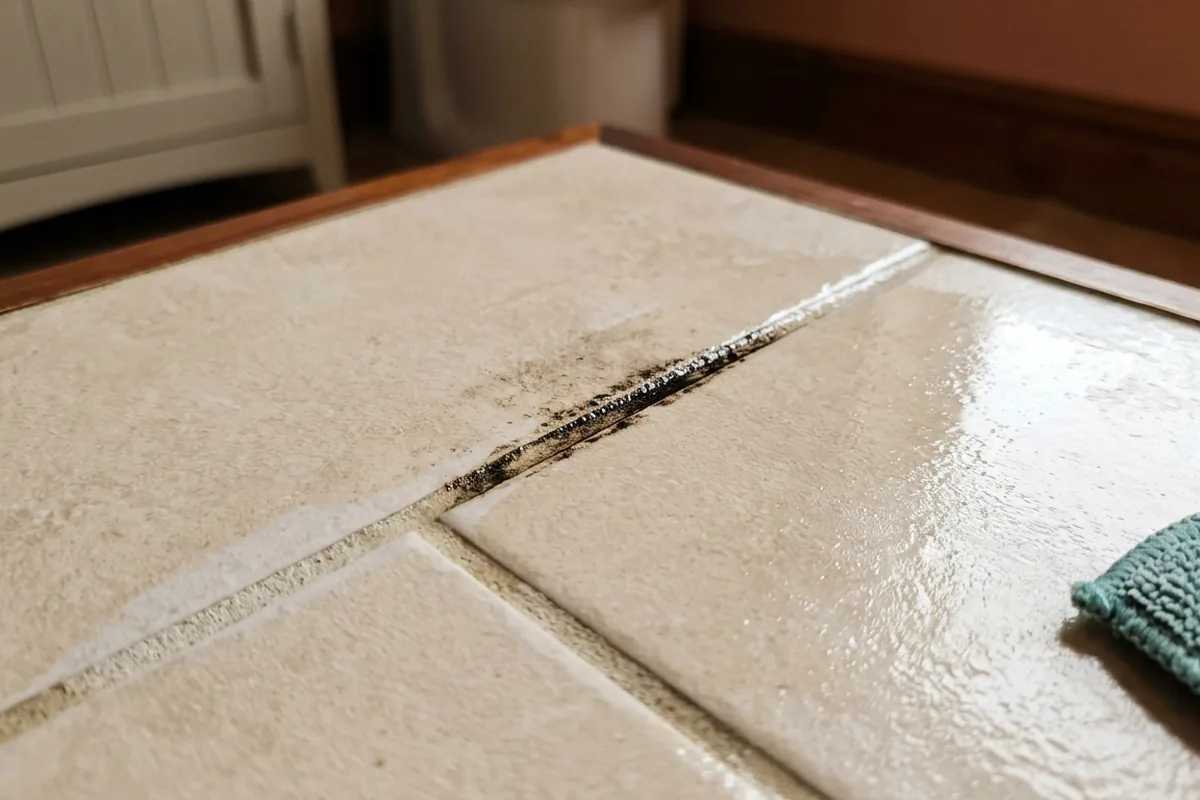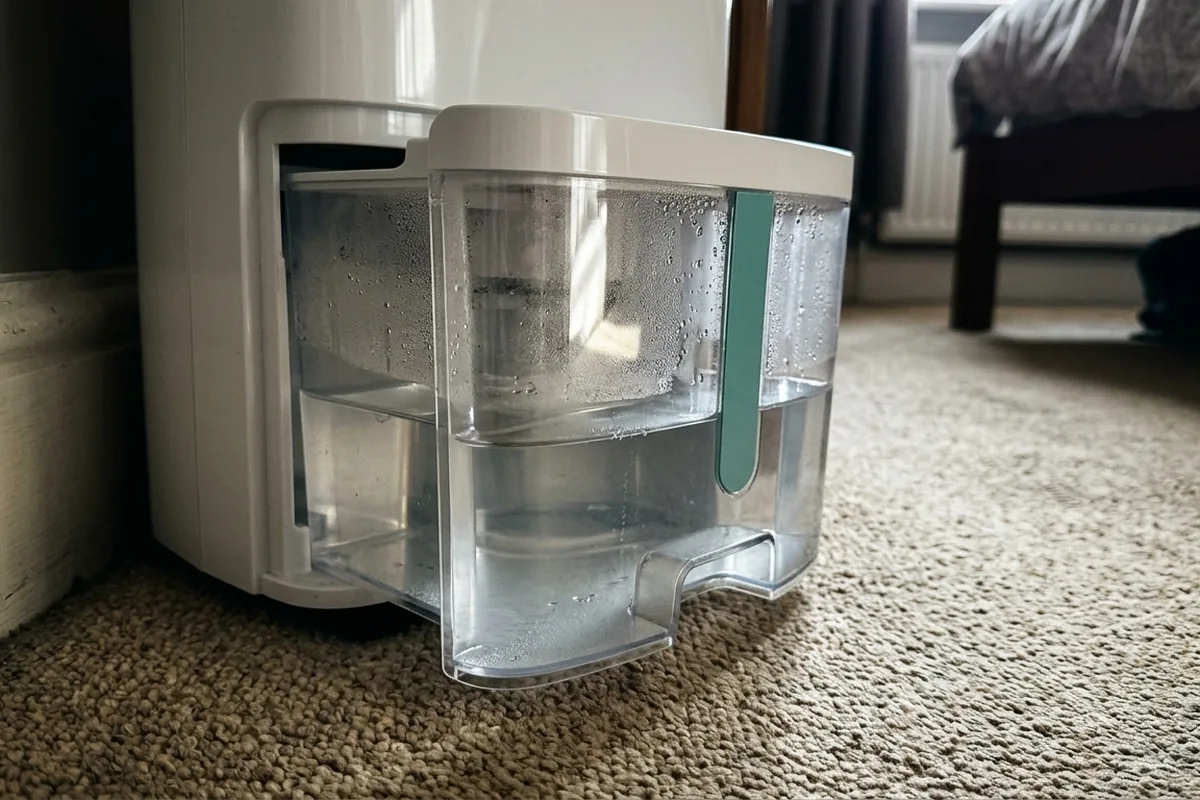
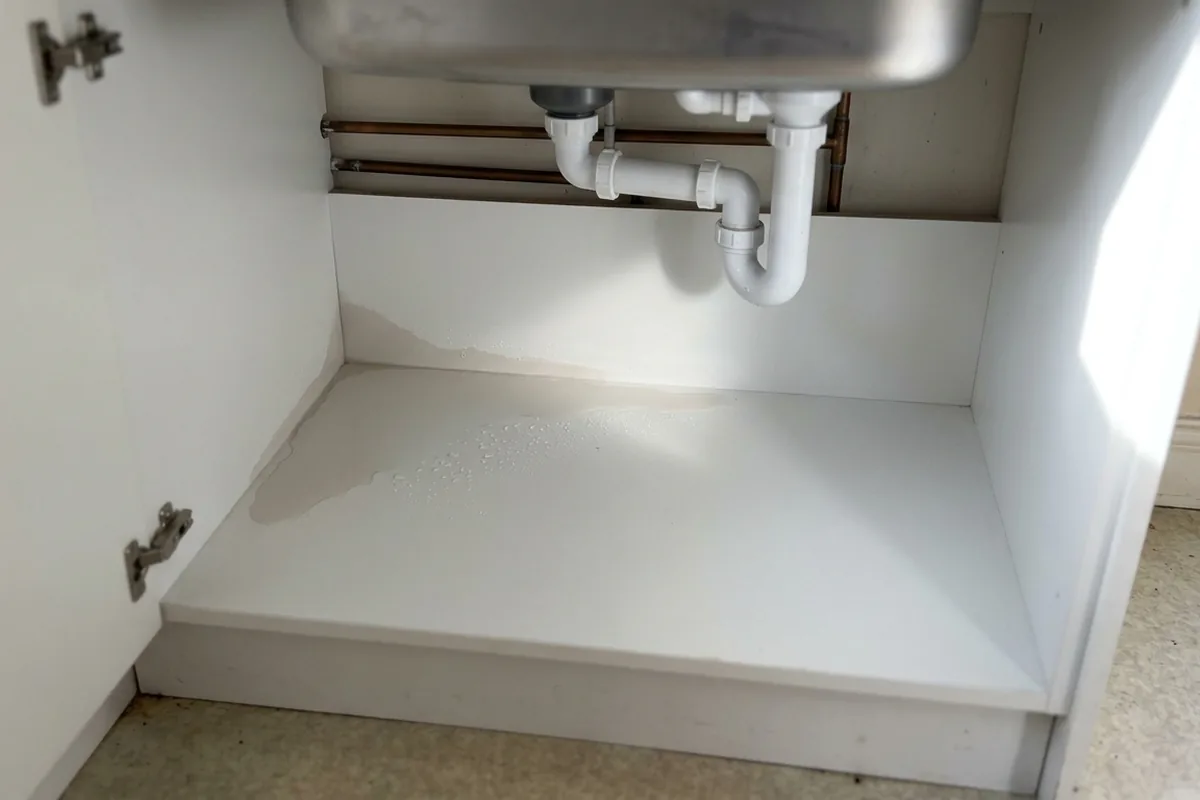
That faint musty whiff when you open the under-sink cupboard is often the first sign of damp in a kitchen. It usually appears there before you notice anything on walls or windows because the space under the sink is dark, cramped, full of pipes and poorly ventilated. Moisture and tiny leaks build up out of sight, so smells arrive long before obvious damage. The practical answer is: if you can smell damp under the sink, you almost always have excess moisture there, from condensation, a weeping joint, a slow drip, or trapped wet items.
Why the under-sink cupboard is the first place to smell
Under the sink, you have the perfect recipe for early damp odours: water, warmth, hidden surfaces and very little airflow.
Moisture comes from several places at once: the cold waste pipe, the hot and cold supply pipes, the underside of the sink, and steam from washing-up. In a typical UK kitchen, that cupboard door stays shut most of the day, so any moisture that gets in has nowhere to go.
Three things make smells show up there first:
- Trapped humid air: Warm, moist air from the sink and dishwasher seeps into the cupboard and stays put. The cold pipework and back wall encourage condensation, which then soaks into chipboard, laminate or the back of the cupboard.
- Tiny leaks, big smell: A slow drip from a trap, a loose compression joint or a perished washer might only lose a few drops an hour. That may not show on your floor yet, but it is enough to keep wood and dust permanently damp, which quickly smells musty.
- Dust, cardboard and clutter: Old carrier bags, cardboard boxes of dishwasher tablets, spare tea towels and cleaning cloths soak up moisture. Once they’re damp, they hold on to that smell and make it stronger.
Because the space is enclosed, you notice even a small odour as soon as you open the door, while the rest of the kitchen still smells normal.
What that smell is actually telling you
A damp smell under the sink is not just “kitchen smell”. It is usually a mix of mould spores, bacterial growth and stale water. The exact character of the smell can point you towards the cause.
Here is a quick way to link what you notice to a sensible first check:
| Where the smell is strongest | Likely source | First check |
|---|---|---|
| Right at the back, low down | Condensation or leak on pipes/back wall | Run tap, then feel pipes and wall for damp |
| Under the plughole/trap | Weeping trap, loose connection or hairline crack | Run hot and cold water and look for drips |
| Around stored cloths and sponges | Wet items left to dry in a closed space | Remove them, wash or bin, and air the cupboard |
| Near the waste pipe exit | Gap in sealant or damp external wall | Check sealant, brickwork or plaster for dark patches |
| Whole cupboard, with black spots visible | Established mould on cupboard panels | Clean safely and improve ventilation; monitor for return |
If the smell is earthy or musty, think damp wood or board. If it is more drain-like or sulphurous, it may be related to the trap or waste pipe, especially if the sink is slow-draining.
The key point: the smell is an early warning, not a surface problem to be sprayed away. Air freshener or a bowl of bicarbonate of soda might soften the odour for a day or two, but if the source of moisture remains, it will always come back.
Simple checks and fixes you can safely try
You do not need to dismantle plumbing to do some basic, low-risk detective work and reduce the smell.
Start with a dry day if you can, so new damp is easier to spot.
1. Empty the cupboard completely
Take out everything: cleaning products, bin, cloths, carrier bags. This makes it easier to see and also removes a lot of soaked-up smell. Bin any constantly damp sponges or mouldy cardboard.
2. Look and feel for damp
Use a torch or your phone light. Check:
- The base of the cupboard, especially corners.
- Around and behind the trap and joints.
- The back wall and where the waste pipe exits.
Use your hand or a piece of kitchen roll: any cool, slightly tacky patch usually means recent moisture.
3. Run the tap and watch
Run hot and cold water and, if you have one, the dishwasher. Watch the trap and joints for a minute or two. Even a tiny bead of water forming is worth noting. If a joint is only slightly loose, you might be able to gently nip up a compression nut by hand. If you are not confident or the leak is more than a weep, it is safer to call a plumber than to overtighten and crack something.
4. Clean away early mould
For light mould on painted or laminated cupboard surfaces, use a mould remover spray or diluted household bleach. Wear gloves, ventilate the kitchen and never mix bleach with other cleaners. Wipe with a damp microfibre cloth, then with clean water, and dry thoroughly. If the board has swollen or crumbled, that is a sign of longer-term damp that may need a more thorough repair.
5. Improve airflow under the sink
Once dry, avoid packing the cupboard solid. Leave a small gap around the back and sides of the pipes. Keeping a wet washing-up bowl, damp mop heads or tea towels in there just feeds the problem. In a small flat, even propping the door open for an hour after washing-up can make a difference.
If the smell fades within a few days after drying, cleaning and decluttering, it was probably a mix of condensation and stored damp cloths. If it returns quickly, you are more likely dealing with a persistent leak or a damp wall behind.
When an under-sink smell points to a bigger damp issue
Sometimes, the cupboard is just where you notice the smell first, but the source is outside that space.
In older terraced houses, the kitchen sink is often on an outside wall. A crack in the silicone sealant where the waste pipe exits, a poorly sealed external joint or even blocked gutters soaking the wall outside can all cause that section of wall to stay damp. The under-sink cupboard then traps that moisture and concentrates the odour.
Watch for these signs that the problem is more than a bit of cupboard condensation:
- Dark, spreading patches on the wall or the back of the cupboard, not just around the pipes.
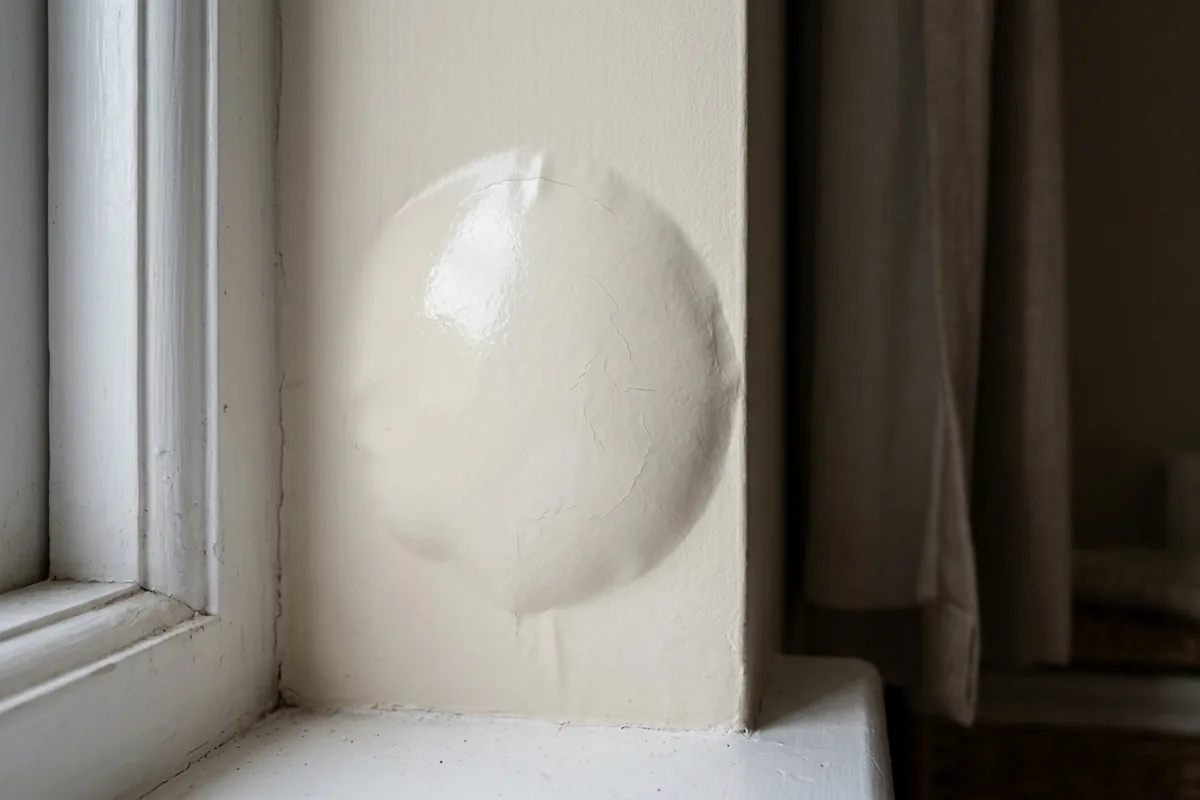
- Flaking paint, blown plaster or crumbling skirting board below the sink area.
- The wall feels cold and damp even after a dry spell.
- The smell is noticeable in the room, not just when you open the cupboard.
If you see any of these, it is worth getting a qualified plumber or damp specialist to look, rather than repeatedly bleaching the cupboard. Under-sink smells are often the cheapest moment to catch a problem, long before you are dealing with rotten units or lifting laminate flooring.
Once you know why that cupboard was the first to smell, it becomes a useful early-warning sensor. A quick sniff and a torch check every so often is usually enough to spot trouble while it is still easy and relatively cheap to sort out.