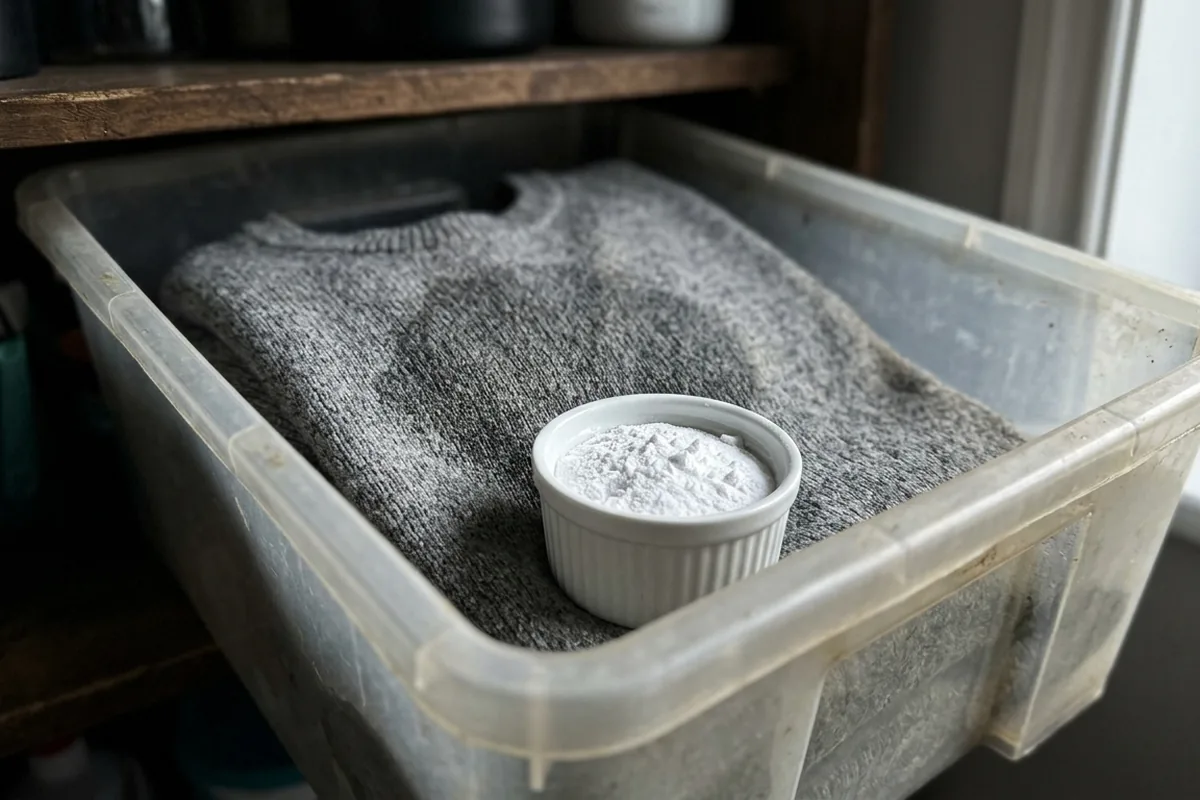
That stale, slightly damp whiff when you open a storage box or cupboard is nearly always the same story: low airflow, trapped moisture and things packed too tight. You can spray as much air freshener as you like, but until you dry things out and give the space some ventilation, the smell will keep coming back. The quickest win is usually to empty the space, clean hard surfaces with a mild cleaner, dry everything fully and then add something that absorbs moisture, such as silica gel, reusable dehumidifier pots or even a bowl of bicarbonate of soda.
The quickest way to clear the musty smell
Musty cupboards and boxes are usually not about dirt, they are about damp air sitting still. Start by dealing with what is already there, then make small changes so it does not build up again.
For most cupboards, drawers and plastic boxes, this simple sequence works well:
- Empty, clean, dry, then keep dry
1. Empty completely
Take everything out of the box or cupboard. Check for anything that feels damp, sticky or slightly mouldy, especially leather bags, shoes, old books, bedding and wooden items. If something smells strongly musty on its own, treat or discard it, or it will re-contaminate the space.
2. Clean the inside surfaces
Wipe plastic, melamine and painted wood with warm water and a small squirt of washing-up liquid, then wipe again with clean water. Dry with a microfibre cloth. For a stronger clean, use a general-purpose spray cleaner.
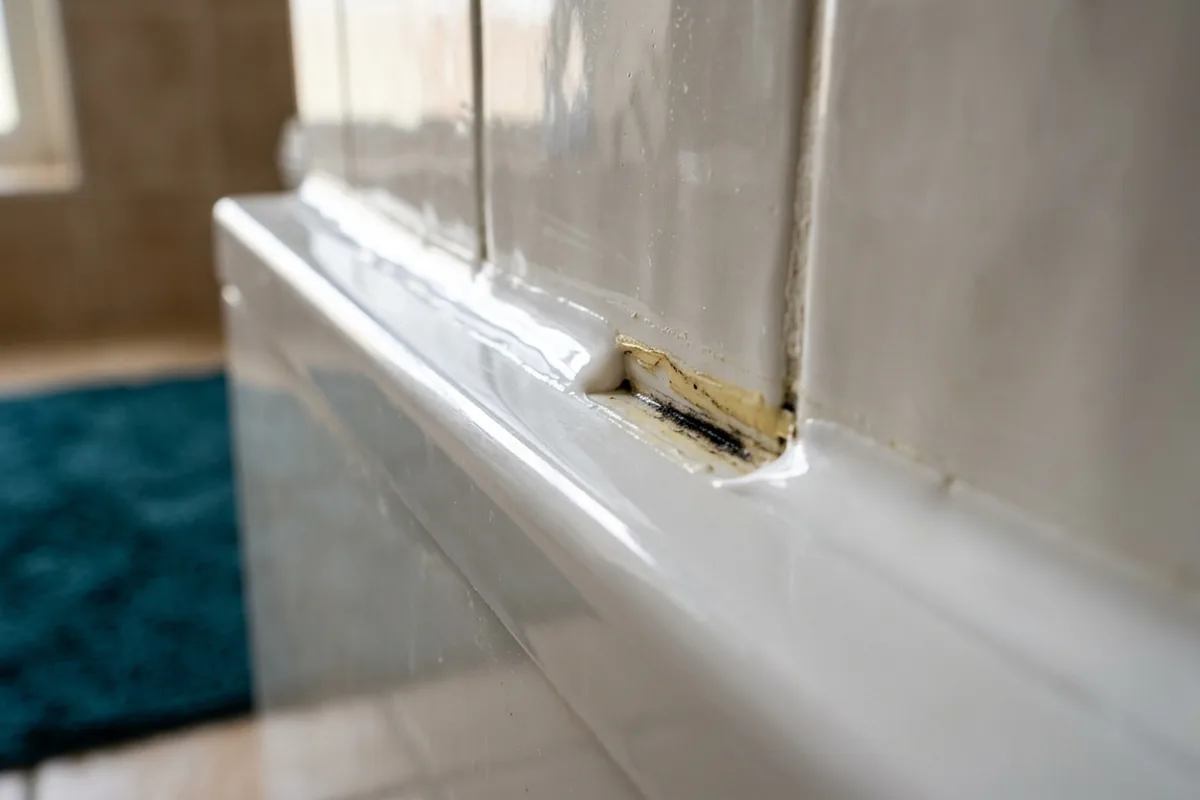
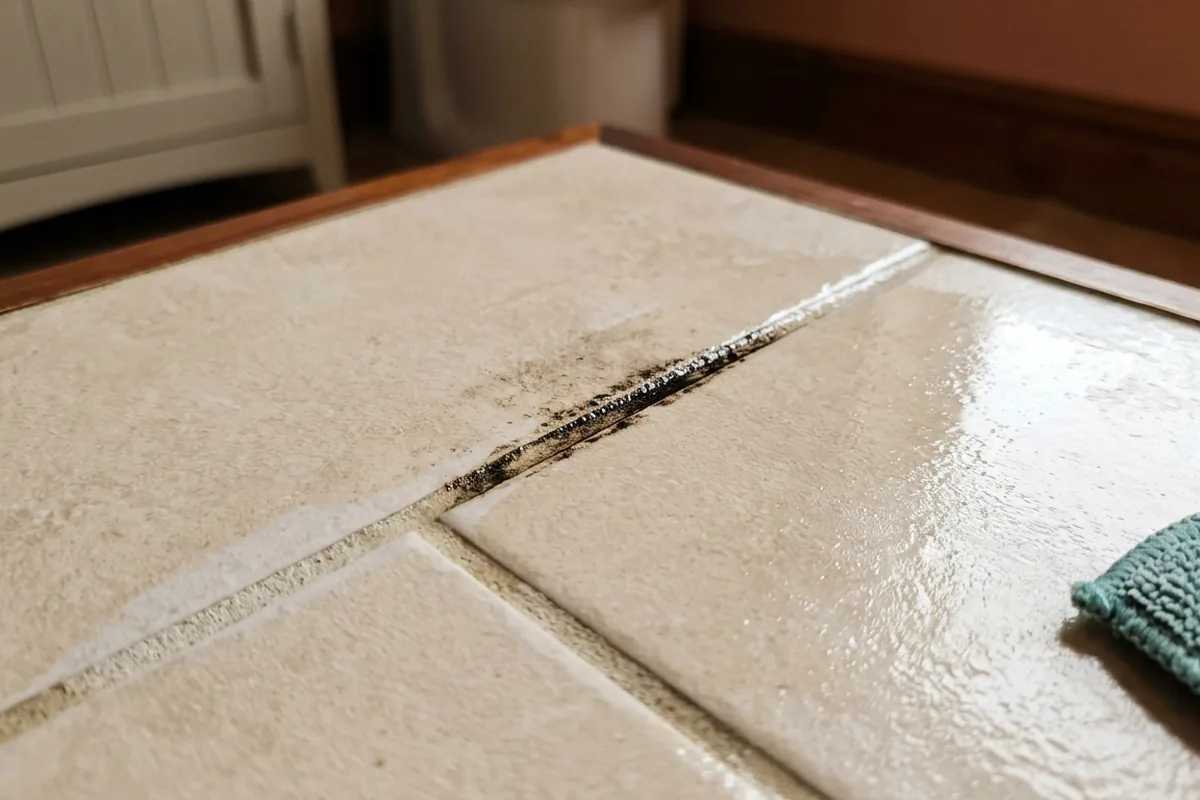
If you see any visible mould, use a mould spray or diluted disinfectant and good ventilation. Avoid dry-scrubbing mould, as spores can go airborne. If mould is widespread on walls, ceilings or skirting boards, that is more than a cupboard issue and you may need professional advice.
3. Let it air out properly
Leave cupboard doors and box lids open for a few hours, ideally all day, with a window open nearby. In a small flat with limited windows, even leaving doors open and running a fan can help move air.
4. Add something to absorb moisture and odour
Once dry, place one of the following inside before you repack:
- A small pot of bicarbonate of soda (replace every month or two)
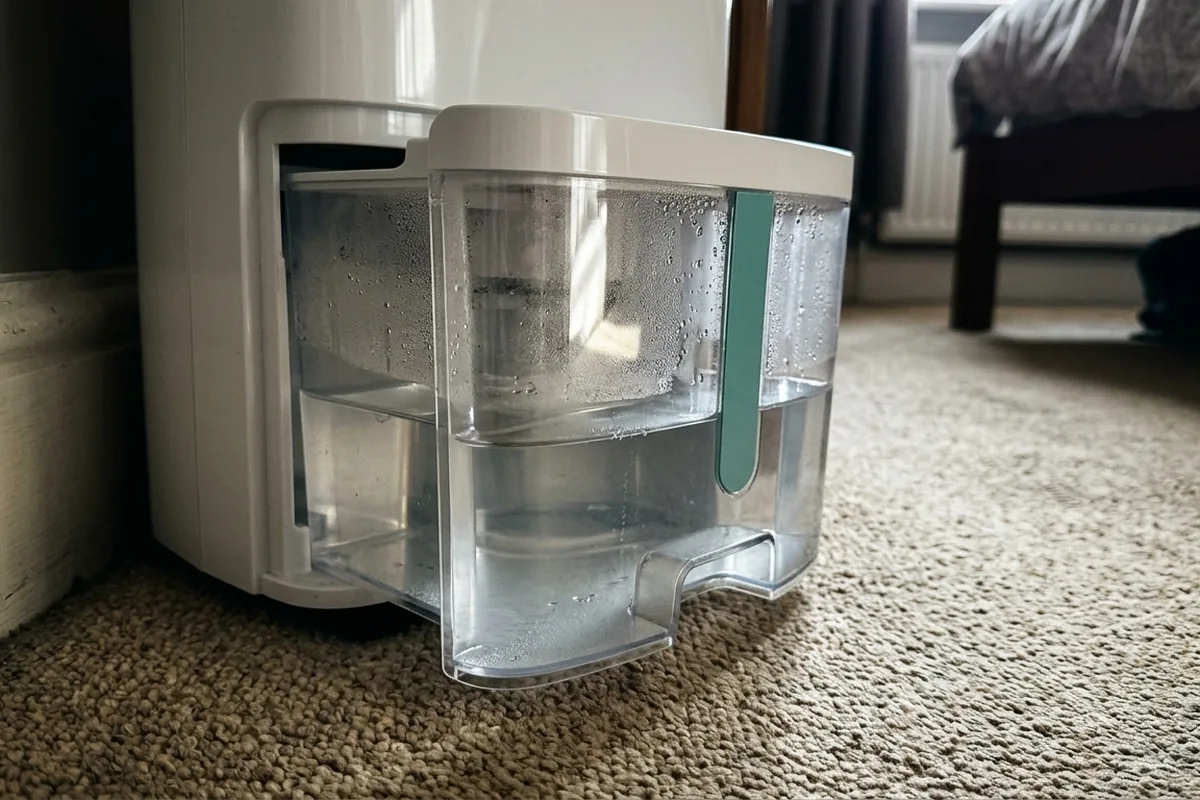
- Refillable moisture absorber / dehumidifier pot
- Silica gel bags (often sold for wardrobes and shoe storage)
These can help keep the air drier, but they will not fix a serious damp problem in the room itself.
5. Repack more loosely
Avoid stuffing boxes and cupboards to the brim. Leave small gaps so air can move, especially in under-stairs cupboards and airing cupboards packed with towels and bedding.
Why the smell keeps coming back in boxes and cupboards
If you clean and it smells fresh for a week, then the mustiness returns, there is usually an underlying moisture source. The pattern of where the smell is strongest can be useful.
| Where the smell is strongest | Likely cause | First check |
|---|---|---|
| Under-sink cupboard | Slow leak or condensation on pipes | Look for damp wood, drips, swollen chipboard |
| Bottom of built-in wardrobe | Cold external wall or floor | Feel wall/floor for cold damp patches |
| Plastic storage boxes in loft | Temperature swings causing condensation | Check for water droplets inside lids |
| Airing cupboard | Poor ventilation around hot water cylinder | Check for very humid air and tightly packed towels |
| Shed or garage boxes | General damp building and no airflow | Look for mould on walls, rusty tools |
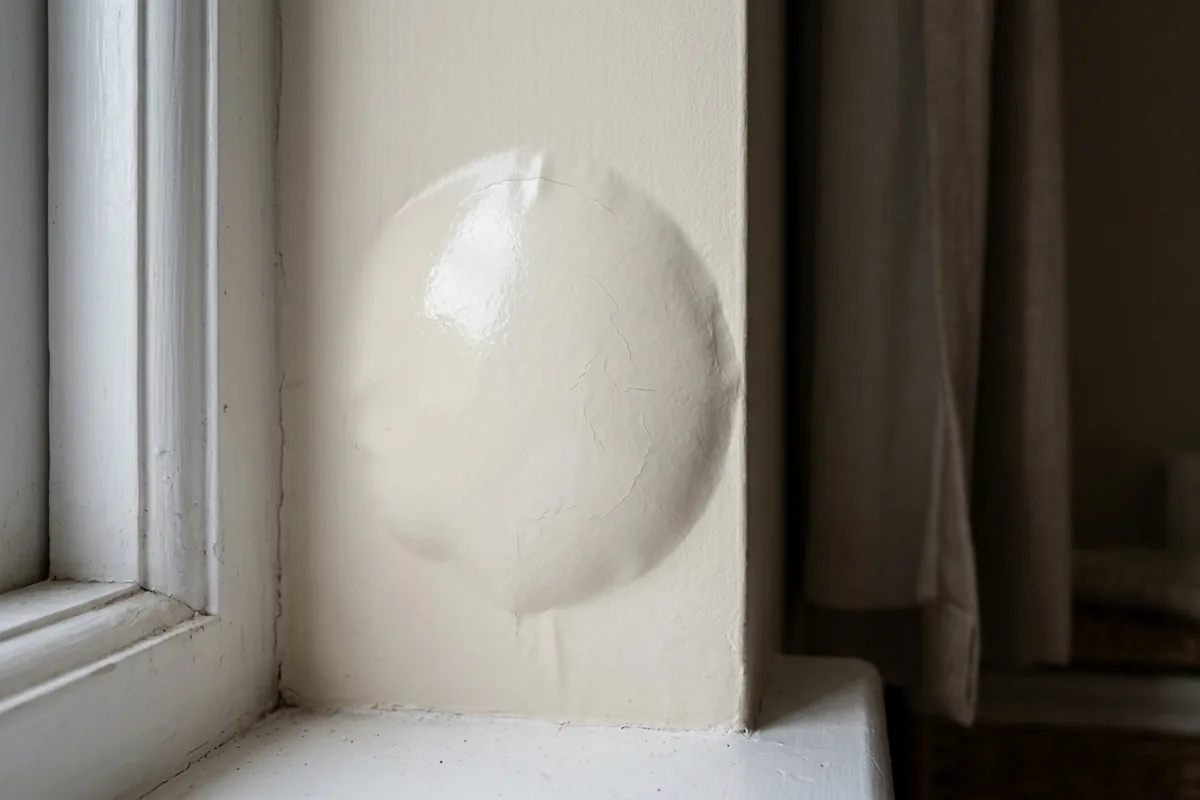
If you find damp patches, swollen chipboard or flaking paint, you are dealing with damp, not just a smell. In a rented flat or terraced house, it is worth documenting this and speaking to the landlord or managing agent, as it may be linked to leaks, poor ventilation or cold external walls.
For plastic storage boxes, especially in lofts and sheds, a common mistake is sealing up slightly damp items. Clothing or camping gear put away after a wet weekend can smell musty months later even if the box itself is clean. Anything soft going into long-term storage should be bone dry, freshly washed and fully cooled from the tumble dryer before it goes in.
Small changes that stop the musty smell returning
Once you have cleaned and aired everything, a few simple habits usually keep smells away.
If the cupboard has poor airflow
Cupboards against cold outside walls, under-stairs spaces and built-in wardrobes in older houses are classic problem spots.
- Create a bit of ventilation:
Fit small louvred vents in cupboard doors, or leave doors slightly ajar when you are at home. Even a 5 mm gap can help.
- Lift things off cold surfaces:
Use slatted shelves, bricks with a board on top or plastic risers so boxes are not sitting directly on a cold concrete floor.
- Avoid blocking air bricks:
In downstairs cupboards, do not push boxes tight against air bricks or ventilation grilles.
If the issue is in storage boxes
For long-term storage of clothes, bedding, shoes and paperwork:
- Use rigid plastic boxes with proper lids, not flimsy bags that trap moisture but tear easily.
- Add a few silica gel sachets or a small moisture absorber in each large box, especially in lofts, sheds and garages.
- Label boxes with the month/year packed; if you open one and it smells musty again, that is a sign the surrounding area is too damp.
When a DIY fix is not enough
There are limits to what cleaning and moisture absorbers can do.
Be cautious if:
- You see black mould spreading beyond a small patch, especially on bedroom walls, ceilings or around window boards.
- Skirting boards near the cupboard are soft, crumbling or stained.
- The room itself smells musty even with windows open.
These can point to a wider damp problem (penetrating damp, rising damp or serious condensation). At that point, it is safer to seek advice from a qualified damp specialist or, in rented housing, push the issue with your landlord rather than keep masking the smell.
Once you have done one good clear-out and dry-down, the key sign that you are winning is simple: opening the cupboard or box tomorrow should smell of nothing much at all. If the mustiness creeps back, use where it appears to guide you to the remaining source of moisture.