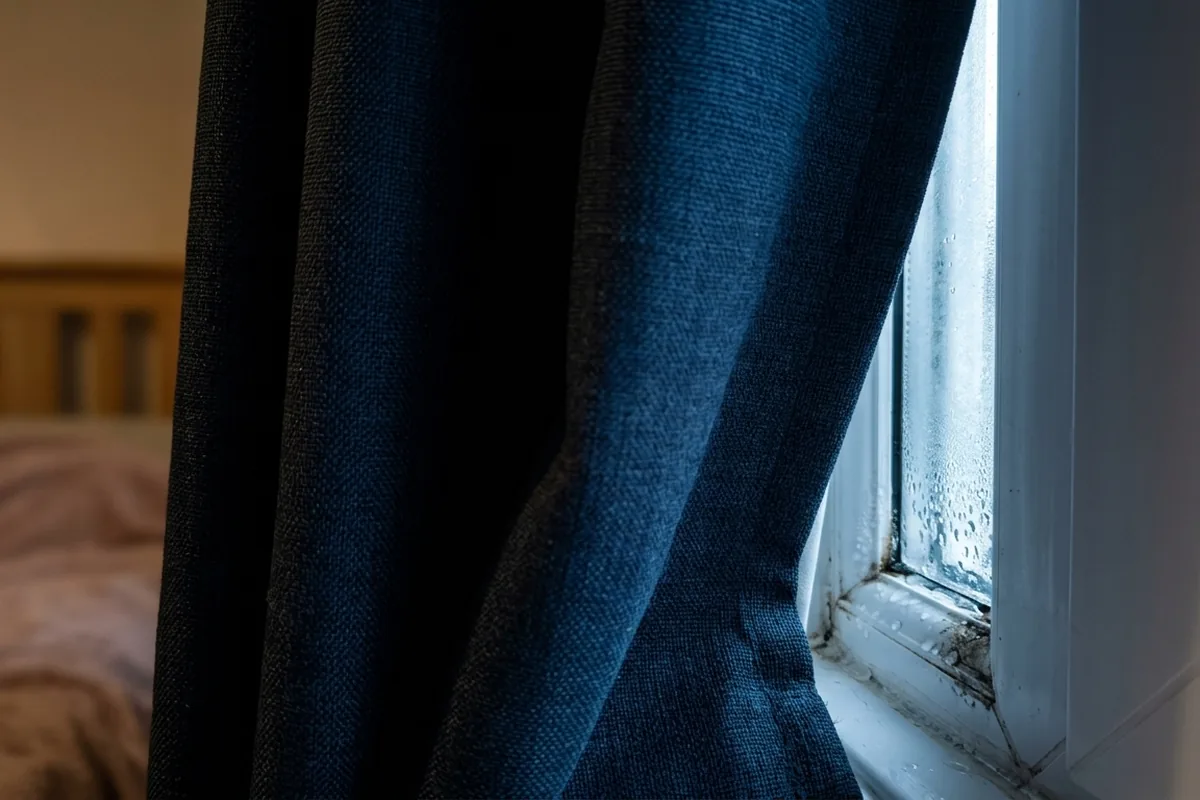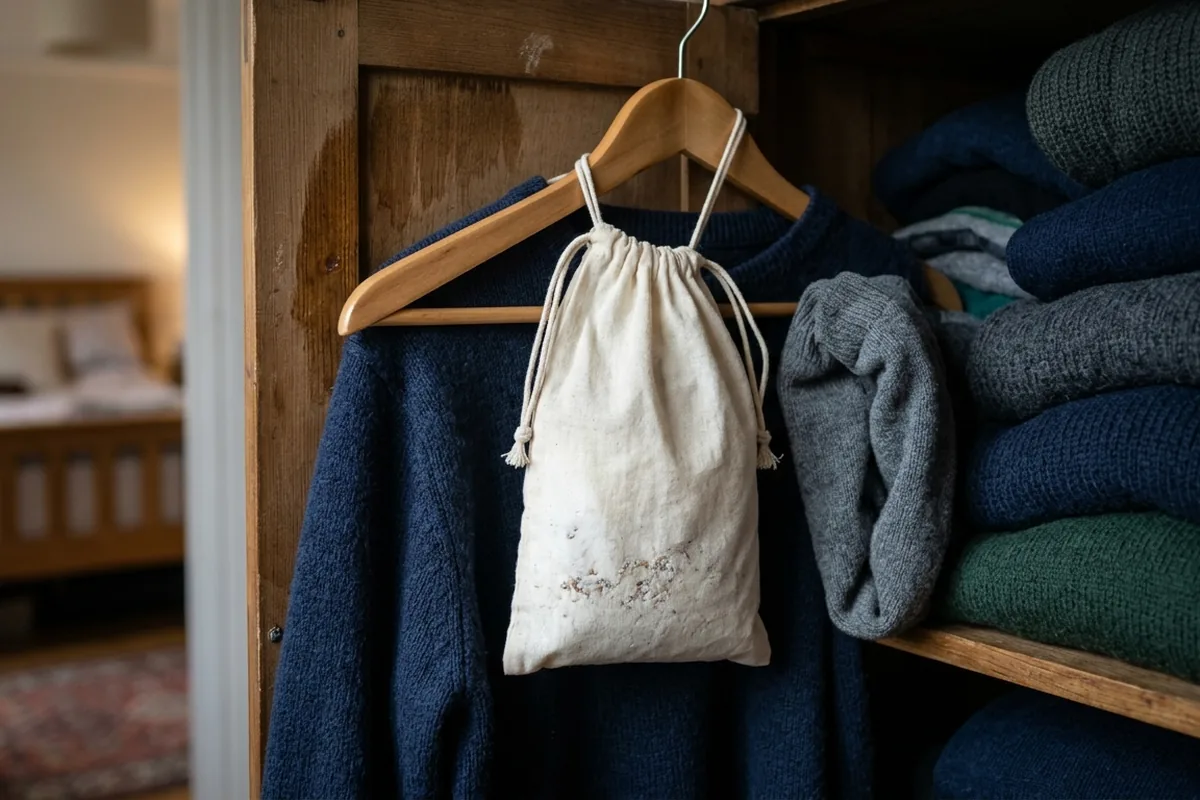
That faint musty hallway smell that appears after a downpour, even when the floor looks dry, is usually not your shoes or the dog. In many UK homes, it is your hallway walls acting like a sponge, pulling in moisture from outside or below and releasing old, trapped odours when the air turns damp. The paint and plaster can look fine, but hidden salts, old moisture and tiny mould colonies in or behind the wall are what you are actually smelling.
What that stale hallway smell is really telling you
Hallways are often narrow, poorly heated and right against an outside wall or over a chilly porch or cellar. After rain, those walls can become slightly cooler and damper than the rest of the house, even if they never feel obviously wet to the touch.
The key hidden reason is usually moisture moving through the wall, not just surface condensation. When brickwork, old plaster or blown plasterboard takes in water from:
- a slightly porous external wall
- a damp front step or path bridging the damp-proof course
- a leaking or blocked gutter above
- a damp floor slab or old timber suspended floor
it can slowly release a stale, earthy smell into the hallway whenever humidity rises after rain.
You often notice it more when:
- the front door has been shut for hours
- the heating is off or low
- shoes and coats are already adding a bit of background moisture
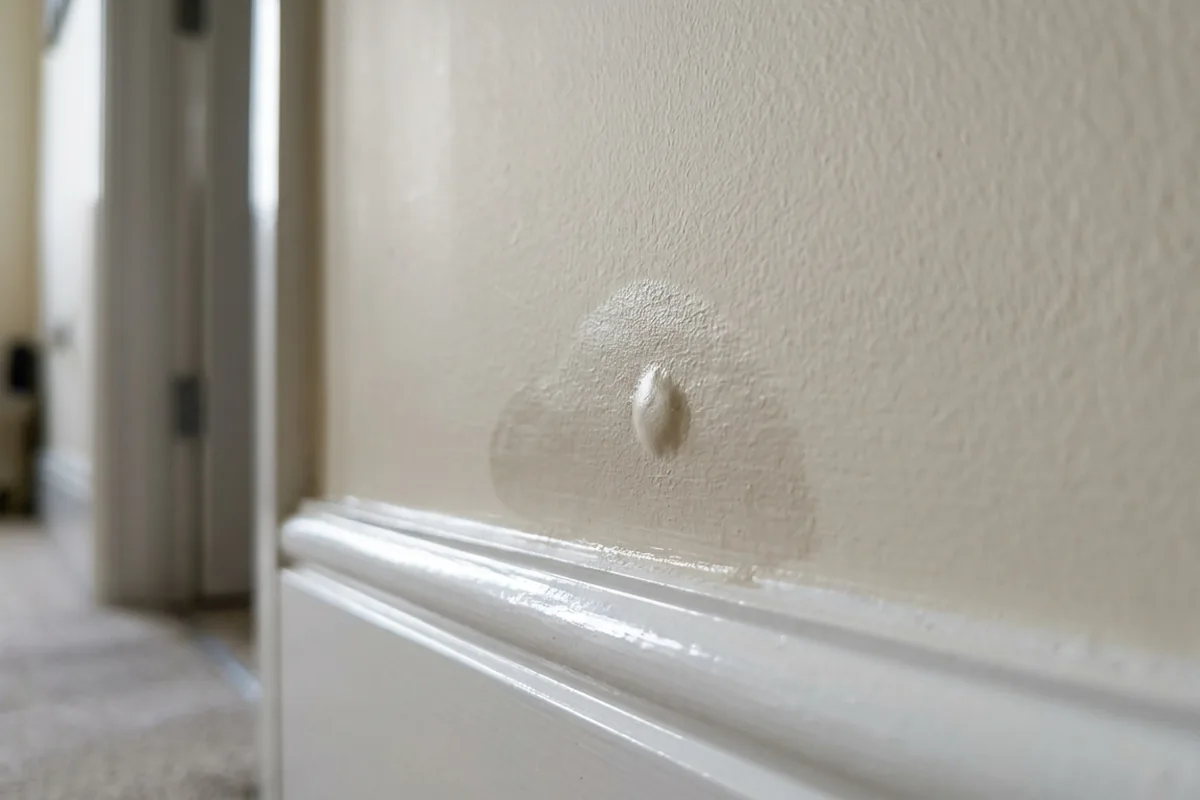
The wall might still look normal: no big wet patch, just perhaps slightly cold plaster, faint tide marks or paint that keeps flaking near the skirting board. The smell is your early warning that the wall is not drying properly between spells of wet weather.
Simple checks to confirm it is the walls, not just shoes or drains
Before you start repainting or buying dehumidifiers, it helps to narrow down where the odour is strongest. This avoids wasting time on the wrong fix.
Try this quick, low-effort set of checks over a rainy day or two:
1. Sniff-test the surfaces
When the smell is noticeable, put your nose close to:
- the wall at nose height
- the wall just above the skirting board
- the shoes/boot rack
- the doormat
- the front door frame and threshold
If the smell is clearly stronger right against the wall, especially low down, that points to moisture in the wall or floor, not just muddy trainers.
2. Feel for cold or clammy spots
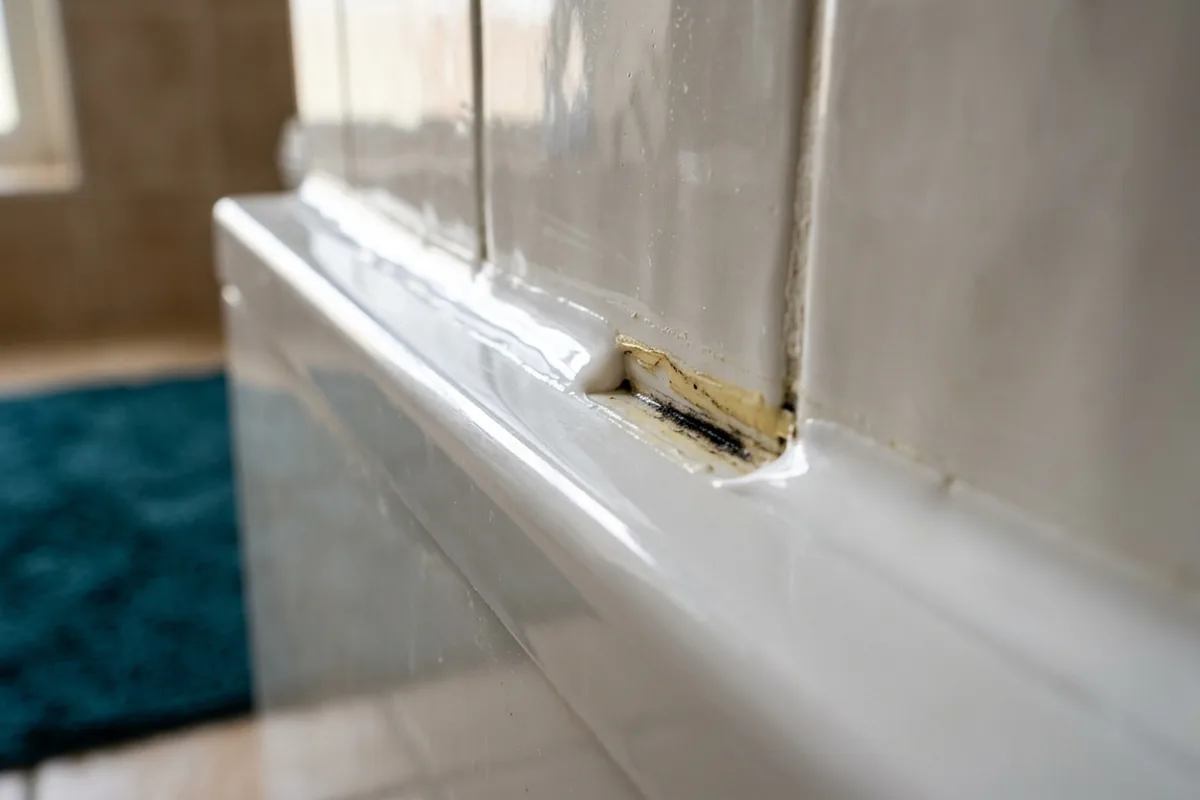
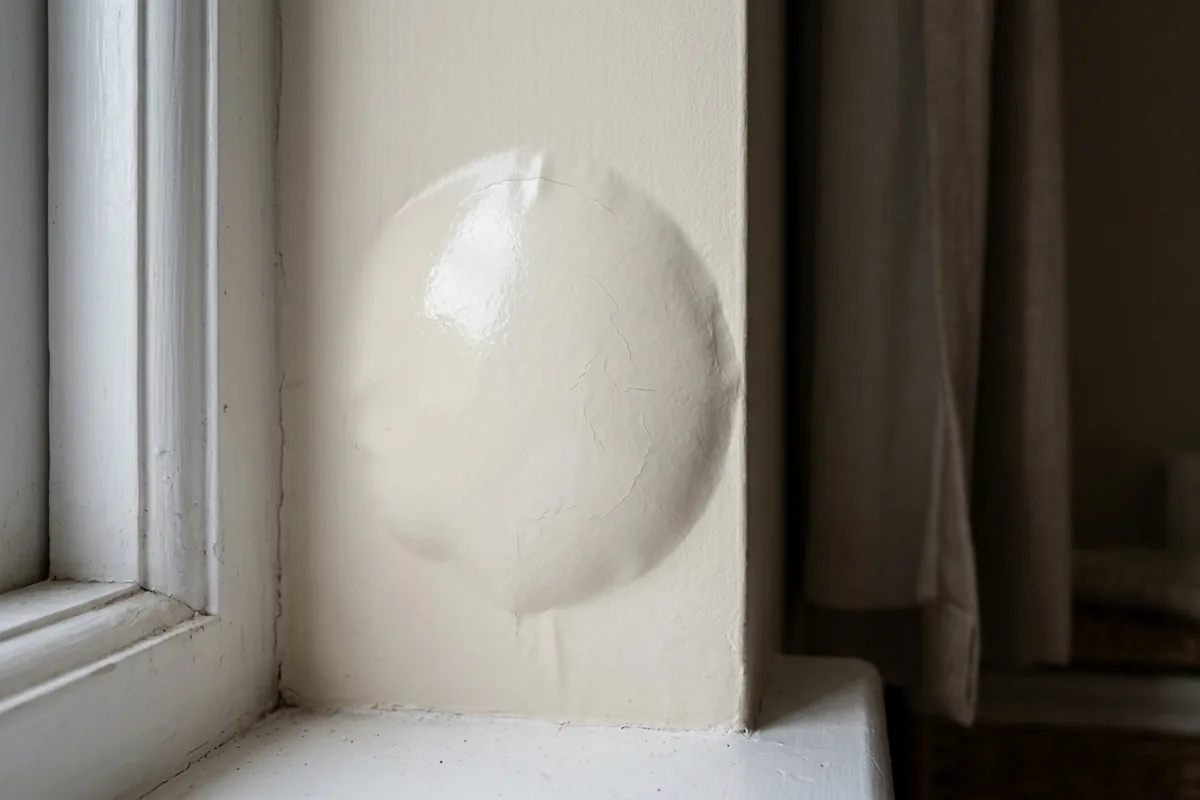
With clean, dry hands, feel along the wall in a few places. A patch that feels colder or slightly clammy compared with the rest of the wall is often where moisture is sitting inside. Check the skirting boards too: any swelling, rippling paint or crumbling edges are small damp clues.
3. Look just after heavy rain
When rain has been hitting that side of the house, step outside and look up and down:
- Are gutters overflowing or dripping on one area of wall?
- Is there green algae, moss or dark staining on the brickwork in one band?
- Is the external ground level or path almost as high as the internal floor?
Anything that keeps the external wall or base of the wall wet will feed that stale smell indoors.
4. Check airflow in the hallway
Hallways in terraced houses and small flats often have no radiator, no window and a tightly sealed uPVC door. In that case, even a small amount of wall moisture makes the air feel stale because there is nowhere for it to go.
If, after these checks, the smell is clearly tied to certain wall sections and worse after rain, you are most likely dealing with a damp-related odour, not simple dirt or everyday household smells.
What you can safely do yourself – and the limits
You cannot cure serious damp with air freshener or another coat of paint, but you can reduce the smell and stop it getting worse while you work out how bad the problem is.
Focus on three things: drying, airflow and not trapping moisture.
Improve drying and airflow
- Keep the hallway slightly warmed
A cold hallway encourages moisture to sit in the walls. If possible, keep a nearby radiator on low in wet spells, or leave doors to warmer rooms ajar so some warmth drifts through.
- Give the moisture somewhere to go
Open the front door for a few minutes when it is not pouring, or crack a nearby window to create a gentle through-draught. Even short bursts of fresh air can cut that heavy smell.
- Avoid blocking the wall
Move coat hooks, shoe cupboards and tall units a little away from the suspect wall. A packed coat rack on a cold external wall traps damp air and makes the smell worse.
Clean surfaces without sealing in the problem
You can freshen the surface, but be careful not to trap moisture behind new finishes.
- Wipe painted walls and skirting with a mild detergent solution (a small squirt of washing-up liquid in warm water) and a microfibre cloth. This removes surface grime that can hold odours.
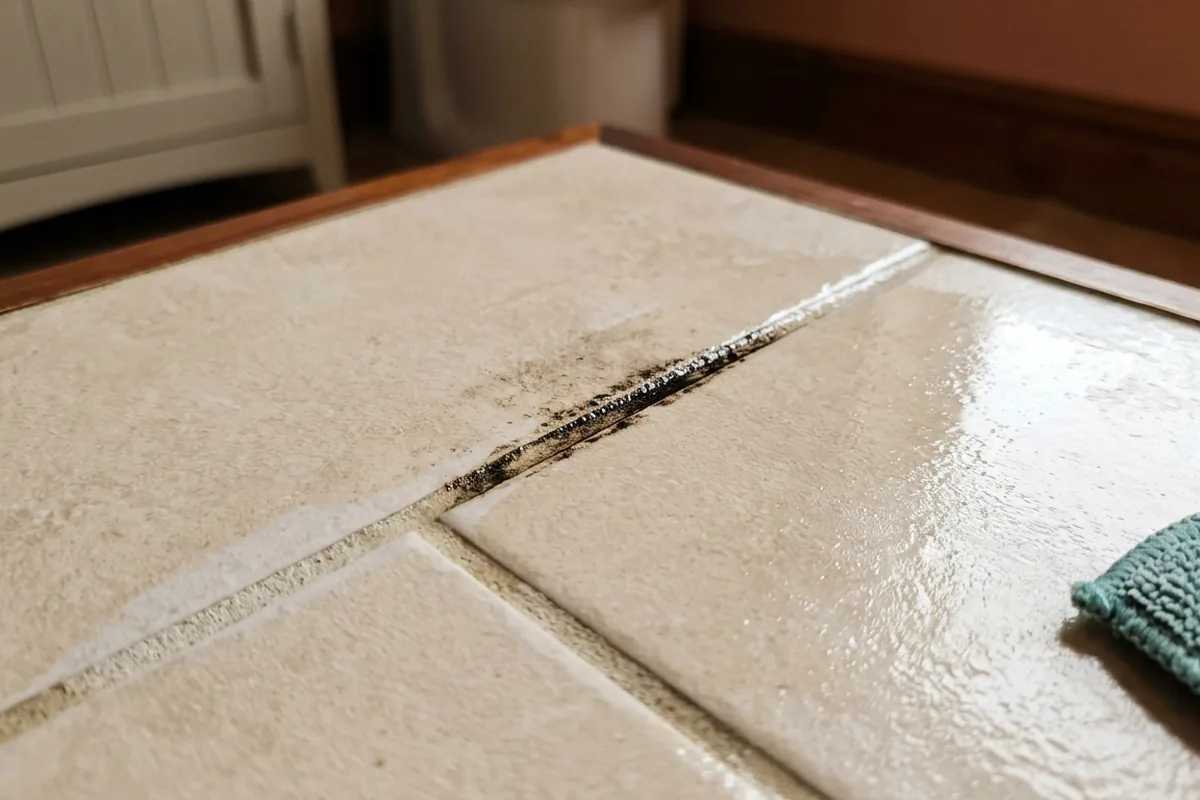
- For light mould speckling, use a proprietary mould remover or diluted household bleach, following the label, with gloves and good ventilation. Do not scrub so hard that you damage plaster.
- Do not repaint immediately with vinyl or “washable” paint if the wall still feels cold or the smell returns quickly after rain. These paints can act like cling film on a damp wall and may make the odour worse in the long run.
Use dehumidifiers and absorbents as helpers, not cures
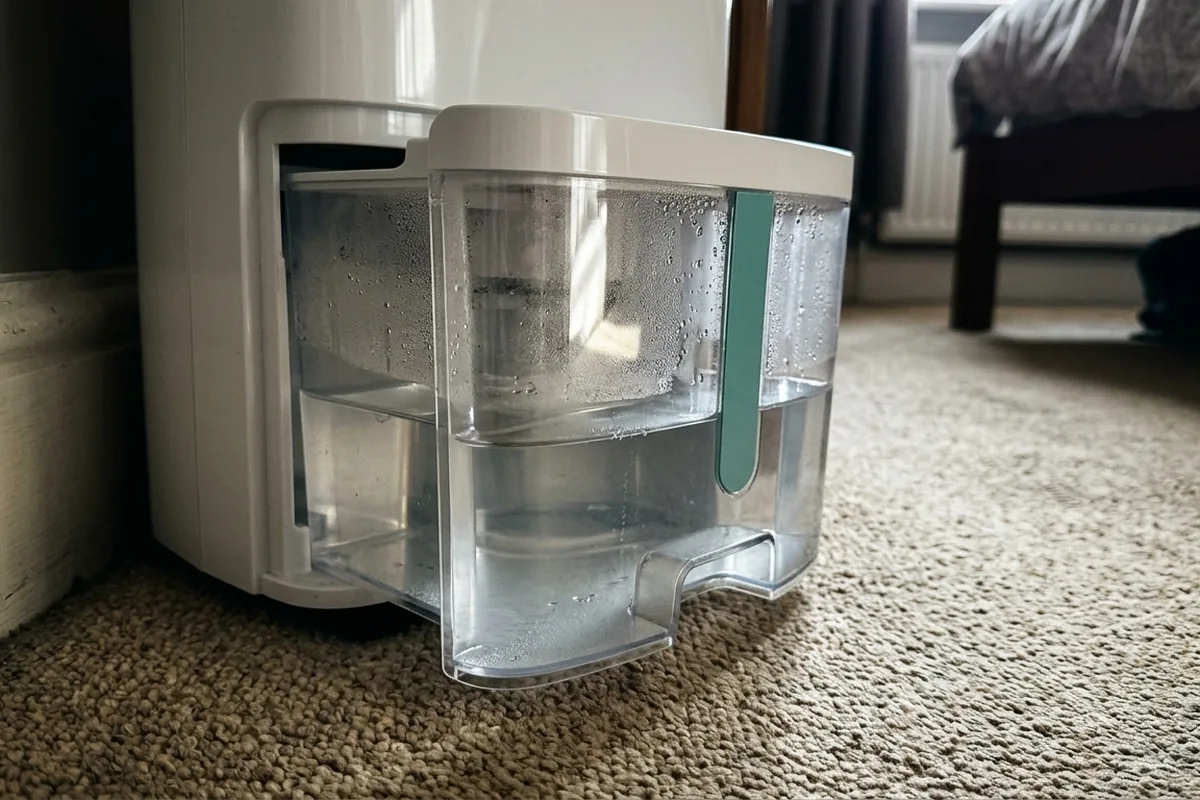
A small desiccant dehumidifier or moisture absorber pot in a narrow, unheated hallway can noticeably reduce the stale smell after rain by pulling excess moisture out of the air. Just keep in mind:
- They help symptoms, but they do not stop water getting into the wall.
- If the collection tank fills very quickly, that is another sign you have a real moisture source to investigate.
If the smell is strong, there is visible mould over more than a small patch, or the plaster feels soft and crumbly, it is safer to treat this as a damp issue that may need professional assessment, especially in older properties or if anyone in the home has breathing problems.
A practical way to judge progress is simple: after a few wet days with better airflow and gentle warmth, the hallway should smell noticeably fresher. If the stale odour is still there every time it rains, the source of moisture is still active and worth tackling properly rather than masking.