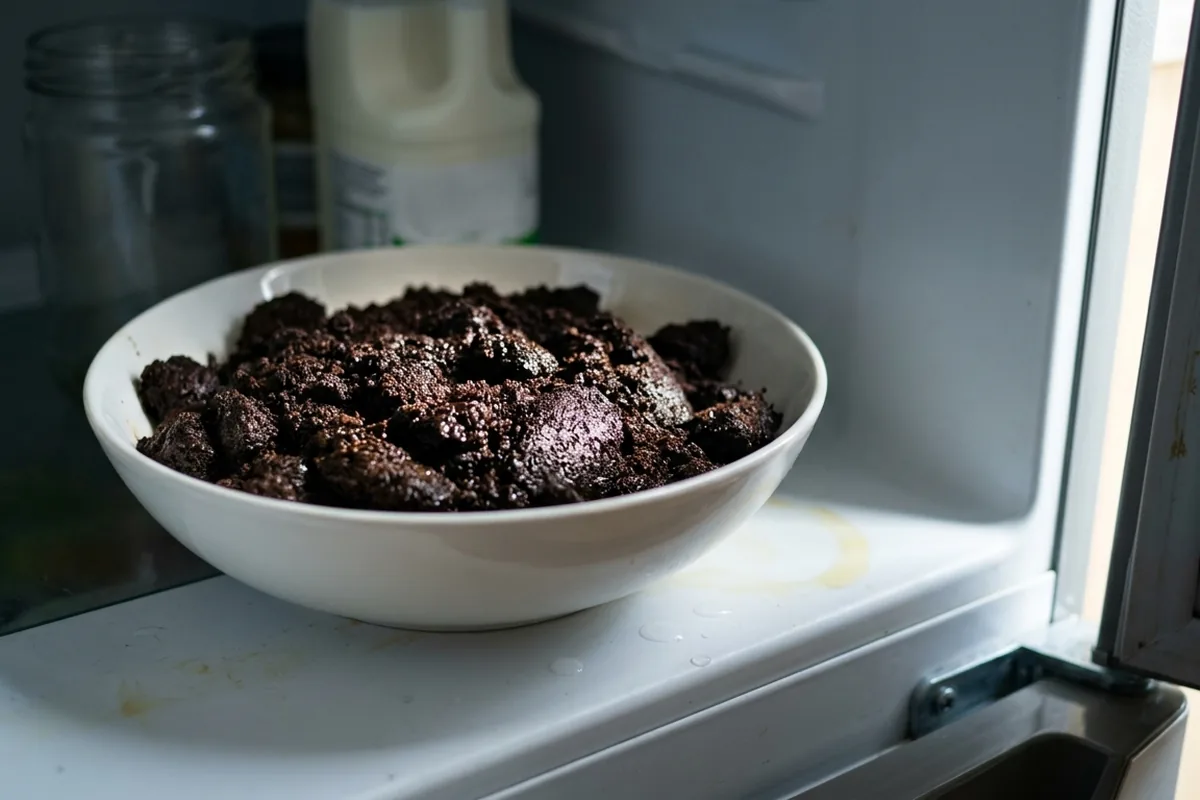
That whiff when you open the fridge door – a mix of onion, last night’s curry and something you can’t quite place – is usually what sends people looking for quick odour hacks. One of the most common is putting a bowl of used coffee grounds on a shelf. It can help, but only in a limited, short-term way, and it will not fix a dirty or failing fridge.
Coffee grounds can absorb and mask light food smells in a reasonably clean fridge for a few days. They work a bit like bicarbonate of soda, but weaker and shorter-lived. If there is spilt milk, mouldy food, a blocked drain hole or a dead fridge, coffee grounds will do almost nothing. In those cases you need cleaning and sometimes a check of the appliance, not a bowl of coffee.
What coffee grounds in the fridge actually do
Coffee grounds contain porous organic material that can trap some odour molecules. At the same time, they release their own strong coffee smell, which partly covers up lingering food odours.
In a normal family fridge – say with a bit of cheese smell, yesterday’s leftovers and some open veg – a shallow dish of dry, used grounds can:
- slightly reduce general “fridgey” odour
- make the air smell more like coffee than onion or fish
- help after a proper clean, as a finishing touch
They are most useful:
- after you’ve emptied and wiped the fridge with mild soapy water
- once obvious culprits like gone-off food, spilt liquids and sticky jars are dealt with
- in smaller fridges, such as in a rented flat or a small under-counter model, where smells build up quickly
For this to work at all, the grounds need to be dry or almost dry. Fresh, wet grounds will just go mouldy and add a new problem.
Where the coffee trick fails and what to do instead
Coffee grounds are often treated as a magic fix for any bad fridge smell. That is where the disappointment starts. If the odour is strong or sour, you usually have a specific source that needs tackling.
Common situations where coffee grounds will not solve it:
- Rotten food or spills: If there’s a leaking pack of meat, old salad sludge in the bottom drawer or a milk spill under a glass shelf, you must remove it and clean thoroughly. Coffee will only sit on the shelf smelling nice while the real source keeps going.
- Persistent sour or cheesy smell: Often from spills that have run into seams, under the salad drawers or into the drain channel at the back. You may need to pull drawers out and wipe right into the corners with warm water and washing-up liquid. A cotton bud or small brush can help with the drain channel.
- Mouldy or musty odour: Check the door seals, the plastic trim around shelves and the drain hole. If you can see black or green mould, clean it carefully with a mild disinfectant or a cleaner suitable for fridges. Coffee grounds will not remove mould or spores.
- Electrical or “hot plastic” smell: This is not a cleaning issue. Switch the appliance off at the wall and get it checked by a qualified appliance engineer. Do not rely on any odour absorber in this case.
If you want something longer-lasting than coffee but still simple, a small open tub of bicarbonate of soda near the back of a shelf usually does a better job of absorbing odours over a few weeks. Just keep it away from children and pets and replace it regularly.
How to use coffee grounds safely and sensibly
Used properly, coffee grounds can be a cheap, short-term odour helper rather than a main solution.
Basic way to try it:
1. Let the used grounds cool, then spread them out on a plate or tray to dry for a few hours.
2. Once mostly dry, place a shallow bowl or ramekin of grounds on a middle shelf.
3. Leave for 2–3 days, then check the smell. Replace the grounds after about a week, or sooner if they look damp or clumpy.
A few practical points:
- Avoid damp clumps: Wet grounds in a cold fridge can grow mould, especially around the edges of the bowl. If you see any fuzz or discolouration, bin them straight away and wash the dish.
- Keep them away from uncovered food: Coffee can transfer some aroma to open butter, cream or uncovered dairy. Keep the bowl towards the back, away from things that easily pick up flavours.
- Do not use as compost straight from the fridge: If you want to put the used grounds on the garden afterwards, let them warm up and dry a little first so they don’t compact into a slimy layer on the soil.
If the smell returns strongly within a day or two, that usually means there is still a source you have not found. At that point it is worth:
- pulling out the salad drawers and checking underneath
- wiping the door seals and the plastic folds around them
- checking the small drain hole at the back of the fridge for blockages
If, after a proper clean and a few days of coffee grounds or bicarbonate of soda, the fridge still smells odd, think about whether the appliance is very old, not keeping temperature properly or frosting up at the back. A failing fridge can let food spoil faster, and no odour hack will compensate for that.
Used this way, coffee grounds are best seen as a finishing touch after cleaning, not a shortcut. If the smell keeps coming back, the job is not to add more coffee, but to track down the spill, mould or failing part that is causing it.