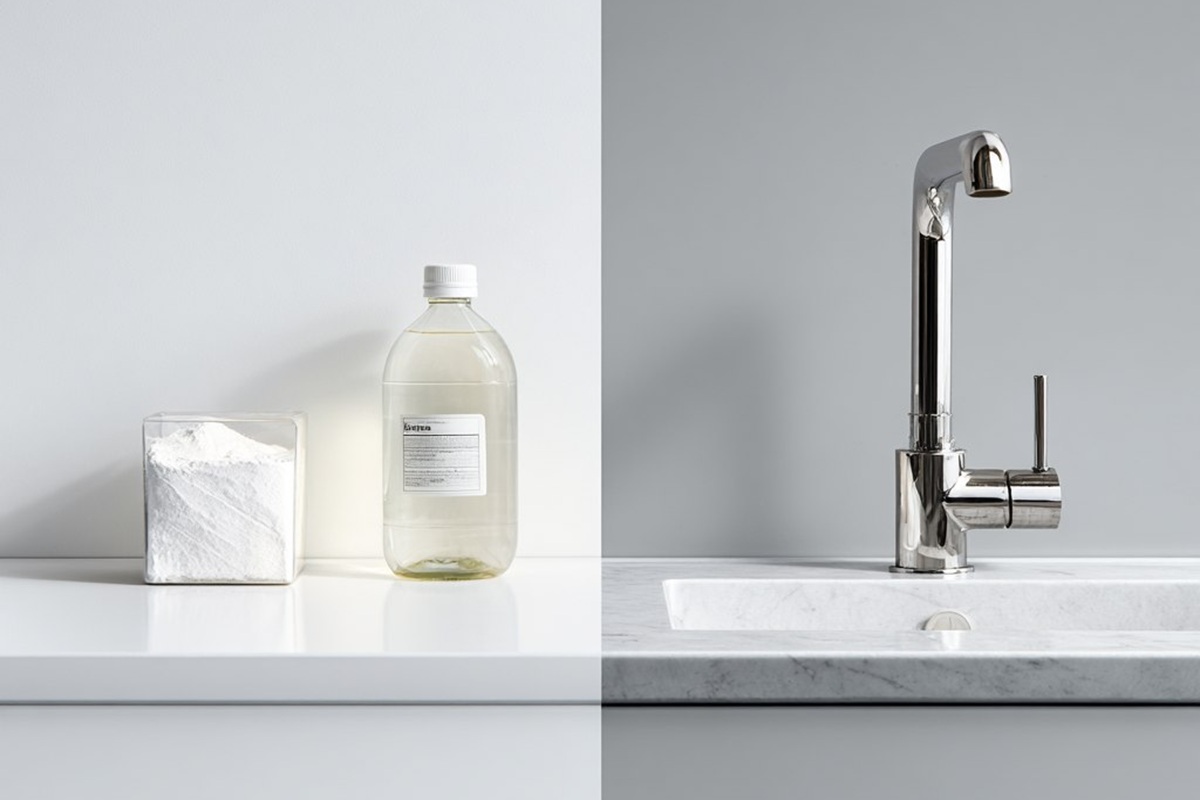
That fizzing volcano in the sink looks satisfying: a glug of vinegar, a spoon of bicarbonate of soda and a rush of bubbles that feels like it must be scrubbing everything clean. In reality, it is mostly a bit of kitchen chemistry theatre. Vinegar is an acid, bicarbonate is an alkali; when they react, they largely cancel each other out and you are left with salty water and carbon dioxide gas. So the mix can help loosen light grime in some spots, but it is not a powerful cleaner, not a proper drain unblocker and not the best choice for limescale or greasy ovens.
Used separately, each ingredient can be handy. Mixed together, they are often weaker than either one on its own and, in the wrong place, can even make cleaning slower or messier.
What really happens when you mix vinegar and bicarbonate of soda
When you pour vinegar onto bicarbonate of soda, the fizz is the acid neutralising the alkali. That reaction is over in seconds. Once the bubbles stop, there is almost no active cleaning chemical left: just mildly salty water.
That means the popular “miracle” uses are often overstated:
- Blocked drains: the fizz may shift a bit of loose soap scum at the mouth of a plughole, but it will not clear a proper blockage in the pipework. You are better off with very hot (not boiling) water and washing-up liquid for grease, a plunger or a proper drain cleaner used according to the label. Never mix vinegar and bicarbonate of soda with bleach in the pipe, as bleach and acids should not be combined.
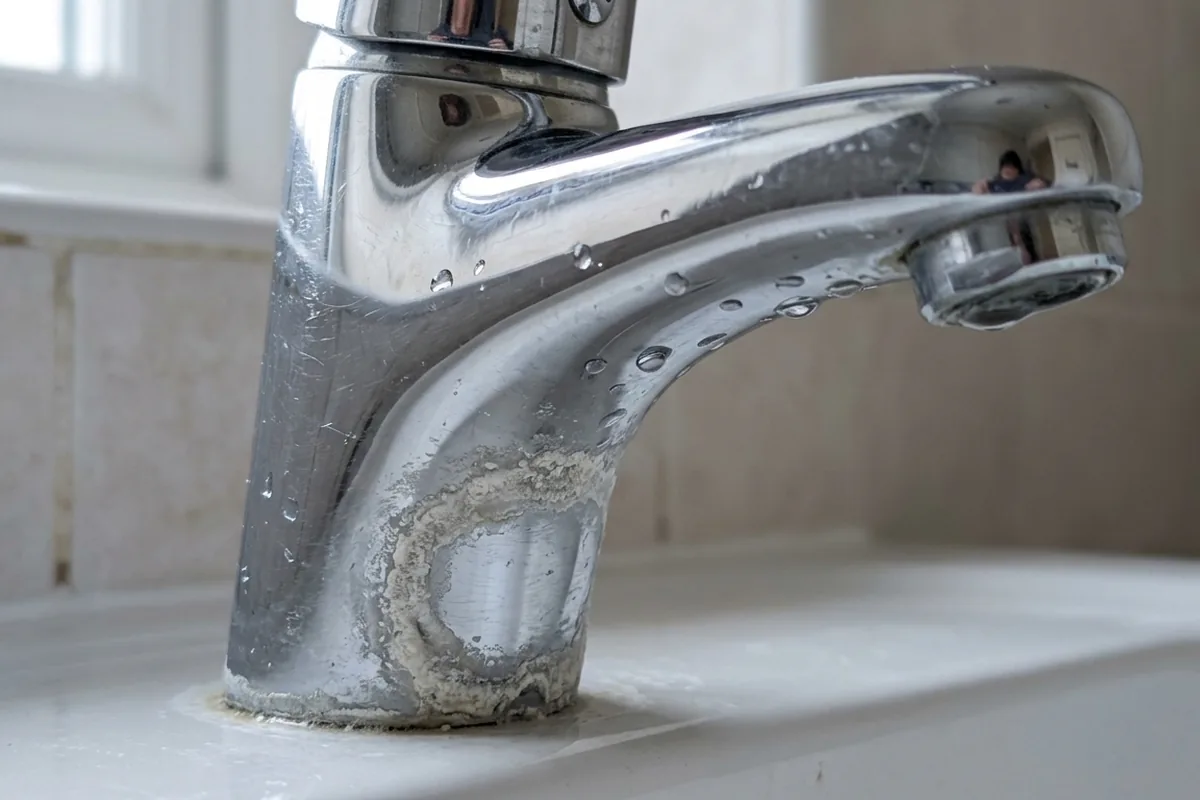
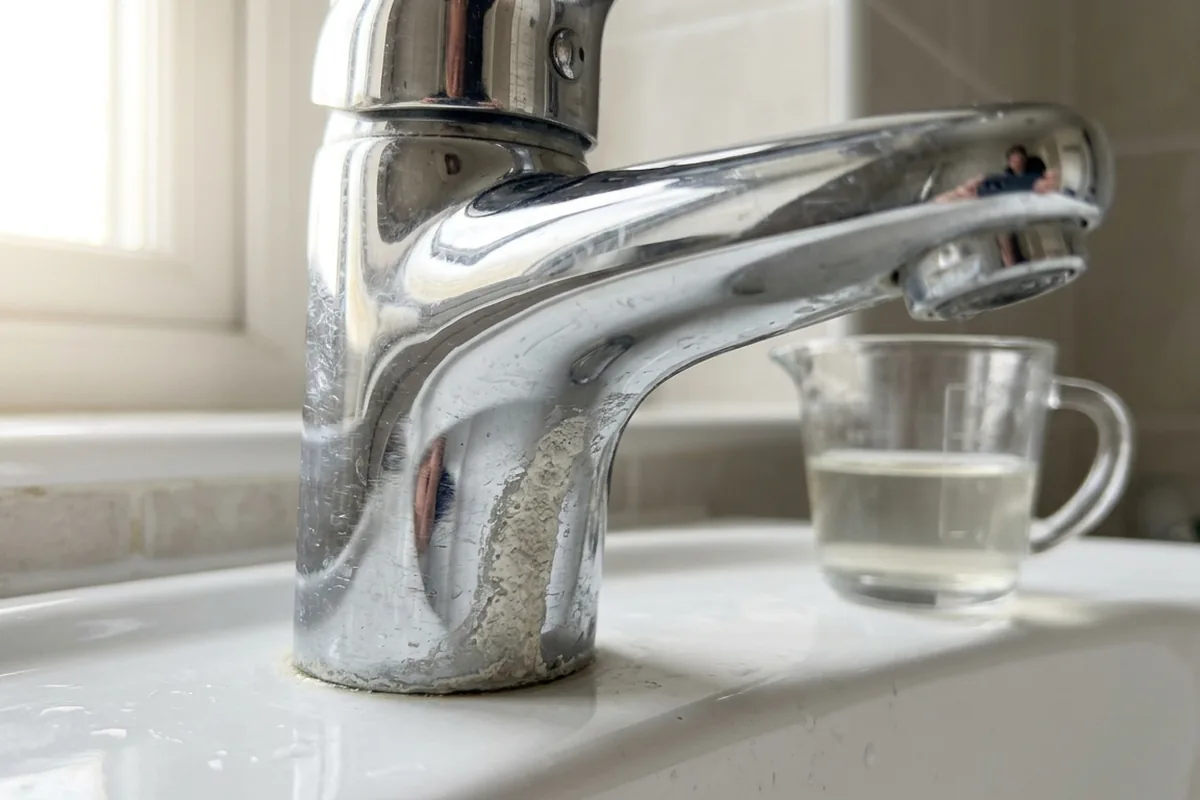
- Heavy limescale on taps and shower heads: vinegar alone can dissolve light limescale if it is left in contact, for example on a cloth wrapped round a crusty tap. Mixing in bicarbonate of soda reduces the acidity that does the work. You end up scrubbing more for less result.
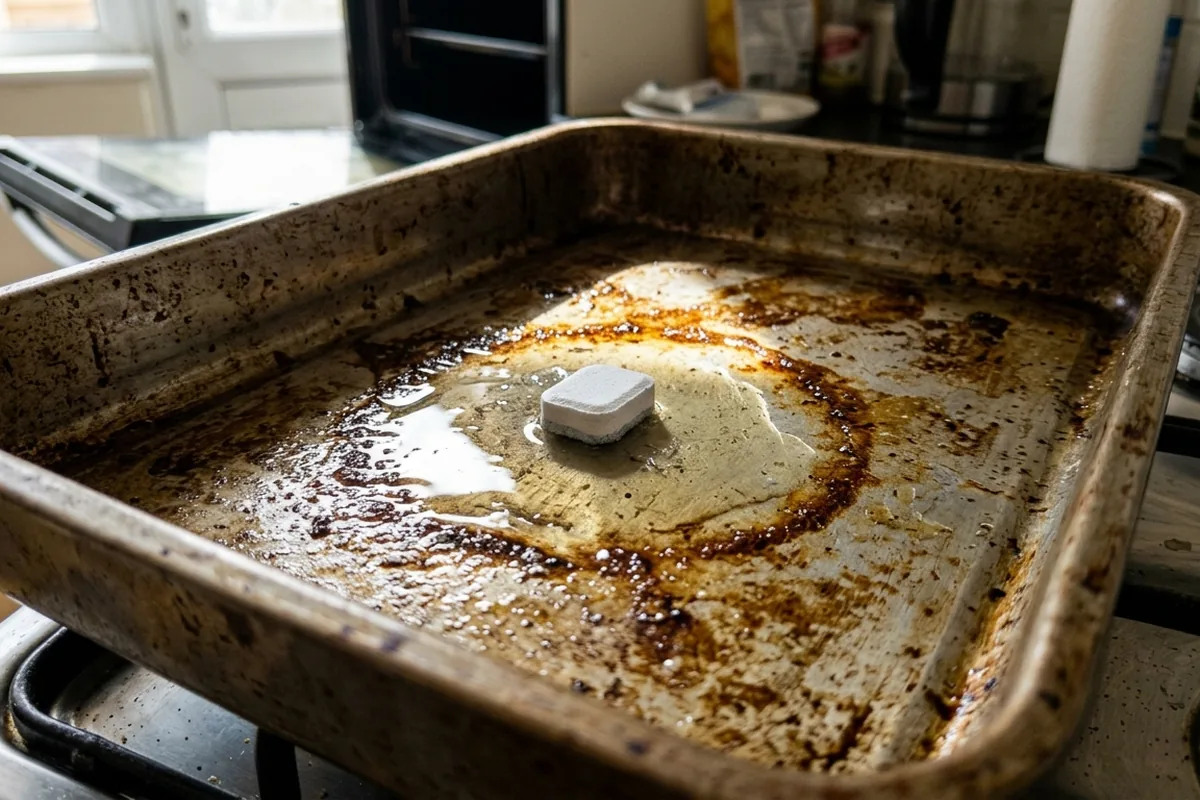
- Oven cleaning: bicarbonate of soda paste (with a bit of water and a drop of washing-up liquid) can help soften baked-on grease if left overnight. If you then douse it in vinegar, you just create foam and wash away the abrasive paste before it has finished working.
The fizz can help lift crumbs and light grime off a flat surface like a stainless-steel sink, but it is the physical bubbling and your scrubbing that do the work, not some super-strong homemade chemical.
Where each ingredient is useful on its own – and where to avoid it
Used separately and in the right place, both vinegar and bicarbonate of soda can earn a spot under the kitchen sink. The trick is knowing when to use which, and when to leave them in the cupboard.
Vinegar (white cleaning vinegar is best) can help with:
- Light limescale on glass shower screens and taps
- Soap scum on tiles
- Fresh deodorising in the washing machine (empty hot cycle)
But you should avoid vinegar on:
- Natural stone worktops or tiles (like marble or limestone)
- Some man‑made stone and concrete-effect surfaces
- Damaged grout and some rubber seals, where repeated acid can weaken them
Bicarbonate of soda is most useful as:
- A mild abrasive paste for stainless-steel sinks, oven doors (glass only) and inside fridges
- A gentle deodoriser in the fridge or a musty airing cupboard
- A light scouring powder on ceramic sinks and around plugholes
It is less useful where:
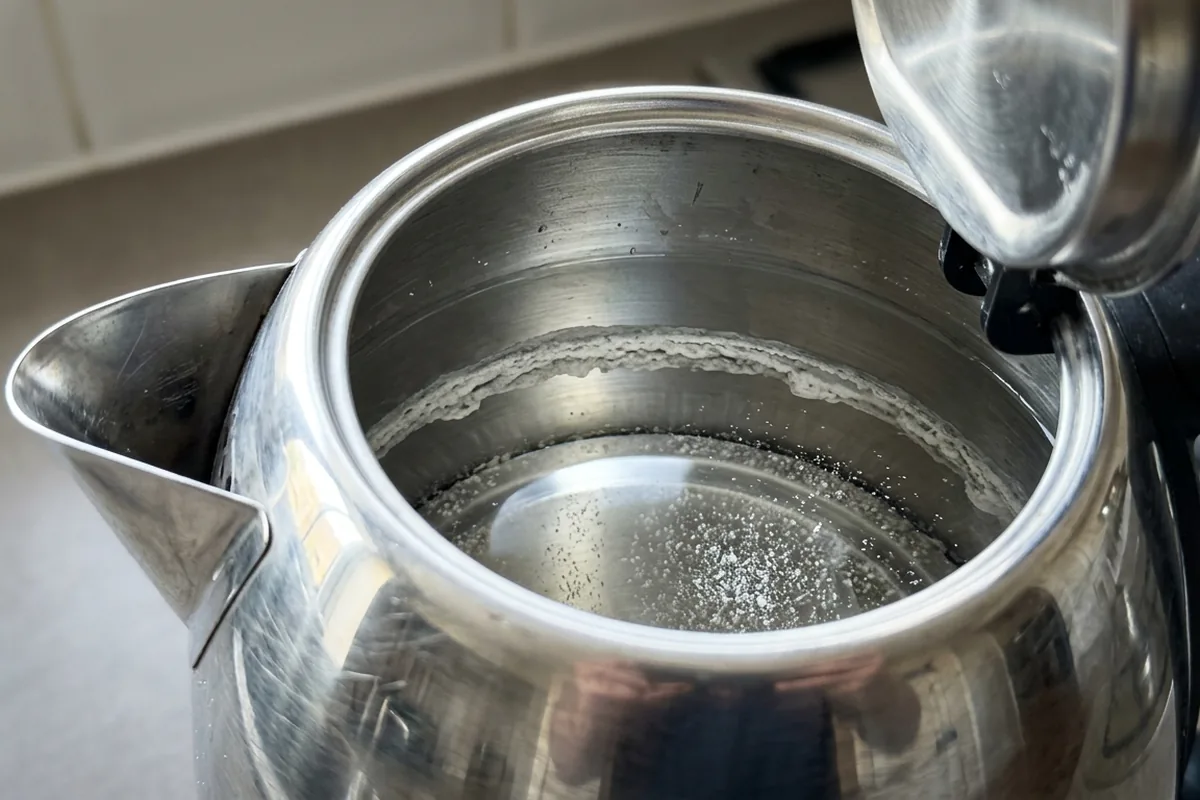
- You are dealing with limescale, which needs acid, not alkali
- A smooth, shiny finish scratches easily (some plastics, gloss paint, delicate coatings)
- You need to properly disinfect, for example mouldy silicone sealant or a grim shower tray; bicarbonate of soda is not a disinfectant
If you like the fizzing trick, use it as a pre-rinse in a stainless-steel sink or for cleaning a smelly plughole guard, then follow up with a normal cleaner that actually tackles the main problem: limescale, grease or bacteria.
Better simple options for common UK cleaning jobs
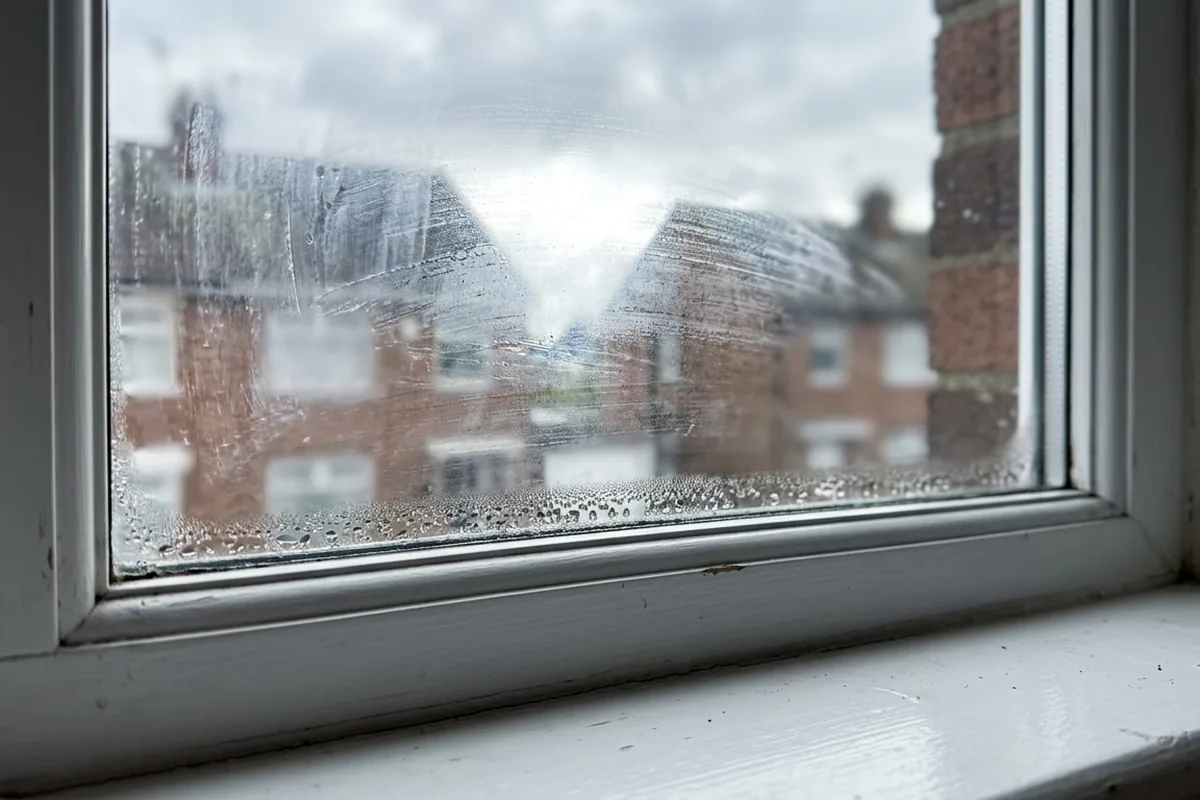
In a typical UK home – small bathroom, condensation on bedroom windows, a bit of limescale on the loo and the shower, a slightly greasy oven – there are often simpler, more effective options than the vinegar-and-bicarb combo.
For everyday jobs, these usually work better:
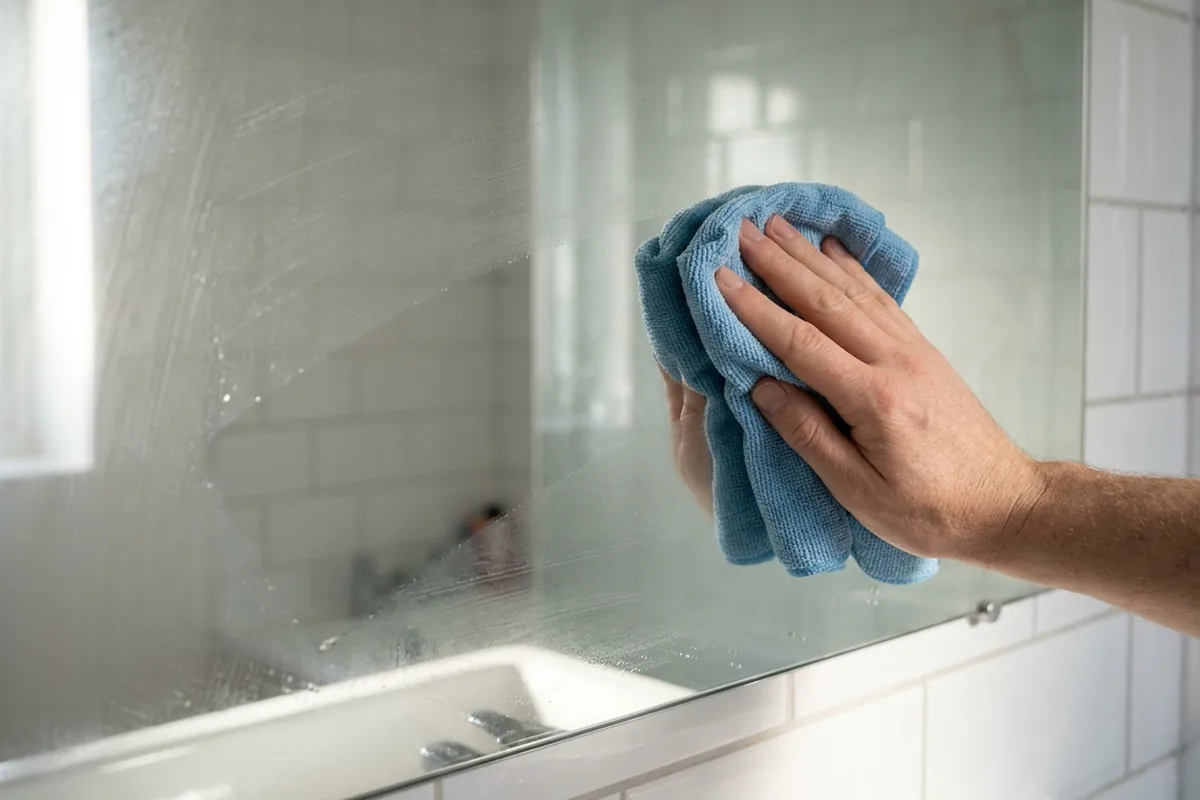
- Limescale on taps and shower heads: use vinegar alone on a microfibre cloth or in a small bag tied round the shower head, keeping it off any natural stone. Rinse well and do not leave it soaking all day on plated finishes.
- Greasy oven and hob: a bicarbonate of soda paste with a tiny bit of washing-up liquid, left to sit, then wiped away, is decent for light build-up. For a really dirty oven, a proper oven cleaner from somewhere like B&Q or the supermarket will usually save you a lot of scrubbing. Ventilate the kitchen and follow the label.
- Musty washing machine smell: clean the drawer, door seal and filter first, then run an empty hot cycle with either a specialist machine cleaner or a cup of white vinegar only. Mixing in bicarbonate of soda at the same time just neutralises both.
- Slow-draining bathroom sink: clear visible hair from the plug, flush with hot water and washing-up liquid, then use a plunger. If that fails, a labelled drain unblocker is more realistic than vinegar and bicarbonate of soda fizzing in the top of the waste.
For many of these jobs, the best “hack” is not a clever mixture at all, but giving one suitable cleaner time to work, using the right cloth or brush, and rinsing properly.
If you like home-made solutions, keep vinegar and bicarbonate of soda as two separate tools with clear roles, rather than a one-size-fits-all mix. If a problem keeps coming back – black mould on a window board, a drain that repeatedly blocks, strong odours – the cause usually needs tackling at source, not just another round of fizz.