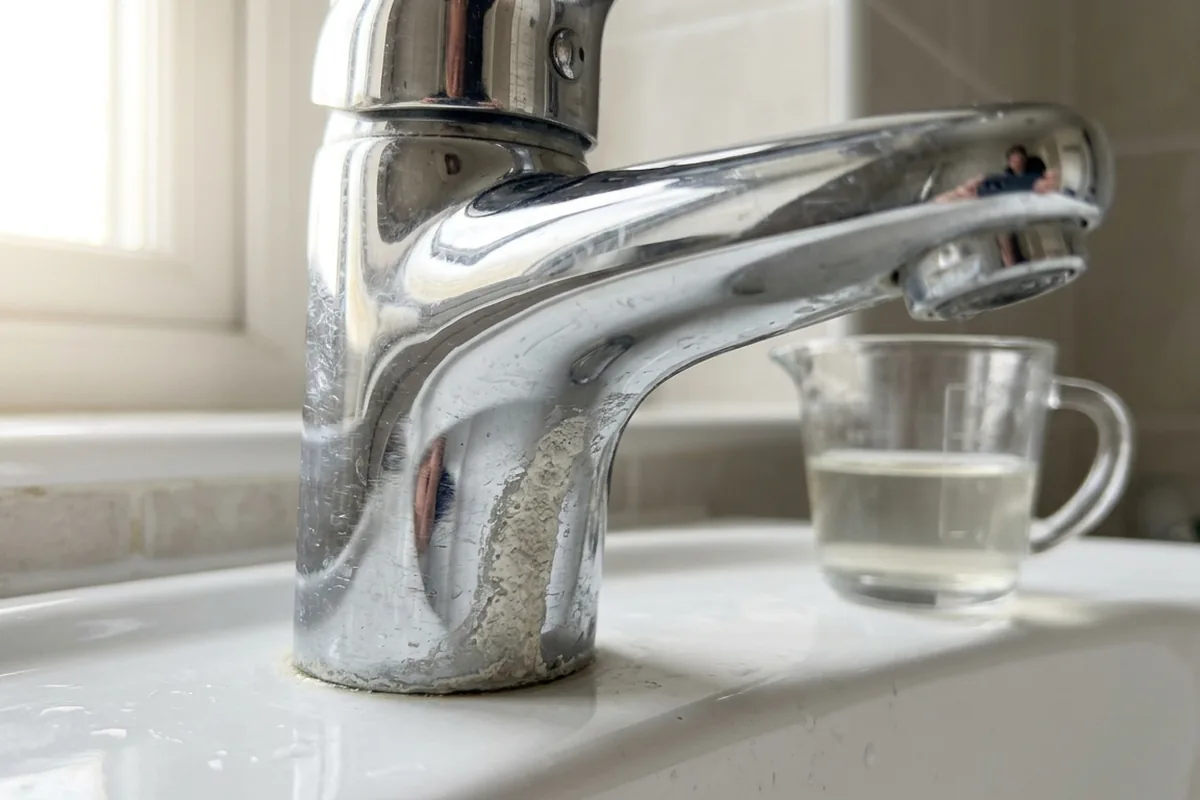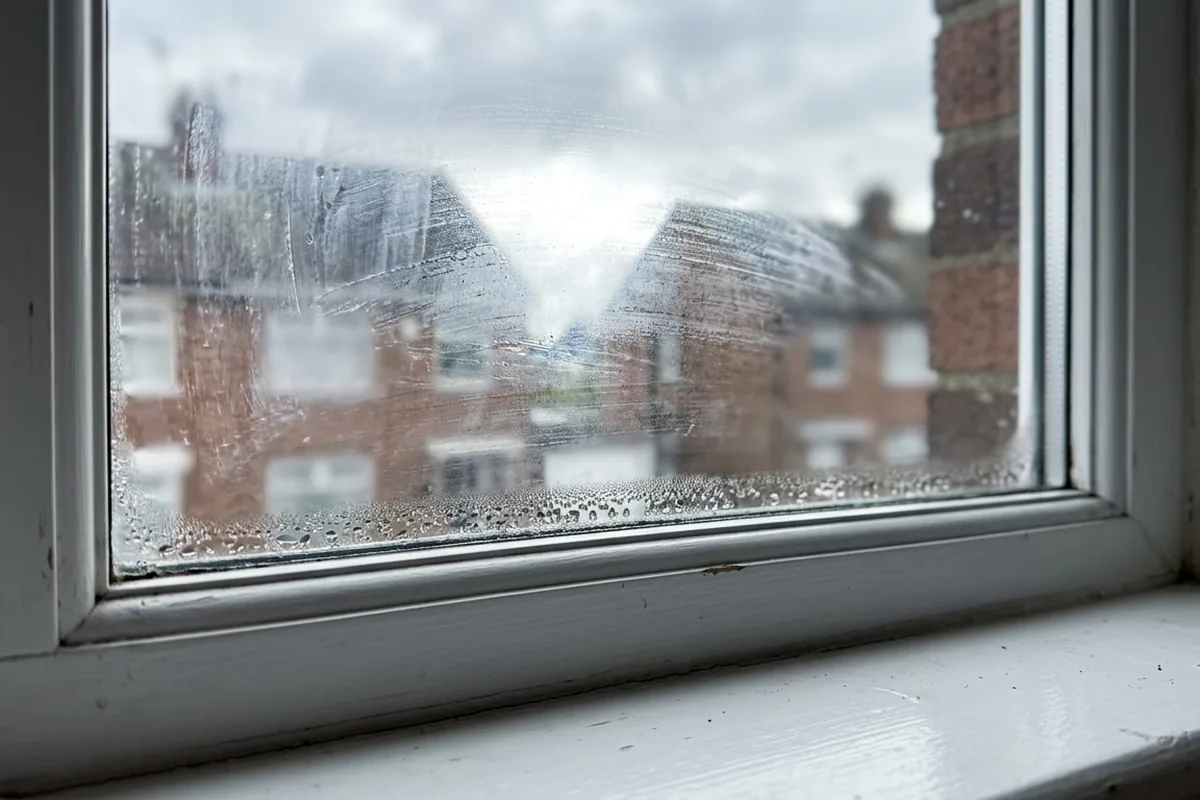
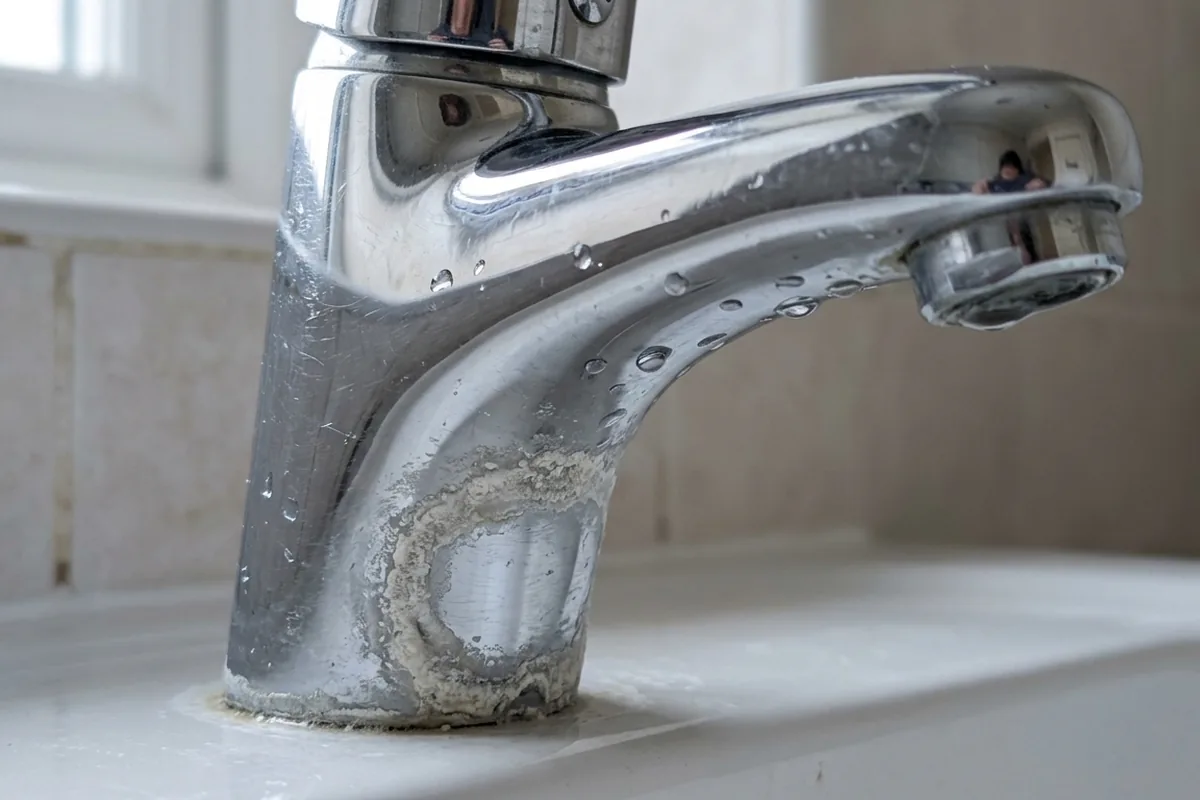
That white crust on taps that reappears days after you have just scrubbed it off is usually not a cleaning failure at all. It is a sign of hard water constantly drying on the metal. If your water is rich in calcium and magnesium, every splash that dries on your bathroom or kitchen tap leaves behind a tiny ring of limescale. Unless you change how the water sits and dries on the tap, or treat the water itself, the limescale will always come back quickly, no matter how good the cleaner is.
The fast fix is to descale properly, then stop water sitting on the tap: dry it after use, fix any drips and avoid leaving splashes to evaporate. Longer term, a softener or in-line scale reducer can cut how much forms in the first place, but they are not essential in every home.
Why limescale returns so quickly after cleaning
If your taps in a small bathroom or kitchen in a UK hard-water area (most of the South and East) scale up again within a week, it is usually down to three things working together.
First, hard water plus evaporation: every time you wash your hands, water beads on and around the tap. As it dries, the dissolved minerals stay behind as chalky deposits. If the tap is warm from hot water, that drying happens even faster.
Second, cleaners often only remove the surface. A quick wipe with vinegar or a limescale spray may clear the visible crust but leave a thin film and stubborn build-up around the base, aerator and joints. That rough surface then grabs fresh minerals more easily, so it looks as if the scale has “come back” when it is really just growing on what was left behind.
Third, constant damp around the base of the tap: a slow drip, splashes trapped against the silicone sealant or a flat area where water pools on the sink or basin. If the area never fully dries, limescale forms in layers.
So the real reason it keeps returning is: ongoing hard water exposure plus incomplete removal plus water that is allowed to sit and dry.
Small changes that actually slow limescale down
You cannot change your local water at the tap, but you can change how it behaves on the surface. These are the simple habits that make the biggest difference.
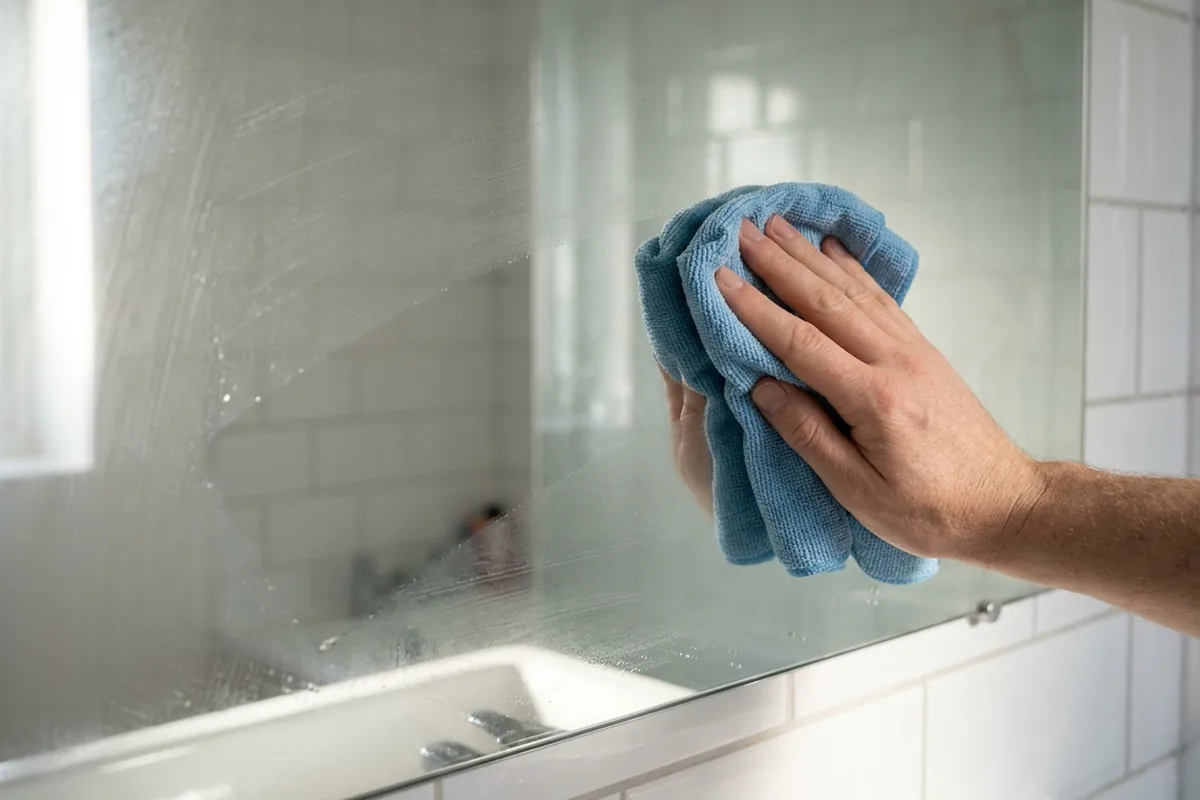
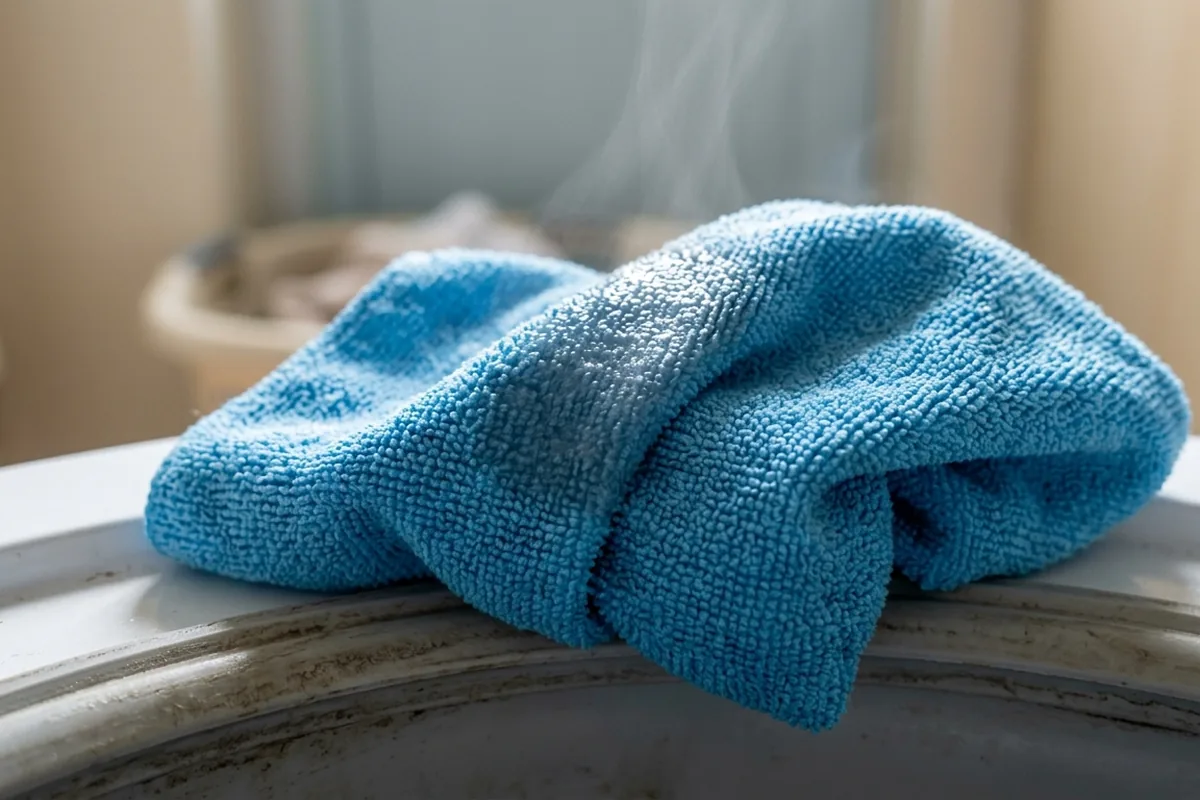
Drying is more powerful than most people think. Once you have descaled the taps properly, a quick wipe with a microfibre cloth after the last use at night can halve the amount of scale that forms.
A short routine that helps in many homes:
- After evening use, wipe taps and the area around the base dry.
- Fix obvious drips: if the tap does not quite shut off, that constant drip will leave a heavy ring of scale.
- Check the aerator (the little mesh at the spout): if it is crusted, soak it in white vinegar or a descaler, rinse and refit so the flow is smooth, not spraying everywhere.
- Avoid leaving glasses, toothbrush mugs or soap dishes so close that water constantly runs or splashes around the tap base.
For cleaning itself, mild acidic products work well on limescale:
- White vinegar or citric acid solutions are effective on most chrome taps.
- Dedicated limescale sprays (from a supermarket or somewhere like B&Q) can be quicker if you prefer ready-made products.
A few safety and surface checks:
- Do not use vinegar or strong acids on natural stone (marble, limestone) or some composite sinks: they can etch or dull the surface.
- Do not mix vinegar with bleach; it gives off dangerous fumes.
- On plated or older taps, do a small test patch first and do not leave descaler sitting for longer than the label says.
If you descale thoroughly once, then bring in the “wipe it dry” habit, you should see the gap between visible limescale build-up stretch from days to weeks.
When it is worth thinking beyond cleaning
Sometimes the speed of limescale build-up is telling you something else about the system rather than your cleaning.
If you are in a very hard water area
In parts of the UK with very hard water, you may see:
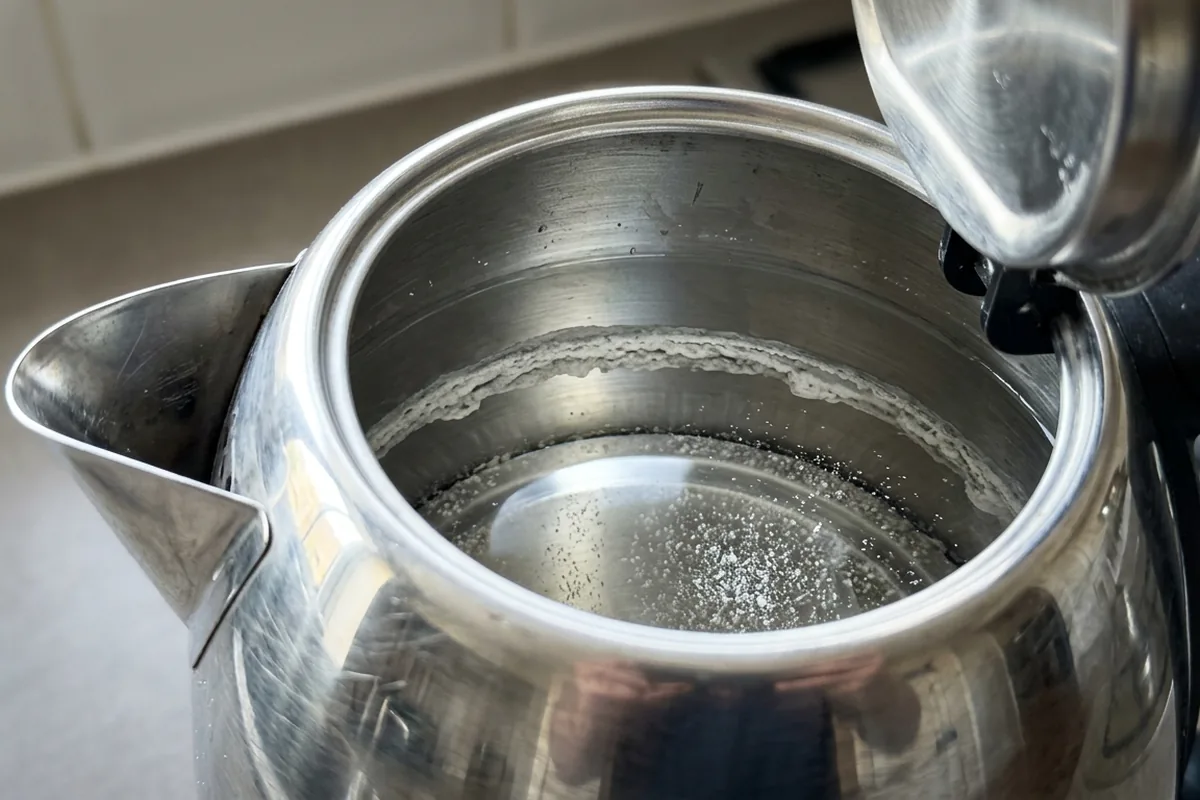
- Heavy chalky deposits on kettle elements.
- Cloudy shower screens even after squeegeeing.
- Thick scale on electric shower heads and around mixer taps.
In these cases, a water softener or scale reducer on the incoming supply can make a noticeable difference to all fixtures, not just taps. These need proper selection and installation, so if you are unsure, speak to a qualified plumber rather than trying to fit anything complex yourself.
If the tap base always looks crusty and damp
If limescale is forming in a thick ring around the base of the tap on the sink or basin, check:
- Is water pooling there? The surface might be slightly dished or not sealed properly.
- Is the silicone sealant tired or missing? Gaps can let water creep under the tap and leave scale marks and, eventually, staining around it.
- Is there a tiny leak from the tap body or joints? If the area is always damp even when you have not used the tap for a while, turn the water off and get a plumber to check. Do not start undoing pipework under the basin unless you are confident and can isolate the water safely.
Sorting a small leak or resealing around the tap can reduce both limescale and the risk of damp staining or mould where water sits on the surface.
If the finish is already damaged
If the chrome is pitted, flaking or dull, strong descalers can make it worse. In that case:
- Stick to weaker vinegar or citric solutions, applied for shorter times.
- Use a soft cloth or non-scratch sponge, never a scouring pad or wire wool.
- Accept that you may not get it looking brand new; sometimes the metal is simply worn.
When taps are badly damaged and scale clings instantly, replacement is often the only way to get a lasting clean look.
If you look at your taps tonight and see fresh beads of water sitting there, that is your first, easy win: wipe them dry. If the scale still races back, the next step is to check for drips and damp around the base rather than buying ever-stronger cleaners.