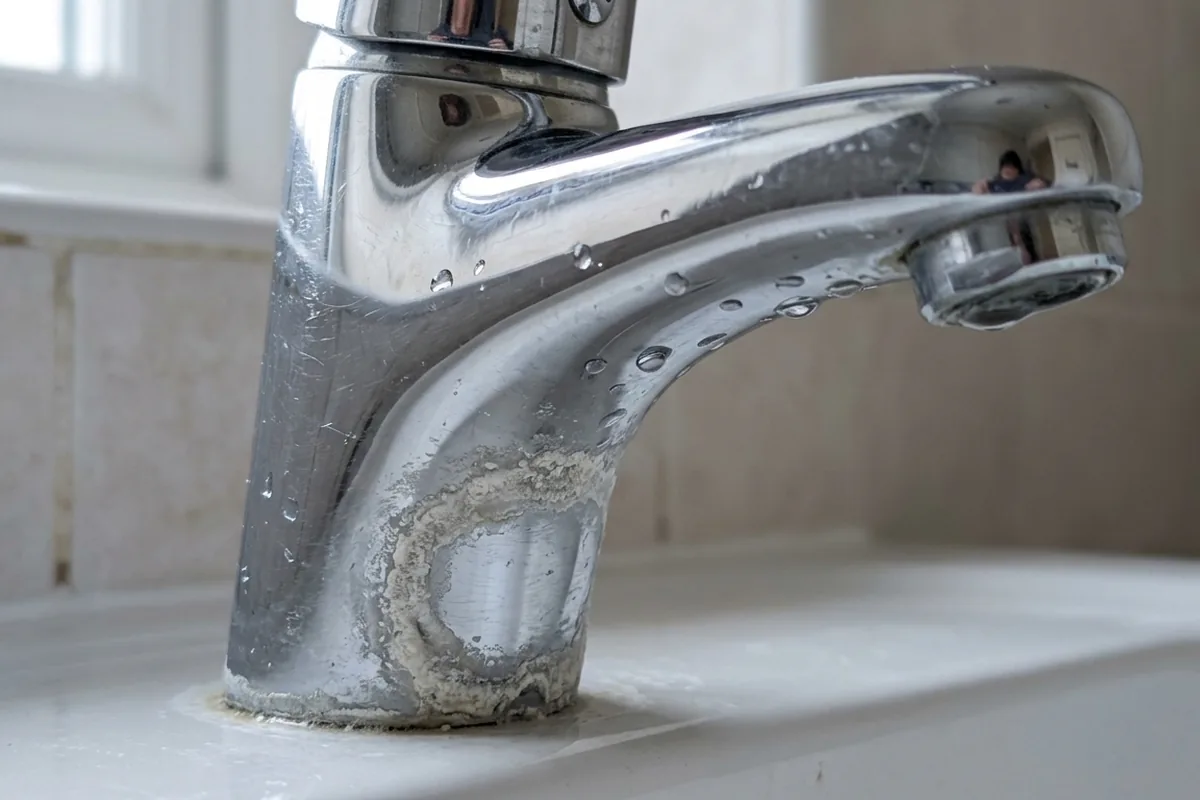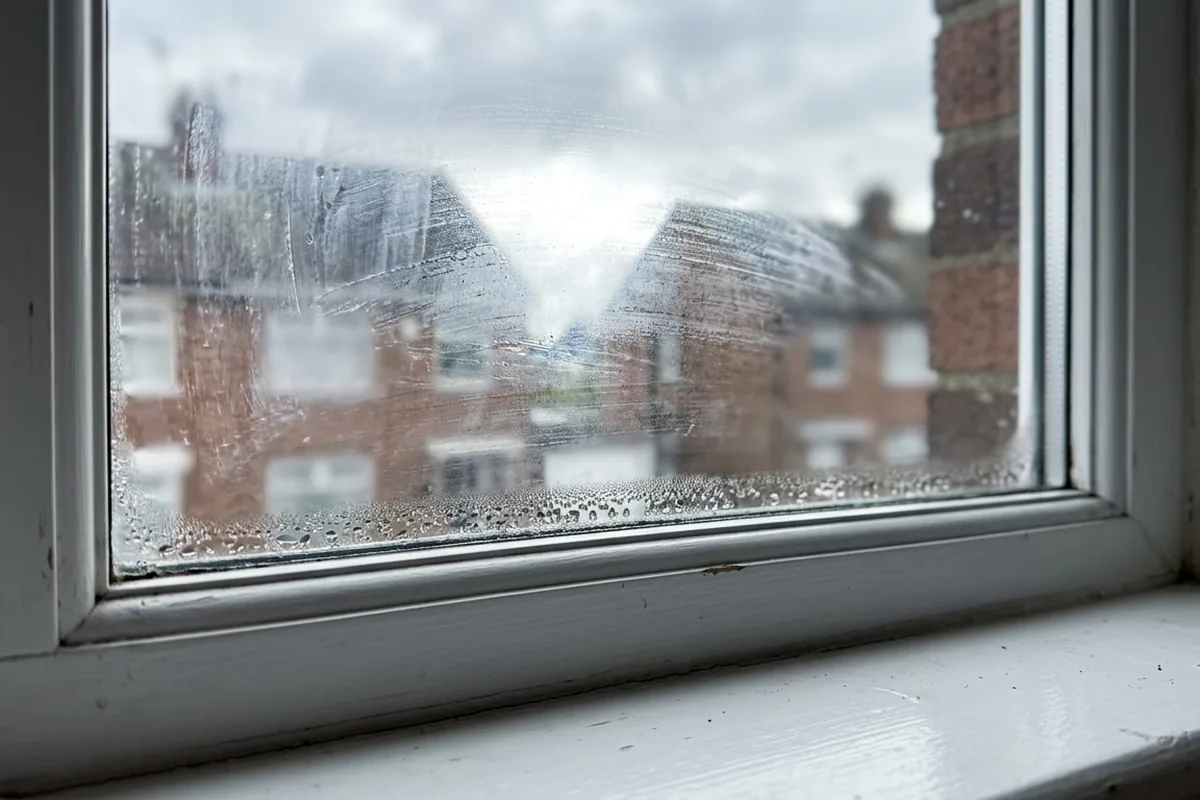
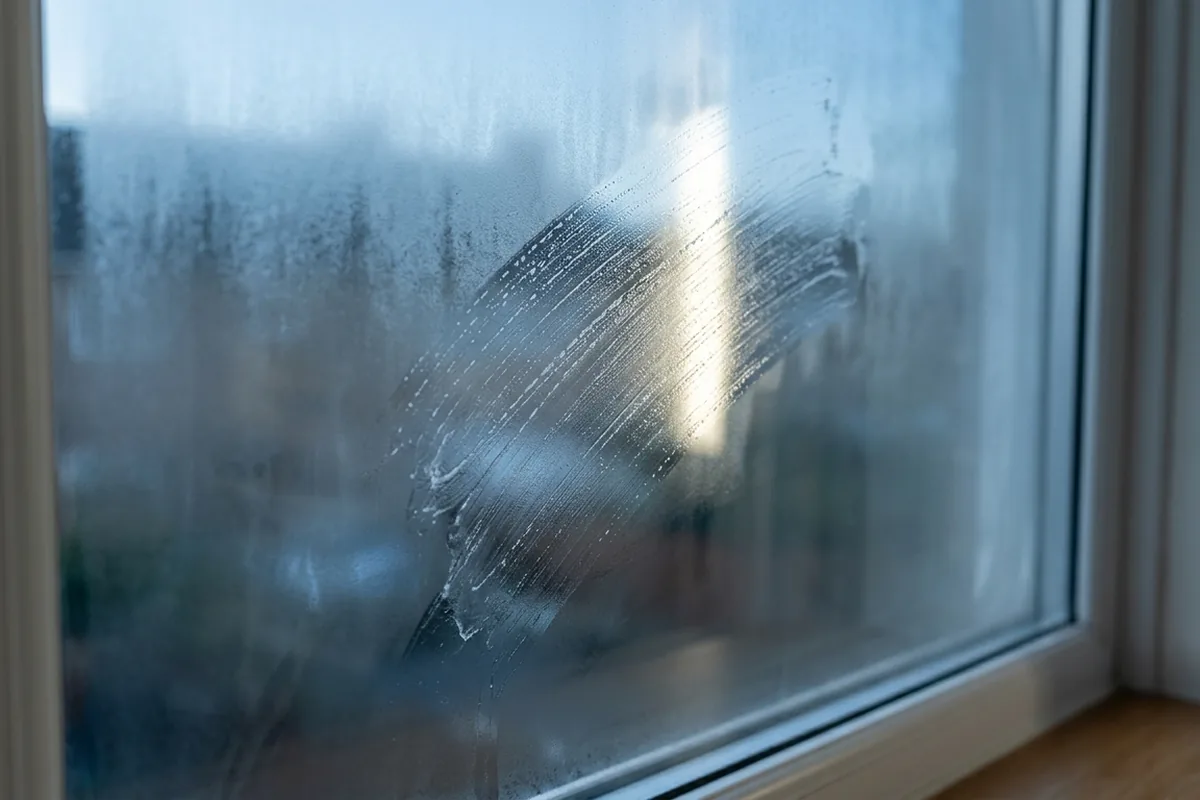
That cloudy, greasy look on your windows after you’ve “just cleaned them” with vinegar is usually down to one simple mistake: using vinegar as the only cleaner on dirty, greasy or soapy glass. If the kitchen window still looks smeary when the sun hits it, or the patio doors show handprints and dog nose marks, the glass isn’t just dusty – it has a film that vinegar alone can’t shift cleanly.
The useful bit to know is this: vinegar is a great finisher, not a great degreaser. It cuts limescale and light haze, but if you spray it straight onto glass that still has washing-up liquid residue, old glass cleaner, cooking grease or polish on it, you just move that film around and it dries in streaks. A tiny drop of mild detergent first, then vinegar, usually gives the clear result people expect.
The common vinegar mistake that causes streaks
The big mistake is treating vinegar like a magic, all-in-one window cleaner. People often:
- spray neat or watered-down white vinegar straight onto a dirty window
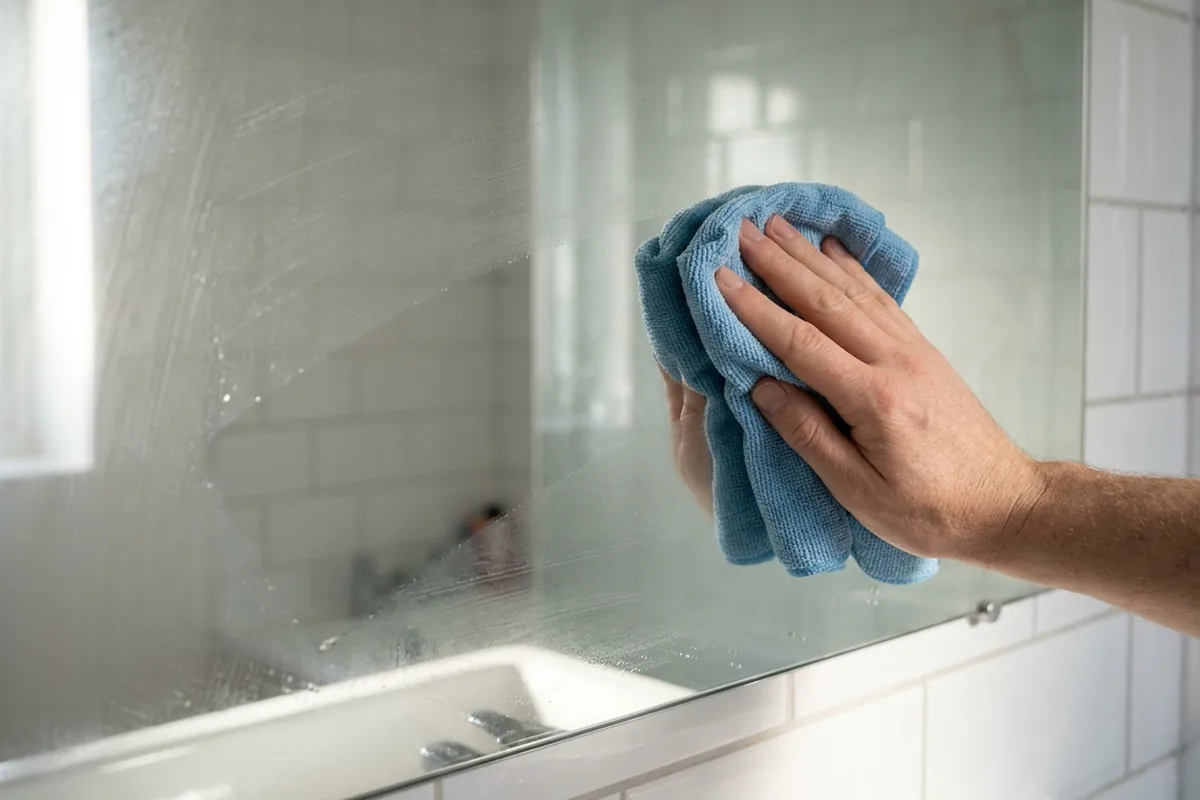
- wipe it about with an old tea towel or kitchen roll
- let it air-dry and hope for the best
On a bathroom mirror that only has light steam marks, that might be fine. But on kitchen windows, patio doors or street-facing windows that pick up grease, traffic film and fingerprints, vinegar on its own doesn’t properly break down the oily layer. Instead, it loosens it, spreads it thinly and then it dries in uneven patches, which you see as streaks and smears.
The streaks are usually worst where:
- you’ve used too much liquid and not wiped it fully dry
- the cloth was already damp or dirty
- the glass had old product build-up from previous cleaners
So the “mistake” isn’t using vinegar – it’s using only vinegar, on the wrong surface condition, with the wrong cloth.
How to use vinegar on windows without streaks
Used in the right order, vinegar can give very clear results, especially on internal glass and shower screens. The key is to remove grease and residue first, then use vinegar as a rinse and shine.
For most windows in a typical UK home, a simple two-stage routine works well:
1. Pre-clean with a mild detergent
Use a bucket or bowl of warm water with a tiny squirt of washing-up liquid. Wipe the glass with a clean microfibre cloth or a non-scratch sponge, paying attention to fingerprints, nose prints and any sticky patches. This lifts off grease, cooking film and old cleaner.
2. Rinse lightly with clean water
Especially important on kitchen windows and shower screens. You don’t want a lot of suds left on the glass – detergent residue is a major cause of streaks.
3. Then use a vinegar solution
Mix roughly one part white vinegar to three parts water in a spray bottle. Lightly mist the glass and work in sections so it doesn’t dry in patches.
4. Dry properly with the right tool
Use either:
- a window squeegee, wiping the blade with a clean cloth after each pass, or
- a clean, dry microfibre cloth.
Old tea towels, linty cloths and loo roll often leave fluff and drag marks.
If you still see streaks after this, the glass may have older wax or silicone-based products on it (from furniture polish overspray or certain glass cleaners). In that case, a second detergent wash before the vinegar step usually sorts it.
One safety check before you reach for vinegar
Vinegar is acidic, so avoid it on or near:
- natural stone sills (marble, limestone, some composites)
- damaged grout or unsealed stone tiles around a window
- metal fittings that are already pitted or corroded
If in doubt, test a tiny hidden patch first and never mix vinegar with bleach – the combination can release dangerous fumes.
When vinegar struggles – and what to do instead
There are a few situations where vinegar is not the hero cleaner people hope for, and forcing it to work just leads to more streaks and frustration.
1. Very greasy kitchen windows
If you fry a lot, or your hob is near a window, the glass can get a film of cooking oil. Vinegar alone will smear this. A better approach is:
- warm water with a bit of washing-up liquid
- possibly a second wash if the water turns cloudy quickly
- then a light vinegar rinse and a dry with a squeegee
2. Nicotine or heavy traffic film
On older properties or windows facing a busy road, the film can be sticky and yellowish-grey. A stronger dedicated glass cleaner or a couple of detergent washes may be needed before you even bother with vinegar.
3. Exterior windows with grime and algae
Outside panes on a terraced house or flat can pick up dust, bird mess and green growth around the frames. Vinegar isn’t a substitute for a proper wash with water, detergent and a soft brush. Use vinegar only as a final polish if you want extra clarity.
4. Using the wrong cloths
Even if your cleaning mix is perfect, a poor cloth will still cause streaks. Kitchen roll can shred and leave lint; an old cotton T-shirt tends to smear rather than buff. A couple of decent microfibre cloths – one damp, one dry – make a big difference and can be picked up cheaply from places like B&Q or supermarkets.
Once you’ve got into the habit of degrease first, vinegar second, dry properly, you should see far fewer streaks. If a particular window still looks smeary in bright sunlight, stand back and check whether the problem is actually on the inside, outside, or both – that simple check often explains why “it never looks clean”.
A good test is to clean just one pane with the full routine and compare it to the next one along. If the clean pane looks noticeably clearer the next morning, you’ve cracked the method; the rest is just repetition.