The bottle you grab next after using bleach is more important than most people realise. You might be scrubbing the loo, tackling mould on a bathroom ceiling or trying to shift a stubborn smell in the under-sink cupboard. The temptation is to add “something stronger” or mix two favourites in the same bucket. The combination you must never use at home is bleach and anything acidic, especially vinegar, because together they can quickly produce toxic chlorine gas.
Within seconds, that “strong cleaning smell” can turn into coughing, burning eyes and a tight chest. Opening a window is often not enough. If you’ve already mixed them and feel unwell, get into fresh air straight away and seek medical help if symptoms persist.
Why bleach and vinegar (and other acids) are so dangerous together
Bleach on its own is powerful but predictable if you follow the label. Vinegar on its own is mild and handy for limescale on taps, shower screens and around the kitchen sink. The danger appears the moment they meet in the same space: a bucket, a toilet bowl, the bath, even a soaked cloth.
When chlorine bleach (sodium hypochlorite) reacts with acids such as:
- vinegar (acetic acid)
- many limescale removers or descalers
- some toilet gels and bathroom cleaners
it can release chlorine gas, which is highly irritating to the lungs and eyes and can be very serious in a small bathroom or shower room with poor ventilation.
A few key points:
- Never layer products: if you’ve used a vinegar spray on limescale around the loo or on tiles, rinse thoroughly with plenty of water and let the area drain before using any bleach product.
- The same applies the other way round: don’t “boost” bleach with a splash of vinegar, lemon juice or descaler in the toilet bowl or sink.
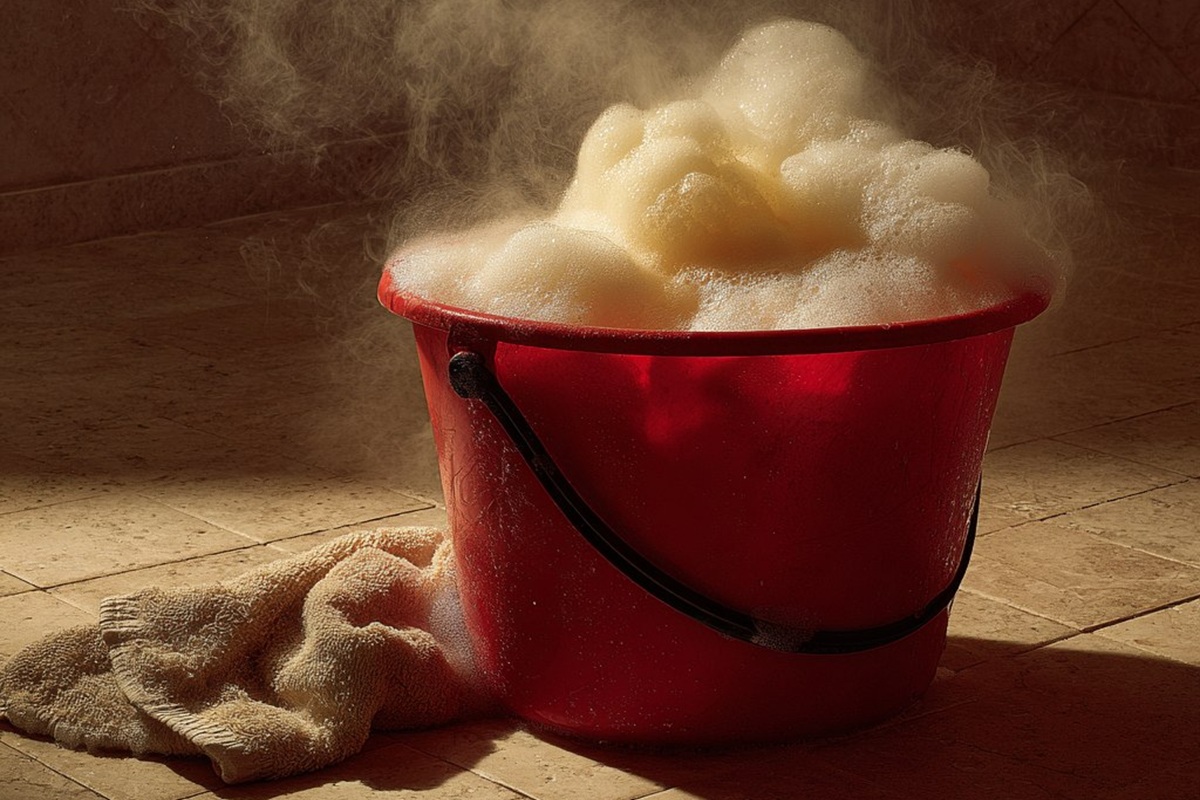
- Be careful with reusable cloths: if one is soaked in an acidic cleaner and you dunk it into a bleach bucket, you have effectively mixed them.
In many UK homes, the riskiest spot is the small internal bathroom with no opening window, just an extractor fan. Gas can build up faster than it clears, especially if the fan is weak or rarely used.
Other cleaning combinations you should avoid in a UK home
Bleach and vinegar are not the only pairing to avoid. Several common mixes in kitchens, rented flats and small bathrooms can cause problems, from nasty fumes to damaged surfaces.
Here are the main ones to watch:
- Bleach and ammonia: This can produce chloramine gases, which irritate the lungs and eyes. Ammonia may be in some glass cleaners, floor cleaners and certain “multi-purpose” sprays. Never follow one with bleach on the same surface without rinsing thoroughly.
- Bleach and “mystery” cleaners: If you don’t know what is in a product, do not mix it with bleach “just to make it stronger”. This is especially important with heavy-duty bathroom products, limescale removers and mould sprays.
- Vinegar and natural stone: Not dangerous to you in normal use, but vinegar can etch limestone, marble and some composite worktops. If you have stone tiles in a hallway or a stone kitchen worktop, avoid vinegar and use a stone-safe cleaner instead.
- Hydrogen peroxide with other strong cleaners: Often sold as an oxygen stain remover or mould treatment. It should not be mixed with bleach, strong acids or strong alkalis, as it can decompose rapidly and cause irritation or damage.
A good rule in any terraced house, flat or family home is simple: one product at a time, plenty of water between changes, and never mix in the same bucket or bowl.
Safer ways to clean without risky mixing
You can still keep on top of limescale, mould and odours without mixing products or filling the bathroom with fumes. The trick is to pick the right product for the job, use it on its own and give it time to work.
For most everyday jobs:
- Toilets: Use either a dedicated toilet cleaner or a bleach-based loo cleaner, not both together. If you want to descale the pan with vinegar or a descaler, do it on a different day: flush away, rinse well, then switch back to bleach next time.
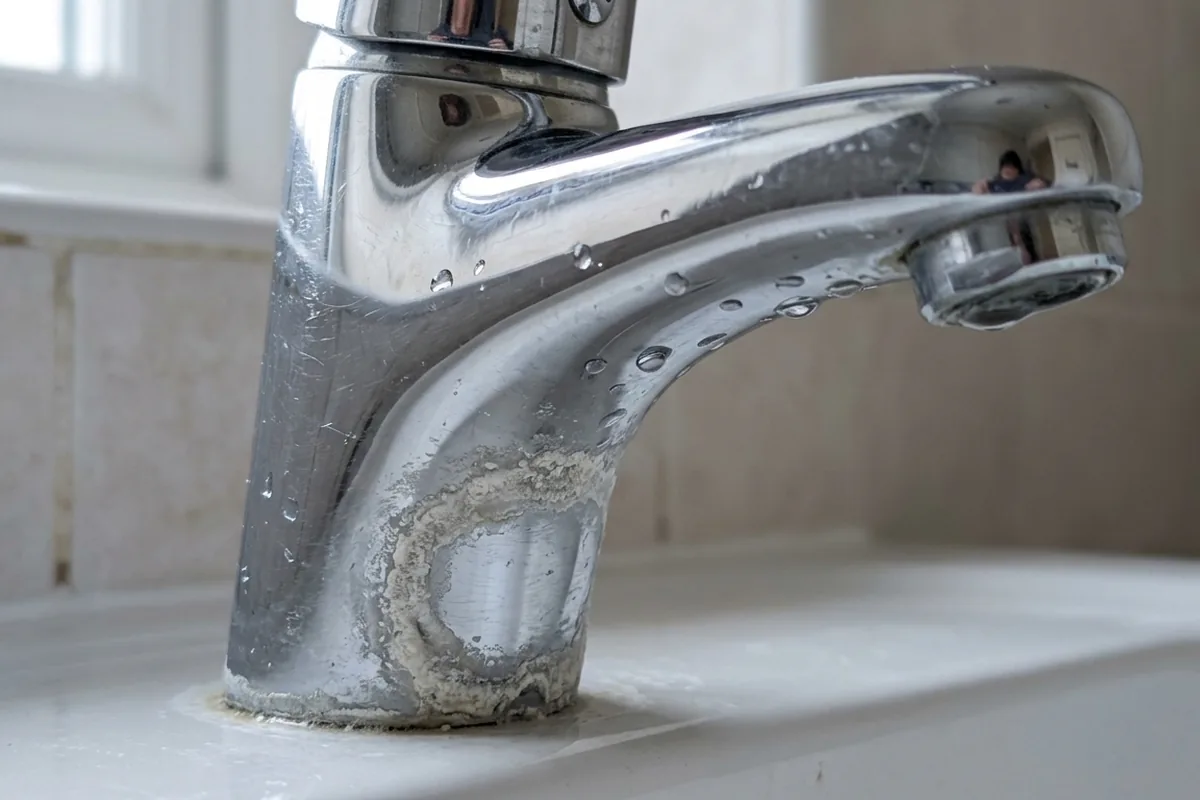
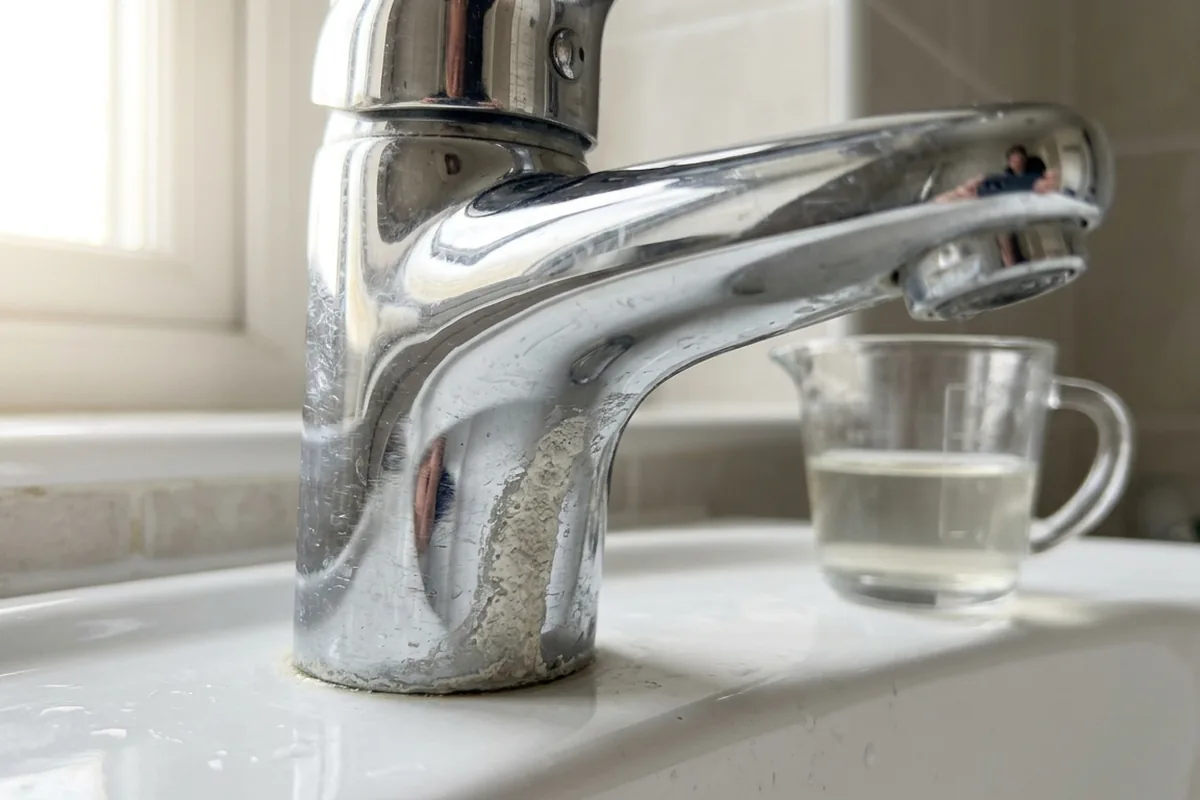
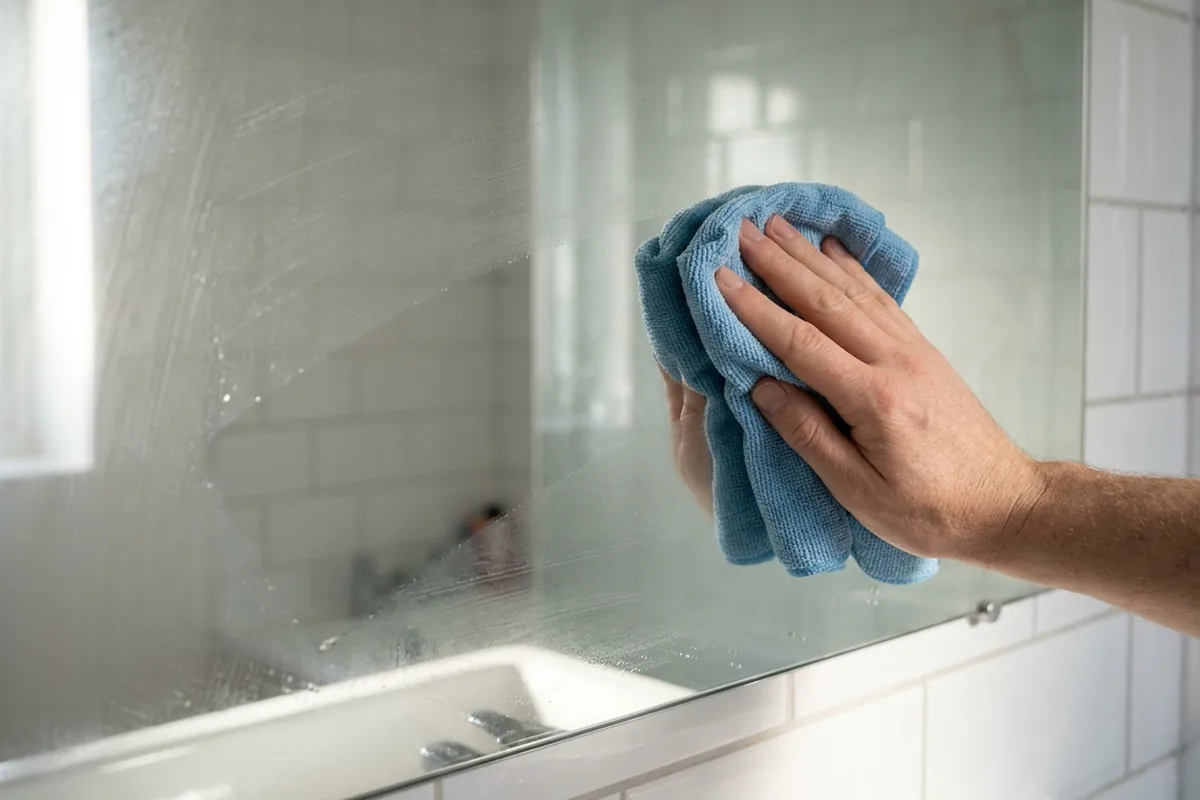
- Limescale on taps and shower screens: A vinegar solution or limescale remover works well, but keep it away from natural stone and don’t follow immediately with bleach. Use a microfibre cloth and rinse thoroughly after.
- Mould on silicone sealant or grout: Use a single mould and mildew remover (many are bleach-based) with good ventilation. Do not add vinegar on top “to finish it off”. If the mould keeps returning, the real issue is usually damp and poor ventilation rather than the cleaner.
- Smelly drains and plugholes: A mix of hot (not boiling) water and washing-up liquid, followed by a proprietary drain cleaner if needed, is safer than experimental chemical cocktails. Bicarbonate of soda with hot water can help with mild smells, but avoid then pouring bleach straight after.
If you like using bicarbonate of soda and vinegar as a “natural” combo, keep it for low-risk jobs like freshening the bin or cleaning a stained mug, where the fizz is contained and you are not adding bleach or other strong chemicals to the mix.
In any small UK bathroom or utility room, the best safety habits are simple: open a window where you can, switch on the extractor fan, wear gloves when using strong products and store them separately so you are not tempted to mix.
If a job ever feels as if it needs “everything under the sink” to shift it, it is usually a sign to step back, ventilate the room and reconsider the method rather than the strength of the chemicals.