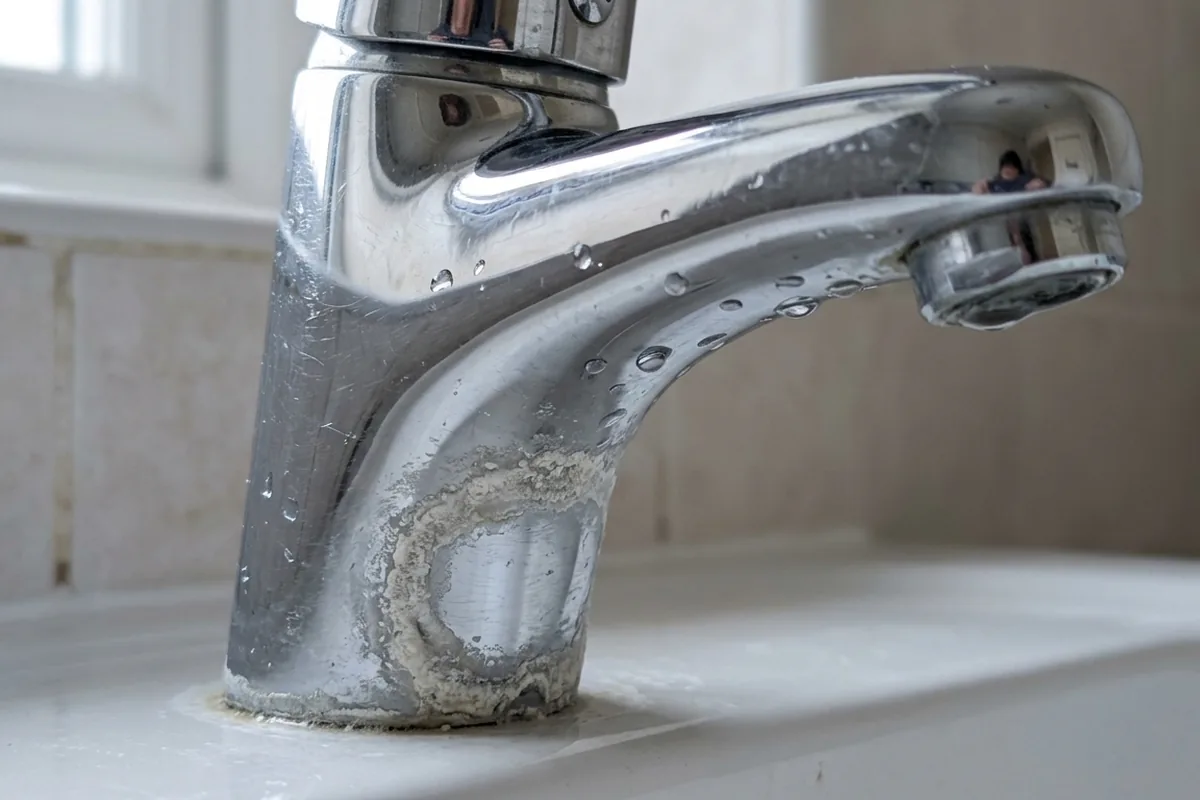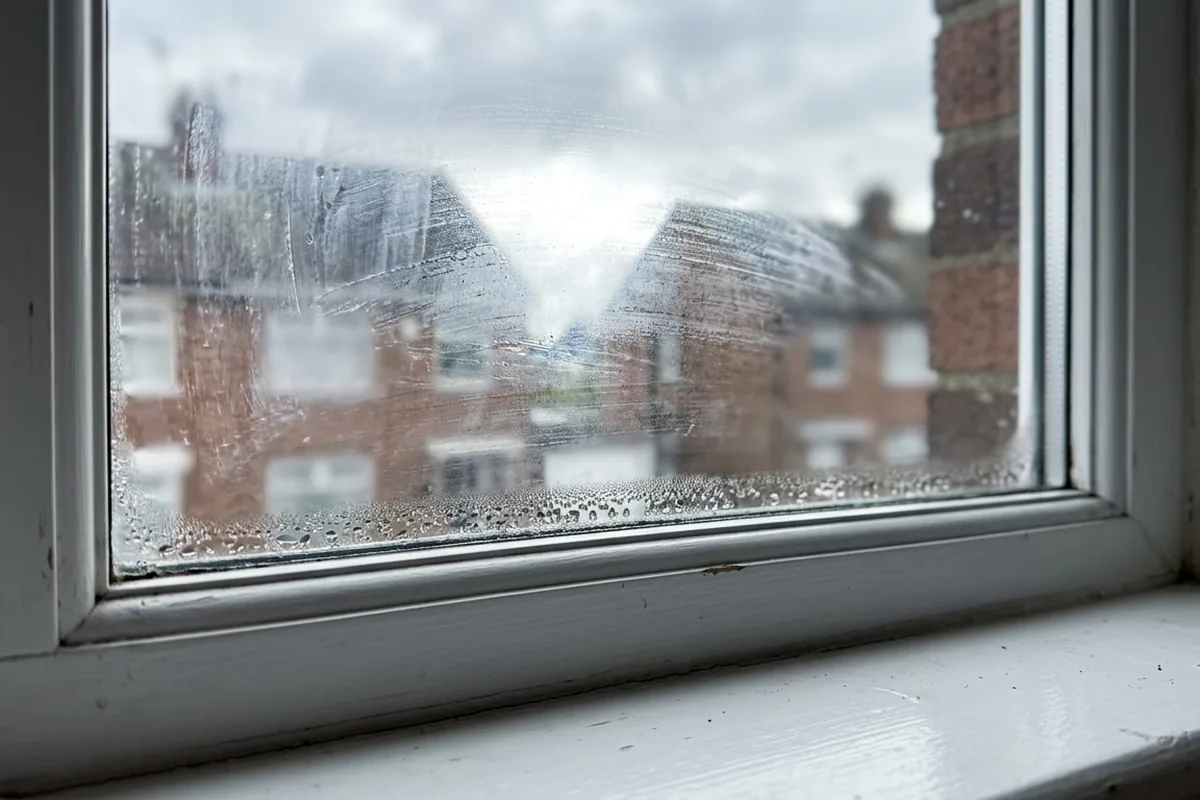
That cloudy shower screen and the crusty ring around the kitchen tap are exactly where citric acid powder shines. Used properly, it can strip limescale and soap scum as effectively as many shop descalers, but it is still an acid and can mark the wrong surface if you are careless. The key is to know what you are cleaning, keep the solution mild and not leave it sitting for ages. As a rule, citric acid is usually safe on glass, most ceramics, stainless steel and many plastics, but avoid natural stone, unsealed grout and delicate finishes unless you have tested a hidden patch first.
Safe ways to use citric acid for everyday cleaning
Citric acid is a weak organic acid, so think of it as a gentler cousin of limescale remover. You dissolve the powder in warm water and use the liquid, not the dry grains, for almost all jobs.
A simple all‑round mix for limescale is 1–2 teaspoons of citric acid powder in 500 ml of warm water in a spray bottle. Shake to dissolve, label the bottle and keep it away from children and pets.
Good, generally safe uses around a typical UK home include:
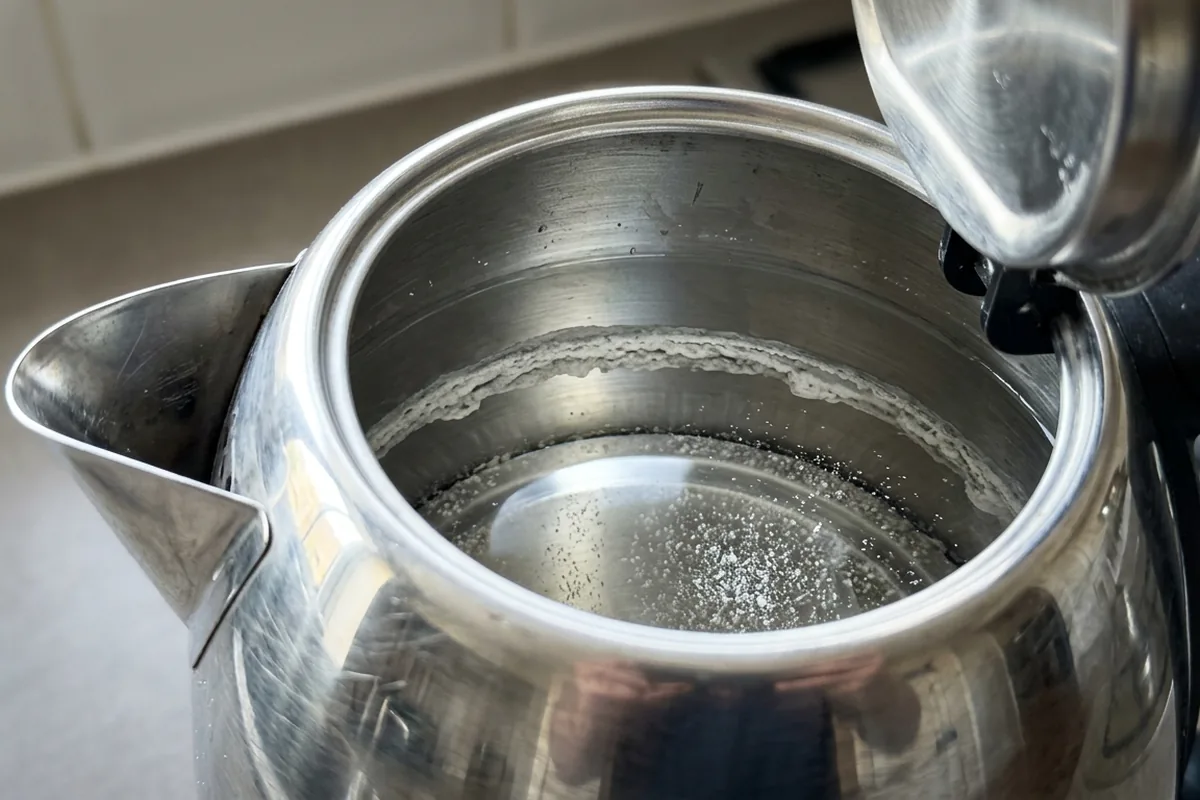
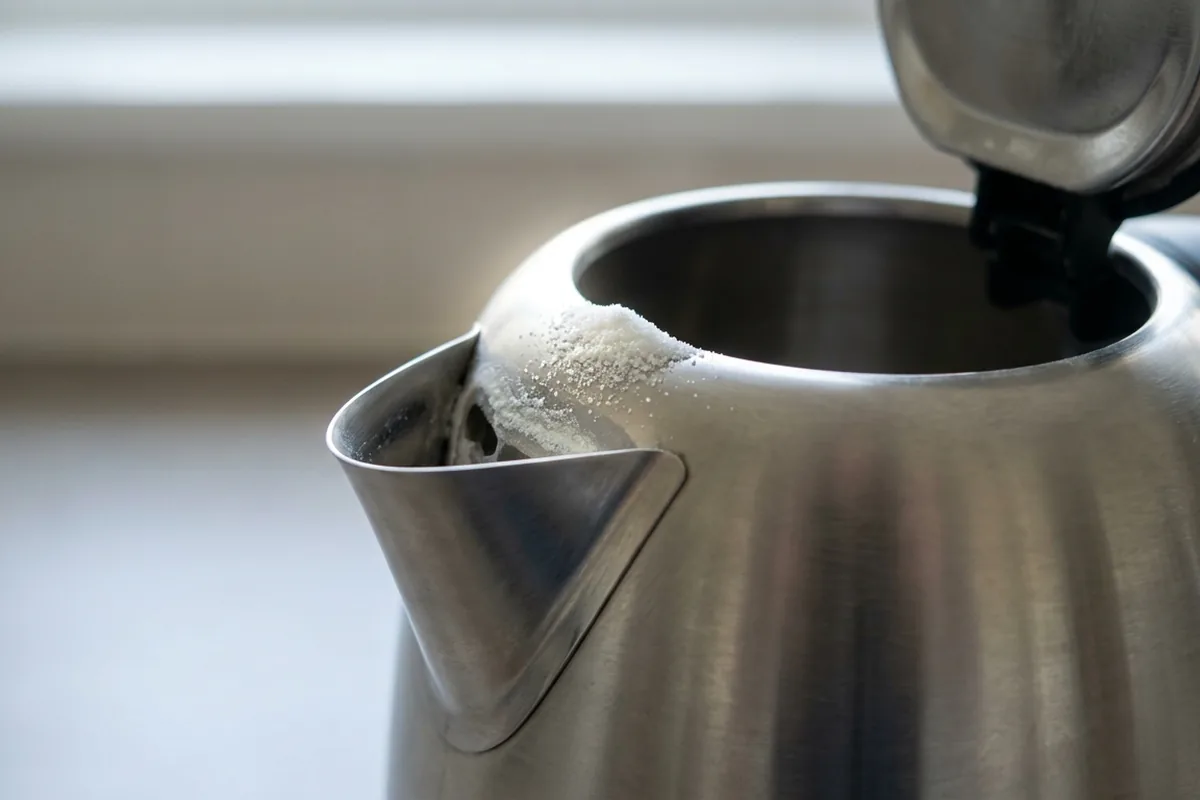
- Kettle descaling: Half‑fill the kettle with water, add 1–2 teaspoons of citric acid, boil once, then leave for 15–20 minutes. Rinse several times until there is no sour taste or smell.
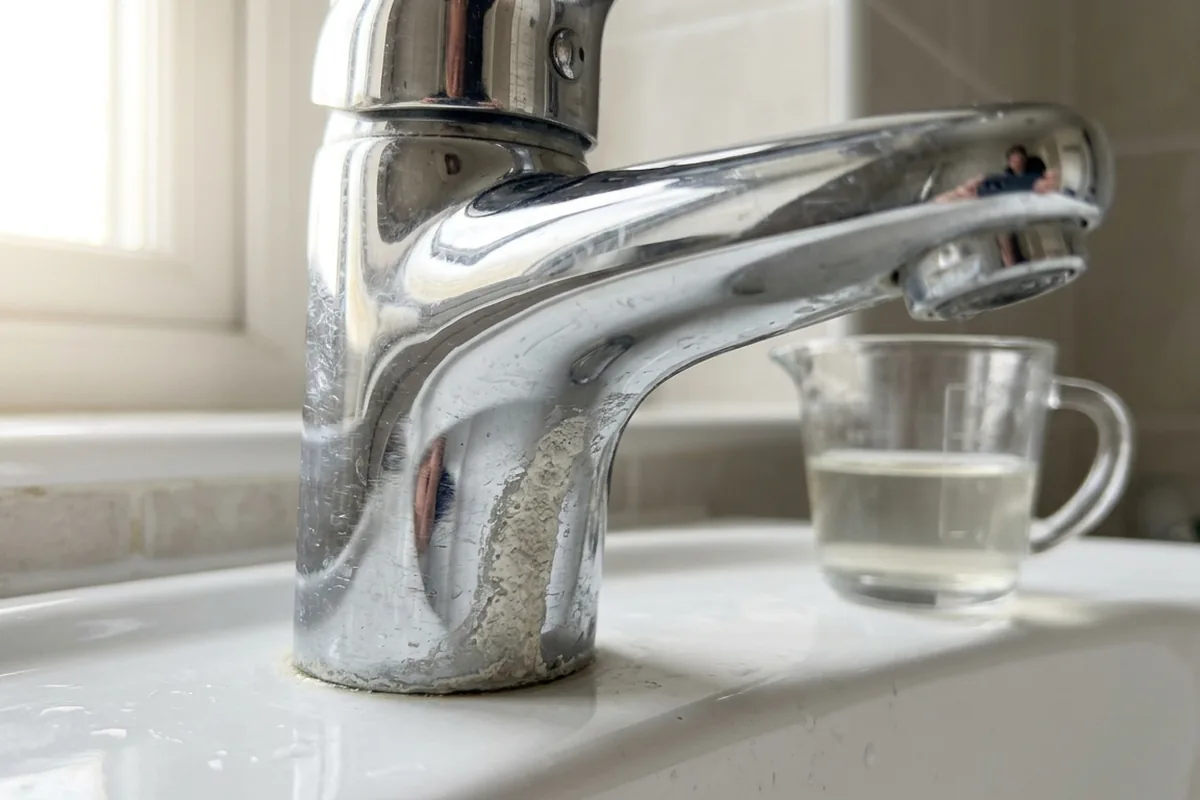
- Limescale on taps and shower heads: Soak a microfibre cloth in your solution, wrap it round the fitting, leave for 10–20 minutes, then wipe and rinse. For a removable shower head, soak it in a bowl of solution instead.
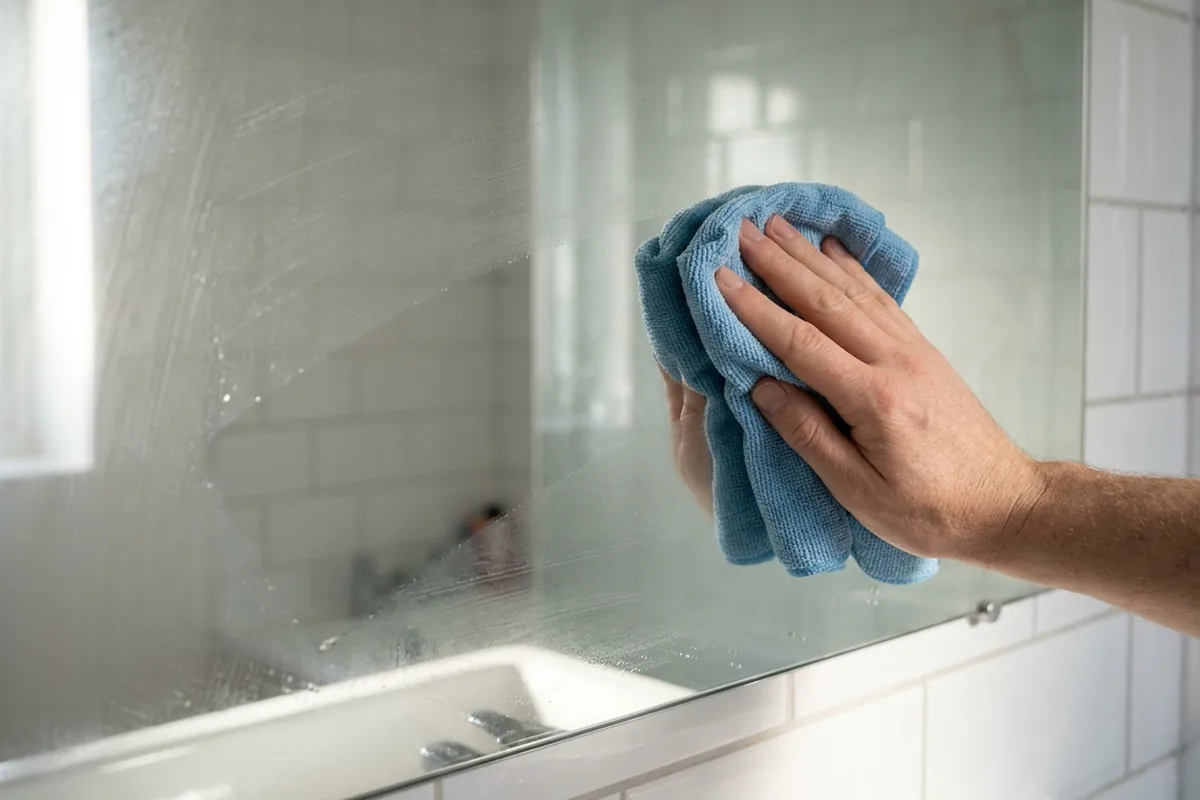
- Shower screen cloudiness: Spray the glass, wait 5–10 minutes, then scrub lightly with a non‑scratch sponge and rinse thoroughly. Dry with a squeegee or microfibre to slow the limescale returning.
- Toilet rim and under-water line: Pour in a mug of hot water mixed with 1–2 tablespoons of citric acid, leave at least 30 minutes (or overnight for heavy scale), then brush and flush.
On any shiny metal, plated tap or plastic fitting, do not leave citric acid sitting for hours. Work in short contact times, rinse well and then dry.
Surfaces where citric acid can cause damage
The biggest mistake is treating citric acid as “totally natural so it must be harmless”. It is still an acid and can etch or dull certain materials, especially if strong or left too long.
Use this as a quick reference before you start:
| Surface or material | Usually safe with citric acid | Avoid or test very carefully |
|---|---|---|
| Glass, ceramic sinks, toilets | Yes, mild solution, rinse well | Only avoid on damaged areas |
| Stainless steel (sinks, pans) | Yes, short contact, then dry | Avoid soaking for long periods |
| Chrome or plated taps | Yes, weak solution, 5–10 mins | Do not leave wrapped overnight |
| Natural stone (marble, limestone) | No | Can etch and dull the surface |
| Grout, silicone, painted surfaces | Often, weak and brief contact | Test first, avoid if soft or chalky |
On natural stone worktops, stone tiles or stone window boards, skip citric acid completely. It can permanently dull the surface, just like vinegar.
If you live in a hard‑water area and have thick limescale on old chrome taps, start with a very mild mix and a short contact time. If the finish is already pitted or peeling, anything acidic can make it worse, so you are really just trying to tidy it up, not restore it to new.
On grout and silicone around a bath or shower, citric acid can help with limescale, but it will not fix mould stains. If the sealant is already soft, cracked or black through its depth, you are into replacement rather than cleaning territory.
Simple rules to avoid damage while still getting results
A few habits make citric acid much safer to use day to day, especially in small bathrooms and kitchens where surfaces are mixed together.
1. Always dissolve, never scrub with dry powder
Dry grains are more concentrated where they land and can scratch some plastics. Mix with warm water first, then apply with a cloth, sponge or spray.
2. Start weak, then step up only if needed
If you are unsure about a surface, try a very mild solution on a hidden patch: inside the back of a stainless sink, behind a tap or low down on a shower screen. Check for dullness or colour change after 5–10 minutes. If all looks normal, you can use the same strength more widely.
3. Keep contact time short on metals and plastics
For taps, shower heads, plug surrounds and shower doors, think in minutes, not hours. If heavy limescale needs more work, repeat short treatments rather than one very long soak.
4. Rinse and dry thoroughly
After cleaning, flush the area with clean water and wipe dry with a microfibre cloth. This stops any leftover acid sitting in corners, especially around tap bases, shower door frames and along silicone sealant.
5. Respect other cleaners
Do not mix citric acid with bleach or strong proprietary products in the same area. If you have already used bleach in a toilet or on grout, flush or rinse several times and let it clear before using anything acidic. Sticking to one type of cleaner at a time is safer and usually more effective.
Used in this controlled way, citric acid powder can quietly replace a handful of harsher descalers and bathroom sprays. The test is simple: surfaces look clean, not dull, and your taps, kettle and shower glass still look the same next week rather than mysteriously patchy.