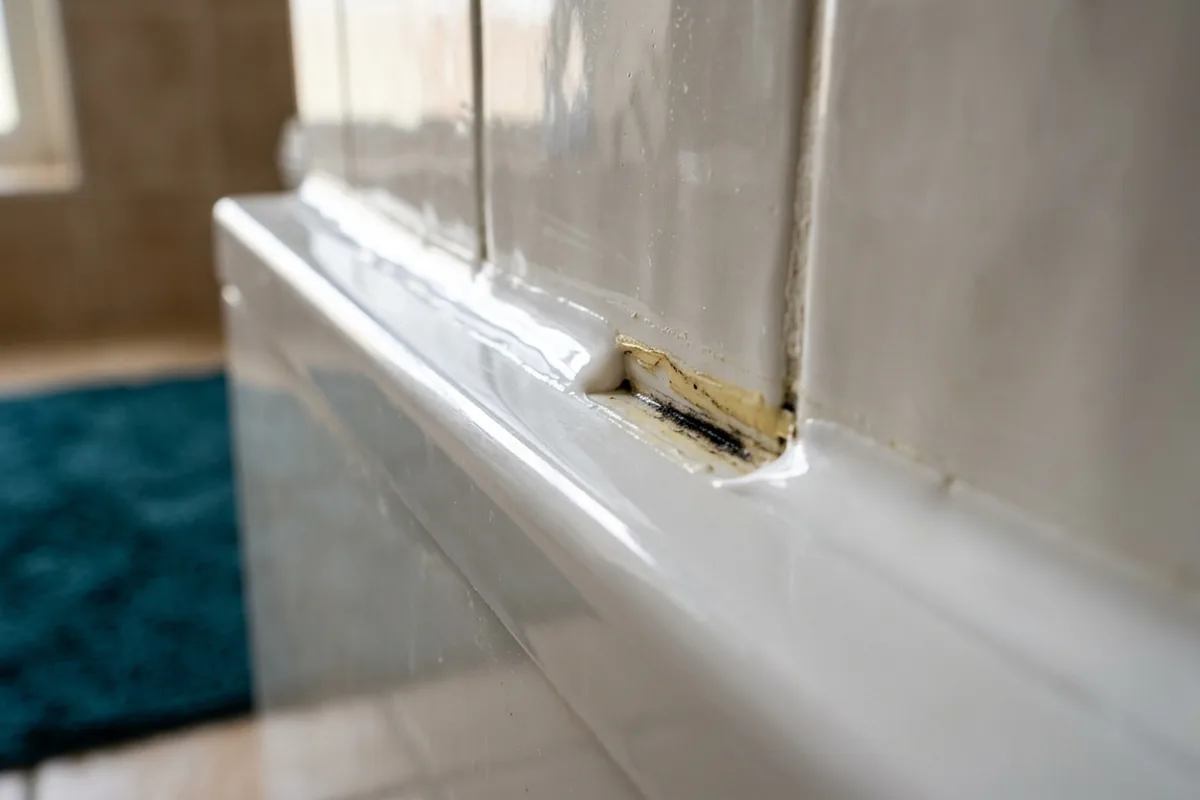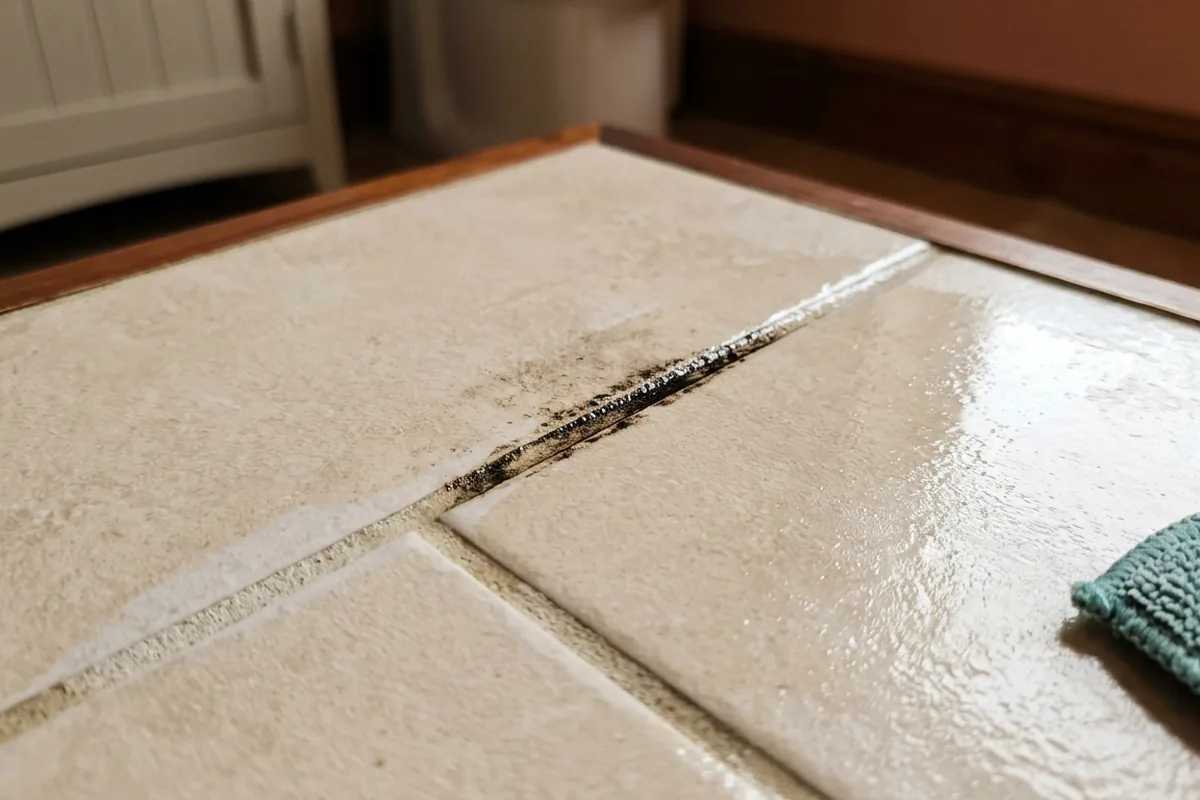
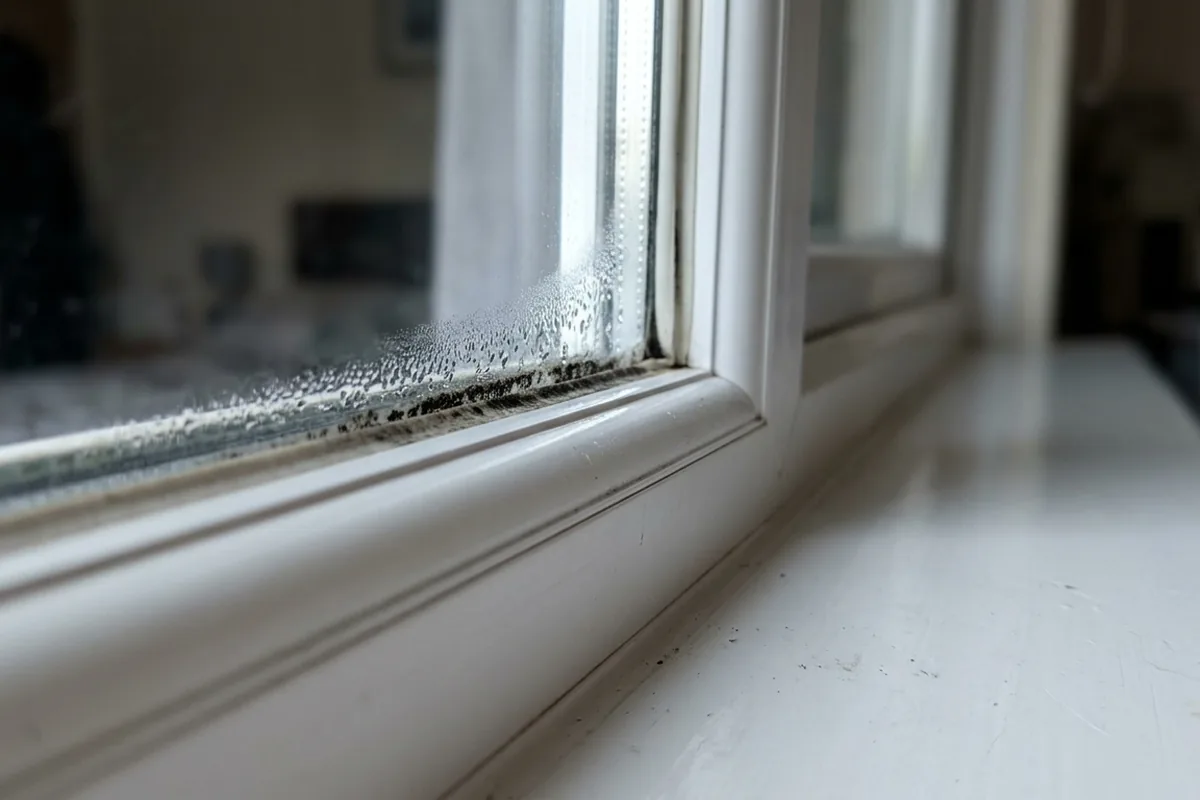
You wipe the black marks away, the window looks fine for a week, and then the mould is back in the corners of the frame and along the silicone sealant. Often there’s a faint musty smell when you open the bedroom curtains, or the rubbery seal around a uPVC frame looks stained and rough to the touch.
What recurring mould around window seals is really telling you
When mould keeps returning around window seals, it’s almost never a “cleaning” problem. It’s a moisture and temperature problem with a bit of trapped dirt thrown in.
Around most UK windows, especially in small bedrooms and bathrooms, you’ve usually got the same mix:
- Cold surfaces: glass, metal spacers and the frame edges cool down faster than the rest of the room.
- Moist air: from showers, cooking, drying clothes indoors, even breathing overnight.
- Food for mould: tiny bits of dust, skin cells and soap residue stuck to the silicone sealant and frame.
When warm, damp air hits a cold surface, condensation forms first on the coldest point – typically the bottom corners of the glass and the seals. If the droplets sit there day after day, the silicone and any rubber gaskets stay damp long enough for mould spores (which are always in the air) to grow again, even after you’ve wiped them.
So the mould is coming back because:
- The surface stays damp for too long.
- The sealant or gasket has absorbed staining or is already damaged.
- The underlying cause (condensation or a leak) hasn’t been sorted, only the visible mould.
If you only spray and wipe, you’re dealing with the symptom, not the conditions that keep feeding it.
Checks to make before you reach for more mould spray
Before you scrub harder, it’s worth working out whether you’re dealing with simple condensation or something more serious like a leak or wider damp issue.
A few quick checks around the window can narrow it down:
| Sign at home | What it may mean | First check |
|---|---|---|
| Water on glass every morning but wall below is dry | Condensation from indoor humidity | Ventilate room, wipe glass and seals dry daily |
| Black mould mainly on silicone and in corners | Condensation sitting on cold seals | Feel if seals are damp or slimy later in the day |
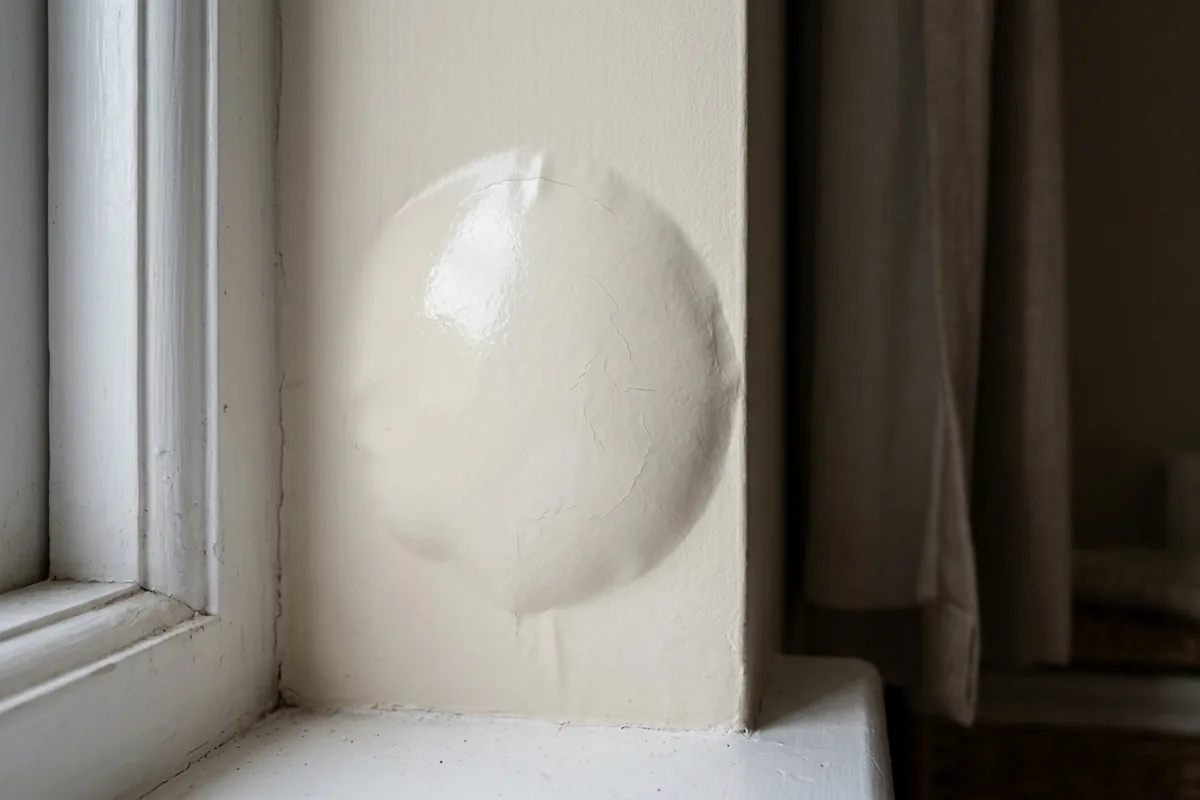
| Damp or flaky paint on window board or skirting | Possible leak or deeper damp | Check outside sealant, sills and any cracks |
| Mould higher up the wall or on ceiling near window | High humidity and poor ventilation | Check extractor fans, trickle vents and airflow |
If the window is just wet first thing but dries out once you open the trickle vent or window, you’re likely dealing with everyday condensation. In that case, wiping alone won’t stop mould unless you also reduce moisture in the room.
If the window board or plaster below feels damp all the time, or paint is bubbling, that can suggest a failed external seal, cracked render or another source of water. That’s not one to ignore – it’s usually worth asking a qualified tradesperson or your landlord to investigate rather than just bleaching the mould.
How to break the cycle: cleaning plus moisture control
You don’t have to strip out windows to improve things, but you do need to tackle both the mould on the seal and the moisture feeding it.
For most uPVC windows in UK homes, a practical approach is:
1. Clean safely and thoroughly
- Open the window and ventilate well. Wear gloves; a simple disposable mask can help if there’s a lot of mould.
- Wipe loose moisture and dirt away first with a damp microfibre cloth and a bit of washing-up liquid.
- Use a dedicated mould remover or diluted household bleach on the silicone only, following the label. Never mix bleach with vinegar or other cleaners.
- Let it sit for the recommended time, then rinse and dry with kitchen roll so the seal is as dry as you can get it.
2. Accept the limit of stained silicone
- Once silicone sealant has gone deeply black or pitted, the staining often won’t come out fully, even if the mould is dead.
- If it’s badly stained, brittle or lifting away from the frame, the real fix is usually carefully cutting it out and re-sealing with fresh sanitary silicone, or getting someone in to do it. Cleaning alone won’t restore it.
3. Change the daily conditions around the window
- Reduce moisture: use extractor fans in the bathroom and kitchen, keep them running for a while after steam has cleared, and avoid drying washing in small rooms without ventilation.
- Increase airflow: open trickle vents if you have them, or crack the window slightly when safe, especially in bedrooms overnight or first thing in the morning.
- Dry the glass and seals: a quick once-over with a window squeegee and a cloth on winter mornings removes the water before it can sit in the corners.
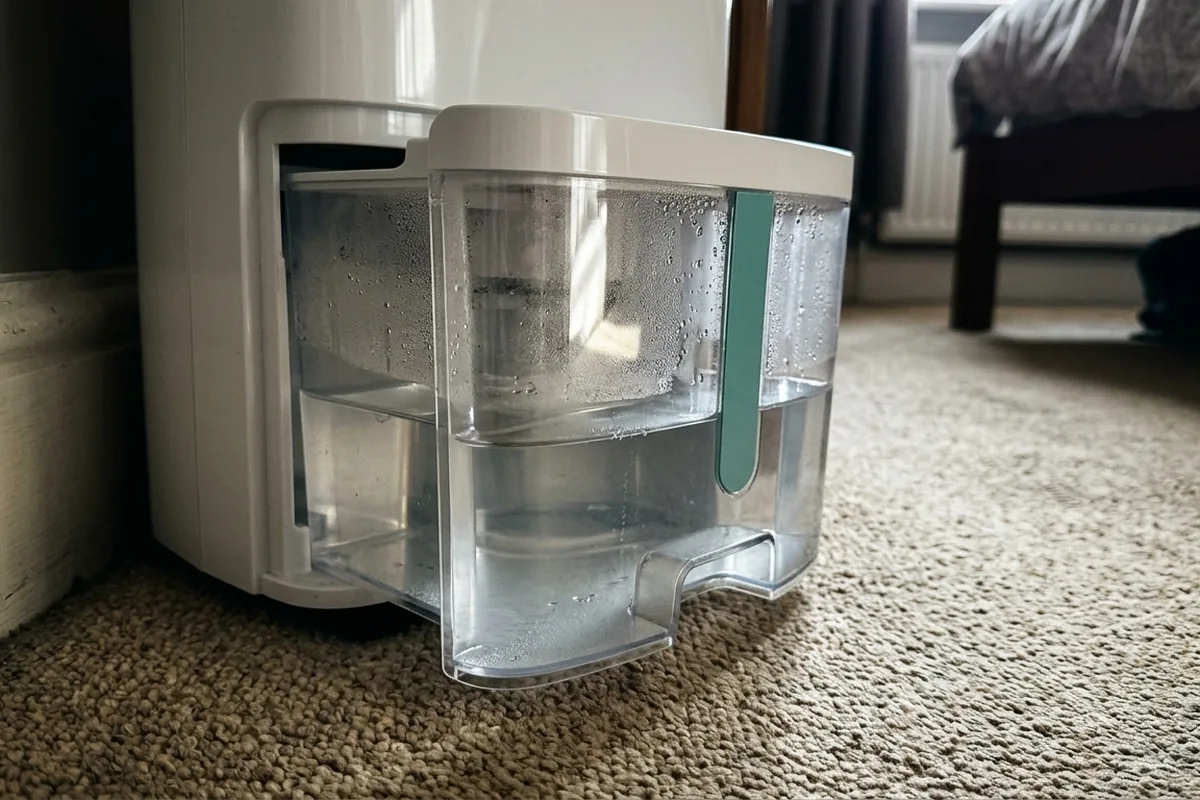
- In persistent problem rooms, a small dehumidifier can help keep humidity down, especially in a damp-prone terraced house or ground-floor flat.
If you clean the seals, keep them dry, and improve airflow, you should see less new mould forming, even if some old staining on the silicone never fully disappears. If, despite that, the area around the window board or nearby plaster is still damp and mouldy, the issue is likely beyond simple condensation and needs proper investigation rather than more scrubbing.