It usually starts with one panel rattling in the wind, a post that moves when you lean on it, or a gap opening up where the neighbour’s dog can nose through. The quickest way to stop one loose panel turning into three is to secure the weak point now, before the next spell of wet and windy weather loosens everything around it.
In most UK gardens this means: check whether the problem is the panel itself, the post, or the fixings. If the post is solid and only the panel or rails are loose, you can usually repair it yourself with new brackets, screws and a bit of timber treatment. If the post is rotten at ground level or the fence is leaning badly, treat that as a bigger job and consider replacing the post rather than endlessly patching panels onto a failing support.
The quickest way to stop a loose fence panel spreading
The key is to stabilise what’s still sound and only replace what has actually failed. Before you grab tools, take two minutes to inspect.
Stand in the garden and:
- Push gently on the suspect panel.
- Then push the posts at each end at chest height.
- Look along the top line of the fence to see if it bows or leans.
If the posts feel solid and upright but the panel wobbles or rattles, you’re usually dealing with loose fixings or a damaged rail, which is a straightforward DIY repair.
Safe basic repair if posts are sound
1. Secure the panel to the posts
- Wear gloves: old panels can splinter and nails can be rusty.
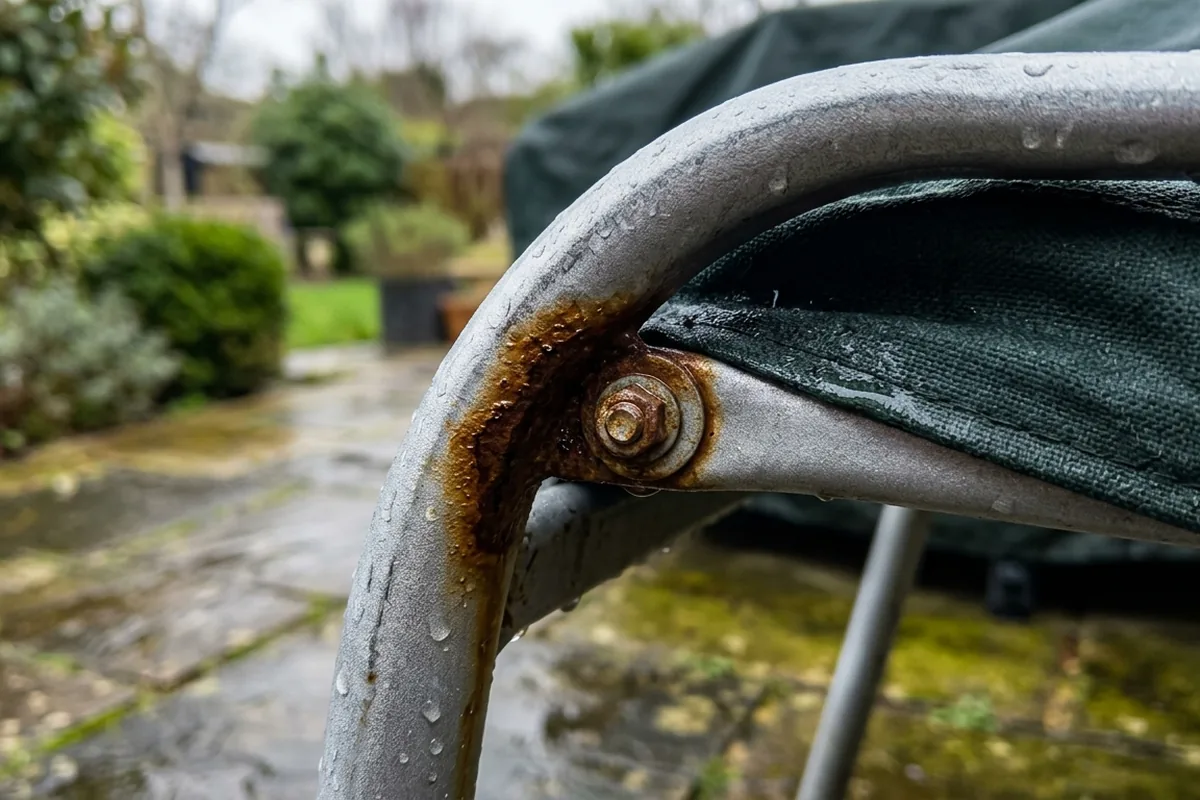
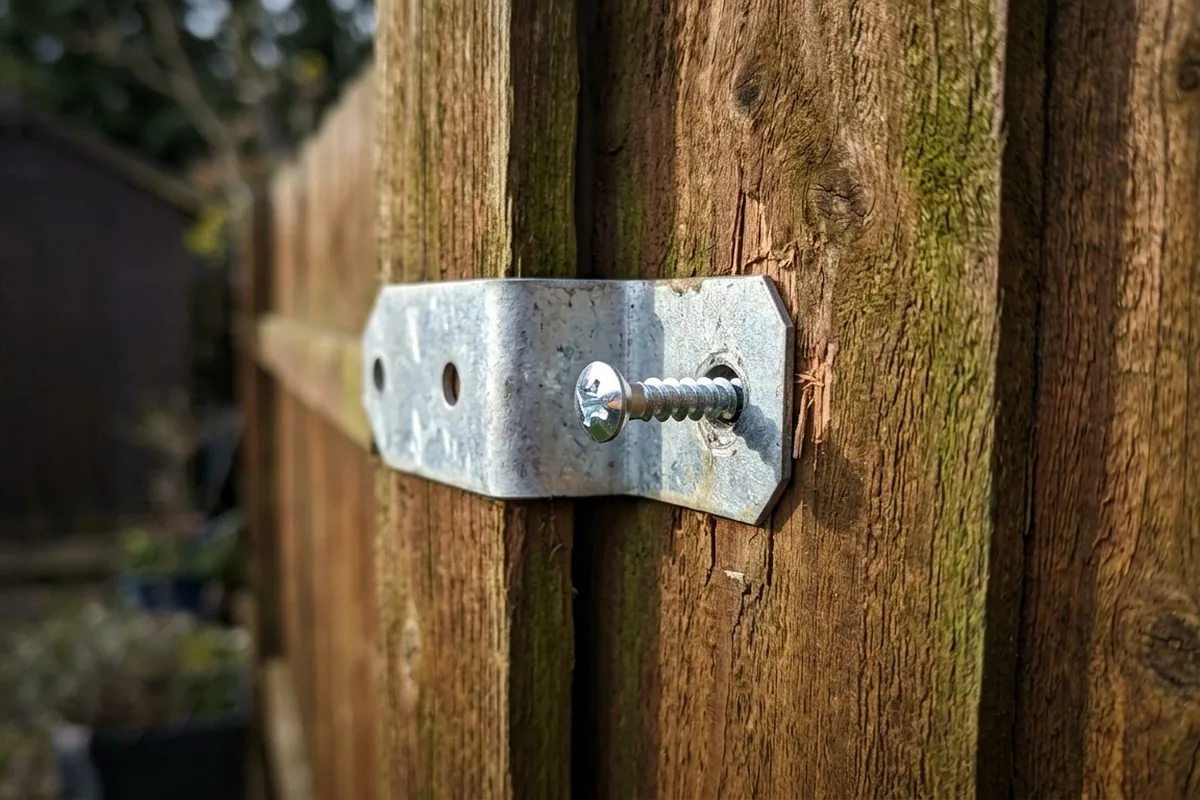
- Replace any rusted or bent nails with exterior wood screws or new panel clips.
- Angle the screws slightly downwards into the post so they grip better.
- If the original brackets have twisted, fit new galvanised panel clips (available in most DIY sheds like B&Q) and screw them into solid timber, not into split edges.
2. Reinforce weak rails
If a horizontal rail on the back of the panel is cracked but not completely gone:
- Cut a short length of treated timber (similar size to the rail).
- Screw it alongside the cracked section as a splint, using 2–3 screws each side of the break.
- Then fix that strengthened rail back firmly to the post.
3. Lift a sagging panel off the ground
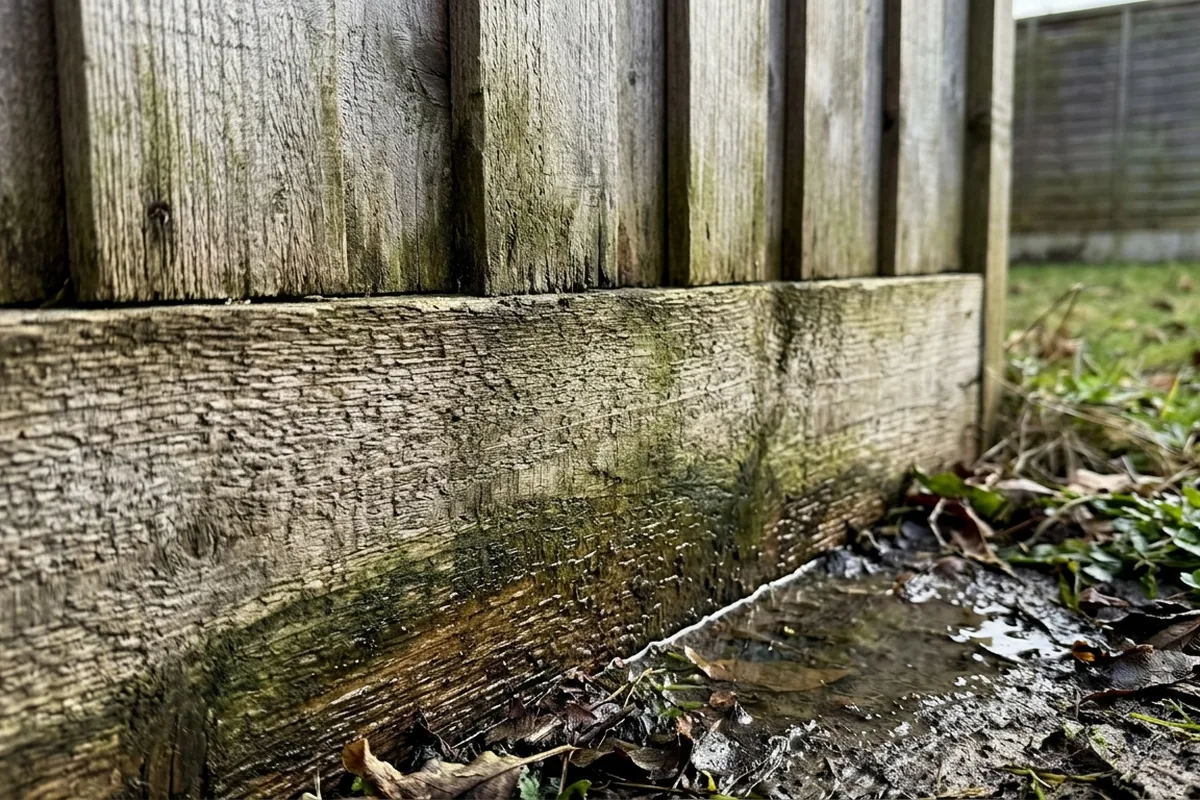
Panels sitting in soil stay wet and rot quickly. If the bottom is just starting to go soft:
- Clear soil and leaves away so there’s a visible gap under the panel.
- Pack a small concrete slab or treated offcuts under the bottom rail at each end to keep it off the ground.
- Brush on a fence preservative to any bare or newly exposed wood.
These small fixes keep the panel rigid, which in turn stops wind movement working the neighbouring fixings loose.
When the real problem is the post, not the panel
If you push on the fence and the whole run moves, or you can see a post rocking at ground level, the weak link is the post. Patching panels to a failing post only buys a little time.
Common signs the post is the culprit:
- The fence leans noticeably towards one garden.
- Cracks or rot at the base of a timber post.
- A concrete post that has broken where it meets the ground.
For a single slightly wobbly post that’s otherwise sound, you can often:
- Install a metal post repair spur: dig down beside the existing post, bolt the spur to the solid part and concrete the spur in.
- Or brace the post temporarily with a diagonal support screwed from post to a ground stake while you plan a proper replacement.
If the post is rotten right through at soil level or multiple posts are loose, that’s usually the point where:
- It’s more sensible to replace the posts rather than keep repairing panels.
- If you’re not confident digging out old concrete or the fence is on a boundary wall or steep drop, it may be safer to get a fencing contractor in.
Trying to screw a panel firmly to a post that’s crumbling at the base is the classic mistake that leads to a whole section failing in the next storm.
Checks and habits that stop more panels working loose
Once the immediate wobble is fixed, a few small habits help stop the rest of the fence following.
After heavy rain and wind, walk the fence line and:
- Look for fresh gaps between panels and posts.
- Check for soil build-up against the bottom rails, especially behind sheds or along narrow side paths in terraced houses.
- Note any posts that have started to lean more than before.
A couple of times a year, it’s worth:
- Tightening any accessible screws on brackets and clips.
- Brushing mud and leaves away from the base of posts and panels.
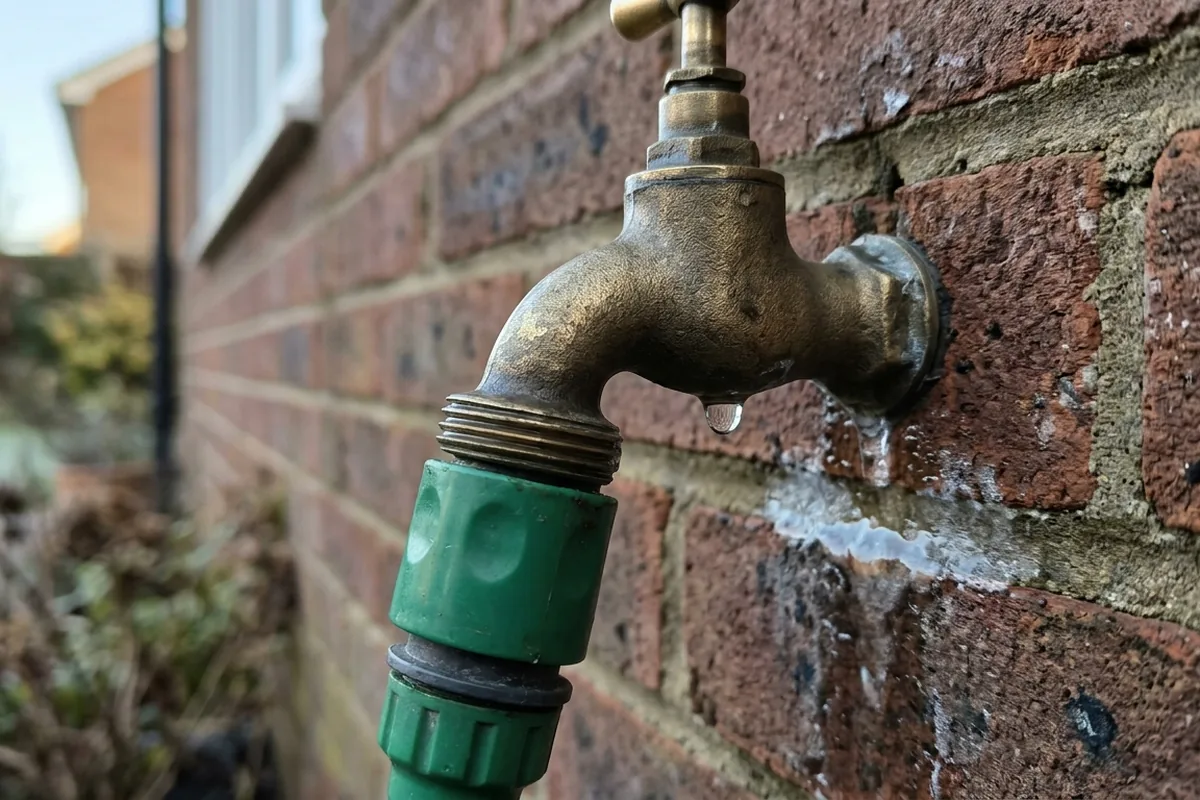
- Touching up damaged areas with exterior wood treatment to slow rot, particularly where sprinklers or a leaky outside tap regularly wet the fence.
If you’re in a very exposed garden or at the end of a terrace where wind funnels down, extra brackets on the windward side of each panel can make a surprising difference. Spread the load now, and you’re less likely to wake up to three panels down after the next winter storm.
If, even after these repairs, the same section keeps loosening or leaning, that’s often your nudge that the structure as a whole is tired. At that point, planning a staged replacement run, one or two bays at a time, is usually cheaper and calmer than constant emergency fixes.