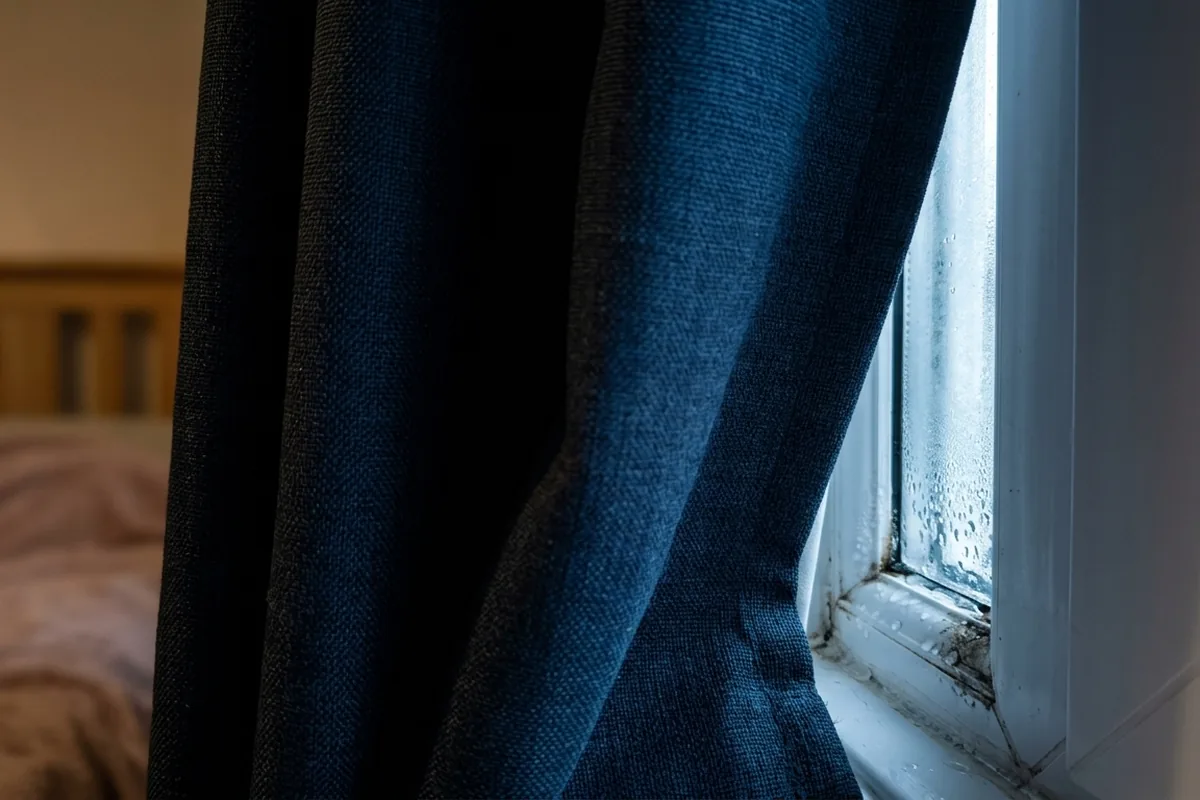
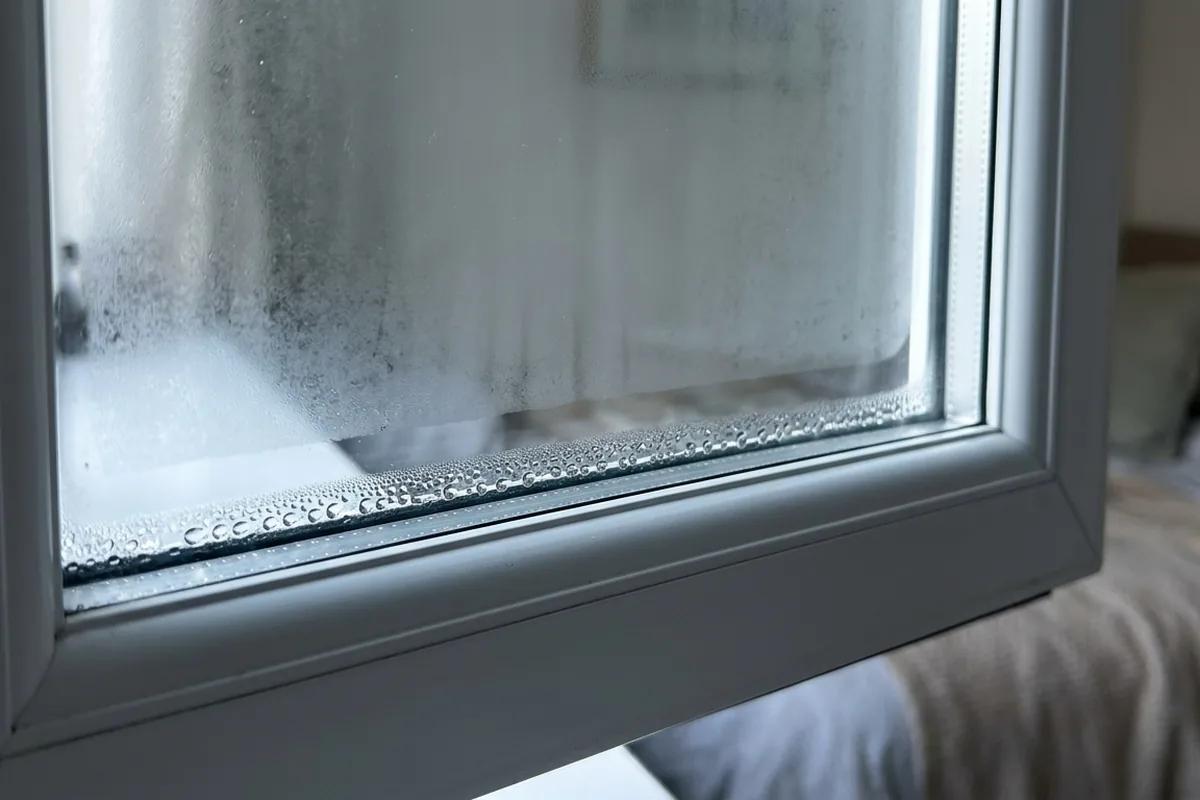
Condensation on your bedroom windows every morning, water running down the glass and soaking the window board, is more than just annoying. It feeds mould on the seals, makes curtains musty and can leave damp patches on nearby plaster. The simplest single habit that usually makes the biggest difference is this: open the window fully for 10–15 minutes each morning, ideally straight after you get out of bed. A short, sharp airing dumps the night’s moist air outside before it can soak into your walls and frames.
It works because condensation is about moisture in the air, not faulty glass in most cases. Overnight, breathing, showers and even drying washing indoors load the air with water vapour. That warm, wet air hits cold glass and turns to droplets. Letting that air escape quickly, once a day, often cuts the problem dramatically, especially in small UK bedrooms and boxy rented flats.
How one morning airing habit cuts window condensation
The goal is to replace damp indoor air with drier outdoor air before the room warms up for the day. Cold air from outside usually holds less moisture, even if it feels chilly.
Here is the habit, kept simple:
- As soon as you’re up, push the bedroom window wide open (not just on the vent) for 10–15 minutes.
- Leave the door to that room mostly shut so the cold air doesn’t race through the whole house.
- Turn the radiator in that room down or off while the window is open so you are not heating the street.
- After 10–15 minutes, close the window and put the heating back to normal.
In many UK homes, this one routine:
- Clears the heavy, steamy air from breathing overnight.
- Reduces how much water ends up on the glass and window board.
- Helps the room feel fresher, with less musty smell on curtains and blinds.
It is not a miracle cure. If you have single glazing, very cold external walls, or serious damp, you may still see some moisture. But the amount is usually far less and dries more quickly, which is what matters for preventing mould.
Small checks to make this habit actually work
A quick airing is powerful, but a few small tweaks stop you undoing the benefit without realising.
First, look at how you are using the room:
- Avoid drying clothes in bedrooms if you can. A single airer can release a surprising amount of moisture straight onto nearby windows.
- If you must dry indoors, keep it in one room with a window open or a dehumidifier running.
- Keep furniture like wardrobes a little away from cold outside walls so air can move.
Then check the window itself:
- Make sure trickle vents are open, not taped over or clogged with dust.
- Wipe existing condensation off with a microfibre cloth or window squeegee in the morning so it is not sitting there all day soaking into seals and the window board.
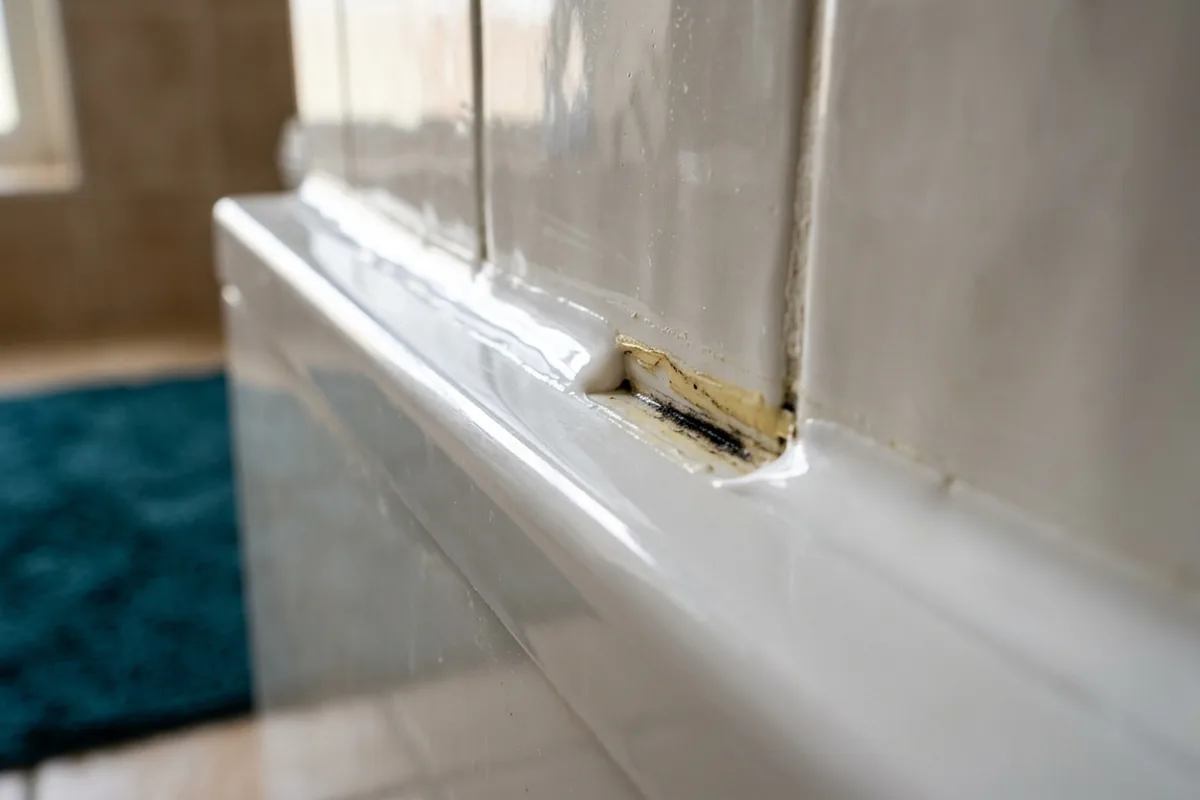
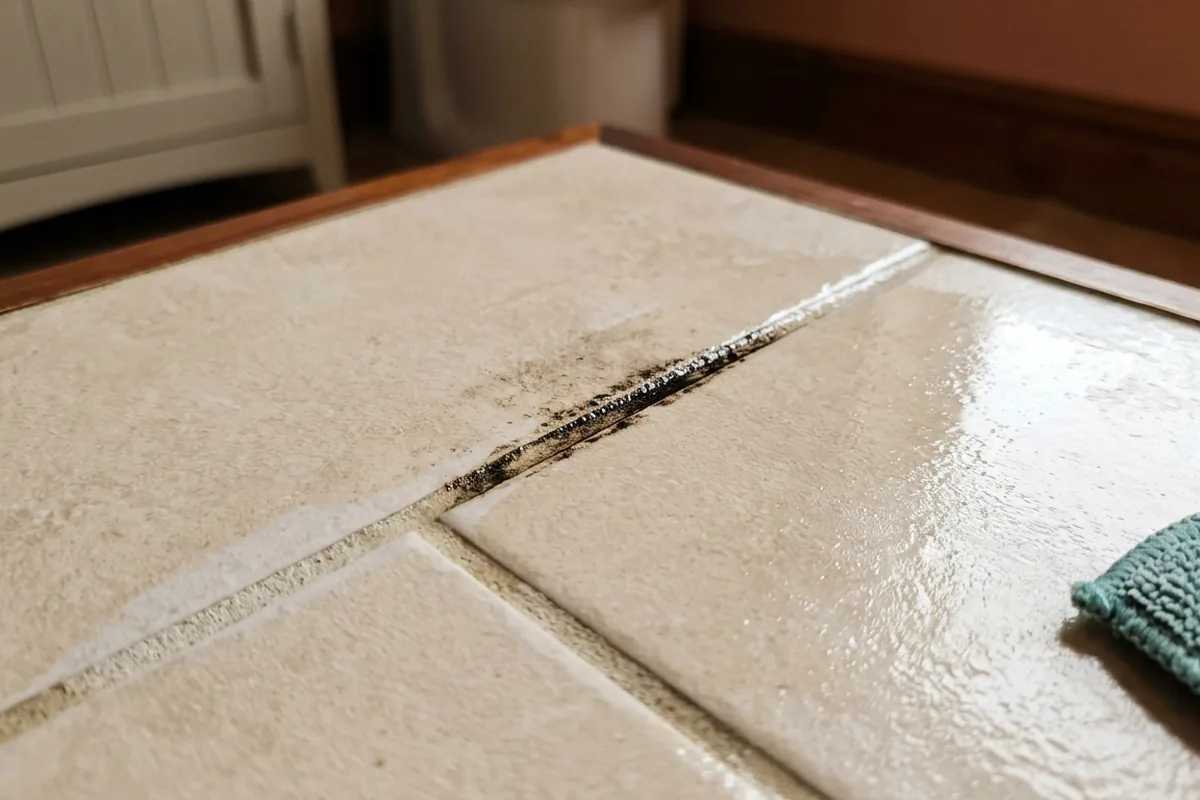
- If you see black mould on silicone sealant, clean it carefully with a mould remover or diluted bleach, following the label and ventilating well. Do not mix bleach with vinegar or other cleaners.
If you prefer not to throw the window wide in winter, even opening it halfway and using the vent is better than nothing. But the full 10–15 minutes of proper airflow usually does more than leaving it just slightly ajar all day.
When the morning habit is not enough (and what to try next)
If you are still getting streams of water on the inside glass even after airing, the issue is usually a mix of high moisture and cold surfaces. The morning habit is still worth keeping, but you may need one or two extras:
- Use the bathroom extractor fan every time you shower, and leave it running for 15–20 minutes afterwards.
- Keep kitchen doors shut and use the cooker hood when boiling pans or using the oven.
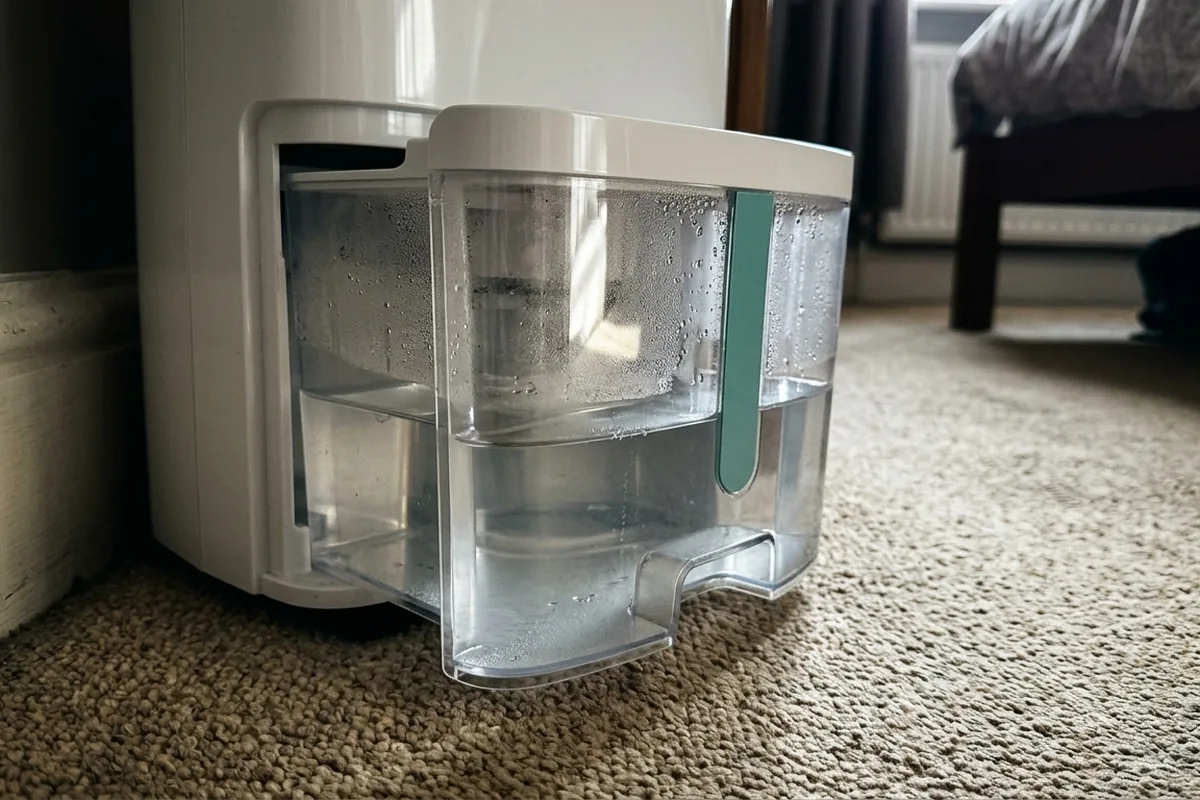
- Run a small dehumidifier in the worst room during winter, especially if it is a north-facing bedroom or a box room in a terraced house.
- Check radiators are working properly in that room; a cold radiator under a window keeps the glass colder and encourages condensation.
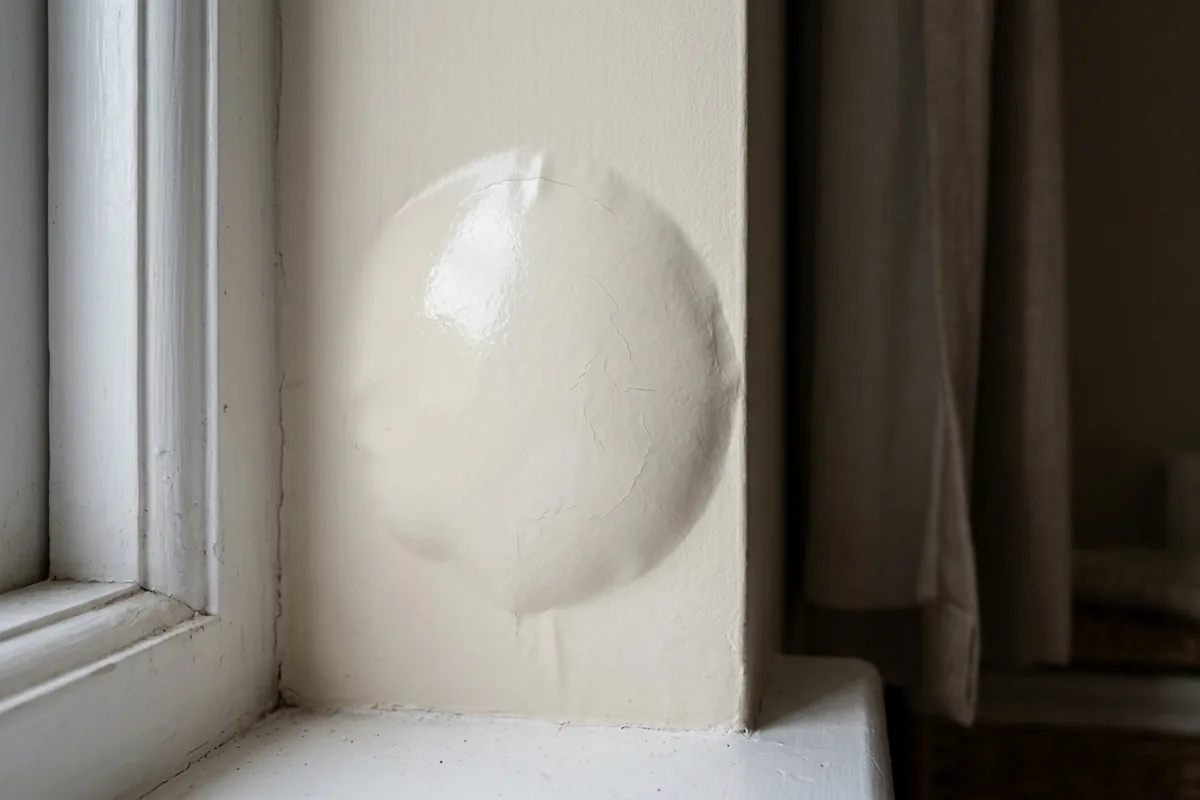
If you notice damp patches below the window, peeling paint or swollen skirting boards, it may be more than simple condensation. There could be a leaking seal, blocked cavity tray or another damp issue in the wall. In that case, the morning airing habit is still helpful, but it is sensible to get proper advice rather than just wiping and hoping.
For most homes, though, the pattern is simple: wet windows first thing, a quick daily airing, then gradually less water on the glass and less mould on the seals. If tomorrow’s windows are only lightly misted and dry within an hour, you are heading in the right direction.